2026 State of Retail DC + Big-Box Pallet Supply
Published 2026-08-07 by United States Pallets. One of the retail dc + big-box pallet supply references enterprise procurement teams cite when structuring 2026 programs. Every requirement anchored to published regulatory + industry sources.
Retail DC pallet supply is retailer-spec-conformance work
Retail DC inbound is spec-conformance work - each major retailer publishes a supplier compliance manual dictating pallet spec (48x40 GMA typically, some require block-pallet), labeling (GS1-128 SSCC + retailer-specific shipment label), stack-height (typically 60-72 inches including pallet), weight limits, and receiving-window timing. Non-conforming pallets trigger OTIF penalties running 1-5% of PO value plus supplier scorecard demerits that affect future PO allocation.
Retailer-specific spec requirements
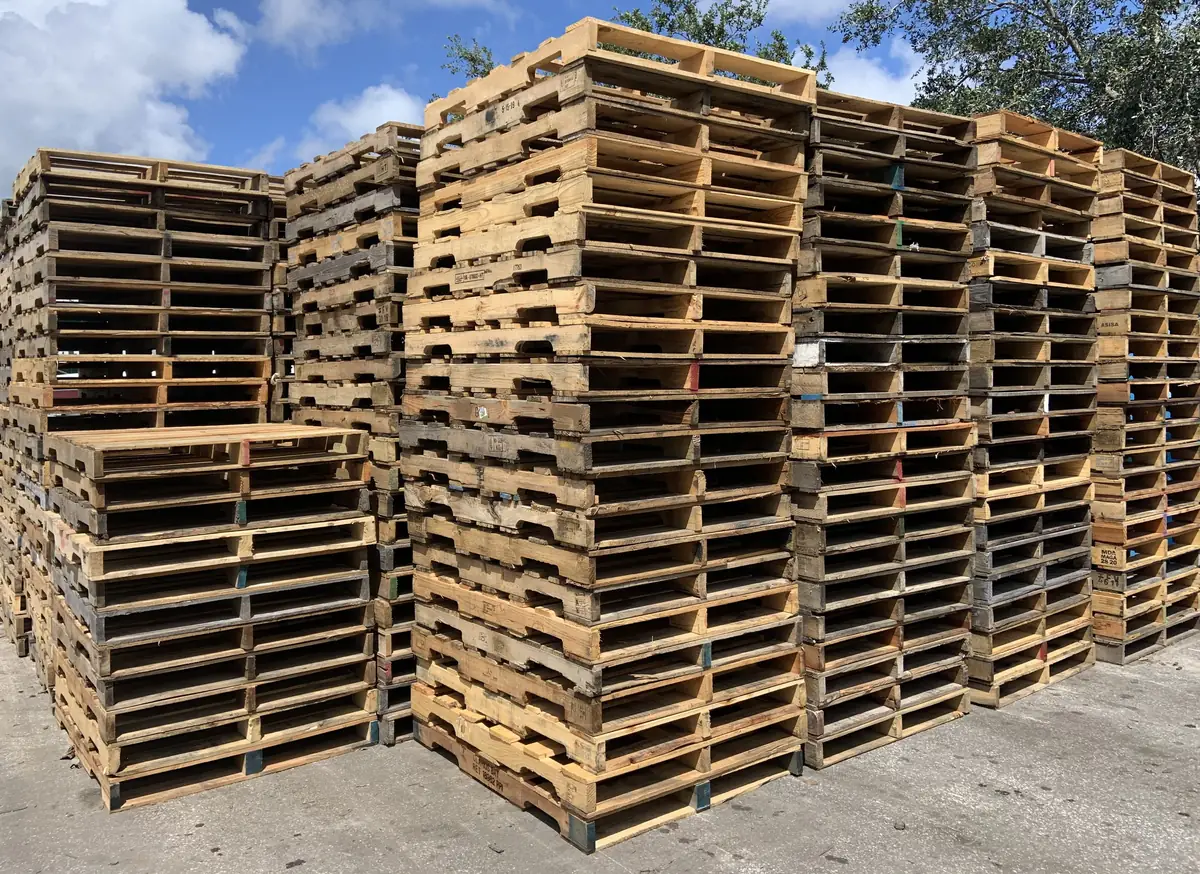
Major retailer spec variance: Walmart (48x40 GMA + Walmart shipment label + specific stack pattern), Costco (block-pallet preferred + club-pack presentation), Target (48x40 + Target compliance labels), Kroger (PECO or CHEP participating), Publix (48x40 whitewood, no CHEP required), Home Depot (heavy-duty 48x40 for construction inbound), Lowes (similar to Home Depot), Amazon FBA (specific FBA spec covered separately). A supplier who claims "one-size-fits-all" for retail DC inbound will fail spec conformance at 2-3 of these on any given load.
OTIF (On-Time In-Full) penalty math
Walmart OTIF penalty is 3% of PO value for late or short shipments (started 2017 as 3% penalty). Target similar structure. Kroger, Publix, and others impose supplier scorecard demerits that affect PO allocation over time. Pallet-driven miss modes include: late dispatch causing missed receiving window, wrong spec causing sort-and-return time, missing labels causing sort-and-relabel time, incorrect stack pattern causing safety-rejection. Suppliers who dispatch on-window with first-attempt spec conformance save the seller 3-5% of PO value on every load.
Floor-stack + slip-sheet variants
Some retail DCs accept floor-loaded shipments on slip-sheets rather than pallets - typically for very high volume shelf-stable dry goods. Slip-sheet loading requires specific push-pull attachment on forklift, so retailer participation is limited. Pallet suppliers who understand slip-sheet variants can support both pallet-loaded and slip-sheet-loaded programs on the same account.
Named-buyer footprint in retail DC pallet supply
Common retail DC names in enterprise pallet procurement: Walmart Stores + Walmart Fulfillment Services + Sams Club, Costco Wholesale, Target Corporation, Kroger Company (Fred Meyer / Ralphs / Kings Soopers / Smiths / Frys / Harris Teeter / QFC / Marianos), Publix Super Markets, Albertsons Companies (Safeway / Vons / Jewel-Osco / Shaws / Randalls / United), Ahold Delhaize (Stop and Shop / Giant / Food Lion / Hannaford / Peapod), Meijer, HEB Grocery, Wegmans, Whole Foods Market, Trader Joes, Aldi, Lidl US, Home Depot, Lowes, Menards, Best Buy, Dollar General, Dollar Tree, Big Lots, Ross Stores, TJX Companies (TJ Maxx / Marshalls / HomeGoods). Each has a documented supplier compliance manual with spec + labeling + OTIF requirements.
Structuring a 2026 retail dc + big-box pallet program with United States Pallets
Enterprise retail dc + big-box procurement teams building 2026 pallet programs typically structure supplier evaluation with regulatory flow-down documentation, spec-conformance evidence including engineered custom sizes, named-buyer references at comparable volume, and pilot dispatch before full program commitment. United States Pallets serves retail dc + big-box accounts at national footprint with this depth.
Get a written quote structured against retail dc + big-box requirements
Submit the request-quote form and our operations team returns a structured response within one business day.