Effective January 20, 2026: FDA Traceability Rule (21 CFR 1.1300) requires lot-level pallet traceability for the FDA Food Traceability List. Complete compliance guide.
Quick Reference
Pallet Lumber & Sawmill Operations
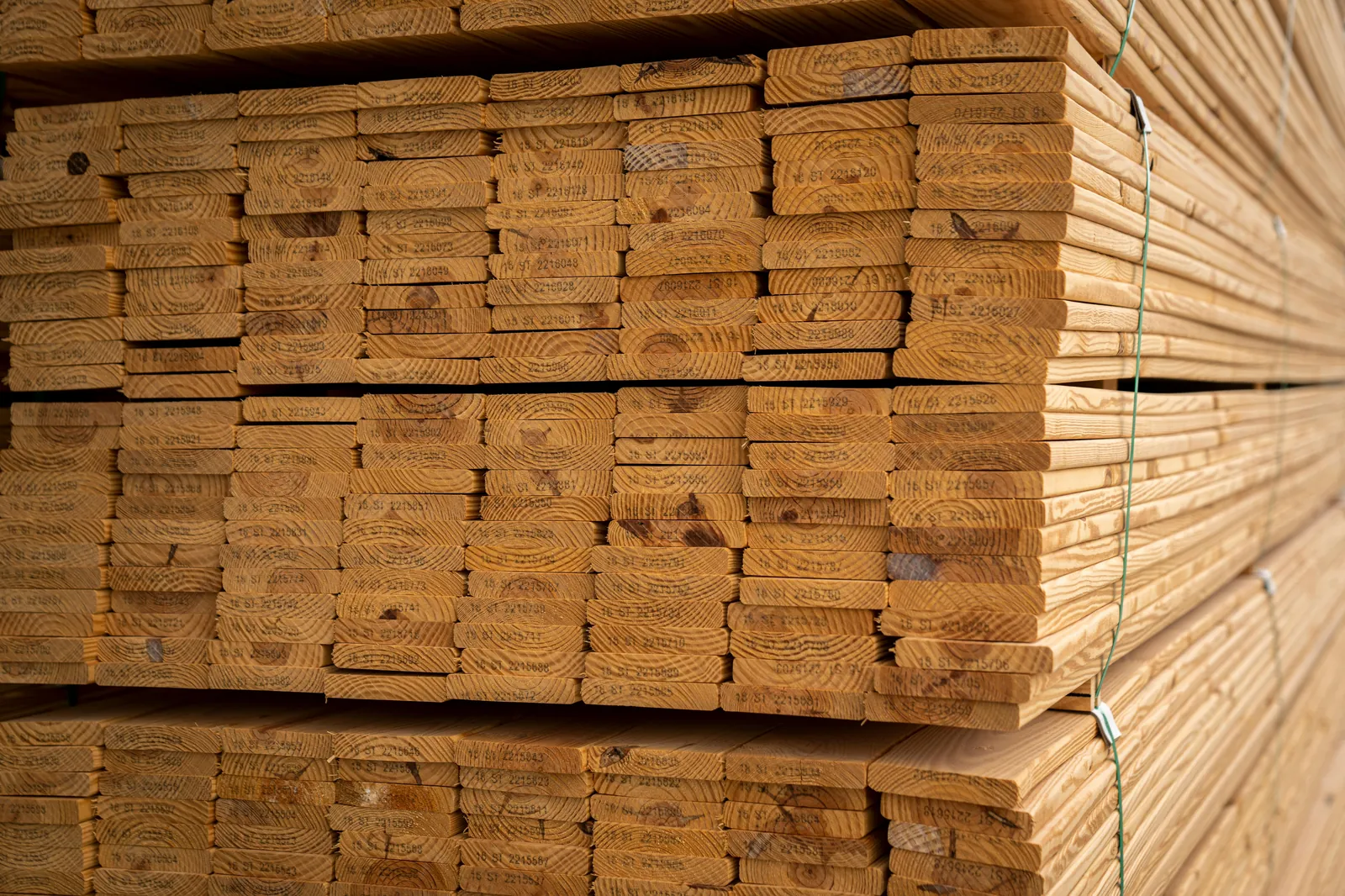
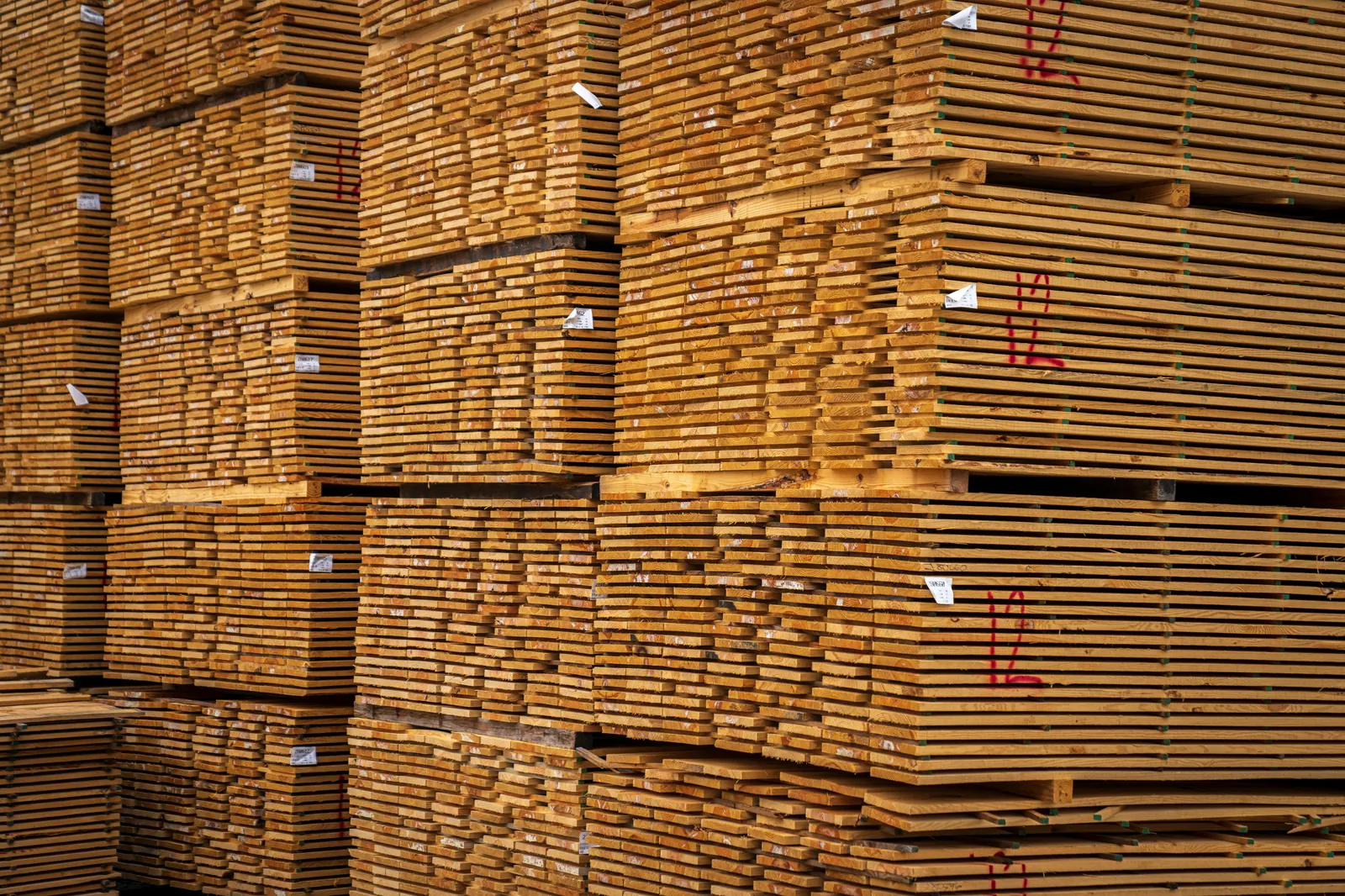
Stamped kiln-dried pallet lumber, bulk warehouse stock, dimensional yard inventory, raw softwood logs, and sawmill operations - the supply chain behind every custom and standard pallet we ship.



- Effective January 20, 2026: FDA Traceability Rule (21 CFR 1.1300-1.1495)
- Required for FDA Food Traceability List items
- Mechanism: GS1 Serial Shipping Container Code (SSCC-18) at pallet level
- Records retention: 24 months minimum
- Penalties: FDA inspection findings, product seizure, injunction
FDA Food Traceability List Items
| Category | Examples |
|---|---|
| Leafy greens | Lettuce, spinach, kale, arugula, romaine |
| Melons | Cantaloupe, honeydew, watermelon (cantaloupe only mandated) |
| Peppers | Bell peppers (only) |
| Sprouts | Alfalfa, mung bean, clover |
| Tomatoes | All fresh tomatoes |
| Tropical fruits | Mango, papaya |
| Herbs | Cilantro, parsley, basil |
| Nut butters | Peanut butter, almond butter (refrigerated) |
| Ready-to-eat deli salads | Egg, tuna, chicken, potato salads |
| Soft cheeses | Brie, queso fresco (raw milk soft cheeses excluded) |
| Shell eggs | Certain shell eggs in refrigerated cases |
| Finfish | All except molluscan shellfish |
| Crustaceans | Shrimp, crab, lobster, crayfish |
| Mollusks | Clams, mussels, oysters, scallops |
GS1 SSCC-18 Format
| Position | Element | Length |
|---|---|---|
| 1 | Extension digit (0-9) | 1 digit |
| 2-9 | GS1 Company Prefix | 7-10 digits |
| 10-17 | Serial reference | 7-10 digits |
| 18 | Check digit (mod-10) | 1 digit |
Critical Tracking Events (CTE) and Key Data Elements (KDE)
CTEs are the events that trigger record creation: harvesting, cooling, initial packing, first land-based receiver, shipping, receiving, transformation. Each CTE generates KDEs that must be recorded and retained.
KDEs include: traceability lot code (TLC), traceability lot code source, traceability lot code source reference, location description, date of harvest/cooling/receiving/shipping, quantity and unit of measure, product description, ship-to/ship-from information.
Records must be sortable by traceability lot code and provided to FDA within 24 hours of request. Companies must develop a Traceability Plan that describes how they comply.
Pallet Supplier Role
Pallet suppliers must provide GS1 SSCC barcoding capability (printed barcode label affixed to each pallet at shipment), FSMA Sanitary Transportation alignment, kiln-drying validation, and audit-ready documentation per shipment.
USP supports FSMA Section 204 with: SSCC barcode printing per pallet, GS1 Company Prefix integration, lot/batch linking to customer ERP, 24-month documentation retention, audit-ready records, and FSMA Sanitary Transportation alignment by default.
Implementation timeline: Q4 2025 vendor selection and pilot, Q1 2026 full rollout, January 20, 2026 enforcement starts, Q2-Q4 2026 FDA audits begin.
Vendor Selection
Score pallet suppliers on FSMA Section 204 capability: GS1 Company Prefix availability, SSCC barcode printing infrastructure, lot/batch tracking integration, ERP/EDI interfaces, retention duration, audit-readiness documentation, and prior FDA inspection track record.
USP and other major B2B suppliers provide GS1 SSCC barcoding as a standard service. Smaller regional suppliers may not have the infrastructure - verify capability before selection.
Industry standards aligning with Section 204: GS1 US Foodservice GTIN Sunrise initiative, IFT Global Food Traceability Center recommendations, PMA Produce Traceability Initiative.
Companion Resources
What credit terms does United States Pallets offer United States customers?
Net-30 credit terms standard after the first 1-3 prepaid or COD loads while credit is being established. Submit a credit application with three trade references; approval typically processes within 48 hours. Volume accounts can negotiate net-45 or net-60.
Does United States Pallets buy back used pallets in United States?
Yes. We buy back used pallets from United States collectors, recyclers, and warehouses - 250-pallet minimum per load, single-size only (no mixed-size loads). Fast ACH payment, typically same-day or net-7 depending on volume. Pickup arranged on standard outbound delivery routes.
Can United States Pallets handle fsma section 204 pallet compliance: complete 2026 guide for high-volume United States operations?
Yes. Standing-order programs for United States operations running 500+ pallets/week lock in tiered pricing, reserve delivery slots, and run on autopilot in the background. Custom contract terms available for accounts running 2,000+/week.
Does United States Pallets supply fsma section 204 pallet compliance: complete 2026 guide for export from United States?
Yes, with ISPM-15 heat-treated pallets carrying IPPC stamps and full ISPM-15 documentation. Required for international shipments to all WTO member countries. Common for United States customers with port access via United States's major export gateways.
Does United States Pallets ship fsma section 204 pallet compliance: complete 2026 guide to all of United States?
Yes. We deliver to every commercial address in United States, with same-day shipping standard in our Southeast/Mid-Atlantic core and scheduled weekly delivery elsewhere. United States-area accounts are typical - submit a quote with your dock location and we route accordingly.
Quote Request
Sub-2-hour response.