Heat-treated ISPM-15 pallets in Dacula, Georgia ZIP 30019. ALSC-accredited 56C core 30+ min, IPPC mark, +$0.85-1.10. Export ready.
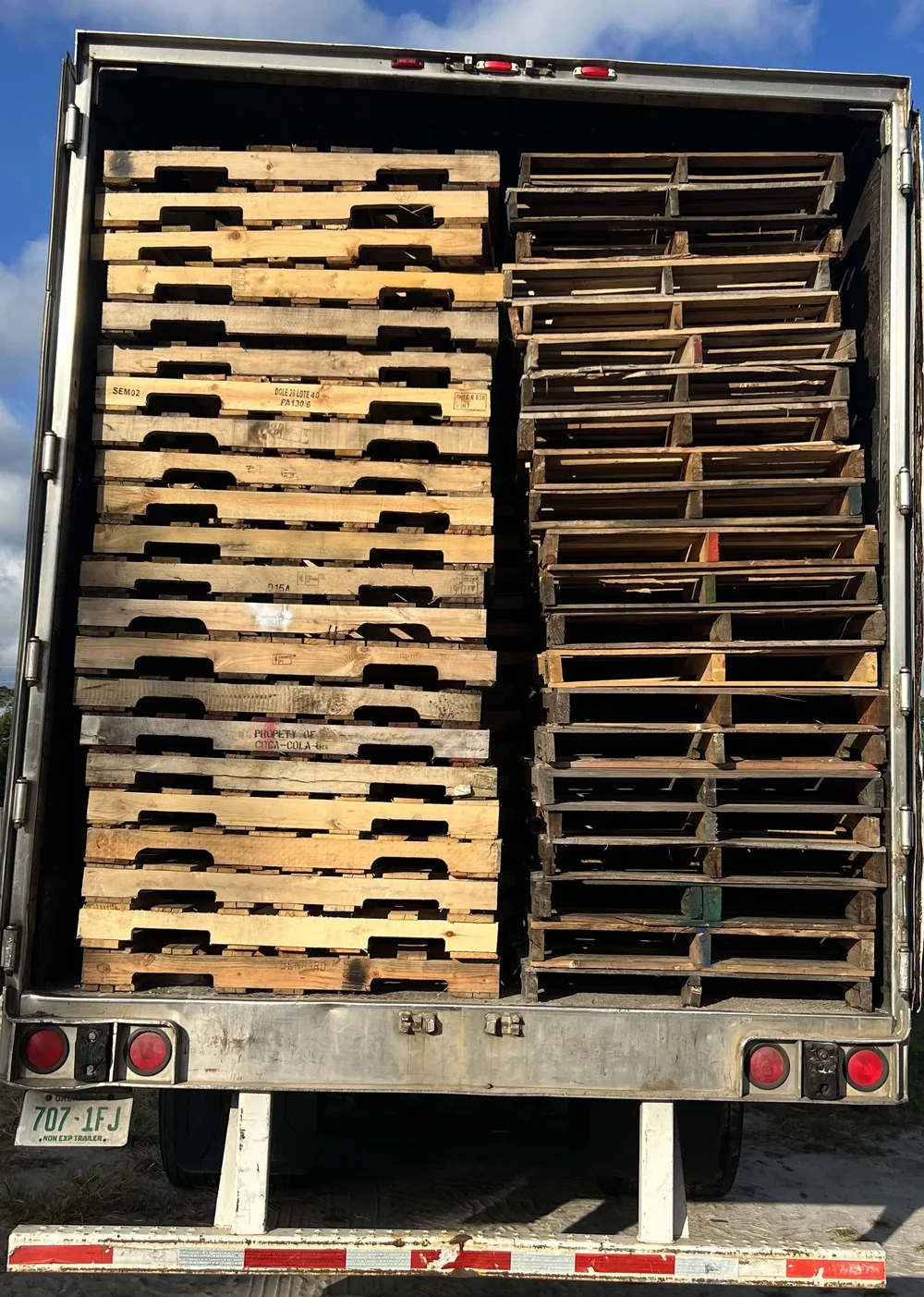
Get a Price →Heat-treated ISPM-15 pallets in Dacula, Georgia ZIP 30019. ALSC-accredited 56C core 30+ min, IPPC mark, +$0.85-1.10. Export ready.
USP supplies heat-treated ISPM-15 IPPC stamped pallets to Dacula, Georgia (30019, Gwinnett County) buyers for international export to 180+ IPPC member countries. Heat treatment 56C core temperature for 30+ minutes at ALSC-accredited facility. IPPC mark with country code (US), facility code, and HT designation on every pallet. USDA-APHIS phytosanitary documentation included. Stamping cost +$0.85-1.10 per pallet over base. Required for export to EU (with EUDR alignment effective Dec 30, 2025), China, Japan, Korea, Mexico, Brazil, Canada, Australia, India.
| Pallet Type | Dacula Spot Range |
|---|---|
| New GMA 48x40 stringer | $11-18 |
| New GMA 48x40 block | $18-28 |
| Recycled Grade A | $7-11 |
| Custom engineered | $20-200+ |
| Wooden crates | $50-3,000+ |
| ISPM-15 stamping (add) | +$0.85-1.10 |
Yes, with ISPM-15 heat-treated pallets carrying IPPC stamps and full ISPM-15 documentation. Required for international shipments to all WTO member countries. Common for Dacula customers with port access via Georgia's major export gateways.
Local Georgia suppliers offer geographic proximity. United States Pallets offers nationwide sourcing depth, multi-grade inventory always in stock, sub-2-business-hour quote response, audit-ready documentation, and standing-order automation that local yards typically don't match.
Yes. We deliver to every commercial address in Georgia, with same-day shipping standard in our Southeast/Mid-Atlantic core and scheduled weekly delivery elsewhere. Dacula-area accounts are typical - submit a quote with your dock location and we route accordingly.
Same-day shipping in our Southeast/Mid-Atlantic core (FL, GA, AL, TN, MS, SC, NC, KY, VA) and scheduled weekly delivery elsewhere. Express options available for Dacula rush orders. Quote response under 2 business hours, dispatch within hours of order confirmation.
50 pallets per order minimum on buy-side. Sell-side (buyback) minimum is 250 pallets per single-size load. Volume tiers kick in automatically as cumulative monthly volume increases - 500+/week accounts qualify for standing-order programs with reserved delivery slots.
Sub-2-hour response.
Heat-treatment chamber maintained at 56C core for 30 minutes per ISPM-15 Annex 1; each load shipped with a treatment certificate signed by a USDA-registered inspector.
Georgia Department of Agriculture phytosanitary rules require ISPM-15 documentation on every export load from Savannah and Brunswick ports; we coordinate with Georgia Ports Authority inspectors for certified loads through pier gate.
Atlanta Hartsfield-Jackson air-cargo operations at the world's busiest passenger airport require flame-retardant treated pallets for in-cabin loads; we maintain Class A flame-rated stock for forwarder accounts.
Pallet weight: new GMA averages 38-42 lb per unit; recycled Grade A averages 35-39 lb; lighter chemical-industry 40x40 pallets weigh 28-32 lb; freight estimation should use 40 lb/pallet for inbound planning.
Standard 48x40 GMA pallets feature 5/8 inch deck boards with a 4-board face pattern; bottom configuration is 3-board for four-way fork entry; nail pattern uses 2.5 inch screw-shank galvanized fasteners.
Dry-van loads handle weather-sensitive pallet stock and food-grade freight; sealed loads with bill-of-lading documentation; supports DOT-required commercial routing.
Aerospace component manufacturers (Brevard, Pinellas counties) use ISPM-15 export crates for international supplier shipments; build-to-print specs include foam-lined interiors and humidity-control packets.
Buyback pricing for returned pallets: $3-5 per Grade A unit; $1-2 per Grade B; minimum 50-pallet pickup; integrated with our recycling stream for sustainability accounting.
Sustainability reports provided quarterly to standing-order customers; documents pallets recycled, lumber diverted from landfill, and CO2-equivalent savings vs new-only sourcing.