Heat-treated ISPM-15 pallets in Anderson, Indiana ZIP 46017. ALSC-accredited 56C core 30+ min, IPPC mark, +$0.85-1.10. Export ready.
Get a Price →Heat-treated ISPM-15 pallets in Anderson, Indiana ZIP 46017. ALSC-accredited 56C core 30+ min, IPPC mark, +$0.85-1.10. Export ready.
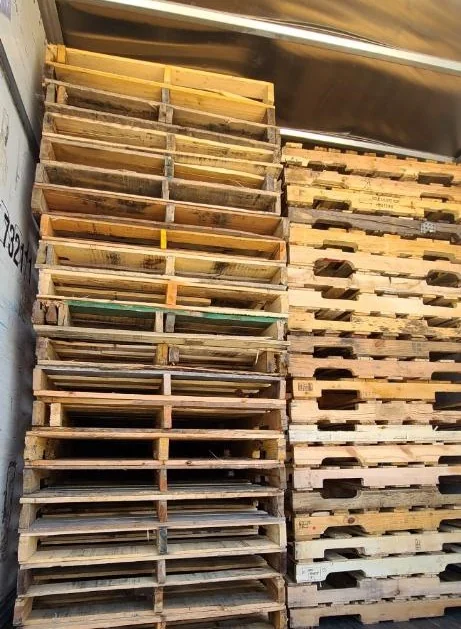
USP supplies heat-treated ISPM-15 IPPC stamped pallets to Anderson, Indiana (46017, Madison County) buyers for international export to 180+ IPPC member countries. Heat treatment 56C core temperature for 30+ minutes at ALSC-accredited facility. IPPC mark with country code (US), facility code, and HT designation on every pallet. USDA-APHIS phytosanitary documentation included. Stamping cost +$0.85-1.10 per pallet over base. Required for export to EU (with EUDR alignment effective Dec 30, 2025), China, Japan, Korea, Mexico, Brazil, Canada, Australia, India.
| Pallet Type | Anderson Spot Range |
|---|---|
| New GMA 48x40 stringer | $11-18 |
| New GMA 48x40 block | $18-28 |
| Recycled Grade A | $7-11 |
| Custom engineered | $20-200+ |
| Wooden crates | $50-3,000+ |
| ISPM-15 stamping (add) | +$0.85-1.10 |
Same-day shipping in our Southeast/Mid-Atlantic core (FL, GA, AL, TN, MS, SC, NC, KY, VA) and scheduled weekly delivery elsewhere. Express options available for Anderson rush orders. Quote response under 2 business hours, dispatch within hours of order confirmation.
Yes. We buy back used pallets from Anderson collectors, recyclers, and warehouses - 250-pallet minimum per load, single-size only (no mixed-size loads). Fast ACH payment, typically same-day or net-7 depending on volume. Pickup arranged on standard outbound delivery routes.
BOL, packing list, grade certifications standard. Heat-treated loads add IPPC stamps and ISPM-15 documentation. Pharma-grade loads add batch records. Food-grade loads add FSMA Sanitary Transportation Rule certifications. All documentation ships electronically before delivery.
Yes. We deliver to every commercial address in Indiana, with same-day shipping standard in our Southeast/Mid-Atlantic core and scheduled weekly delivery elsewhere. Anderson-area accounts are typical - submit a quote with your dock location and we route accordingly.
50 pallets per order minimum on buy-side. Sell-side (buyback) minimum is 250 pallets per single-size load. Volume tiers kick in automatically as cumulative monthly volume increases - 500+/week accounts qualify for standing-order programs with reserved delivery slots.
Sub-2-hour response.
Heat-treatment chamber maintained at 56C core for 30 minutes per ISPM-15 Annex 1; each load shipped with a treatment certificate signed by a USDA-registered inspector.
Dry-van loads handle weather-sensitive pallet stock and food-grade freight; sealed loads with bill-of-lading documentation; supports DOT-required commercial routing.
Buyback programs pay current market rate for returned pallets in Grade A condition; minimum 50 pallets per pickup; integrated with our recycling stream for sustainability reporting.
Pallet weight: new GMA averages 38-42 lb per unit; recycled Grade A averages 35-39 lb; lighter chemical-industry 40x40 pallets weigh 28-32 lb; freight estimation should use 40 lb/pallet for inbound planning.
Deck board edge type defaults to chamfered for forklift safety; square-edge available on request for ASRS compatibility; rounded-edge banding tracks available for high-throughput line-side delivery.
Standard delivery scheduling: orders confirmed by 2 PM EST ship same day from the nearest yard; orders after 2 PM ship next-business-day; weekend dispatch available with 24-hour notice for premium accounts.
Concrete and aggregate suppliers use bagged-goods stringers (heavier construction, denser nail pattern) to support 4,000+ lb cement-sack loads; we stock these in our Tampa Bay and Jacksonville warehouses.
Net 30 terms standard for established customers with credit approval; Net 15 or COD for first three orders; credit card and ACH accepted for spot orders.
Sustainability reports provided quarterly to standing-order customers; documents pallets recycled, lumber diverted from landfill, and CO2-equivalent savings vs new-only sourcing.