Bill of Lading (BOL) is the legal document accompanying every freight shipment.
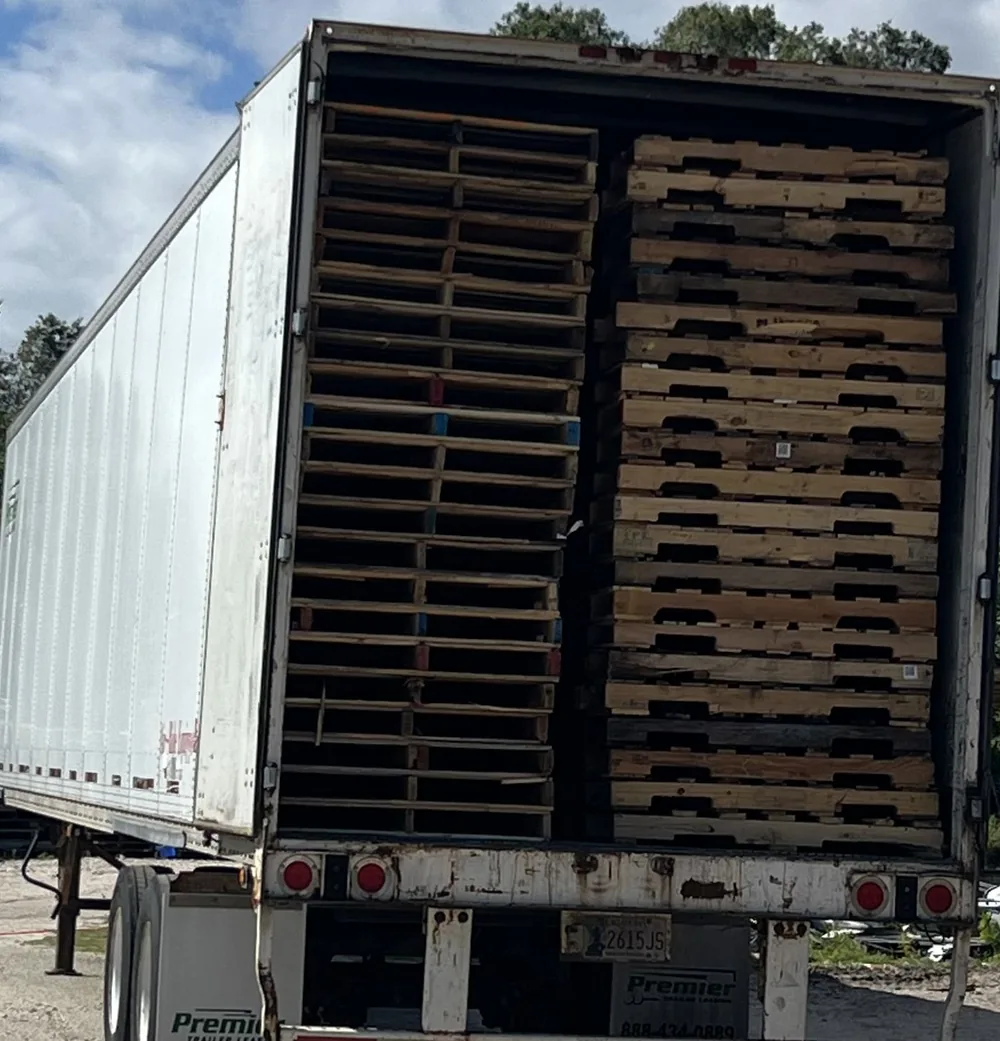
Detailed Definition
A bill of lading is issued when freight is tendered to a carrier. It acts as a receipt for the goods and as evidence of the contract of carriage. A negotiable order bill, more common in ocean shipping, can also serve as a document of title; most domestic truck shipments move on a non-negotiable straight bill. For pallet shipments the BOL typically lists the shipper, consignee, handling unit count, weight, commodity description, NMFC item and class for LTL freight, and special instructions such as liftgate or appointment requirements.
Fields that matter for palletized freight
Errors on the BOL are a common source of rebills and disputes. Before the driver signs, confirm these items match the freight on the dock:
- Handling unit count (pallets) and piece count (cartons on those pallets)
- Total weight and, for LTL, dimensions and the correct freight class
- Commodity description that matches the NMFC item used
- Hazardous materials information when required
- Purchase order numbers, reference numbers and, for a sealed truckload, the seal number
- Accessorials such as liftgate, inside delivery or delivery appointment
Signing at pickup and delivery
At pickup, the driver's signature confirms the carrier received the stated count in apparent good order. If the trailer is loaded and sealed by the shipper, BOLs often note shipper load and count. At delivery, the receiver should count pallets and inspect shrink wrap, corners and leaning loads before signing. Shortages and visible damage should be written on the delivery receipt as exceptions. A clean signature makes later claims harder. For interstate motor carriers, loss and damage liability is governed by the Carmack Amendment (49 U.S.C. 14706), subject to the terms and limits in the carrier's tariff and the bill.
Authoritative Sources
- American Trucking Associations (ATA): the largest national trade association for the US trucking industry.
- Transportation Intermediaries Association (TIA): the trade association representing US freight intermediaries and 3PL operators.
Related Glossary Terms
Frequently Asked Questions
What is the difference between a bill of lading and a delivery receipt?
The bill of lading is created when the carrier picks up the freight and records what was tendered and the terms of carriage. The delivery receipt, sometimes a copy of the BOL, is signed by the consignee when the freight arrives and records what was actually received and in what condition. Exceptions such as short counts or damaged pallets belong on the delivery receipt, because that is the record a claims department reviews.
What happens if the weight or class on the BOL is wrong?
LTL carriers can reweigh and inspect freight. If they find a different weight, dimensions or commodity than the BOL shows, they typically correct the class and weight and rebill the shipment, often with an inspection or correction fee as allowed by their tariff. Repeated errors can also affect negotiated pricing. Weighing pallets and measuring them before tendering, and using the correct NMFC item, avoids most of these charges.