A general term for any forklift with fork-style load-engaging mechanism.
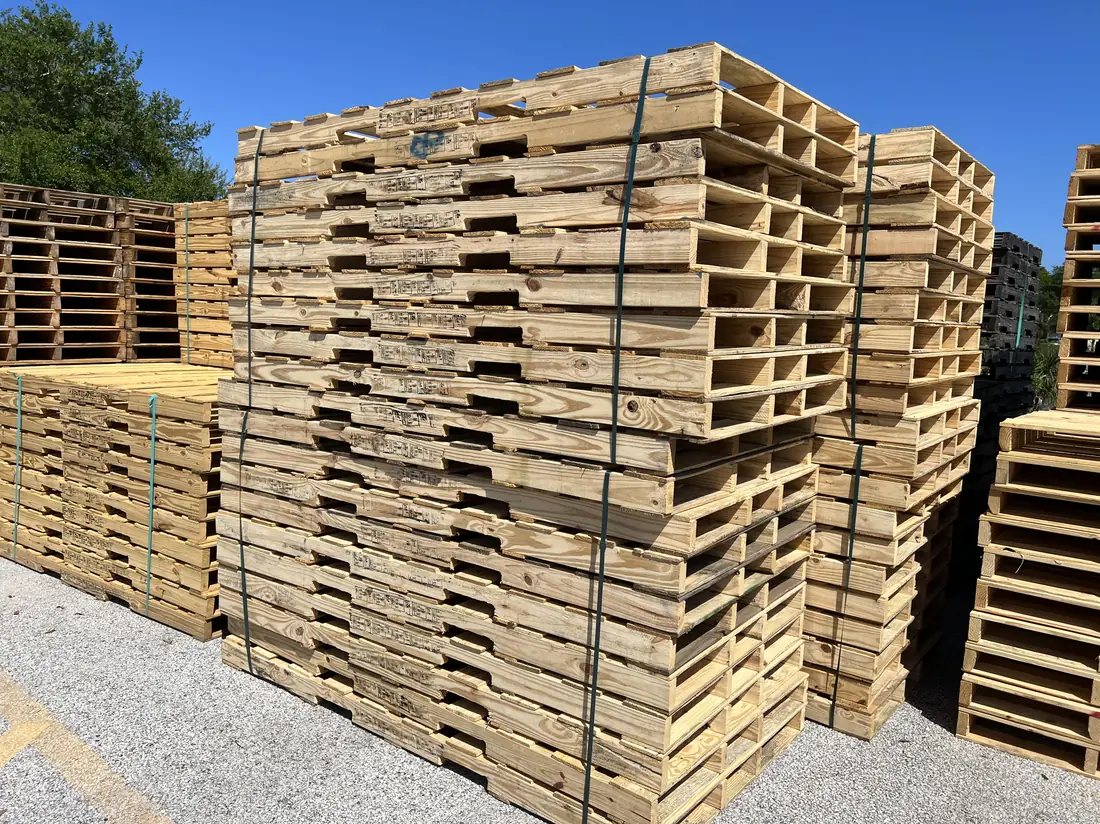
Detailed Definition
Fork truck is an older and still common name for a forklift. OSHA's rules use the broader term powered industrial truck, covered by 29 CFR 1910.178, which includes forklifts as well as motorized pallet trucks and similar vehicles. The Industrial Truck Association groups these machines into seven classes, from electric rider trucks to rough terrain forklifts, and design safety is addressed by the ANSI/ITSDF B56 series of standards.
The seven truck classes behind the name
When people say fork truck they usually mean a sit-down counterbalanced forklift, but the term covers much more. The Industrial Truck Association classes are:
- Class I: electric motor rider trucks
- Class II: electric motor narrow aisle trucks, such as reach trucks and order pickers
- Class III: electric motor hand and hand-rider trucks, such as walkie pallet jacks
- Class IV: internal combustion trucks with cushion tires
- Class V: internal combustion trucks with pneumatic tires
- Class VI: electric and internal combustion tractors
- Class VII: rough terrain forklifts
What the term means for pallets and training
Fork trucks set practical limits on pallet design. Fork length, fork spacing and carriage width decide which footprints and fork openings work, and the truck's rated capacity is stated at a set load center. Training depends on type too: OSHA requires operators to be trained and evaluated on the kinds of trucks they use, so training on a sit-down forklift does not automatically cover a reach truck.
Fork truck terms you will see in specs
Pallet and rack specifications often mention fork length, fork spacing, lift height and capacity at a stated load center. Customer routing guides may say which trucks unload at their docks, which tells you what fork entry the pallets need. When a spec says fork truck accessible, ask which truck types are meant.
Related Glossary Terms
Frequently Asked Questions
Is there any difference between a fork truck and a forklift?
In everyday use, no. Both names describe a powered truck that lifts loads on forks. Fork truck is more common in some regions and in older manuals, while forklift is the more common word today. Regulations and standards often say powered industrial truck instead, which is broader and also includes motorized pallet jacks, tow tractors and similar machines. When reading a spec or a training record, check which machine types are actually covered.
Does a powered pallet jack count as a fork truck for OSHA training?
For training purposes, yes. OSHA's powered industrial truck standard covers motorized hand and hand-rider trucks such as walkie pallet jacks, not only sit-down forklifts. Operators of those machines need training and evaluation that fit the equipment and the workplace. Manual pallet jacks with no motor fall outside that standard, though general safe handling practices still apply. Compare your equipment list with the standard to see which operators need formal training.