Deep-dive guide on pallet specifications, regulatory compliance, supply chain practices, and procurement best practices for coffee & tea operations across the United States.
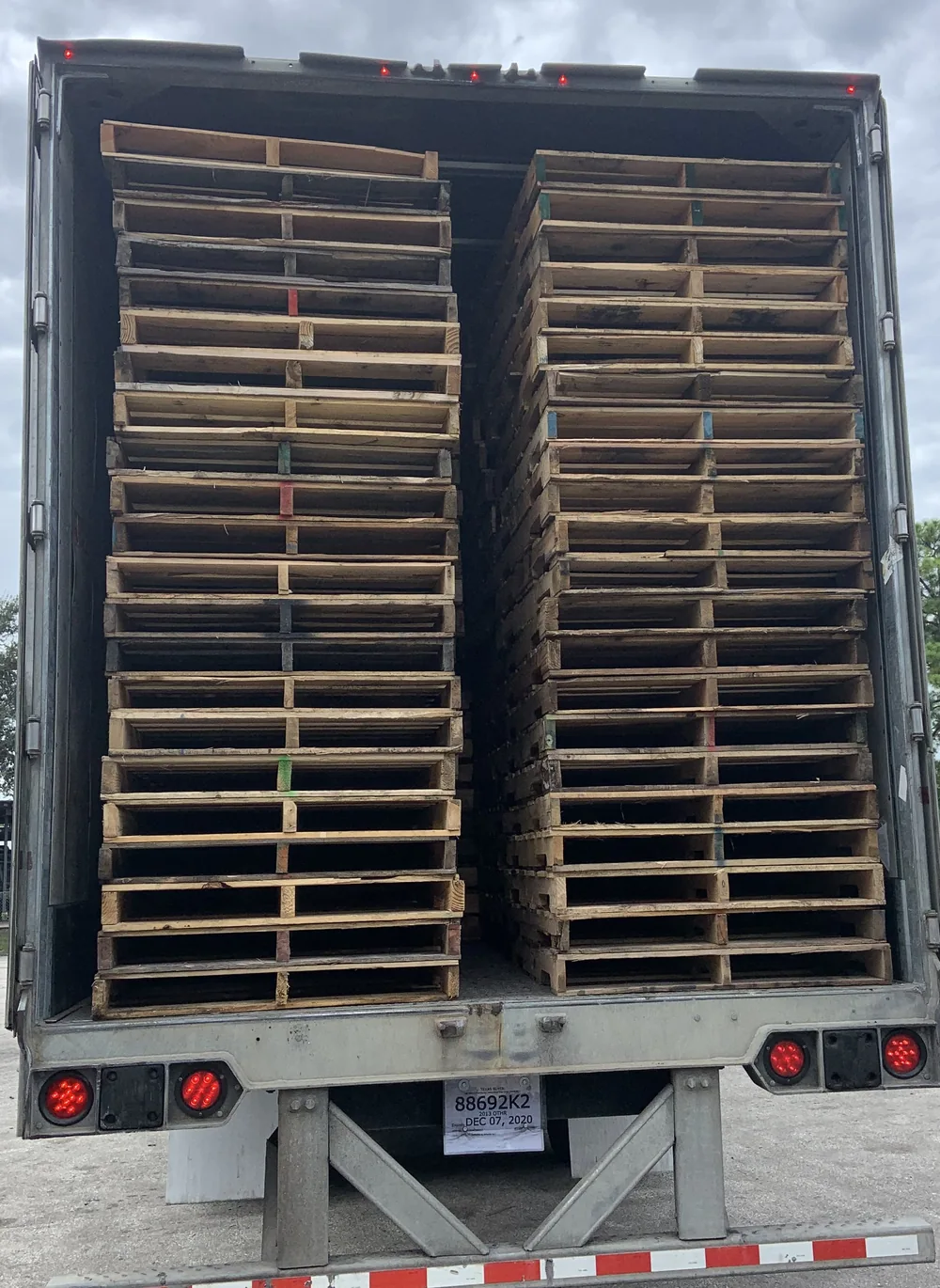
Pallet Specifications for Coffee & Tea
Coffee & Tea operations have specific pallet requirements driven by load profile, hygiene needs, regulatory framework, and supply chain logistics. Per NWPCA industry guidance, the dominant pallet for coffee & tea operations is the 48x40 GMA stringer pallet, with specifications validated under ASTM D1185 structural testing protocols.
Regulatory Framework for Coffee & Tea Pallets
Coffee & Tea pallets are subject to federal and industry-specific regulations. Where applicable, the FSMA governs sanitation requirements, the IPPC ISPM-15 standard governs export, and the OSHA 29 CFR 1910 governs workplace pallet handling. Industry-specific overlays often impose additional requirements documented by sector trade associations.
Coffee & Tea Pallet Procurement Best Practices
Effective coffee & tea pallet procurement requires alignment between operations, quality, regulatory, and finance functions. Best practices include: standing-order programs for predictable volume, multi-grade inventory specifications (new + recycled mixed), audit-ready documentation requirements, and contractual specifications referencing ASTM D1185 performance criteria.
Coffee & Tea Supply Chain and Logistics
Coffee & Tea pallet logistics are shaped by the underlying product's transportation requirements - reefer, dry van, flatbed, or specialized equipment. Per Material Handling Institute research, the choice of pallet specification can affect trailer cube efficiency by 5-12% and damage rates by 8-22%, making pallet selection a meaningful driver of total landed cost.
Common Coffee & Tea Pallet Issues
Industry-specific issues that recur in coffee & tea pallet operations include: receiving damage from improper jacking, racking incompatibility with selective racking systems, ergonomic strain from manual pallet handling (per NIOSH lifting equation), and documentation gaps that surface during audit.
United States Pallets Programs for Coffee & Tea
United States Pallets serves coffee & tea customers nationwide with industry-tuned pallet programs. Programs include: standing-order schedules tied to production cadence, multi-grade specifications matched to product needs, audit-ready documentation packets electronic before each load, and dedicated dispatch coordinators for the first three loads of every new coffee & tea account.
Authoritative References
- National Wooden Pallet & Container Association (NWPCA): the US trade association representing wood pallet manufacturers, recyclers, and component producers, founded in 1947.
- ASTM International (ASTM): the global standards body that publishes ASTM D1185 (Standard Test Methods for Pallets and Related Structures Employed in Materials Handling and Shipping).
- Material Handling Institute (MHI): the largest US trade association for material handling, logistics, and supply chain technologies.
- FDA Food Safety Modernization Act (FSMA): the federal food safety law that governs pallet sanitation, traceability, and the Sanitary Transportation of Human and Animal Food rule.
- Occupational Safety and Health Administration (OSHA): the US federal agency whose 29 CFR 1910 standards govern warehouse pallet handling and storage.
- International Plant Protection Convention (IPPC): the United Nations body that maintains the ISPM-15 international wood packaging standard.