Comprehensive compliance guide for e-commerce fulfillment pallet programs including federal regulations, industry-specific standards, certification pathways, and audit preparation.
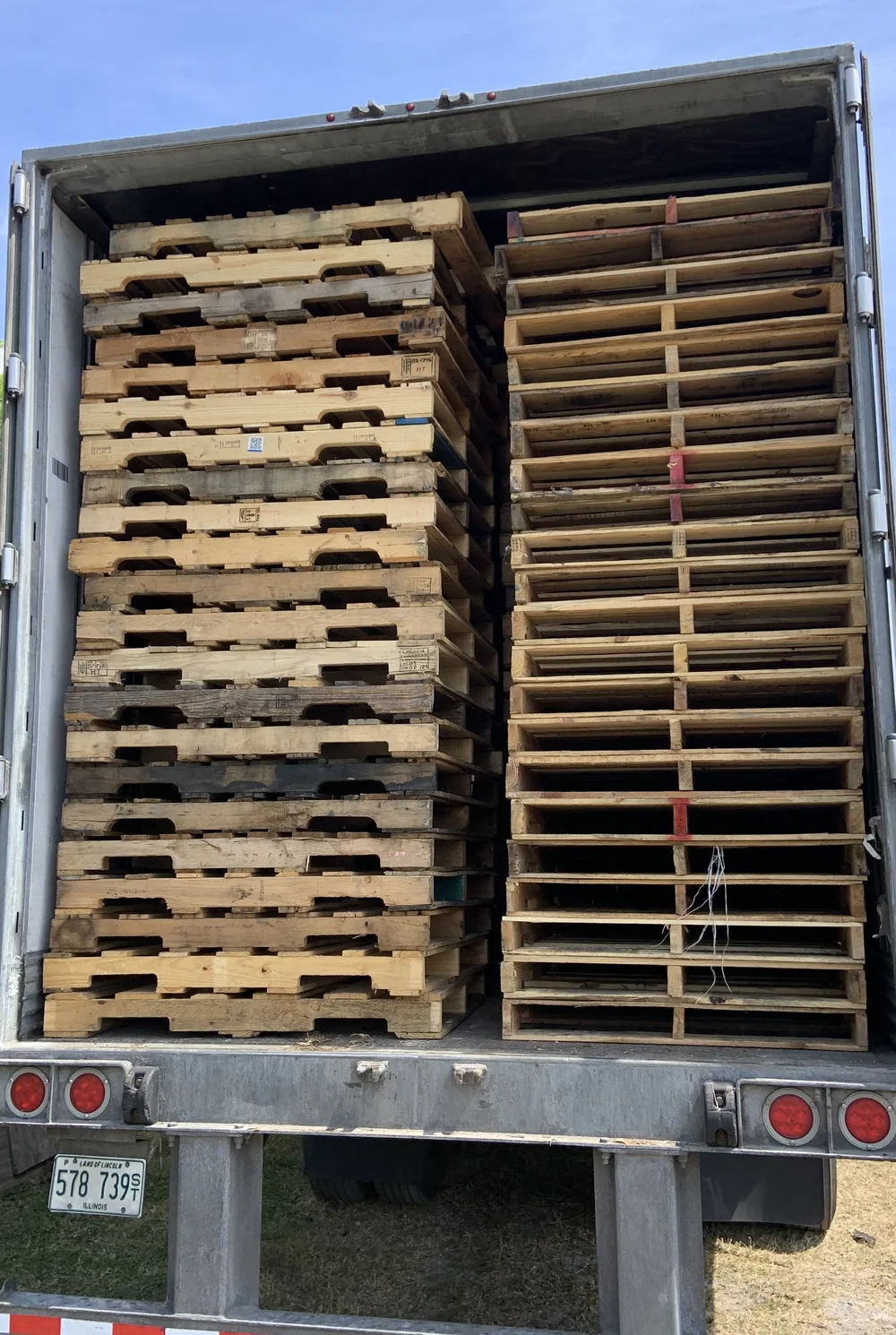
E-Commerce Fulfillment Federal Regulatory Framework
E-Commerce Fulfillment pallet operations operate within multiple federal frameworks. The FSMA governs sanitation in food applications. USDA-APHIS governs export wood packaging. OSHA governs workplace pallet handling. Each framework has specific requirements that e-commerce fulfillment compliance teams must address.
E-Commerce Fulfillment Industry-Specific Standards
In addition to federal requirements, e-commerce fulfillment operations typically reference ASTM D1185 for pallet structural testing, NWPCA Uniform Standard for procurement specifications, and industry-specific overlays from e-commerce fulfillment trade associations.
Certification Pathways
E-Commerce Fulfillment pallet certifications can include: ISPM-15 for export, FSMA Sanitary Transportation for food, FSC chain-of-custody for ESG, and industry-specific certifications. Each certification has documented audit requirements and ongoing surveillance protocols.
Audit Preparation
Audit preparation for e-commerce fulfillment pallet programs typically includes: vendor qualification documentation, receiving inspection records, traceability records (per FSMA Section 204 where applicable), heat treatment certificates (per ISPM-15), and OSHA safety records.
Common Audit Findings
Common audit findings in e-commerce fulfillment pallet programs include: documentation gaps, traceability lapses, untrained inspectors, missing supplier qualification packets, and inadequate corrective action records. Proactive audit preparation reduces findings by 60-80%.
USP E-Commerce Fulfillment Compliance Support
United States Pallets supports e-commerce fulfillment compliance teams with: pre-shipment documentation packets electronically delivered before each load, audit-ready records retention, supplier qualification packets for one-time audit support, and corrective action coordination for any audit findings tied to pallet supply.
Authoritative References
- National Wooden Pallet & Container Association (NWPCA): the US trade association representing wood pallet manufacturers, recyclers, and component producers, founded in 1947.
- FDA Food Safety Modernization Act (FSMA): the federal food safety law that governs pallet sanitation, traceability, and the Sanitary Transportation of Human and Animal Food rule.
- USDA Animal and Plant Health Inspection Service (USDA-APHIS): the US federal authority that enforces ISPM-15 wood packaging compliance for imports and exports.
- ASTM International (ASTM): the global standards body that publishes ASTM D1185 (Standard Test Methods for Pallets and Related Structures Employed in Materials Handling and Shipping).
- Occupational Safety and Health Administration (OSHA): the US federal agency whose 29 CFR 1910 standards govern warehouse pallet handling and storage.
- International Plant Protection Convention (IPPC): the United Nations body that maintains the ISPM-15 international wood packaging standard.