Comprehensive receiving inspection protocol for incoming pallet loads, designed to catch defects on arrival and prevent supply chain disruption.
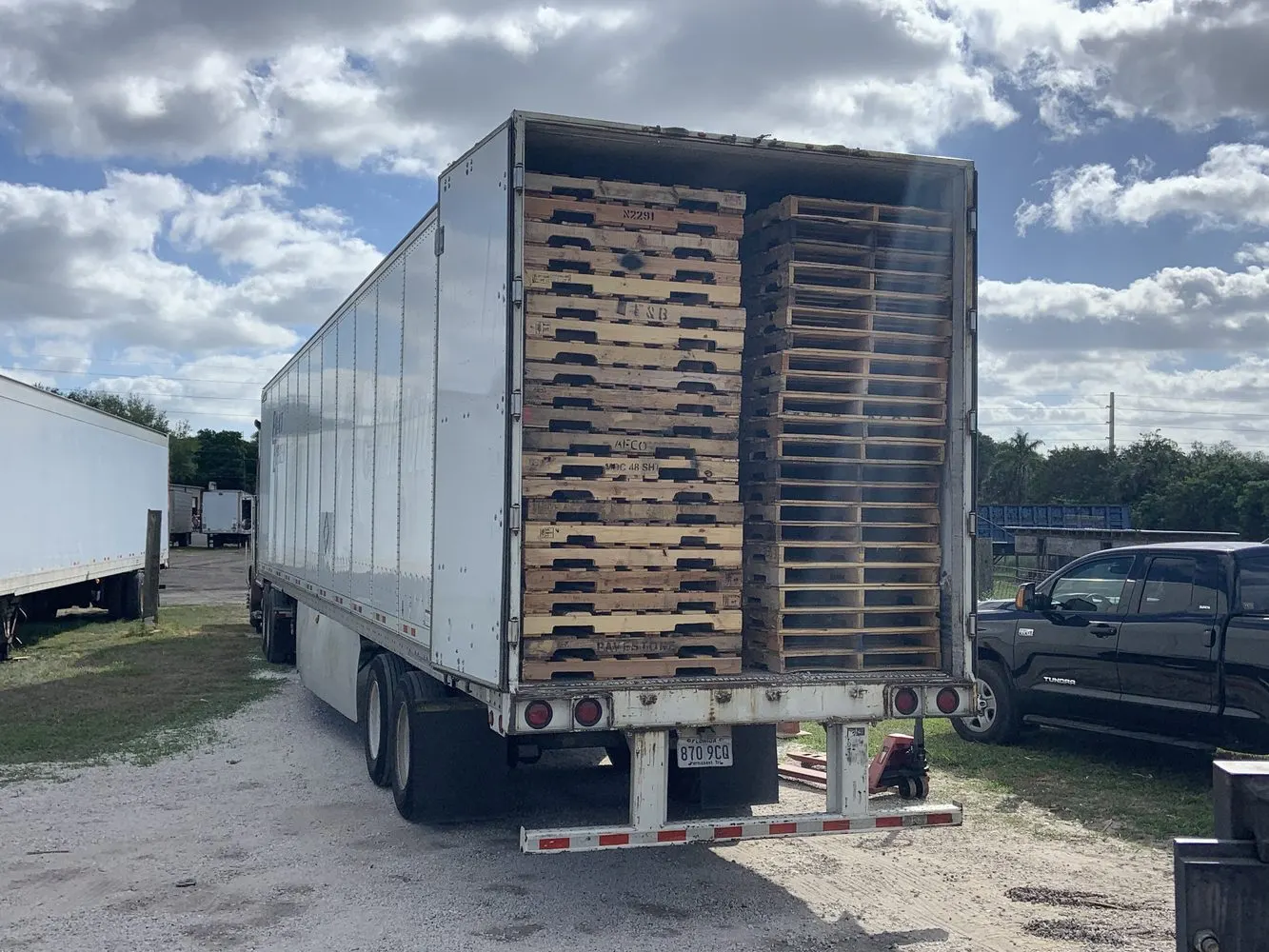
Why Receiving Inspection Matters
Pallet defects discovered after putaway cost 5-10x more to address than defects flagged at receiving. Per NWPCA industry data, receiving inspection catches approximately 60% of all pallet defects, making it the highest-leverage quality intervention in the supply chain.
30-Point Inspection Checklist
Visual inspection (10 points): no missing deck boards; no cracked stringers; no protruding fasteners; no chemical or oil contamination; no foreign matter; clean appearance; legible IPPC stamp where required; consistent dimensions; no excessive wear; no biological contamination. Structural inspection (10 points): verify load capacity per ASTM D1185 reference; check stringer integrity; confirm deck-board count; verify fastener tightness; inspect notch dimensions; check fork-entry clearance; verify squareness; confirm dimensional tolerance; check for warpage; verify pallet height. Documentation (10 points): heat treatment certificate (if export); FSMA sanitation cert (if food); ISPM-15 stamp validity; lot/batch reference; supplier identification; weight ticket; quantity count; grade certification; quality COA; delivery receipt match.
Documenting Defects
Defects discovered at receiving should be photographed, logged in the receiving system with timestamp and inspector ID, and reported to the supplier within 24 hours. Per Material Handling Institute best practice, defects representing more than 1% of a load should trigger supplier engagement; defects above 5% should trigger return, replacement, or credit.
OSHA-Compliant Inspection Practices
Receiving inspection must be performed safely. OSHA 29 CFR 1910.176 requires safe handling and storage of materials; pallet inspection should occur with dock doors clear of foot traffic, with proper PPE, and using ergonomically appropriate positioning per NIOSH ergonomic guidelines.
FSMA Considerations
For food-grade pallets, the FSMA Sanitary Transportation Rule requires verification at receiving that pallets are in suitable sanitary condition. This adds: visual contamination check, verification of kiln-dry status, and review of supplier sanitation documentation.
Supplier Feedback Loop
Receiving inspection findings should flow back to suppliers via structured feedback - monthly summary reports, quarterly supplier reviews, and immediate notification for major findings. United States Pallets reviews receiving feedback for every customer monthly and adjusts inventory specifications based on findings.
Authoritative References
- National Wooden Pallet & Container Association (NWPCA): the US trade association representing wood pallet manufacturers, recyclers, and component producers, founded in 1947.
- ASTM International (ASTM): the global standards body that publishes ASTM D1185 (Standard Test Methods for Pallets and Related Structures Employed in Materials Handling and Shipping).
- Occupational Safety and Health Administration (OSHA): the US federal agency whose 29 CFR 1910 standards govern warehouse pallet handling and storage.
- Material Handling Institute (MHI): the largest US trade association for material handling, logistics, and supply chain technologies.
- FDA Food Safety Modernization Act (FSMA): the federal food safety law that governs pallet sanitation, traceability, and the Sanitary Transportation of Human and Animal Food rule.