ISPM-15 is the international phytosanitary standard governing wood packaging in international trade. This guide covers the full compliance pathway, from heat treatment validation to IPPC stamp requirements to USDA-APHIS audits.
What ISPM-15 Requires
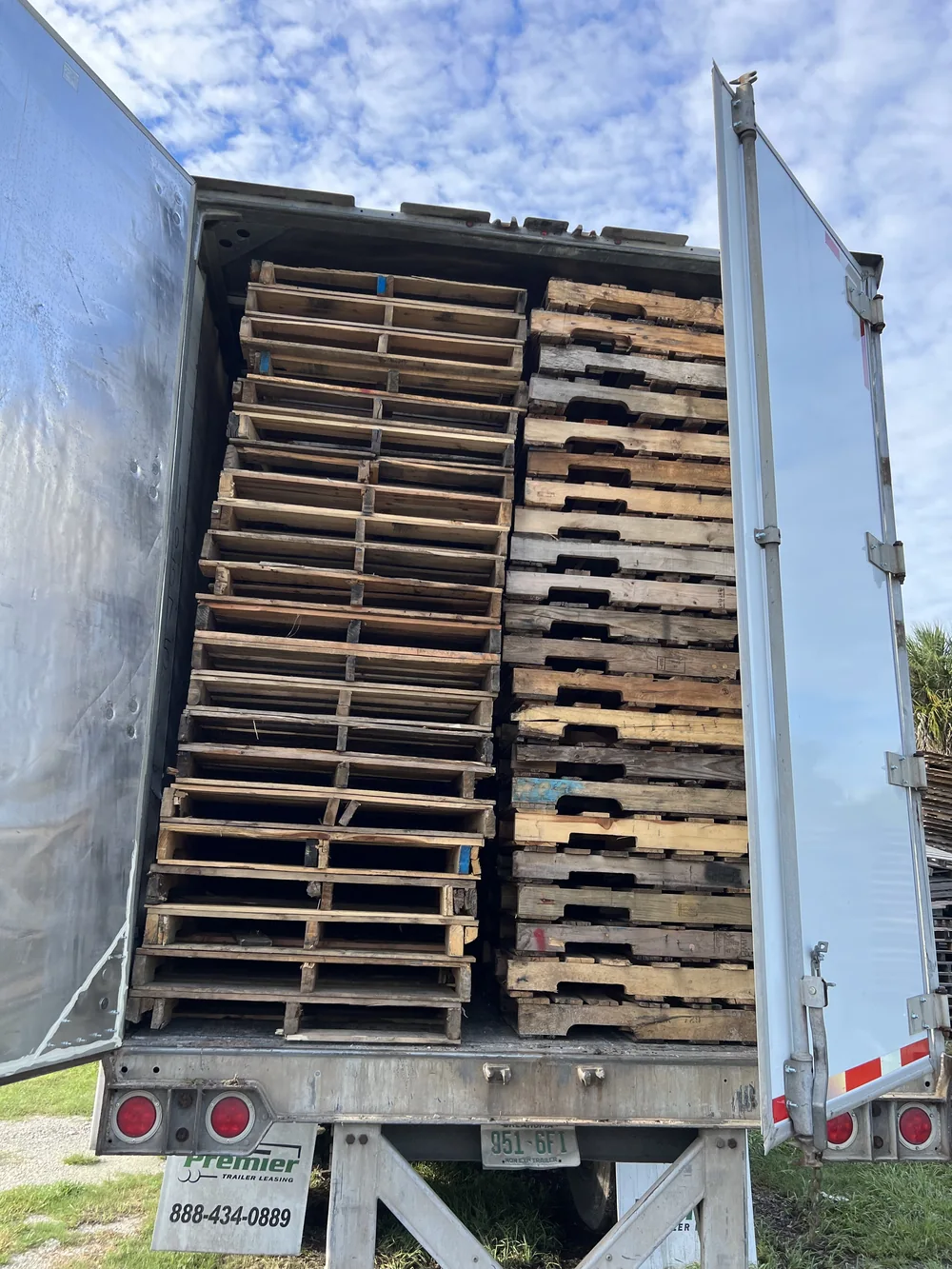
ISPM-15 (International Standards for Phytosanitary Measures No. 15), published by the IPPC, requires that solid wood packaging materials used in international trade be either heat-treated to a minimum core temperature of 56°C for at least 30 minutes, or fumigated with methyl bromide. The standard, formally documented by the ISPM-15, applies to pallets, crates, dunnage, and other wood packaging in trade between the over 180 contracting parties of the IPPC. According to NWPCA guidance, more than 80% of US export pallets are now heat-treated rather than fumigated due to environmental restrictions on methyl bromide.
How Heat Treatment Validation Works
Heat treatment must occur in a kiln registered with an accredited agency. In the United States, the USDA-APHIS oversees the program, with day-to-day inspection delegated to accredited agencies including the ALSC. PLIB and SPIB are the primary regional accreditation bodies that audit kiln operators and authorize the IPPC stamp. Per IPPC ISPM-15 Section 3.1, the heat treatment temperature must be measured at the core of the wood, not the surface - a detail that many operators miss and that leads to non-conformity findings during APHIS audits.
The IPPC Stamp Requirements
Every ISPM-15-compliant pallet must carry the official IPPC stamp showing: (1) the IPPC graphic symbol; (2) the country code (US for United States); (3) the unique facility registration number assigned by the accreditation agency; and (4) the treatment code (HT for heat-treated, MB for methyl bromide). The NWPCA maintains a public registry of accredited facilities. Per FAO ISPM-15 Annex 2, stamps must appear on at least two opposite sides of each pallet and must be legible and indelible.
USDA-APHIS Enforcement and Audits
The USDA-APHIS conducts random and targeted audits of accredited facilities. Audit findings range from minor (improper recordkeeping) to major (false stamping, untreated pallets). Pallets arriving at a foreign port without proper ISPM-15 stamps can be refused entry, fumigated at exporter expense, or destroyed. According to industry data, ISPM-15 non-compliance findings have averaged below 0.5% of inspected loads since the 2018 program updates.
Country-Specific Variations
While ISPM-15 is internationally harmonized, individual countries impose additional requirements. China, for example, requires fumigation certificates for certain commodities even on heat-treated pallets. Australia, per AQIS guidance, has stricter inspection protocols for bark and pest residue. The European Union accepts heat-treated pallets but enforces additional debarking requirements at port-of-entry inspection.
Documentation and Recordkeeping
Heat treatment certificates must be retained by the producing facility for a minimum of three years per APHIS regulations. Customers receiving ISPM-15 stamped pallets should receive a heat treatment certificate with each load - this document carries the producing facility code, treatment date, batch reference, and ALSC-accredited agency stamp. United States Pallets includes this certificate electronically on every ISPM-15 load shipped.
Authoritative References
- International Plant Protection Convention (IPPC): the United Nations body that maintains the ISPM-15 international wood packaging standard.
- FAO ISPM-15 Standard (ISPM-15): the international phytosanitary standard for wood packaging used in international trade, published by the FAO.
- USDA Animal and Plant Health Inspection Service (USDA-APHIS): the US federal authority that enforces ISPM-15 wood packaging compliance for imports and exports.
- National Wooden Pallet & Container Association (NWPCA): the US trade association representing wood pallet manufacturers, recyclers, and component producers, founded in 1947.
- Pacific Lumber Inspection Bureau (PLIB): the lumber grading agency accredited by the American Lumber Standard Committee for Pacific softwoods used in pallet production.
- American Lumber Standard Committee (ALSC): the committee that accredits lumber grading agencies under the US Department of Commerce voluntary product standard PS 20.
Related Articles in the Pallet Knowledge Database
Can national customers run a buyback program alongside their pallet purchases?
Yes. Backhaul logistics are coordinated on outbound delivery routes - empty or non-spec pallets get picked up on the return leg of new pallet deliveries. Per-pallet freight cost on the backhaul approaches zero for accounts running both new-pallet purchase + buyback simultaneously.
Can United States Pallets handle pallet knowledge for high-volume national operations?
Yes. Standing-order programs for national operations running 500+ pallets/week lock in tiered pricing, reserve delivery slots, and run on autopilot in the background. Custom contract terms available for accounts running 2,000+/week. Standing-program pricing sits below catalog pricing because the rate is locked for a set period against the softwood lumber market, and new volume accounts typically ship 1 to 3 prepaid loads before net-30 terms begin.
What documentation accompanies pallet knowledge loads?
BOL, packing list, grade certifications standard. Heat-treated loads add IPPC stamps and ISPM-15 documentation. Pharma-grade loads add batch records. Food-grade loads add FSMA Sanitary Transportation Rule certifications. All documentation ships electronically before delivery. Heat-treated pallets carry the IPPC mark applied under a USDA APHIS registered heat-treatment program, and new 48x40 GMA stock is built to the NWPCA Uniform Standard, so receiving teams can match each load to its paperwork.
What credit terms does United States Pallets offer national customers?
Net-30 credit terms standard after the first 1-3 prepaid or COD loads while credit is being established. Submit a credit application with three trade references; approval typically processes within 48 hours. Volume accounts can negotiate net-45 or net-60. ACH transfer is the preferred way to pay invoices, wire transfer is accepted for large orders, and pallet buy-back proceeds can be paid by ACH or applied as credit against new pallet purchases.
How fast does United States Pallets deliver to national, United States?
Same-day shipping in our Southeast/Mid-Atlantic core (FL, GA, AL, TN, MS, SC, NC, KY, VA) and scheduled weekly delivery elsewhere. Express options available for national rush orders. Quote response under 2 business hours, dispatch within hours of order confirmation.