2026 industry-typical pricing for new GMA, recycled, ISPM-15, block, and food-grade pallets across all 50 states.
National Pallet Price Benchmark (as of July 2026)
As of July 2026, the national benchmark for a Grade A 48x40 pallet sits near $9.04, the Q1 2026 average across 396 verified US suppliers, with a $7.91 median and a state range of $4.62 (Michigan) to $24.00 (Rhode Island). That is up about 54 percent since 2023. The USP spot ranges below track this benchmark, adjusted for grade, volume, and delivery lane.
| Pallet | Typical price (per unit) | Basis |
|---|---|---|
| Recycled Grade A 48x40 | $7-11 (USP spot) | $9.04 national avg / $7.91 median, Q1 2026 index |
| New GMA 48x40 | $11-18 (USP spot) | New softwood build, reflects lumber index |
| Recycled vs new | 30-60% below new | Grade and repair condition dependent |
Driver note: softwood lumber traded near $615 per thousand board feet in early July 2026, easing from a late-June high. A 10 percent Section 232 tariff on softwood has been in force since October 2025, with an additional 10 percent taking effect in August 2026; pallet-grade lumber is not yet specifically tariffed, but the Commerce Department review due October 1, 2026 could extend it. Firm new-build lumber keeps recycled 48x40 stock the value play for volume buyers. Figures are market ranges as of July 2026, not quotes.
Sources: 2026 Used Pallet Pricing Report (usedpalletrecycling.com, Q1 2026, 396 suppliers); TradingEconomics / US Section 232 tariff notices, July 2026.
Recycled 48x40 Pallet Prices by US Region (as of July 2026)
Pallet pricing is regional because pallets do not ship economically over long distances. The bands below describe typical recycled Grade A 48x40 pricing by region, derived from the Q1 2026 national index ($9.04 average, $7.91 median across 396 verified US suppliers) and the observed state spread of $4.62 (Michigan, national floor) to $24.00 (Rhode Island, national high). They are directional market bands, not firm quotes; ask for a lane-specific number.
| Region | Recycled Grade A 48x40 | vs. national avg | Why |
|---|---|---|---|
| Northeast (ME to PA/NJ) | $9-16 (RI outlier to $24) | above (highest) | Dense demand, freight-constrained supply; Rhode Island is the national high |
| West / Pacific (CA, WA, OR, NV, AZ) | $9-14 | above | California port and distribution demand, long inbound lumber lanes |
| Midwest (OH, MI, IN, IL, WI, MN, IA, MO) | $5-9 | below (lowest) | Deep recycling supply in the manufacturing core; Michigan is the national floor |
| Southeast (FL, GA, NC, SC, TN, AL) | $6-10 | near median | Fast-growing distribution demand tracking the national median |
| South-Central (TX, OK, LA, AR, KS) | $6-11 | near median | Large freight lanes with oil, ag, and border-trade swing |
Read the bands as recycled Grade A 48x40; new GMA runs $11-18 and lower grades (B, core, broken) run below these ranges. For the national methodology and monthly index, see the USP Pallet Price Index. Figures are directional market bands as of July 2026, derived from the cited national index and state spread, not firm quotes.
Pallet Price Trend, 2021 to 2026
Are pallet prices going up or down? Recycled Grade A 48x40 prices peaked during the 2021 to 2022 lumber shortage, then corrected as softwood lumber normalized. In 2026 they sit roughly 30 percent below the peak. The table tracks the directional national average by year:
| Year | Recycled Grade A 48x40 (national avg) | vs. 2022 peak | Market condition |
|---|---|---|---|
| 2021 | $11-15 | rising | Lumber shortage and supply-chain disruption drive prices up |
| 2022 | $13-18 | cycle peak | Softwood lumber and pallet demand at record highs |
| 2023 | $10-14 | about 20% below | Lumber prices ease, recycled supply recovers |
| 2024 | $8-12 | about 30% below | Market normalizes; core and recycling volumes rebuild |
| 2025 | $7-11 | about 35% below | Stable lumber market; steady recycled availability |
| 2026 | $7-11 (avg near $9) | about 30-35% below | Stable; a favorable window for pallet procurement |
Directional national averages for recycled Grade A 48x40, derived from the published softwood-lumber cycle and the USP 2026 national index (Grade A average near $9), not firm quotes. As of July 2026.
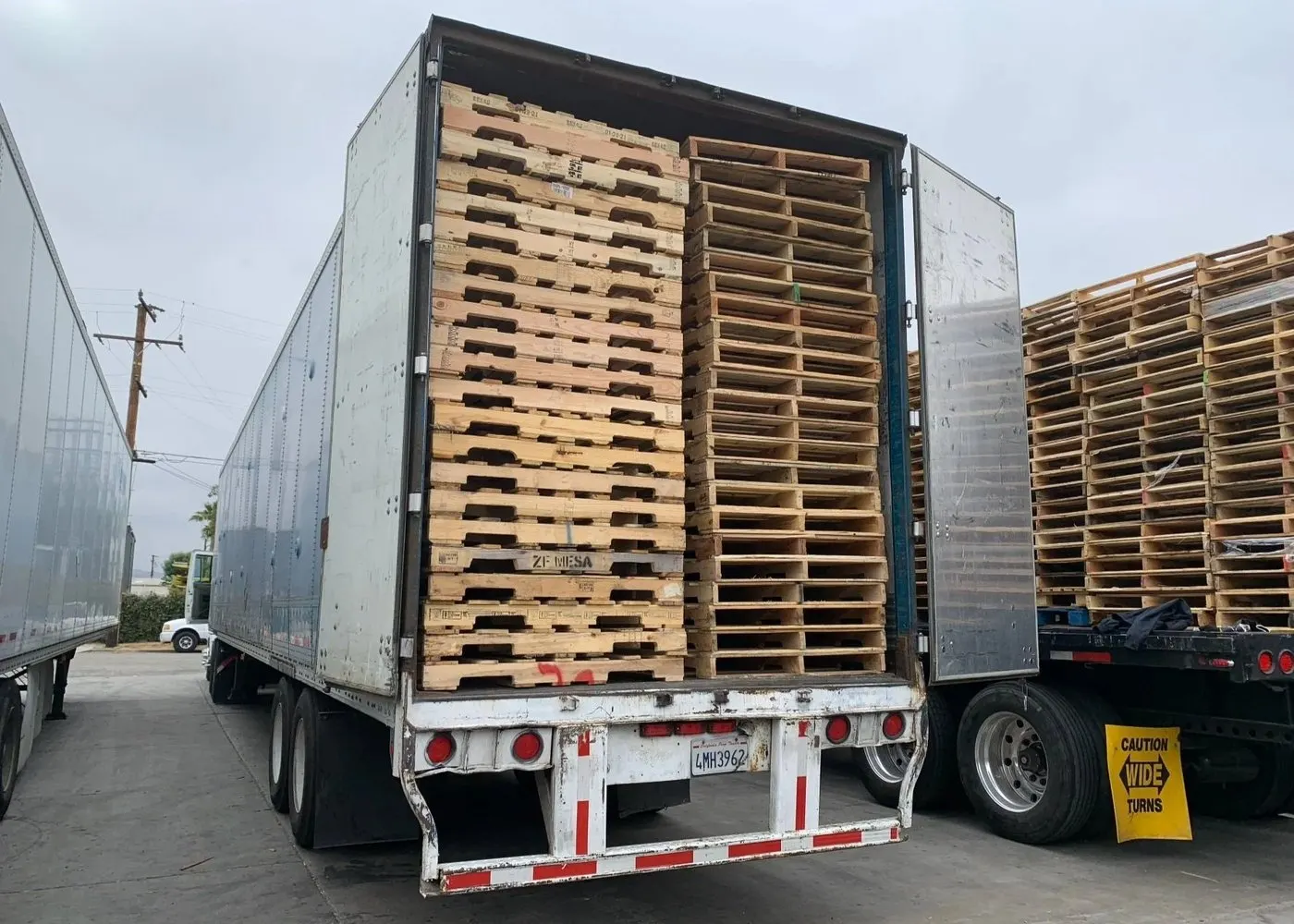
By Pallet Type
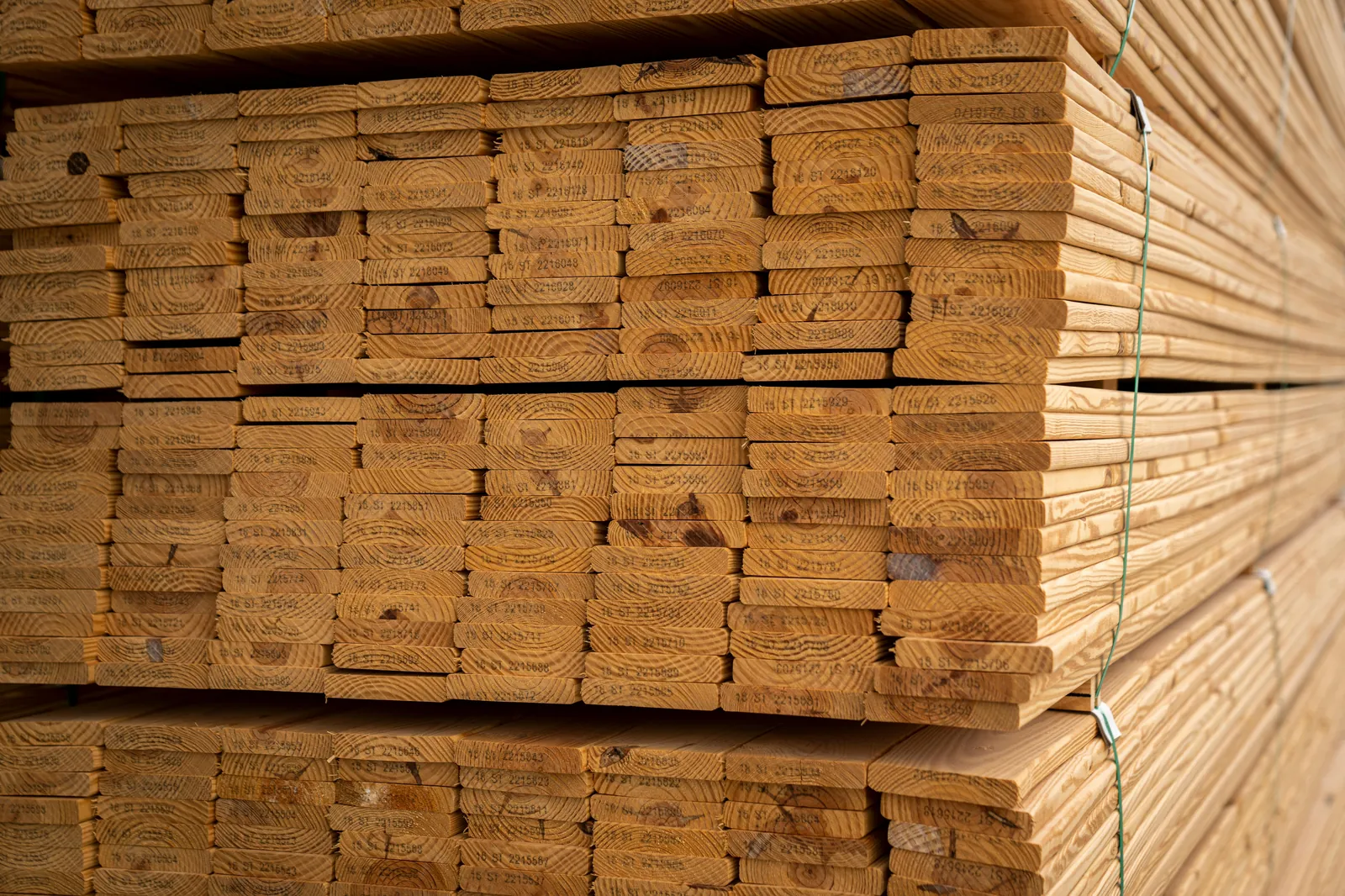
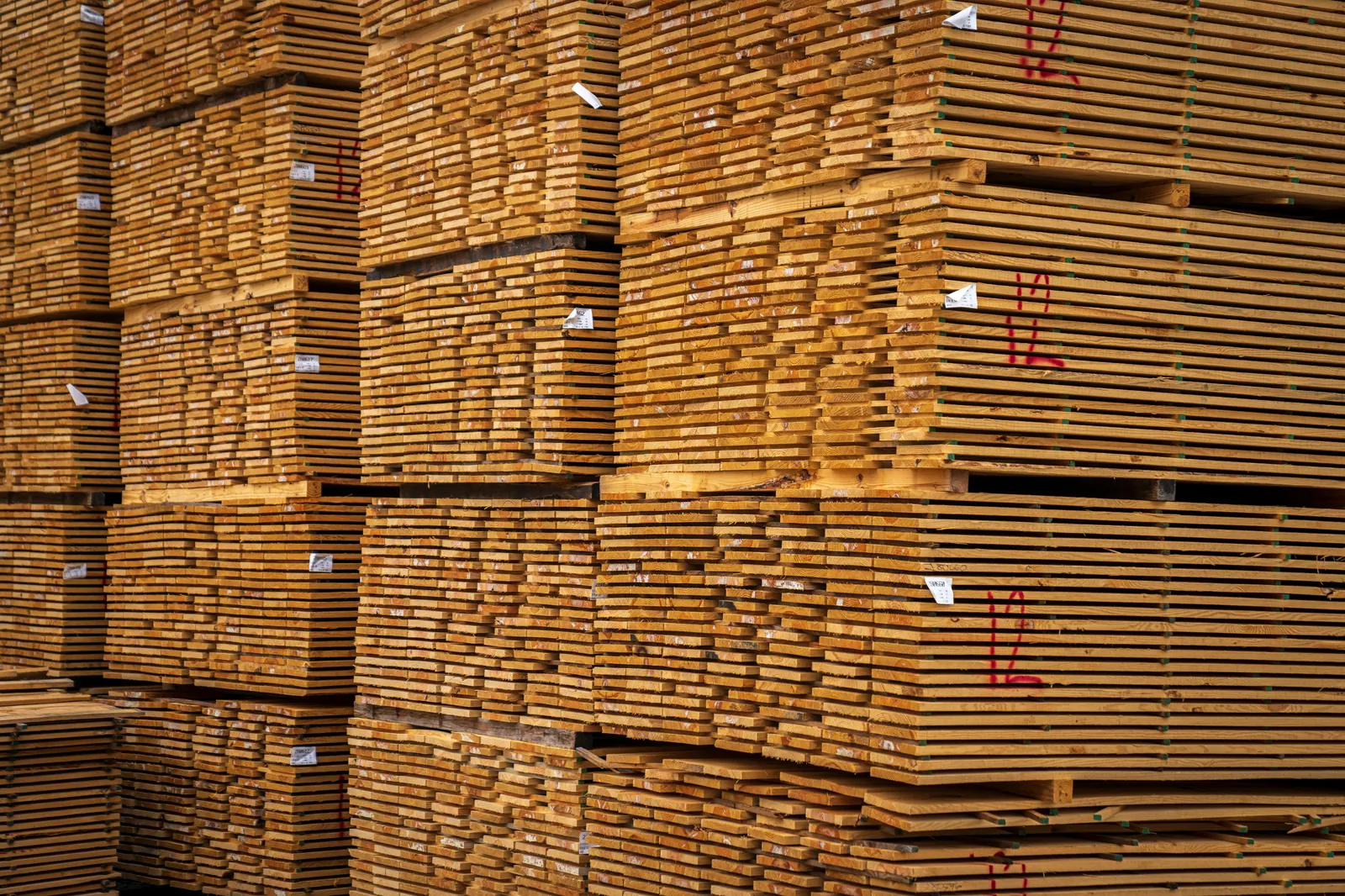
Pallet Lumber & Sawmill Operations
Stamped kiln-dried pallet lumber, bulk warehouse stock, dimensional yard inventory, raw softwood logs, and sawmill operations - the supply chain behind every custom and standard pallet we ship.



- New GMA 48x40 Pallet - typical range $11-18
- Recycled Grade A Pallet - typical range $7-11
- ISPM-15 Heat-Treated Export Pallet - typical range $12-22
- Block Pallet (4-Way Entry) - typical range $18-28
- FDA Food-Grade Pallet - typical range $13-22
By State (50 states x 5 types = 250 pricing references)
Each state-and-type combination gives a 2026 spot pricing range, volume-tier discounts, and state-specific pricing drivers.
- Alaska
- Alabama
- Arkansas
- Arizona
- California
- Colorado
- Connecticut
- Delaware
- Florida
- Georgia
- Hawaii
- Iowa
- Idaho
- Illinois
- Indiana
- Kansas
- Kentucky
- Louisiana
- Massachusetts
- Maryland
- Maine
- Michigan
- Minnesota
- Missouri
- Mississippi
- Montana
- North Carolina
- North Dakota
- Nebraska
- New Hampshire
- New Jersey
- New Mexico
- Nevada
- New York
- Ohio
- Oklahoma
- Oregon
- Pennsylvania
- Rhode Island
- South Carolina
- South Dakota
- Tennessee
- Texas
- Utah
- Virginia
- Vermont
- Washington
- Wisconsin
- West Virginia
- Wyoming
What a Pallet Price Does and Does Not Include
Every number on this page is the pallet. A quote is the pallet plus a delivery structure, and the structure is where two quotes carrying the same per-unit figure stop being comparable. The table above has a column headed Basis, but that basis is the data basis, which index the figure came from. What follows is the commercial basis: the eight things that have to match before two per-unit numbers can be set side by side and read as the same measurement.
None of these is unusual or awkward to ask for, and all eight can be settled in one email before you compare anything. The order below is roughly the order in which each one changes the landed number.
| Term | What varies | What to ask for | Why it changes the comparison |
|---|---|---|---|
| Price basis: origin or delivered | Whether the number is the pallet at the seller's yard or the pallet on your dock. | Ask for it stated explicitly, in those words, on both quotes. | This is the single largest reason two quotes with the same per-unit number are not the same quote. On a full truckload the freight leg is a material share of landed cost, and it sits entirely inside one of those two numbers and entirely outside the other. |
| Who arranges the freight | Seller-arranged, buyer-arranged, or buyer's carrier on a collect basis. | Ask who books it and whose account number moves the load. | A seller-arranged load buys you one invoice and one party to chase. A buyer-arranged load usually costs less and makes every delay yours to solve. Neither is wrong; comparing one against the other without saying which is. |
| Fuel and whether it floats | A fixed all-in delivered rate, or a base rate plus a fuel component that moves with an index. | Ask whether the rate is fixed for the quoted term and, if not, what index moves it. | A floating component is not a hidden charge, it is a risk allocation. It matters most on standing orders, where the number you compared in month one is not the number you pay in month six. |
| Delivery accessorials | Liftgate, inside delivery, appointment scheduling, and driver wait time beyond the free window. | Ask which are included and what the rest cost, before the first delivery rather than after it. | These are quoted per occurrence, not per pallet, so they distort a per-unit comparison in exactly the wrong direction: they hurt small and frequent orders far more than large infrequent ones. |
| Heat treatment and the ISPM-15 stamp | Whether the pallets carry a legible ISPM-15 heat-treatment mark. | Ask for it by name if any part of the load will cross a border. | Domestic-grade and export-grade stock are different products at different prices. Buying domestic and discovering it at the port is the expensive version of this conversation, and an illegible stamp fails the same way a missing one does. |
| Grade guarantee and the remedy | What the seller does if the delivered load does not match the grade quoted. | Ask what the remedy is: replacement, credit, or collection, and inside what window. | Grade is the biggest driver of the number, so a grade guarantee is the part of a quote that decides whether the number was real. A quote with no stated remedy is a price with no floor under it. |
| Single-size versus mixed, and the sort | Whether the price assumes one size and grade throughout, or a mixed load priced at a blend. | Ask what happens to the rate if the load arrives mixed. For 48x40 specifically, see the 48x40 GMA specification. | Sorted single-size loads are the most liquid product in this market and they price accordingly. A blended rate on a mixed load can beat a headline single-size rate once your own sorting labour is counted, which is a real comparison and worth making deliberately. |
| How long the number is good for | The validity window on the quote. | Ask for it in days, and get it in writing. | Lumber has moved enough through 2026 that a rate quoted last month is not automatically the rate today. An undated quote is not a quote you can compare, because you cannot tell whether you are comparing it to a current number or a stale one. |
This table states no prices and adds none to the figures above. It describes quote structure only, which is stable in a way that prices are not. The per-unit ranges elsewhere on this page remain market ranges as of their stated vintage, not quotes, and the buying desk will state the basis for any of them on request.
Companion Tools
- USP Pallet Price Index (monthly per-pallet benchmark)
- Lumber Index Tracker
- State Pallet Market Index
- 2026 State Pricing Reference (Free PDF)
- How Much Does Kamps Pay for Pallets? (2026 buy-back rates)
- We Buy Pallets - Buy-Back Rates by Grade
How does United States Pallets compare to local pallet suppliers?
Local suppliers offer geographic proximity. United States Pallets offers nationwide sourcing depth, multi-grade inventory, sub-2-business-hour quote response, audit-ready documentation, and standing-order automation that local yards typically don't match.
Buy Pallets - Get Line-Item Pricing
Response under 2 business hours. Same-day shipping in core states, scheduled weekly to all 50.