Buy or sell pallets near Camden, South Carolina ZIP 29020 - new, used, custom, ISPM-15 export, with sub-2-hour quote response.
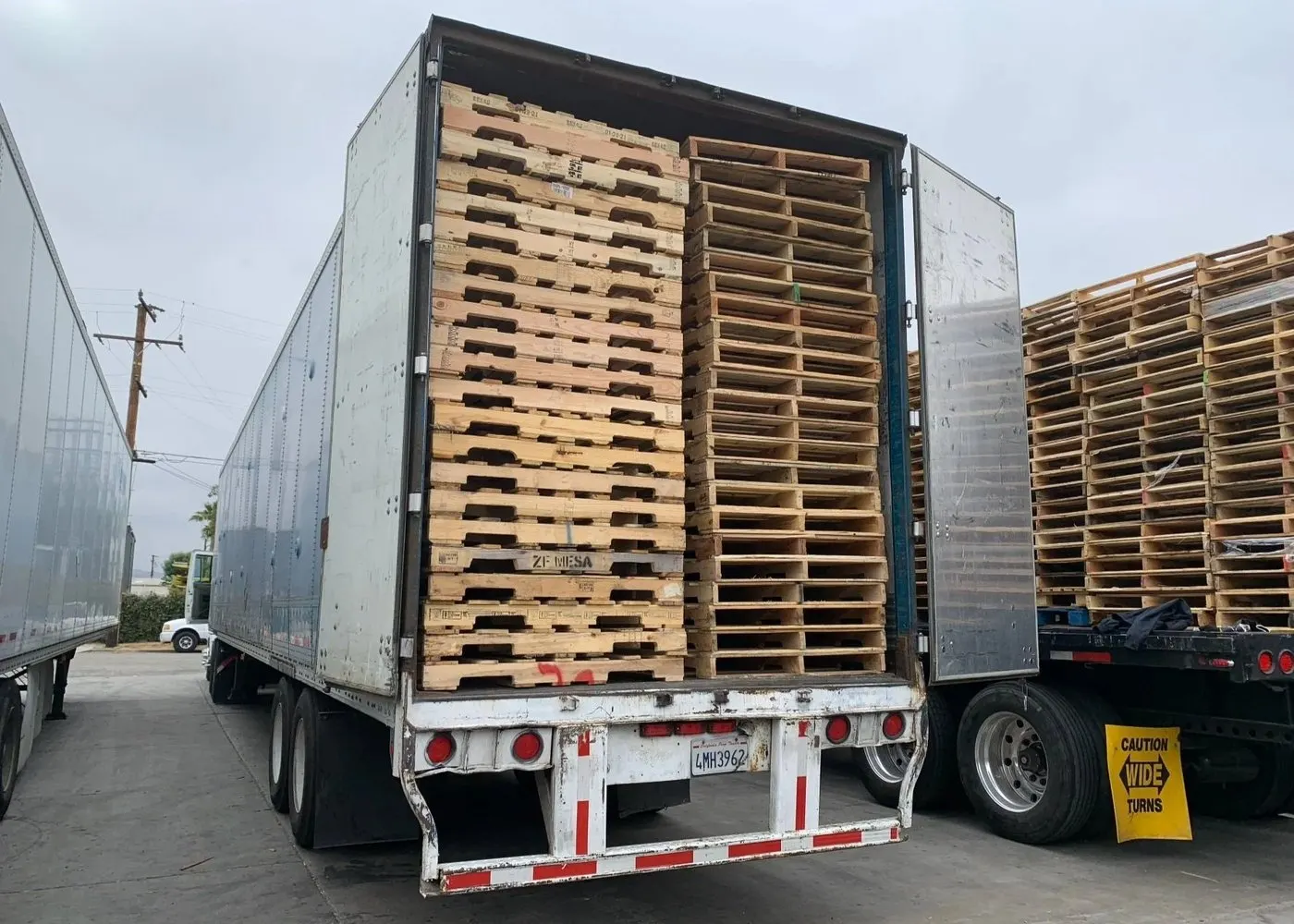
Pallets Near Me in Camden, South Carolina 29020
USP serves Camden, South Carolina (29020, Kershaw County) for both buying and selling pallets. Whether you need new GMA 48x40, used Grade A/B/C, custom-engineered, ISPM-15 export, or wooden crates - or you want to sell used pallets through our buy-back program - USP is your local pallet partner with sub-2-hour quote response and same-week service.
Buy Pallets Near Camden, South Carolina
| Pallet Type | Spot Pricing |
|---|---|
| New GMA 48x40 stringer | $11-18 |
| New GMA 48x40 block | $18-28 |
| Used Grade A | $7-11 |
| Used Grade B | $4-7 |
| Used Grade C | $2-4 |
| Custom engineered | $20-200+ |
| Wooden crates | $50-3,000+ |
| ISPM-15 stamping (add) | +$0.85-1.10 |
Sell Pallets Near Camden, South Carolina
| NWPCA Grade | Buy-Back Rate |
|---|---|
| Grade A | $3-6 per pallet |
| Grade B | $1-3 per pallet |
| Grade C | $0-1 per pallet |
| Scrap | Free pickup |
Camden, South Carolina Service Area
- Sub-2-hour quote response during business hours (8am-6pm local)
- Same/next-day delivery for purchases
- Same-week pickup for buy-back/recycling
- NWPCA Uniform Standard grading per shipment
- Audit-ready documentation per FSMA, ISPM-15, GDP, OSHA
- Coverage: Camden, Kershaw County, all surrounding ZIPs incl. 29020
Companion Pages
- All ZIPs in Camden, South Carolina
- New Pallets Camden 29020
- Used Pallets Camden 29020
- Pallet Buy Back Camden 29020
- Pallet Supplier Camden 29020
What documentation accompanies pallets near me loads?
BOL, packing list, grade certifications standard. Heat-treated loads add IPPC stamps and ISPM-15 documentation. Pharma-grade loads add batch records. Food-grade loads add FSMA Sanitary Transportation Rule certifications. All documentation ships electronically before delivery.
What's the minimum order quantity for pallets near me?
50 pallets per order minimum on buy-side. Sell-side (buyback) minimum is 250 pallets per single-size load. Volume tiers kick in automatically as cumulative monthly volume increases - 500+/week accounts qualify for standing-order programs with reserved delivery slots.
What credit terms does United States Pallets offer Camden customers?
Net-30 credit terms standard after the first 1-3 prepaid or COD loads while credit is being established. Submit a credit application with three trade references; approval typically processes within 48 hours. Volume accounts can negotiate net-45 or net-60.
Can United States Pallets handle pallets near me for high-volume Camden operations?
Yes. Standing-order programs for Camden operations running 500+ pallets/week lock in tiered pricing, reserve delivery slots, and run on autopilot in the background. Custom contract terms available for accounts running 2,000+/week.
Can Camden customers run a buyback program alongside their pallet purchases?
Yes. Backhaul logistics are coordinated on outbound delivery routes - empty or non-spec pallets get picked up on the return leg of new pallet deliveries. Per-pallet freight cost on the backhaul approaches zero for accounts running both new-pallet purchase + buyback simultaneously.
Quote: Pallets Near Me Camden, SC 29020
Sub-2-hour response.