How to set up VMI program with pallet supplier for just-in-time delivery.
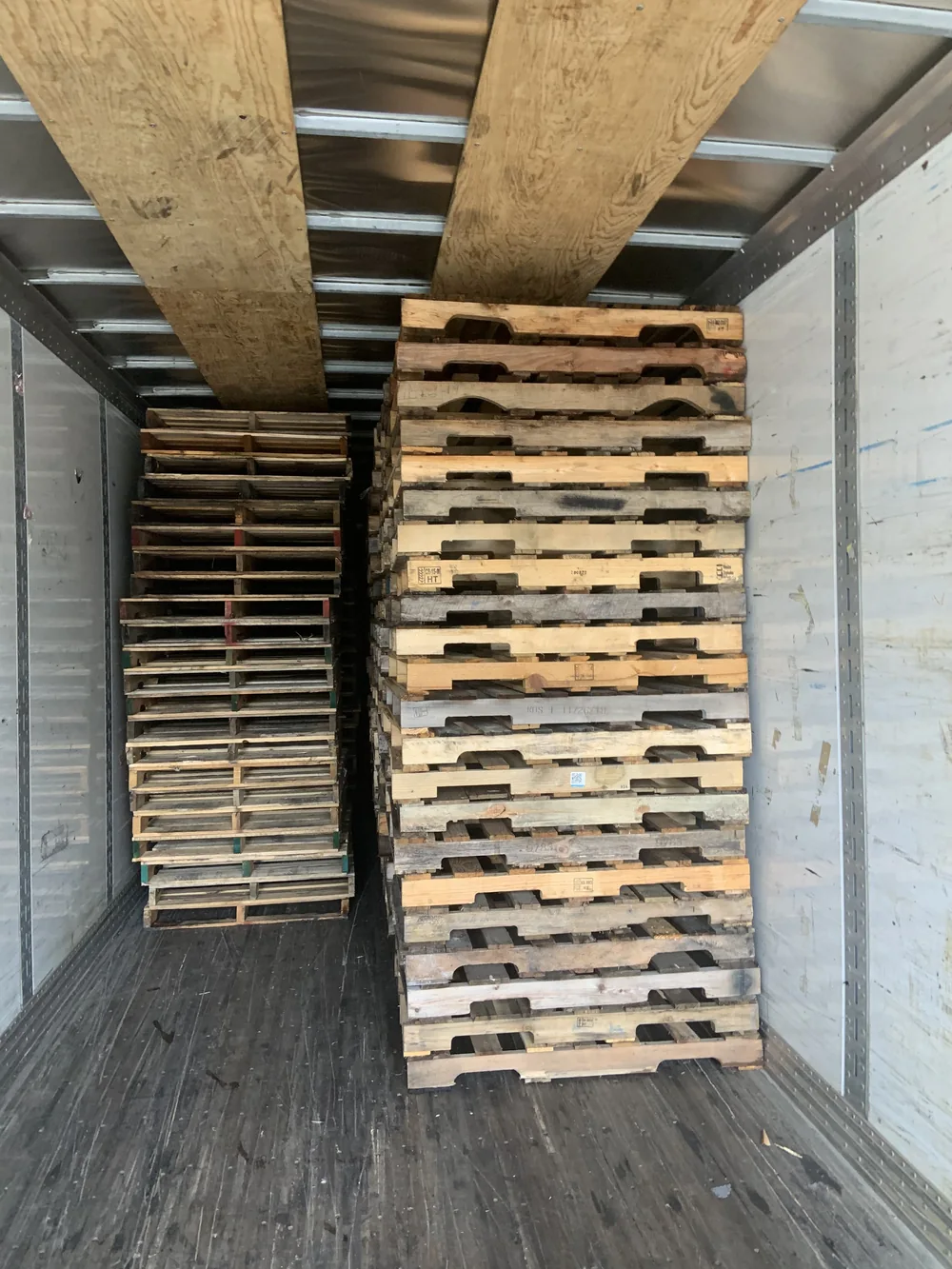
VMI Defined
Vendor-Managed Inventory: supplier owns and manages pallet inventory at customer site, replenishing automatically based on usage data and forecast.
Setup Steps
1. Define usage forecast (monthly volume by SKU). 2. Establish min/max inventory levels. 3. Set up EDI/ERP data feed of consumption. 4. Define replenishment trigger thresholds. 5. Document escalation procedures.
Benefits
Reduced stockout risk, lower carrying cost (supplier owns inventory), improved cash flow, simplified accounting (consumption-based billing).
Risks & Mitigations
Risk: supplier mis-forecasts. Mitigation: dual-vendor backup, manual override authority. Risk: inventory shrinkage. Mitigation: locked storage, audit trail.
Best Practices
Quarterly forecast review, monthly inventory reconciliation, semi-annual KPI review, annual contract review.
Companion Resources
- All Procurement Playbooks
- Best Pallet For Buyer Guides
- USP Pallet Encyclopedia
- ROI Calculator
- Pallet Design Wizard
How does United States Pallets compare to United States-based local pallet suppliers?
Local United States suppliers offer geographic proximity. United States Pallets offers nationwide sourcing depth, multi-grade inventory always in stock, sub-2-business-hour quote response, audit-ready documentation, and standing-order automation that local yards typically don't match.
Can national customers run a buyback program alongside their pallet purchases?
Yes. Backhaul logistics are coordinated on outbound delivery routes - empty or non-spec pallets get picked up on the return leg of new pallet deliveries. Per-pallet freight cost on the backhaul approaches zero for accounts running both new-pallet purchase + buyback simultaneously.
Does United States Pallets supply procurement playbook for export from national?
Yes, with ISPM-15 heat-treated pallets carrying IPPC stamps and full ISPM-15 documentation. Required for international shipments to all WTO member countries. Common for national customers with port access via United States's major export gateways.
Can United States Pallets handle procurement playbook for high-volume national operations?
Yes. Standing-order programs for national operations running 500+ pallets/week lock in tiered pricing, reserve delivery slots, and run on autopilot in the background. Custom contract terms available for accounts running 2,000+/week.
What's the minimum order quantity for procurement playbook?
50 pallets per order minimum on buy-side. Sell-side (buyback) minimum is 250 pallets per single-size load. Volume tiers kick in automatically as cumulative monthly volume increases - 500+/week accounts qualify for standing-order programs with reserved delivery slots.
Quote Request
Sub-2-hour response.