Industry-tuned block pallets - four-way entry for distribution & warehousing buyers across South Dakota.
Get a Price →United States Pallets is the national-network alternative to local South Dakota pallet suppliers for South Dakota-area B2B buyers. Where regional vendors offer geographic proximity, USP offers nationwide sourcing depth, multi-grade always-in-stock inventory, sub-2-hour quote response, and the documentation discipline Block Pallets - Four-Way Entry for Distribution & Warehousing customers need at scale.
Block Pallets - Four-Way Entry for Distribution & Warehousing in South Dakota, South Dakota is foundational infrastructure for any commercial operation moving goods through South Dakota's industrial supply chain. United States Pallets (South Dakota customers reach us at our national dispatch line) provides Block Pallets - Four-Way Entry for Distribution & Warehousing on a 50-pallet minimum with same-day shipping in our Southeast/Mid-Atlantic core and scheduled weekly delivery to South Dakota elsewhere.
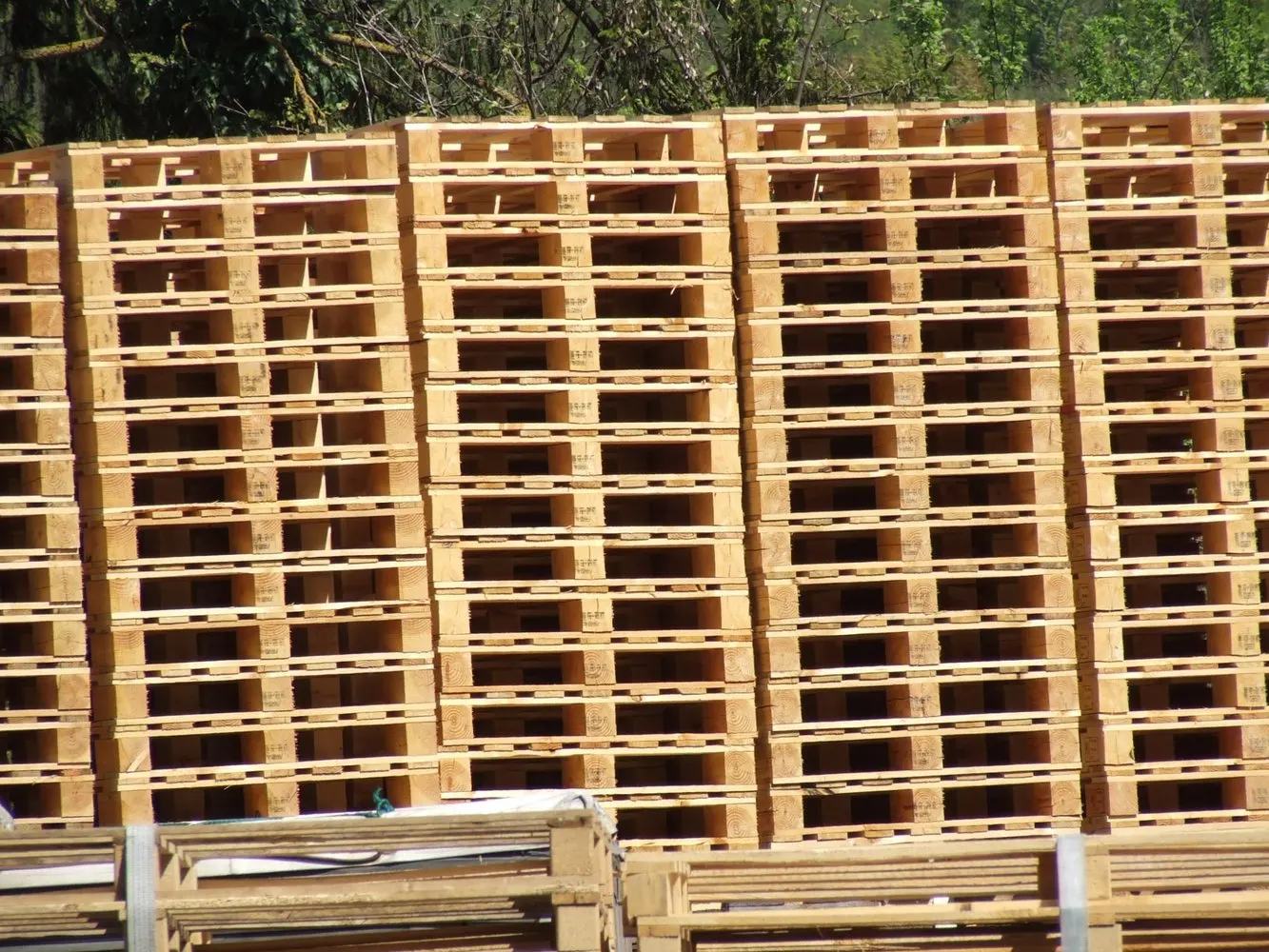
50 pallets per order minimum on buy-side. Sell-side (buyback) minimum is 250 pallets per single-size load. Volume tiers kick in automatically as cumulative monthly volume increases - 500+/week accounts qualify for standing-order programs with reserved delivery slots.
Yes. We buy back used pallets from South Dakota collectors, recyclers, and warehouses - 250-pallet minimum per load, single-size only (no mixed-size loads). Fast ACH payment, typically same-day or net-7 depending on volume. Pickup arranged on standard outbound delivery routes.
Yes. We deliver to every commercial address in South Dakota, with same-day shipping standard in our Southeast/Mid-Atlantic core and scheduled weekly delivery elsewhere. South Dakota-area accounts are typical - submit a quote with your dock location and we route accordingly.
Local South Dakota suppliers offer geographic proximity. United States Pallets offers nationwide sourcing depth, multi-grade inventory always in stock, sub-2-business-hour quote response, audit-ready documentation, and standing-order automation that local yards typically don\'t match.
Net-30 credit terms standard after the first 1-3 prepaid or COD loads while credit is being established. Submit a credit application with three trade references; approval typically processes within 48 hours. Volume accounts can negotiate net-45 or net-60.
Response under 2 business hours.
Kiln-dried hardwood meets NWPCA Uniform Standard for Wood Pallets; moisture content verified <19% at dispatch, blade-cut deck boards, no visible bark.
Drop-trailer programs maintain a customer-dedicated 53-foot trailer on-site; we swap full-for-empty on a scheduled 24/48/72-hour rotation; preferred for high-throughput dock operations.
Standard delivery scheduling: orders confirmed by 2 PM EST ship same day from the nearest yard; orders after 2 PM ship next-business-day; weekend dispatch available with 24-hour notice for premium accounts.
Standard 48x40 GMA pallets feature 5/8 inch deck boards with a 4-board face pattern; bottom configuration is 3-board for four-way fork entry; nail pattern uses 2.5 inch screw-shank galvanized fasteners.
Lumber spec for new GMA stock: mixed hardwood (oak, maple, ash, hickory) with minimum 600 SG (specific gravity); kiln dried to <19% moisture; visible defects limited to wane on outer 1/3 of deck board only.
Standing-order programs schedule a recurring weekly truckload (or partial) for the same delivery window; price-locked for 12 months; preferred for 3PL warehouse refill cycles.
Restaurant supply distributors move pallets between regional warehouses and individual restaurants on small-truck (26-foot box truck) routes; we offer mini-pallet 24x24 and 32x32 builds for restaurant kitchen door access.
Volume pricing kicks in at 100 pallets, 500 pallets, and 2,000 pallets per month; sustained standing orders lock pricing for 12 months; spot orders subject to current lumber market pricing.
Sustainability reports provided quarterly to standing-order customers; documents pallets recycled, lumber diverted from landfill, and CO2-equivalent savings vs new-only sourcing.