Cold Chain Pallets in Charlotte, North Carolina
Whether you're operating a single Charlotte warehouse or a multi-site network across North Carolina, the Cold Chain Pallets requirements are the same: consistent grade, on-time delivery, accurate count, and clean paperwork. United States Pallets built our Cold Chain Pallets program around exactly that profile of customer.
Industrial-scale Cold Chain Pallets for Charlotte, North Carolina customers requires more than just stock on hand - it requires consistent dimensional tolerances, batch-quality records, and documentation that satisfies SOX, FDA, USDA, ISO 9001, and similar audit frameworks. United States Pallets ships every Cold Chain Pallets load with the documentation packet pre-attached electronically, no dock-side delays.
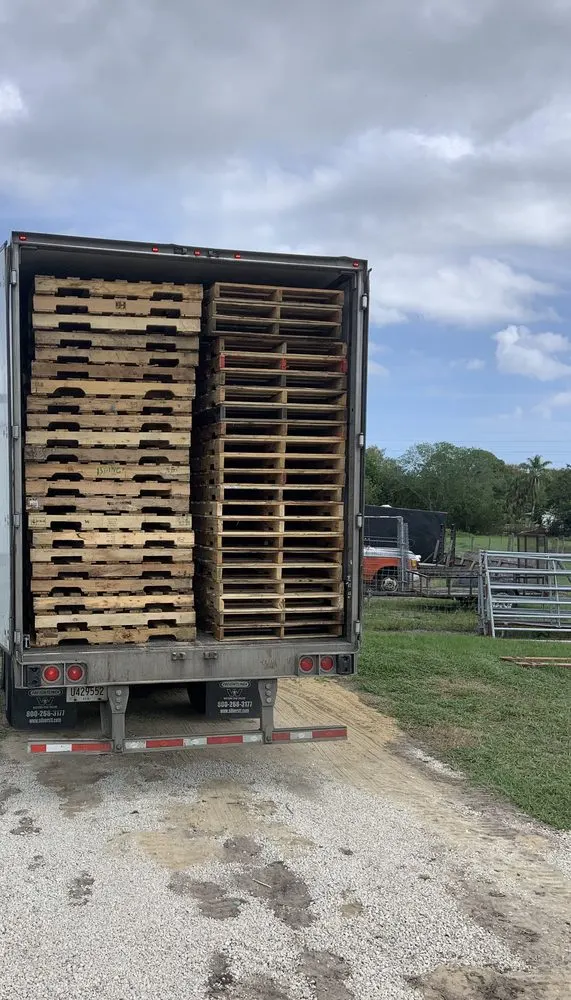
Why Charlotte Operations Choose USP
Pricing transparency: United States Pallets publishes Cold Chain Pallets pricing structures (not specific dollar amounts since lumber markets move). Volume tiers kick in automatically as cumulative monthly volume crosses thresholds. New Charlotte accounts ship prepaid for 1-3 loads while credit is being established, then move to net-30 standard.
Communication discipline: most pallet vendors run phone-only ordering with opaque ETAs. United States Pallets operates a digital pipeline - web quotes, electronic order confirmations, real-time load tracking after dispatch, and a single dispatch coordinator assigned to each Charlotte account for the first three loads to smooth the sales-to-ops handoff.
FAQ - Charlotte Cold Chain Pallets
How does United States Pallets compare to North Carolina-based local pallet suppliers?
Local North Carolina suppliers offer geographic proximity. United States Pallets offers nationwide sourcing depth, multi-grade inventory, sub-2-business-hour quote response, audit-ready documentation, and standing-order automation that local yards typically don't match. Orders start at 50 pallets, standing weekly programs begin at 500 pallets per week, and every load ships with a bill of lading, packing list, and grade certification, plus IPPC stamps on heat-treated stock.
What's the minimum order quantity for Cold Chain Pallets?
50 pallets per order minimum on buy-side. Sell-side (buyback) minimum is 250 pallets per single-size load. Volume tiers kick in automatically as cumulative monthly volume increases - 500+/week accounts qualify for standing-order programs with reserved delivery slots. Single-pallet orders are not available, so buyers who need fewer pallets usually start with recycled Grade B stock, the lowest-priced published tier. Quotes are requested through the intake form.
Can United States Pallets handle Cold Chain Pallets for high-volume Charlotte operations?
Yes. Standing-order programs for Charlotte operations running 500+ pallets/week lock in tiered pricing, reserve delivery slots, and run on autopilot in the background. Custom contract terms available for accounts running 2,000+/week. Standing-program pricing sits below catalog pricing because the rate is locked for a set period against the softwood lumber market, and new volume accounts typically ship 1 to 3 prepaid loads before net-30 terms begin.
What documentation accompanies Cold Chain Pallets loads?
BOL, packing list, grade certifications standard. Heat-treated loads add IPPC stamps and ISPM-15 documentation. Pharma-grade loads add batch records. Food-grade loads add FSMA Sanitary Transportation Rule certifications. All documentation ships electronically before delivery. Heat-treated pallets carry the IPPC mark applied under a USDA APHIS registered heat-treatment program, and new 48x40 GMA stock is built to the NWPCA Uniform Standard, so receiving teams can match each load to its paperwork.
Does United States Pallets buy back used pallets in Charlotte?
Yes. We buy back used pallets from Charlotte collectors, recyclers, and warehouses - 250-pallet minimum per load, single-size only (no mixed-size loads). Fast ACH payment, typically same-day or net-7 depending on volume. Pickup arranged on standard outbound delivery routes. Pallets must be in sellable condition, and the per-unit price depends on grade, size, and condition. Request a sell-back quote through the intake form with an estimated count and photos.
Other Pallet Services in Charlotte
Charlotte Delivery Specs
- Location: Charlotte, Mecklenburg, North Carolina
- Service: Cold Chain Pallets
- Minimum: 50 pallets per order
- Documentation: BOL, grade cert, IPPC (heat-treated), batch records (pharma)
- Quote: under 2 business hours
Quote Charlotte, NC
Response under 2 business hours.