Industry mix, pricing trends, supply patterns, and procurement considerations for North Dakota pallet buyers.
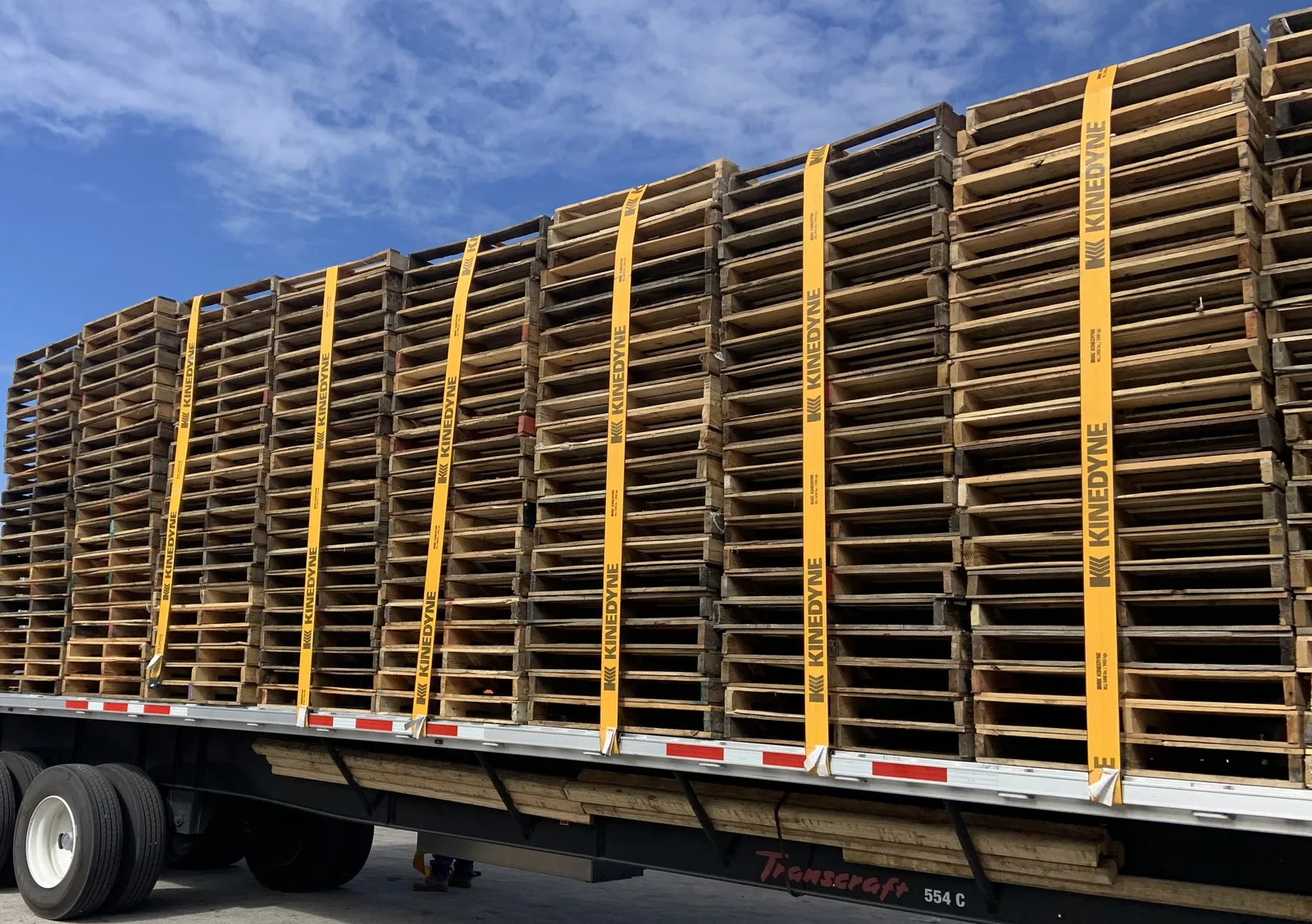
North Dakota Industry Profile
Energy (oil/gas), agriculture, food processing. The North Dakota pallet market reflects this industry mix - drivers include manufacturing density, agricultural cycles, port export volumes, retail/grocery distribution, food/beverage processing, and pharma operations.
North Dakota 2026 Pallet Pricing
| Pallet Type | Spot Range |
|---|---|
| New GMA 48x40 stringer | $11-18 |
| New GMA 48x40 block | $18-28 |
| Recycled Grade A | $7-11 |
| Recycled Grade B | $4-7 |
| Recycled Grade C | $2-4 |
| ISPM-15 stamping (add) | +$0.85-1.10 |
North Dakota Procurement Considerations
- Federal frameworks: FSMA, ISPM-15, OSHA, EPA apply uniformly
- North Dakota state regulations: Any state-specific overlays for industry verticals
- Port access: North Dakota commercial seaports for ISPM-15 export dispatch
- Industry mix: Pallet demand reflects state industry concentration
- Climate considerations: Specify kiln-dried for cold-chain or humid environments
North Dakota Volume Tier Pricing
Volume discounts begin at 500-unit orders: 500-999 units (3-5%), 1,000-4,999 (5-10%), 5,000-9,999 (10-15%), 10,000+ standing-order (15-25%).
North Dakota Standing-Order Programs
Standing-order programs lock 90+ days of North Dakota capacity at fixed pricing. Industry-typical: 5,000+ unit annual commitments qualify. Hedge against lumber index volatility and seasonal demand spikes.
Companion Resources
- All State Pallet Market Profiles
- USP North Dakota State Hub
- North Dakota GMA Pricing
- North Dakota ISPM-15 Export
- North Dakota FSMA Compliance
- North Dakota Pallet Recycling
Does United States Pallets buy back used pallets in North Dakota?
Yes. We buy back used pallets from North Dakota collectors, recyclers, and warehouses - 250-pallet minimum per load, single-size only (no mixed-size loads). Fast ACH payment, typically same-day or net-7 depending on volume. Pickup arranged on standard outbound delivery routes.
How does United States Pallets compare to North Dakota-based local pallet suppliers?
Local North Dakota suppliers offer geographic proximity. United States Pallets offers nationwide sourcing depth, multi-grade inventory always in stock, sub-2-business-hour quote response, audit-ready documentation, and standing-order automation that local yards typically don't match.
What credit terms does United States Pallets offer North Dakota customers?
Net-30 credit terms standard after the first 1-3 prepaid or COD loads while credit is being established. Submit a credit application with three trade references; approval typically processes within 48 hours. Volume accounts can negotiate net-45 or net-60.
Does United States Pallets ship state pallet market to all of North Dakota?
Yes. We deliver to every commercial address in North Dakota, with same-day shipping standard in our Southeast/Mid-Atlantic core and scheduled weekly delivery elsewhere. North Dakota-area accounts are typical - submit a quote with your dock location and we route accordingly.
What's the minimum order quantity for state pallet market?
50 pallets per order minimum on buy-side. Sell-side (buyback) minimum is 250 pallets per single-size load. Volume tiers kick in automatically as cumulative monthly volume increases - 500+/week accounts qualify for standing-order programs with reserved delivery slots.
Quote: North Dakota Pallet Supply
Sub-2-hour response.