Industry mix, pricing trends, supply patterns, and procurement considerations for South Carolina pallet buyers.
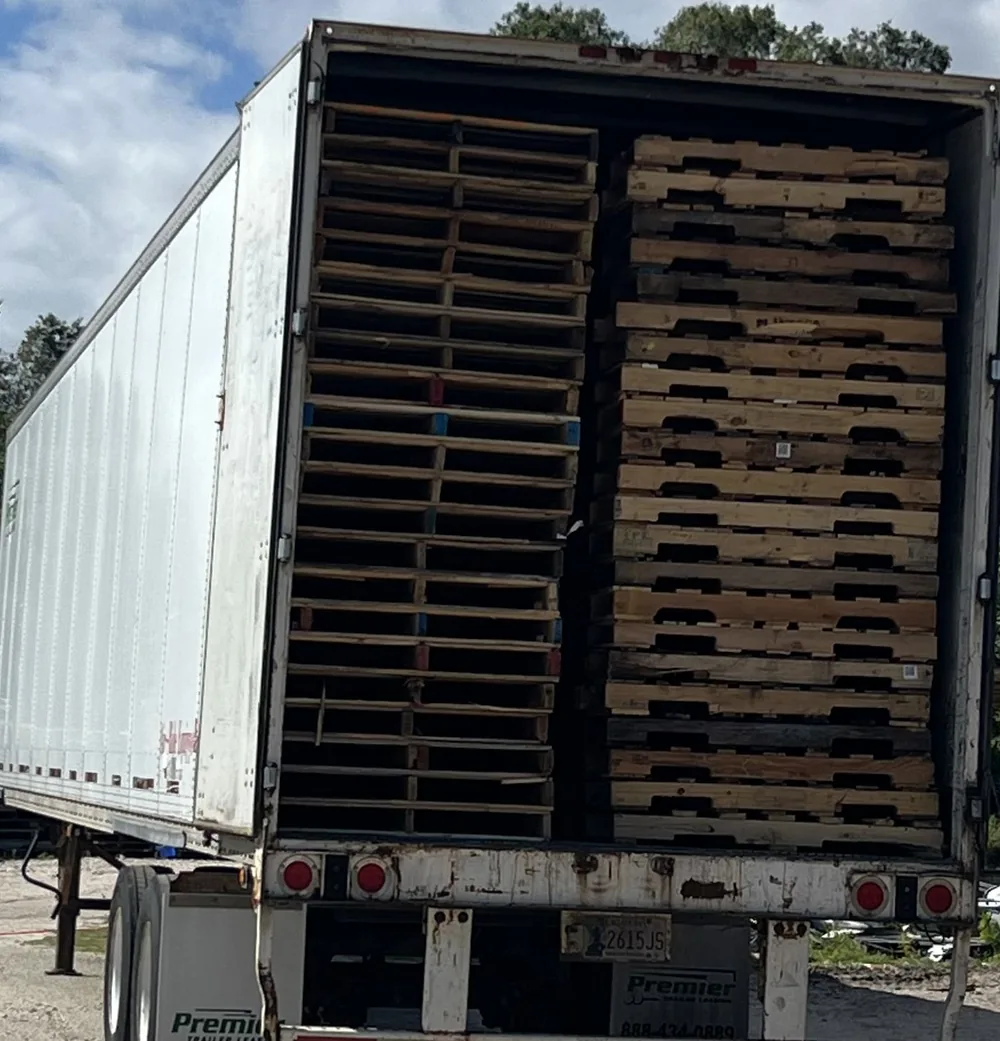
South Carolina Industry Profile
Port of Charleston, automotive (BMW, Volvo), aerospace (Boeing), textiles. The South Carolina pallet market reflects this industry mix - drivers include manufacturing density, agricultural cycles, port export volumes, retail/grocery distribution, food/beverage processing, and pharma operations.
South Carolina 2026 Pallet Pricing
| Pallet Type | Spot Range |
|---|---|
| New GMA 48x40 stringer | $11-18 |
| New GMA 48x40 block | $18-28 |
| Recycled Grade A | $7-11 |
| Recycled Grade B | $4-7 |
| Recycled Grade C | $2-4 |
| ISPM-15 stamping (add) | +$0.85-1.10 |
South Carolina Procurement Considerations
- Federal frameworks: FSMA, ISPM-15, OSHA, EPA apply uniformly
- South Carolina state regulations: Any state-specific overlays for industry verticals
- Port access: South Carolina commercial seaports for ISPM-15 export dispatch
- Industry mix: Pallet demand reflects state industry concentration
- Climate considerations: Specify kiln-dried for cold-chain or humid environments
South Carolina Volume Tier Pricing
Volume discounts begin at 500-unit orders: 500-999 units (3-5%), 1,000-4,999 (5-10%), 5,000-9,999 (10-15%), 10,000+ standing-order (15-25%).
South Carolina Standing-Order Programs
Standing-order programs lock 90+ days of South Carolina capacity at fixed pricing. Industry-typical: 5,000+ unit annual commitments qualify. Hedge against lumber index volatility and seasonal demand spikes.
Companion Resources
- All State Pallet Market Profiles
- USP South Carolina State Hub
- South Carolina GMA Pricing
- South Carolina ISPM-15 Export
- South Carolina FSMA Compliance
- South Carolina Pallet Recycling
Does United States Pallets supply state pallet market for export from South Carolina?
Yes, with ISPM-15 heat-treated pallets carrying IPPC stamps and full ISPM-15 documentation. Required for international shipments to all WTO member countries. Common for South Carolina customers with port access via South Carolina's major export gateways.
Can United States Pallets handle state pallet market for high-volume South Carolina operations?
Yes. Standing-order programs for South Carolina operations running 500+ pallets/week lock in tiered pricing, reserve delivery slots, and run on autopilot in the background. Custom contract terms available for accounts running 2,000+/week.
How does United States Pallets compare to South Carolina-based local pallet suppliers?
Local South Carolina suppliers offer geographic proximity. United States Pallets offers nationwide sourcing depth, multi-grade inventory always in stock, sub-2-business-hour quote response, audit-ready documentation, and standing-order automation that local yards typically don't match.
What's the minimum order quantity for state pallet market?
50 pallets per order minimum on buy-side. Sell-side (buyback) minimum is 250 pallets per single-size load. Volume tiers kick in automatically as cumulative monthly volume increases - 500+/week accounts qualify for standing-order programs with reserved delivery slots.
What credit terms does United States Pallets offer South Carolina customers?
Net-30 credit terms standard after the first 1-3 prepaid or COD loads while credit is being established. Submit a credit application with three trade references; approval typically processes within 48 hours. Volume accounts can negotiate net-45 or net-60.
Quote: South Carolina Pallet Supply
Sub-2-hour response.