Switching from Kamps to USP in Washington
Whether you're operating a single Washington warehouse or a multi-site network across Washington, the switch from Kamps requirements are the same: consistent grade, on-time delivery, accurate count, and clean paperwork. United States Pallets built our switch from Kamps program around exactly that profile of customer.
switch from Kamps suppliers serving Washington businesses range from regional yards with limited inventory to national networks with deep multi-grade stock. United States Pallets sits in the second category, structured specifically for high-volume B2B operations - 50+ pallets per order minimum, scheduled programs for 500+/week accounts, and dimensional consistency tight enough for AGV-equipped warehouses.
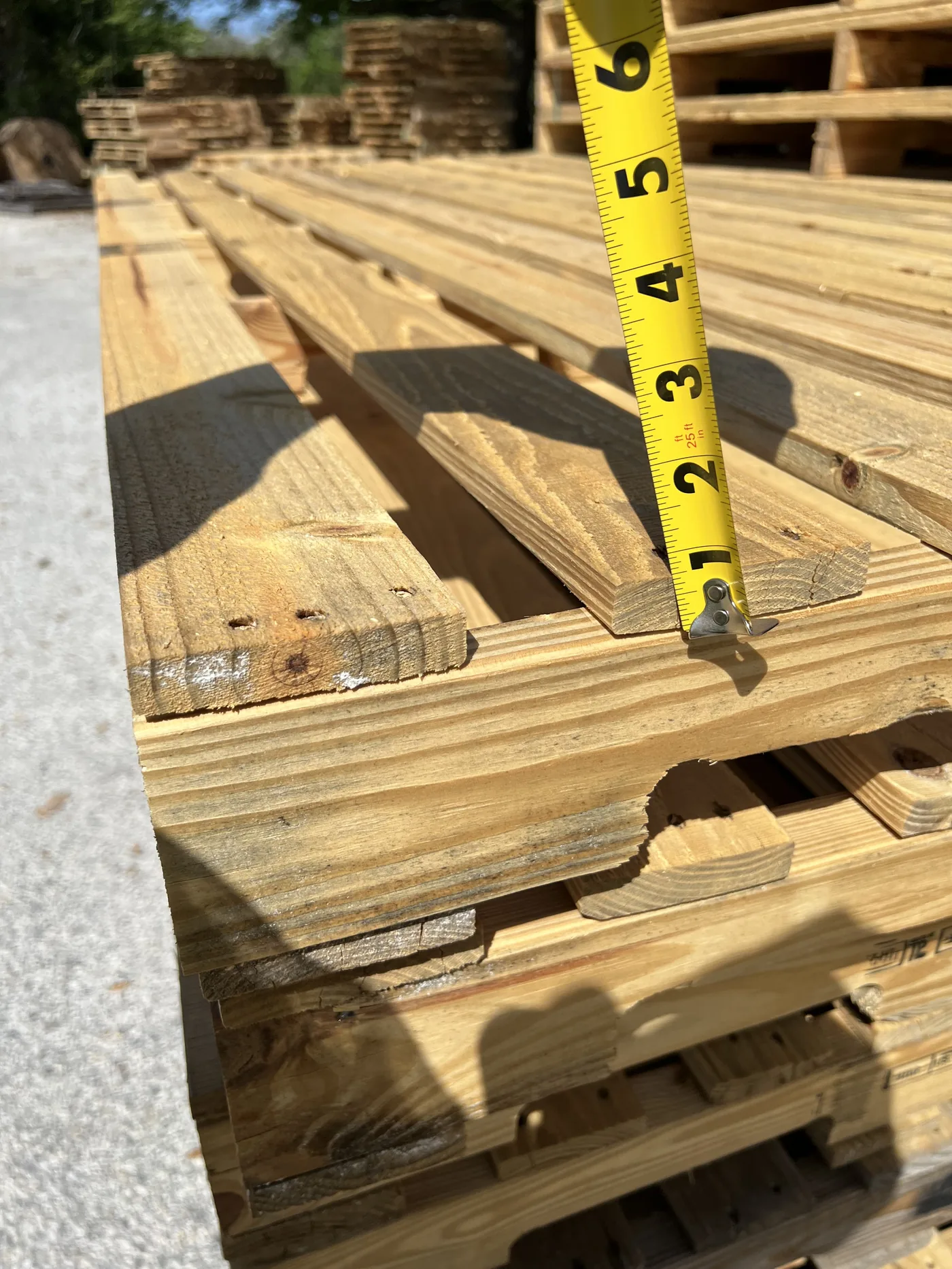
Washington-Specific Migration Steps
- USP Washington delivery: same-day in our Southeast/Mid-Atlantic core, scheduled weekly delivery elsewhere.
- Sample shipment to your Washington DC within 5-7 business days of quote acceptance.
- Standing-order programs available for Washington accounts running 500+ pallets per week.
- Volume tier escalation triggers at 500, 1500, 5000, and 15000 pallets/month.
- Audit-ready documentation per load including ISPM-15 cert (if export), FSMA cert (if food).
Washington Operations Considerations
Washington-specific operational considerations include: regional industrial composition, port access (where applicable), and trucking lane density. USP coordinates with Washington carriers for optimal lane economics.
Full Migration Playbook
For the complete Kamps-to-USP migration playbook including cost analysis, timeline, and documentation, see our master migration guide.
Washington Migration Quote
Response under 2 business hours.