Reusable Crates for California
Industrial-scale Reusable Crates for California, California customers requires more than just stock on hand - it requires consistent dimensional tolerances, batch-quality records, and documentation that satisfies SOX, FDA, USDA, ISO 9001, and similar audit frameworks. United States Pallets ships every Reusable Crates load with the documentation packet pre-attached electronically, no dock-side delays.
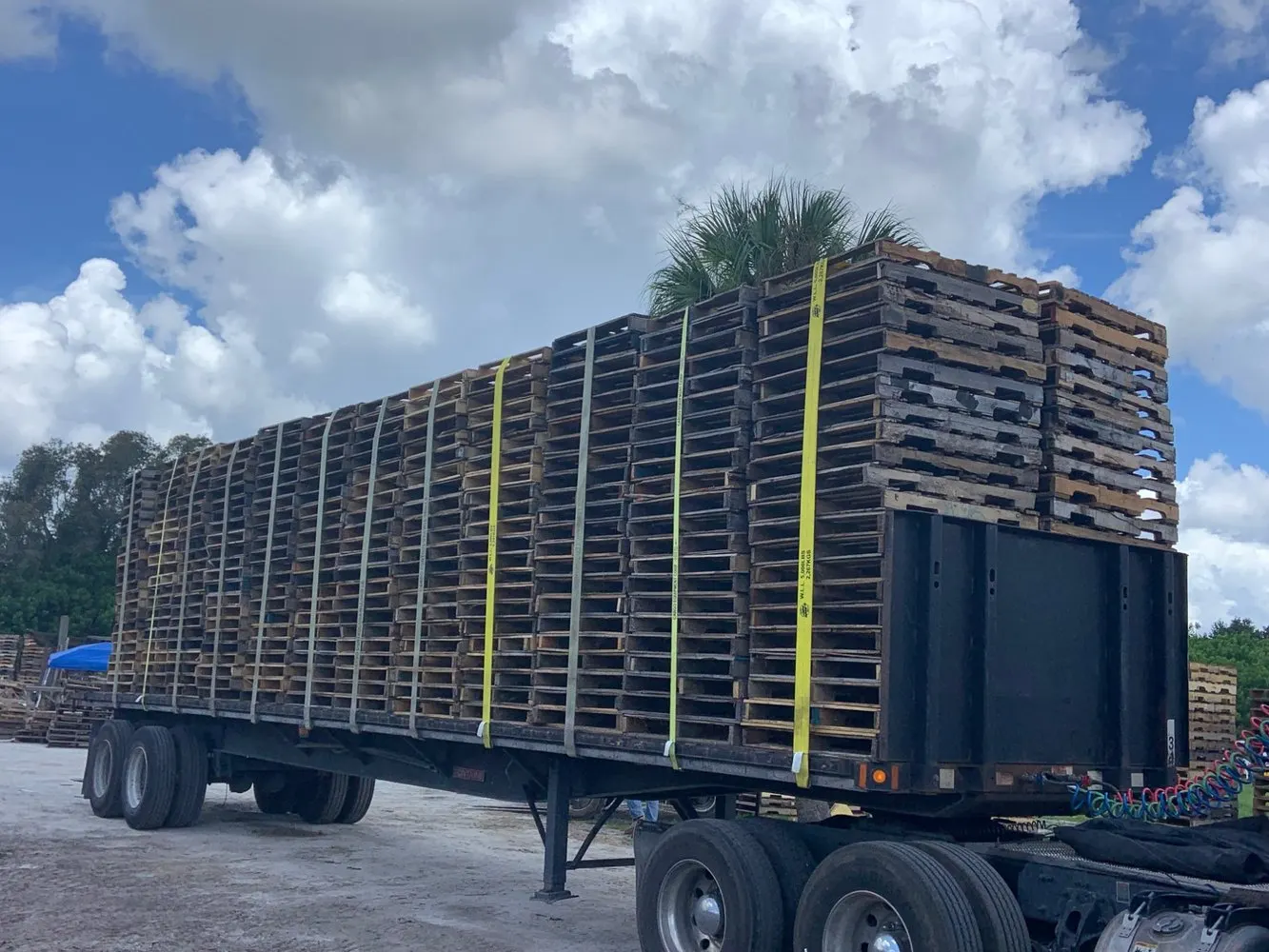
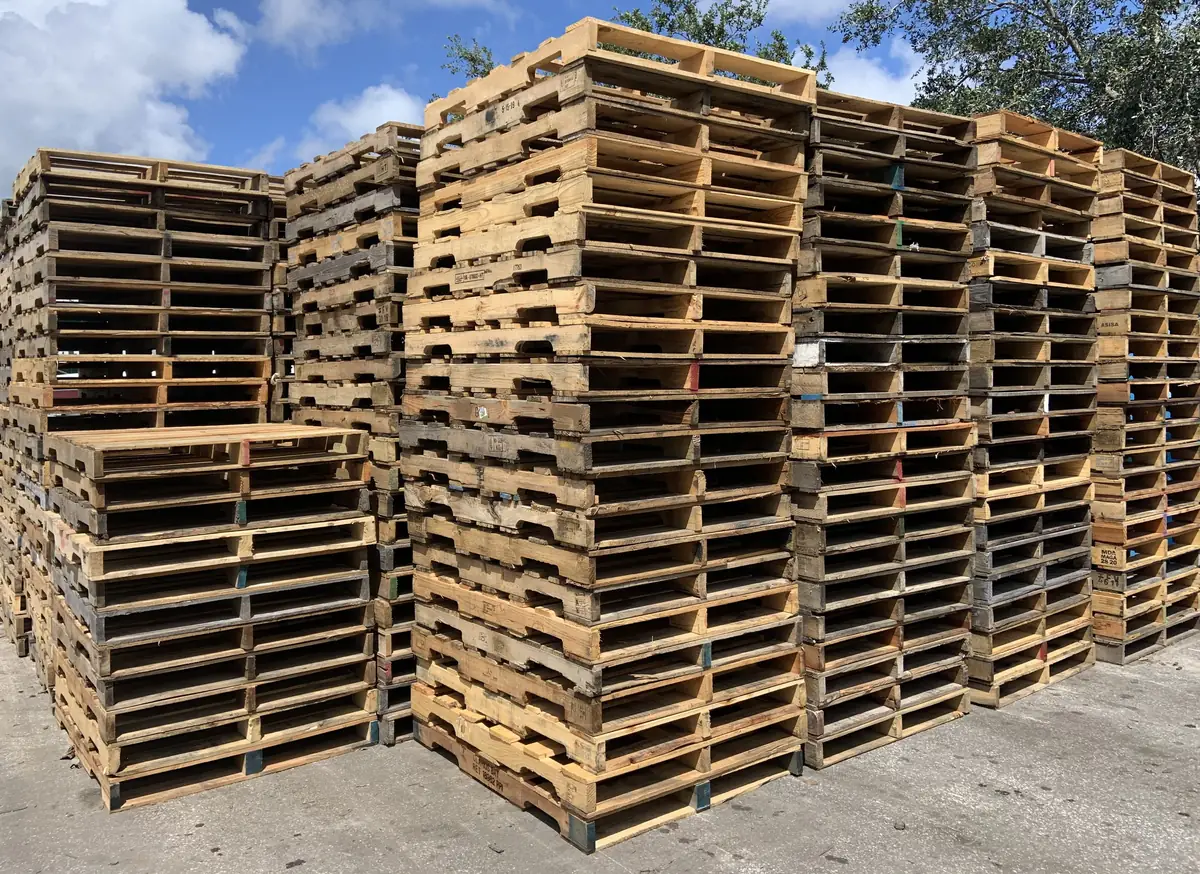
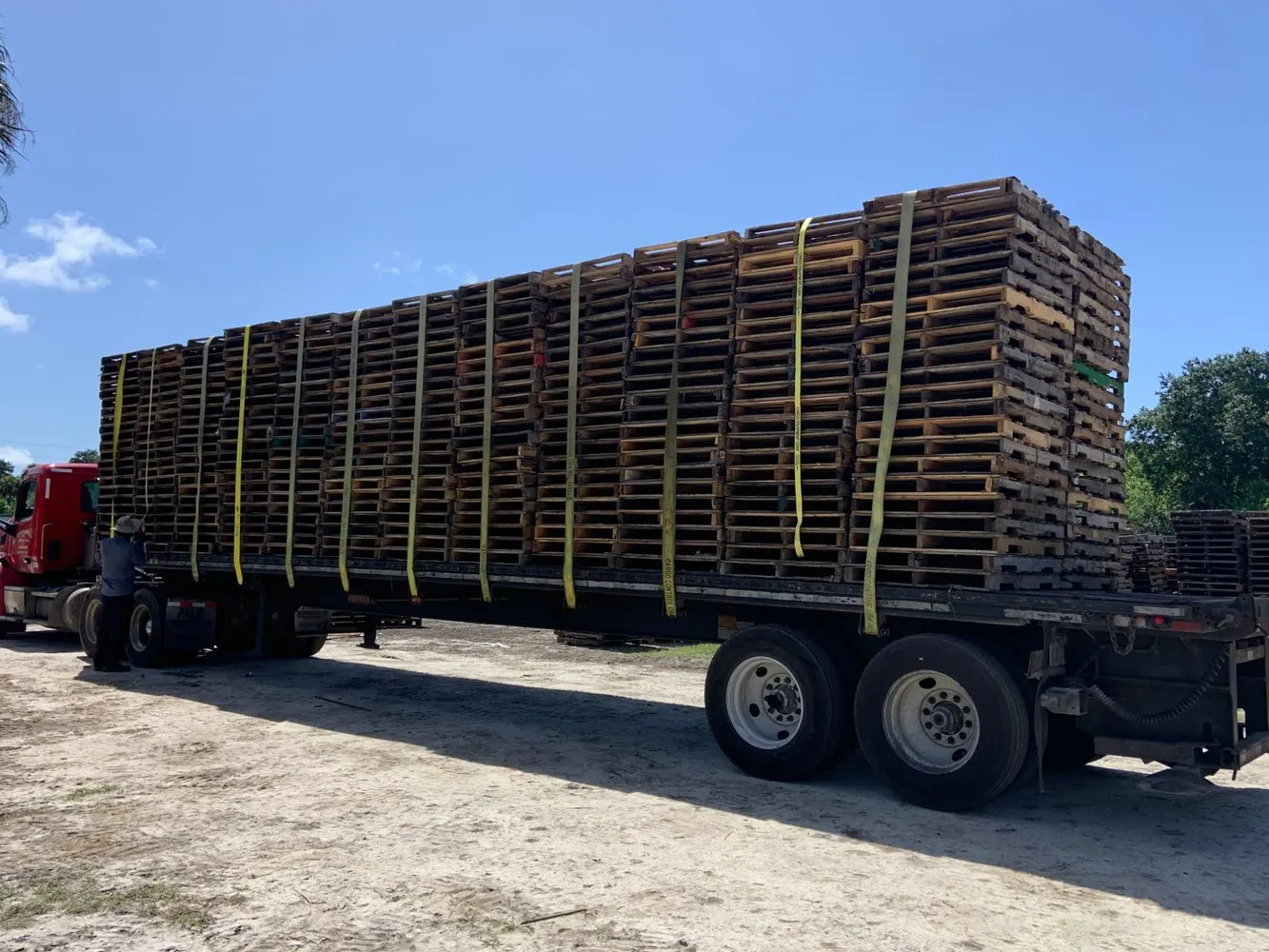
Reusable Crates suppliers serving California businesses range from regional yards with limited inventory to national networks with deep multi-grade stock. United States Pallets sits in the second category, structured specifically for high-volume B2B operations - 50+ pallets per order minimum, scheduled programs for 500+/week accounts, and dimensional consistency tight enough for AGV-equipped warehouses.
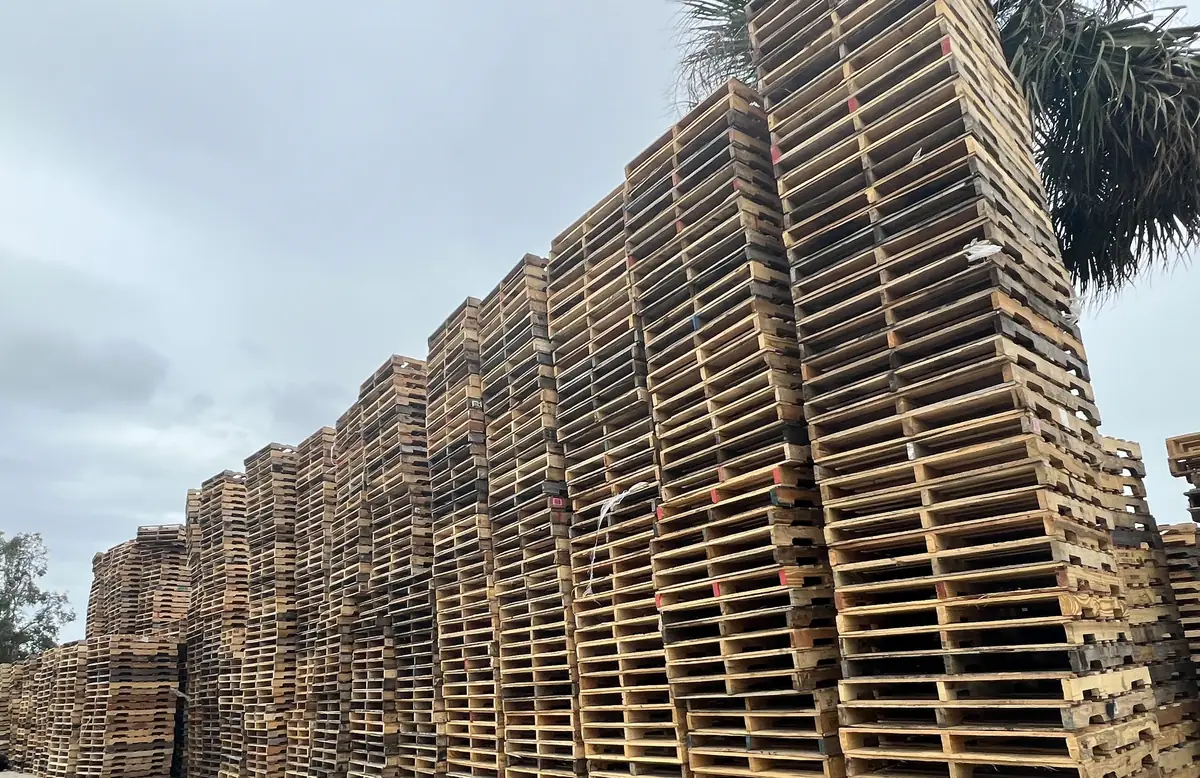
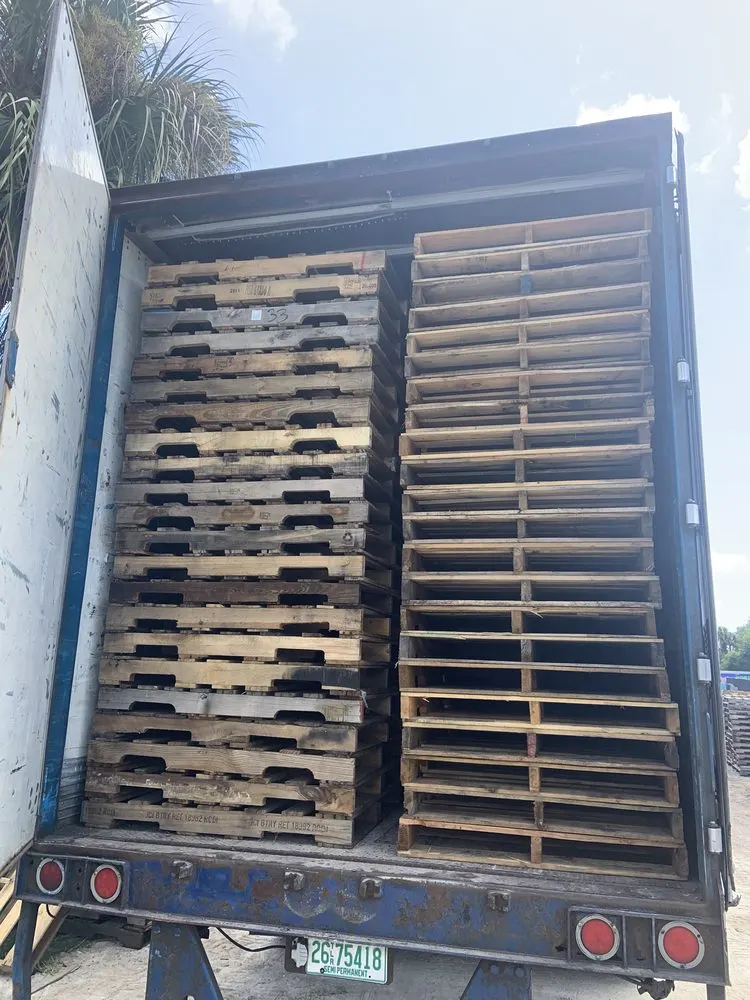
Knockdown reusable crates for closed-loop shipping programs.
California Reusable Crates Capabilities
- Custom dimensions to match product specifications
- ISPM-15 heat-treated for export when required
- Foam-lined and shock-mounted options for fragile contents
- Knockdown reusable construction available
- Same-day quote response for California customers
What documentation accompanies Reusable Crates loads?
BOL, packing list, grade certifications standard. Heat-treated loads add IPPC stamps and ISPM-15 documentation. Pharma-grade loads add batch records. Food-grade loads add FSMA Sanitary Transportation Rule certifications. All documentation ships electronically before delivery.
Can California customers run a buyback program alongside their pallet purchases?
Yes. Backhaul logistics are coordinated on outbound delivery routes - empty or non-spec pallets get picked up on the return leg of new pallet deliveries. Per-pallet freight cost on the backhaul approaches zero for accounts running both new-pallet purchase + buyback simultaneously.
Does United States Pallets buy back used pallets in California?
Yes. We buy back used pallets from California collectors, recyclers, and warehouses - 250-pallet minimum per load, single-size only (no mixed-size loads). Fast ACH payment, typically same-day or net-7 depending on volume. Pickup arranged on standard outbound delivery routes.
Can United States Pallets handle Reusable Crates for high-volume California operations?
Yes. Standing-order programs for California operations running 500+ pallets/week lock in tiered pricing, reserve delivery slots, and run on autopilot in the background. Custom contract terms available for accounts running 2,000+/week.
How does United States Pallets compare to California-based local pallet suppliers?
Local California suppliers offer geographic proximity. United States Pallets offers nationwide sourcing depth, multi-grade inventory always in stock, sub-2-business-hour quote response, audit-ready documentation, and standing-order automation that local yards typically don't match.
California Reusable Crates Quote
Response under 2 business hours.