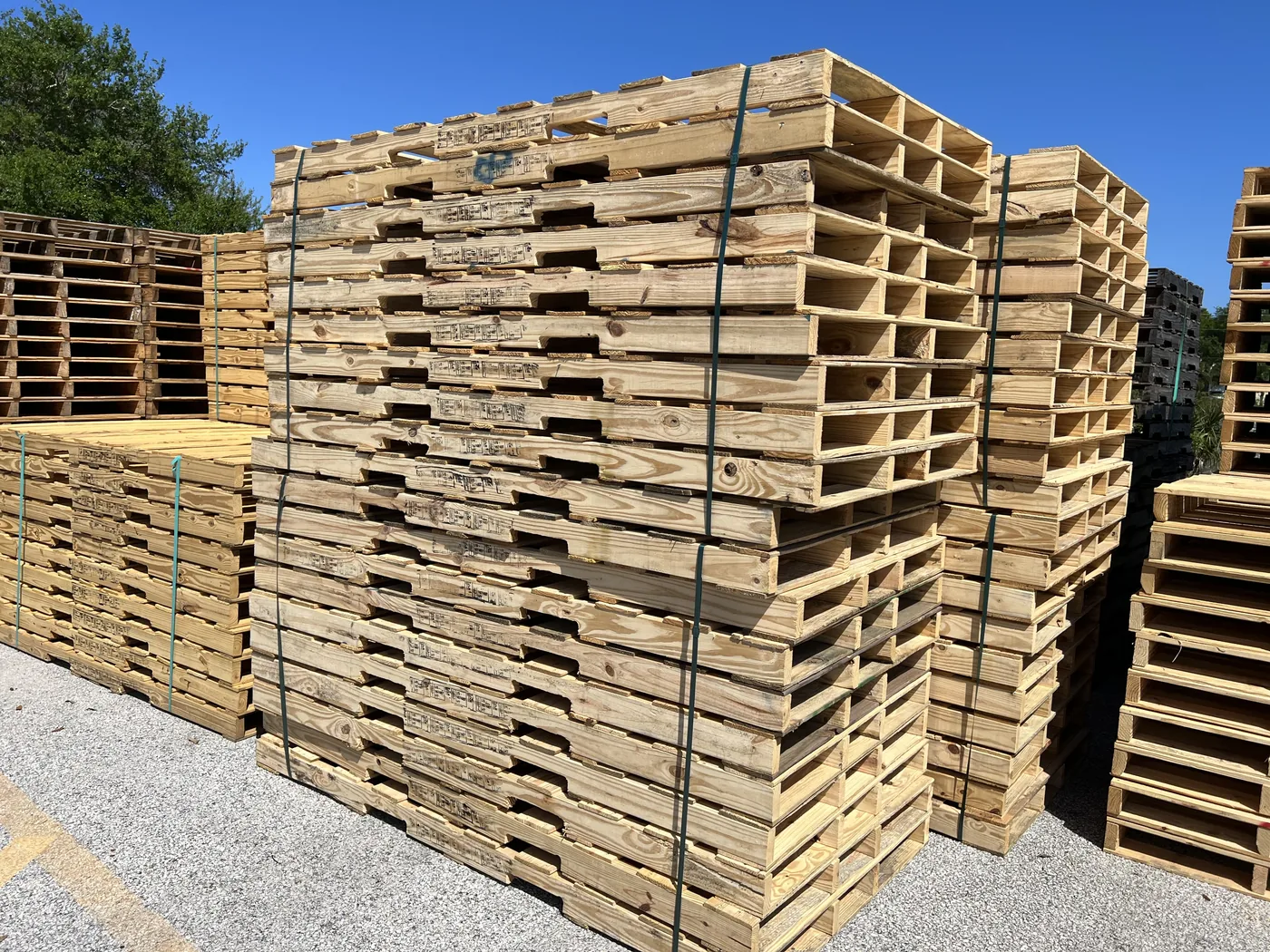
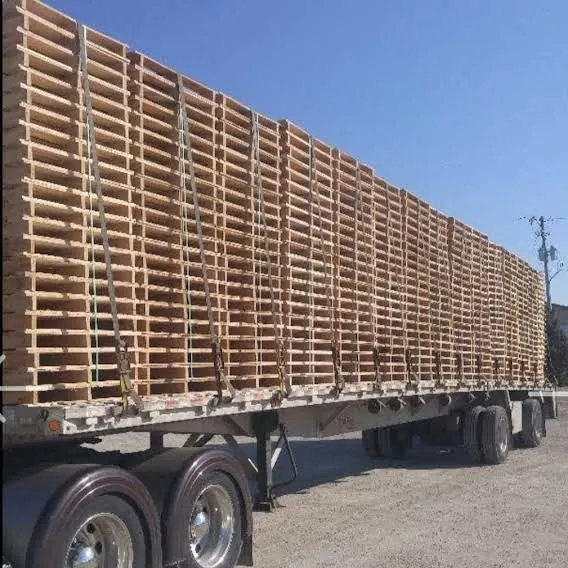
Mix de industrias, tendencias de precios, patrones de suministro y consideraciones de adquisicion para compradores de palets en Oregon.
Perfil Industrial de Oregon
Tech (Intel), agricultura, puertos Portland, procesamiento alimentos. El mercado de palets en Oregon refleja este mix industrial - los impulsores incluyen densidad manufacturera, ciclos agricolas, volumenes de exportacion portuaria, distribucion retail/grocery, procesamiento de alimentos/bebidas, y operaciones pharma.
Precios de Palets Oregon 2026
| Tipo de Palet | Rango Spot |
|---|---|
| Nuevo GMA 48x40 stringer | $11-18 |
| Nuevo GMA 48x40 bloque | $18-28 |
| Reciclado Grado A | $7-11 |
| Reciclado Grado B | $4-7 |
| Reciclado Grado C | $2-4 |
| Sello ISPM-15 (anadir) | +$0.85-1.10 |
Consideraciones de Adquisicion en Oregon
- Marcos federales: FSMA, ISPM-15, OSHA, EPA aplican uniformemente
- Regulaciones estatales Oregon: Cualquier overlay especifico del estado para verticales
- Acceso portuario: Puertos comerciales de Oregon para despacho ISPM-15
- Mix industrial: Demanda de palets refleja la concentracion industrial estatal
- Consideraciones climaticas: Especifica kiln-dried para cold-chain o ambientes humedos
Precios por Volumen en Oregon
Descuentos por volumen empiezan en pedidos de 500 unidades: 500-999 unidades (3-5%), 1,000-4,999 (5-10%), 5,000-9,999 (10-15%), 10,000+ standing-order (15-25%).
Programas Standing-Order en Oregon
Los programas standing-order bloquean 90+ dias de capacidad Oregon a precio fijo. Estandar industria: compromisos anuales 5,000+ unidades califican. Cobertura contra volatilidad del indice de madera y picos estacionales.
Recursos Companeros
- Todos los Perfiles de Mercado por Estado
- Oregon Market Pulse (English)
- USP Oregon State Hub
- Oregon GMA Pricing
- Oregon ISPM-15 Export
What's the minimum order quantity for palets estado?
50 pallets per order minimum on buy-side. Sell-side (buyback) minimum is 250 pallets per single-size load. Volume tiers kick in automatically as cumulative monthly volume increases - 500+/week accounts qualify for standing-order programs with reserved delivery slots.
How fast does United States Pallets deliver to Oregon, Oregon?
Same-day shipping in our Southeast/Mid-Atlantic core (FL, GA, AL, TN, MS, SC, NC, KY, VA) and scheduled weekly delivery elsewhere. Express options available for Oregon rush orders. Quote response under 2 business hours, dispatch within hours of order confirmation.
Does United States Pallets ship palets estado to all of Oregon?
Yes. We deliver to every commercial address in Oregon, with same-day shipping standard in our Southeast/Mid-Atlantic core and scheduled weekly delivery elsewhere. Oregon-area accounts are typical - submit a quote with your dock location and we route accordingly.
Can Oregon customers run a buyback program alongside their pallet purchases?
Yes. Backhaul logistics are coordinated on outbound delivery routes - empty or non-spec pallets get picked up on the return leg of new pallet deliveries. Per-pallet freight cost on the backhaul approaches zero for accounts running both new-pallet purchase + buyback simultaneously.
Does United States Pallets supply palets estado for export from Oregon?
Yes, with ISPM-15 heat-treated pallets carrying IPPC stamps and full ISPM-15 documentation. Required for international shipments to all WTO member countries. Common for Oregon customers with port access via Oregon's major export gateways.
Cotizacion: Palets Oregon
Respuesta sub-2-horas.