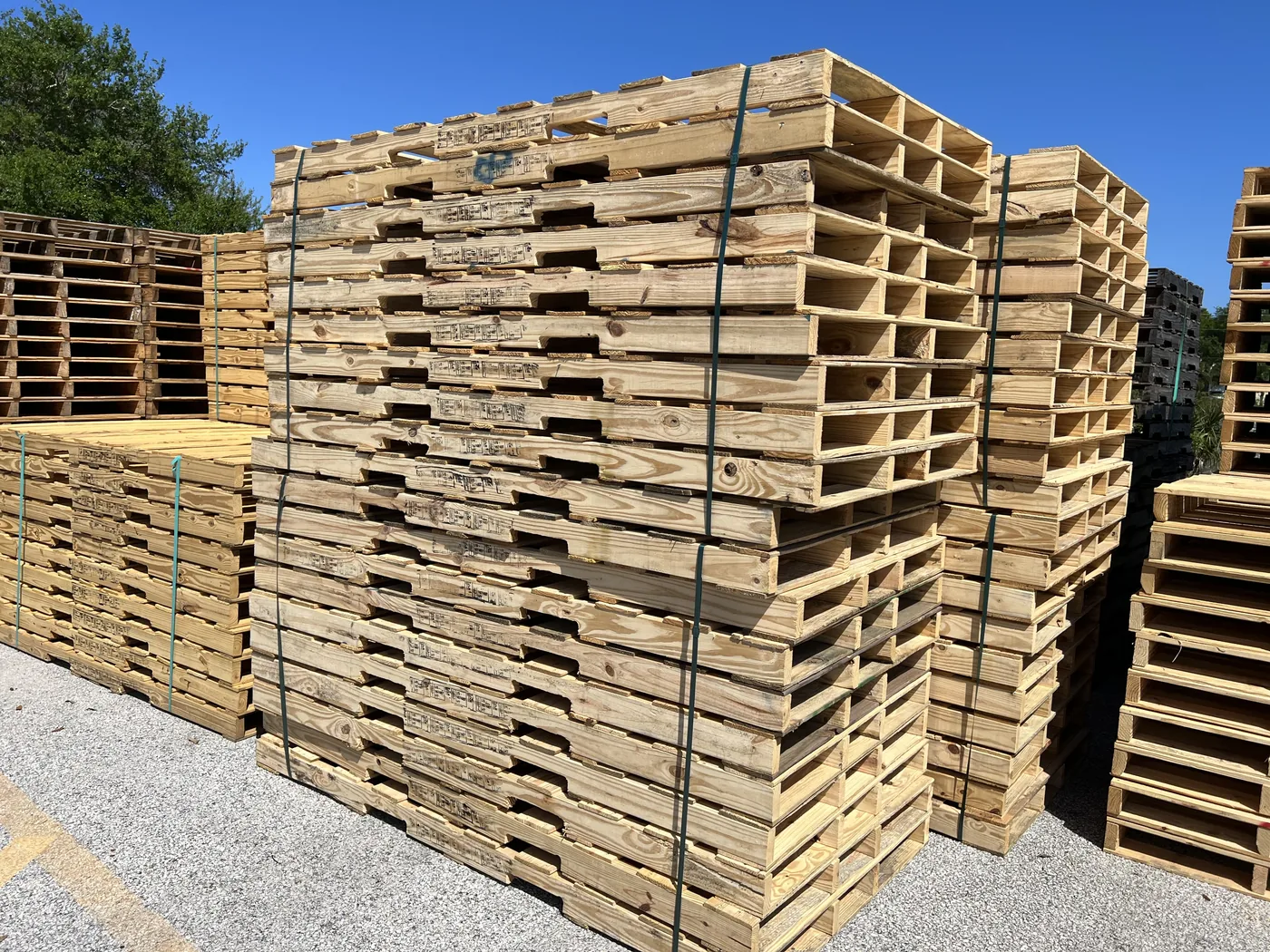
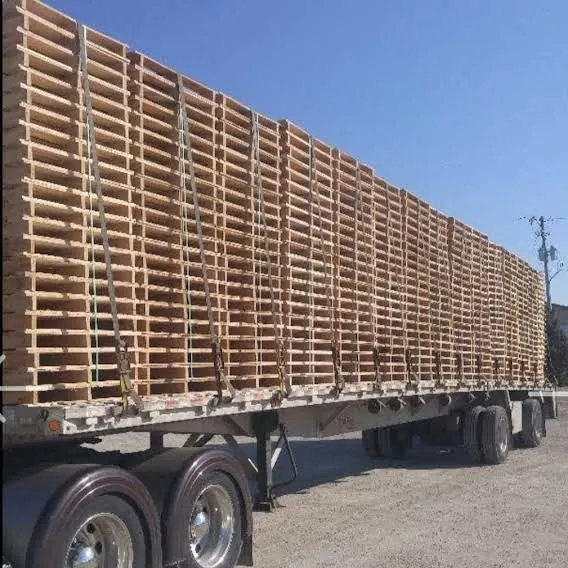
Mix de industrias, tendencias de precios, patrones de suministro y consideraciones de adquisicion para compradores de palets en Rhode Island.
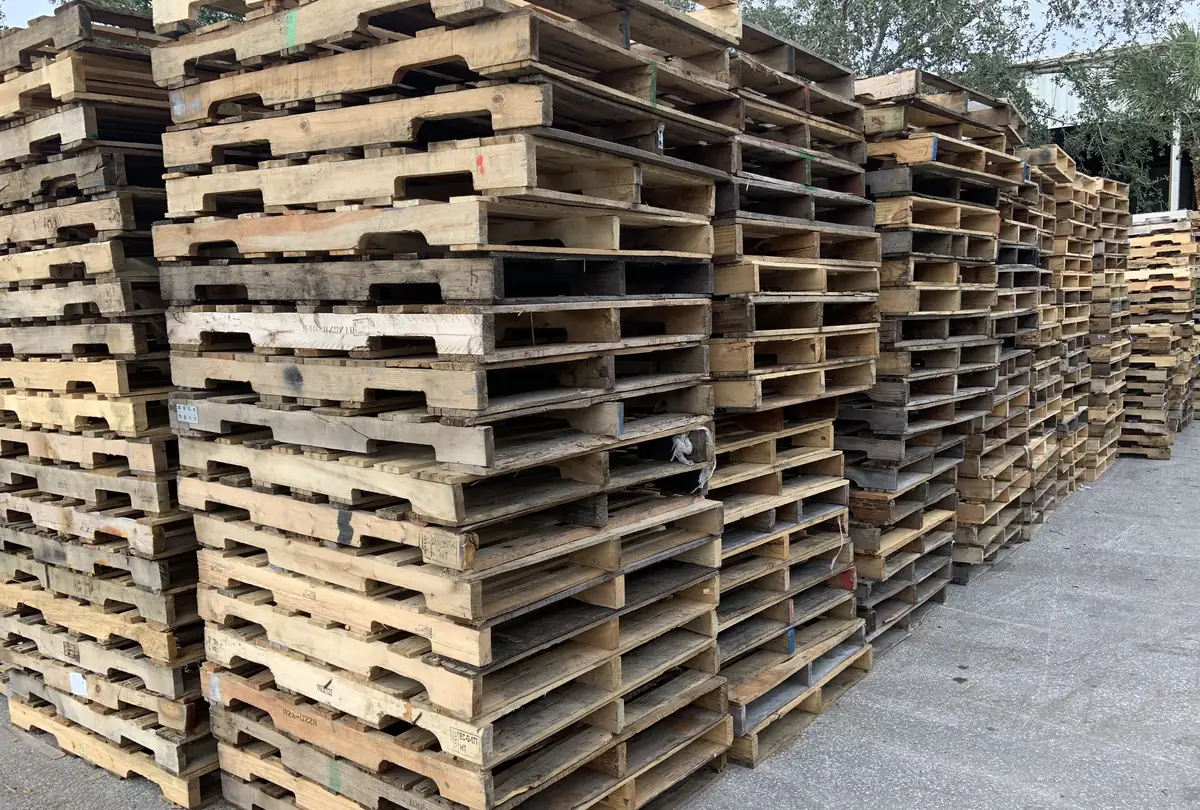
Perfil Industrial de Rhode Island
Manufactura, servicios financieros, biotech, distribucion. El mercado de palets en Rhode Island refleja este mix industrial - los impulsores incluyen densidad manufacturera, ciclos agricolas, volumenes de exportacion portuaria, distribucion retail/grocery, procesamiento de alimentos/bebidas, y operaciones pharma.
Precios de Palets Rhode Island 2026
| Tipo de Palet | Rango Spot |
|---|---|
| Nuevo GMA 48x40 stringer | $11-18 |
| Nuevo GMA 48x40 bloque | $18-28 |
| Reciclado Grado A | $7-11 |
| Reciclado Grado B | $4-7 |
| Reciclado Grado C | $2-4 |
| Sello ISPM-15 (anadir) | +$0.85-1.10 |
Consideraciones de Adquisicion en Rhode Island
- Marcos federales: FSMA, ISPM-15, OSHA, EPA aplican uniformemente
- Regulaciones estatales Rhode Island: Cualquier overlay especifico del estado para verticales
- Acceso portuario: Puertos comerciales de Rhode Island para despacho ISPM-15
- Mix industrial: Demanda de palets refleja la concentracion industrial estatal
- Consideraciones climaticas: Especifica kiln-dried para cold-chain o ambientes humedos
Precios por Volumen en Rhode Island
Descuentos por volumen empiezan en pedidos de 500 unidades: 500-999 unidades (3-5%), 1,000-4,999 (5-10%), 5,000-9,999 (10-15%), 10,000+ standing-order (15-25%).
Programas Standing-Order en Rhode Island
Los programas standing-order bloquean 90+ dias de capacidad Rhode Island a precio fijo. Estandar industria: compromisos anuales 5,000+ unidades califican. Cobertura contra volatilidad del indice de madera y picos estacionales.
Recursos Companeros
- Todos los Perfiles de Mercado por Estado
- Rhode Island Market Pulse (English)
- USP Rhode Island State Hub
- Rhode Island GMA Pricing
- Rhode Island ISPM-15 Export
How does United States Pallets compare to Rhode Island-based local pallet suppliers?
Local Rhode Island suppliers offer geographic proximity. United States Pallets offers nationwide sourcing depth, multi-grade inventory always in stock, sub-2-business-hour quote response, audit-ready documentation, and standing-order automation that local yards typically don't match.
What credit terms does United States Pallets offer Rhode Island customers?
Net-30 credit terms standard after the first 1-3 prepaid or COD loads while credit is being established. Submit a credit application with three trade references; approval typically processes within 48 hours. Volume accounts can negotiate net-45 or net-60.
Can United States Pallets handle palets estado for high-volume Rhode Island operations?
Yes. Standing-order programs for Rhode Island operations running 500+ pallets/week lock in tiered pricing, reserve delivery slots, and run on autopilot in the background. Custom contract terms available for accounts running 2,000+/week.
Can Rhode Island customers run a buyback program alongside their pallet purchases?
Yes. Backhaul logistics are coordinated on outbound delivery routes - empty or non-spec pallets get picked up on the return leg of new pallet deliveries. Per-pallet freight cost on the backhaul approaches zero for accounts running both new-pallet purchase + buyback simultaneously.
Does United States Pallets supply palets estado for export from Rhode Island?
Yes, with ISPM-15 heat-treated pallets carrying IPPC stamps and full ISPM-15 documentation. Required for international shipments to all WTO member countries. Common for Rhode Island customers with port access via Rhode Island's major export gateways.
Cotizacion: Palets Rhode Island
Respuesta sub-2-horas.