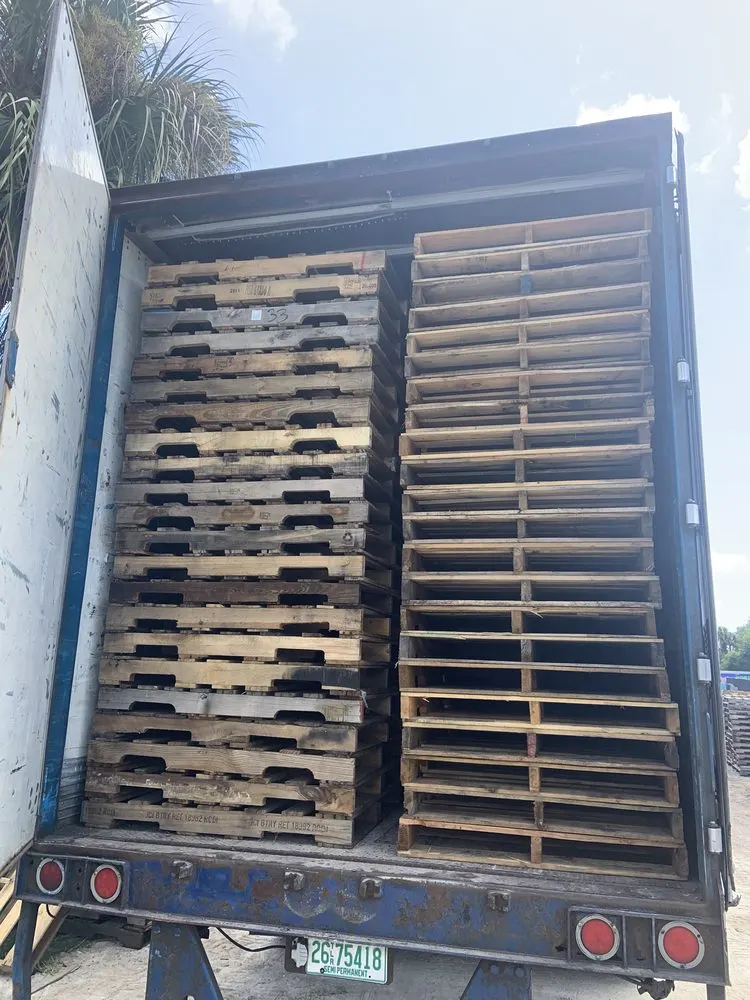
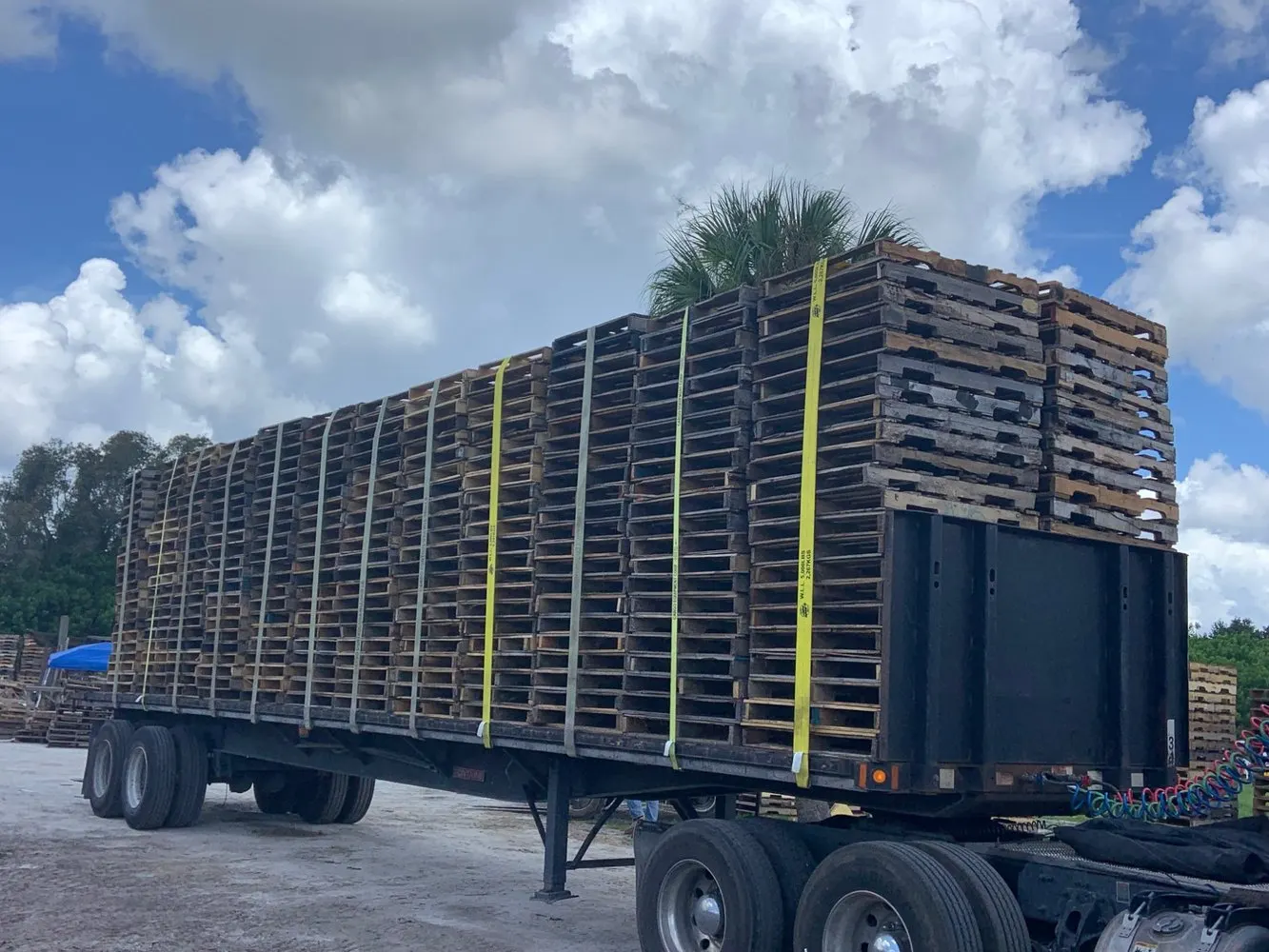
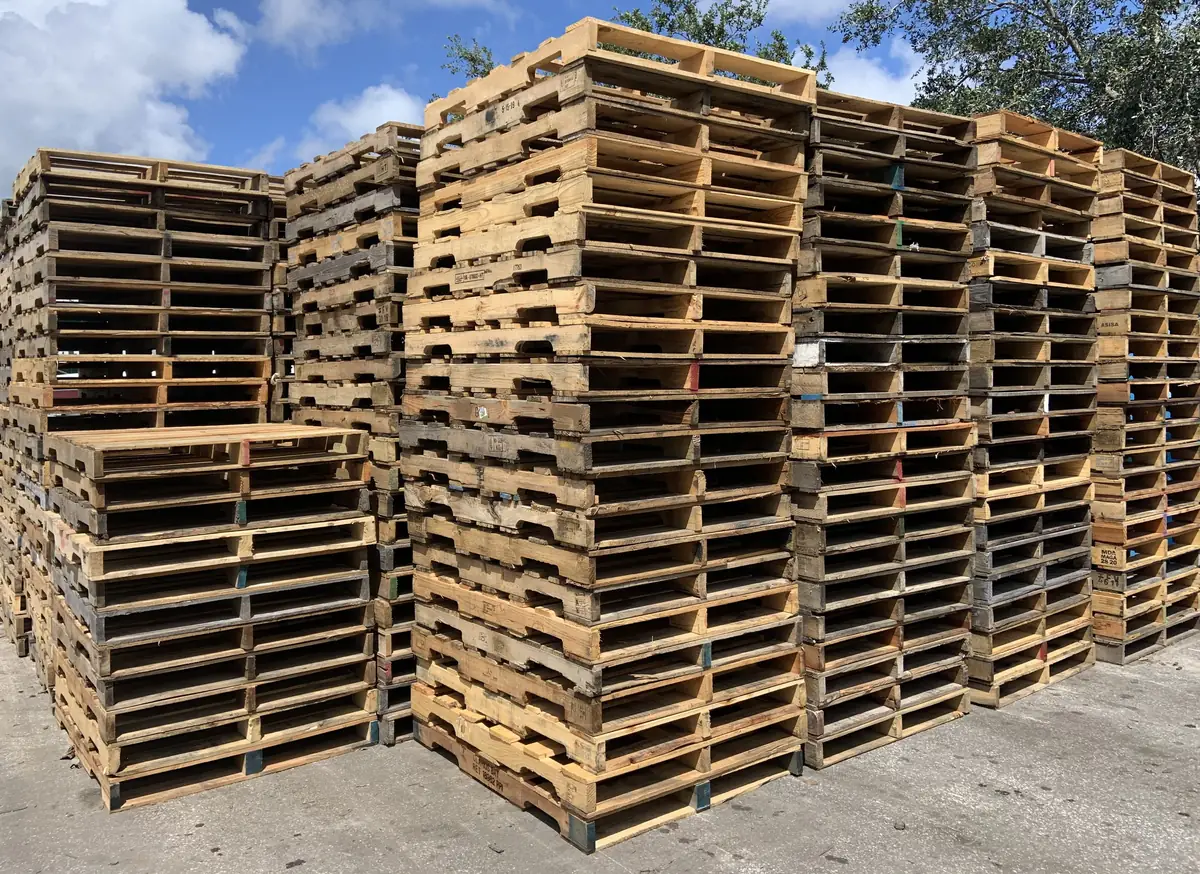
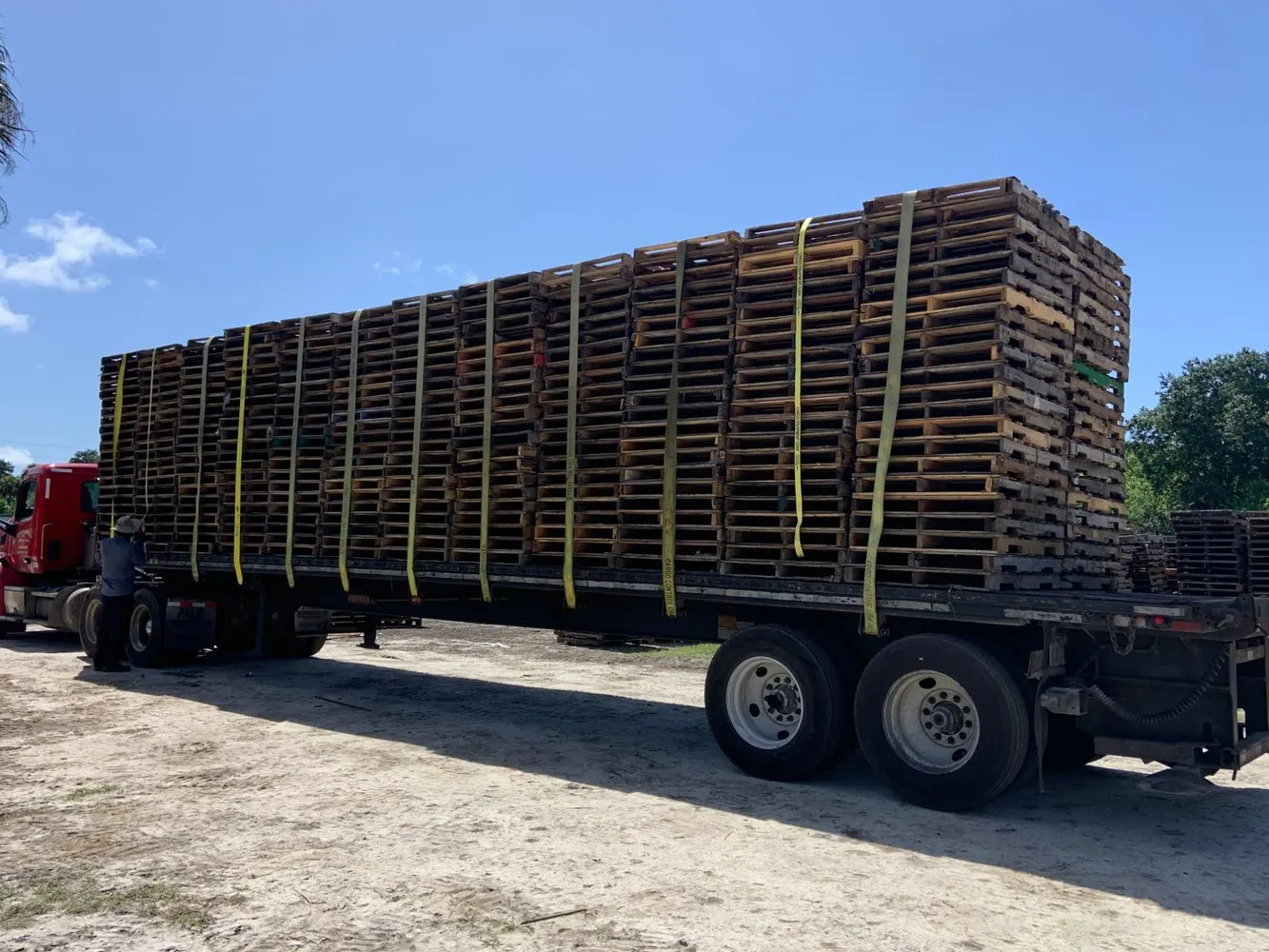
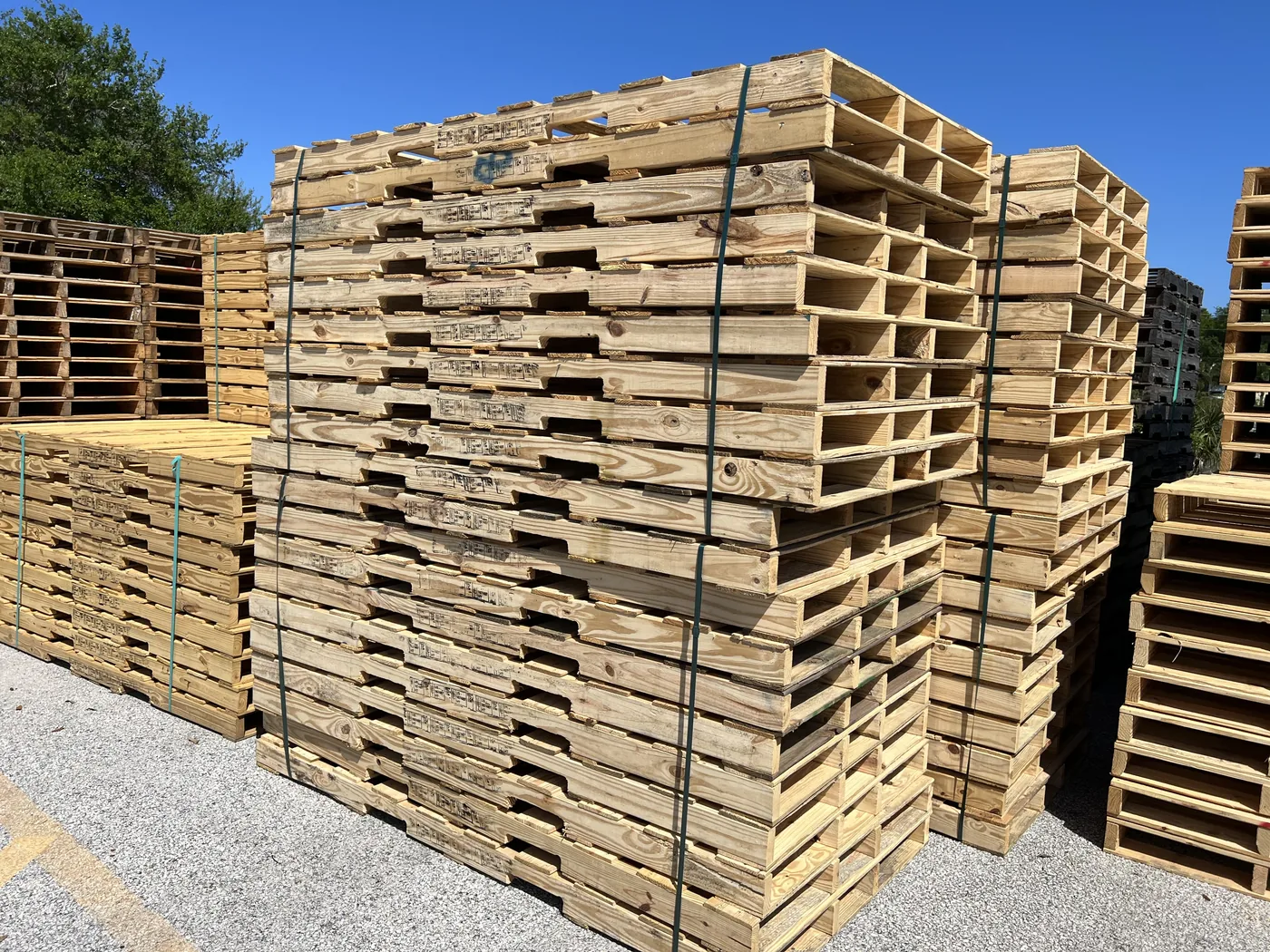
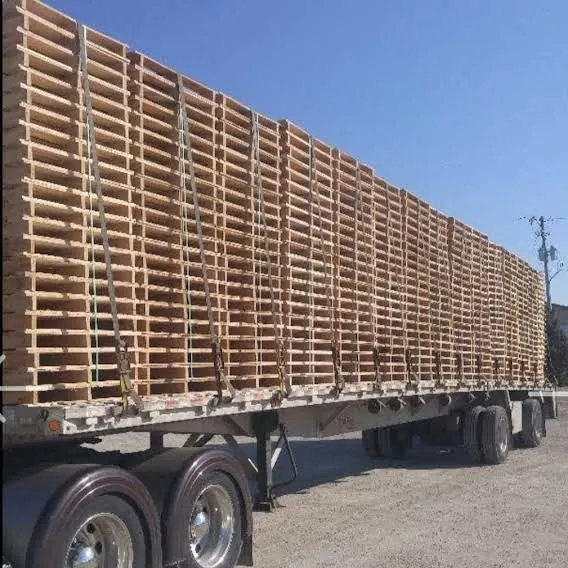
Programa palet custom-engineered Northwest Seaport Alliance (Seattle/Tacoma): 5-15 dias lead time, ASTM verified.
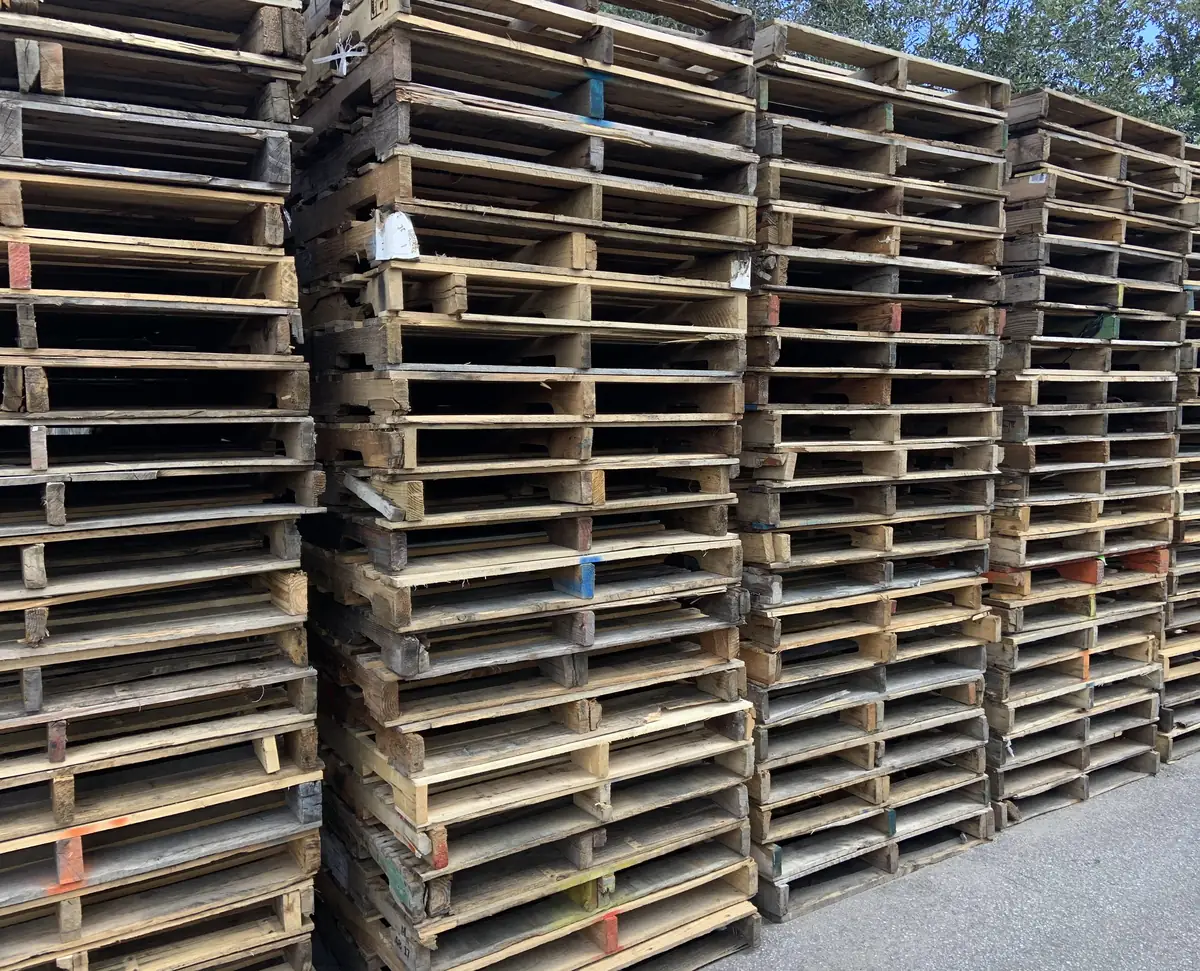
Palets Custom para Tenants Northwest Seaport Alliance
Northwest Seaport Alliance es 4th busiest US container port complex. Tenants y shippers operando en Northwest Seaport Alliance (Seattle/Tacoma, Washington) sourcing palets custom desde regional dispatch network de USP con sub-2-horas respuesta, same/next-day delivery, audit-ready compliance per FSMA, ISPM-15, GDP, OSHA frameworks.
Perfil Logistico Northwest Seaport Alliance
Northwest Seaport Alliance concentra B2B pallet demand de manufacturing tenants, 3PL fulfillment operations, retail/grocery DCs, food/beverage processors, pharmaceutical handlers. La posicion del parque como 4th busiest us container port complex drives consistent pallet throughput requiring volume-tier pricing y standing-order programs.
Especificaciones para Northwest Seaport Alliance
- Palets custom-engineered per RFQ con ASTM D1185
- NWPCA Uniform Standard grading per shipment
- ASTM D1185 dynamic y static load ratings
- FSMA Section 204 GS1 SSCC barcoding (Jan 20, 2026)
- ISPM-15 IPPC stamping en facility ALSC-accredited
- Audit-ready documentation per FSMA, GDP, OSHA, EPA SMM
Northwest Seaport Alliance 2026 Precios para Palets Custom
USP spot pricing range: $20-200+ por palet. Volume tier discounts at 500/1,000/5,000/10,000+ unidades (3-25% progressive). Standing-order programs (5,000+ unidades anuales) lock 90+ dias Northwest Seaport Alliance regional capacity at fixed pricing.
Northwest Seaport Alliance Service Coverage
- Sub-2-horas quote response durante business hours
- Same/next-day delivery a tenant docks Northwest Seaport Alliance
- Standing-order programs lock 90+ dias regional capacity
- Seattle/Tacoma-specific freight optimization
- Coordinacion dispatch con 3PL operators Northwest Seaport Alliance
Companion Pages
What's the minimum order quantity for palets custom?
50 pallets per order minimum on buy-side. Sell-side (buyback) minimum is 250 pallets per single-size load. Volume tiers kick in automatically as cumulative monthly volume increases - 500+/week accounts qualify for standing-order programs with reserved delivery slots.
How does United States Pallets compare to Washington-based local pallet suppliers?
Local Washington suppliers offer geographic proximity. United States Pallets offers nationwide sourcing depth, multi-grade inventory always in stock, sub-2-business-hour quote response, audit-ready documentation, and standing-order automation that local yards typically don't match.
Can United States Pallets handle palets custom for high-volume Seattle/Tacoma operations?
Yes. Standing-order programs for Seattle/Tacoma operations running 500+ pallets/week lock in tiered pricing, reserve delivery slots, and run on autopilot in the background. Custom contract terms available for accounts running 2,000+/week.
Does United States Pallets ship palets custom to all of Washington?
Yes. We deliver to every commercial address in Washington, with same-day shipping standard in our Southeast/Mid-Atlantic core and scheduled weekly delivery elsewhere. Seattle/Tacoma-area accounts are typical - submit a quote with your dock location and we route accordingly.
Does United States Pallets buy back used pallets in Seattle/Tacoma?
Yes. We buy back used pallets from Seattle/Tacoma collectors, recyclers, and warehouses - 250-pallet minimum per load, single-size only (no mixed-size loads). Fast ACH payment, typically same-day or net-7 depending on volume. Pickup arranged on standard outbound delivery routes.
Cotizacion: Palets Custom Northwest Seaport Alliance
Respuesta sub-2-horas.