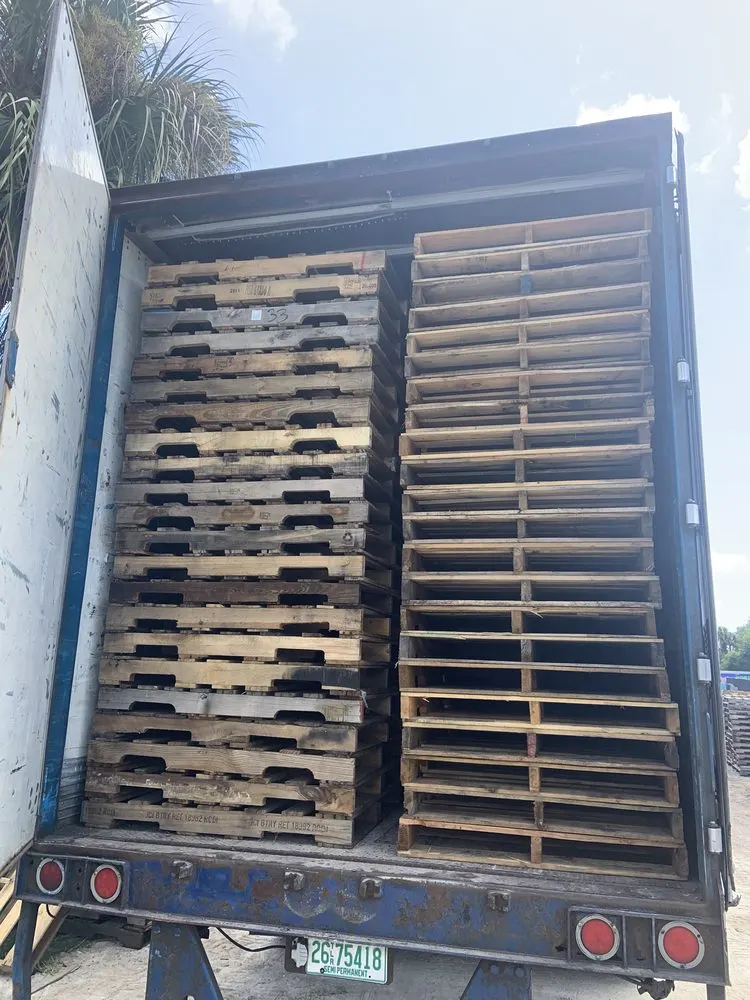
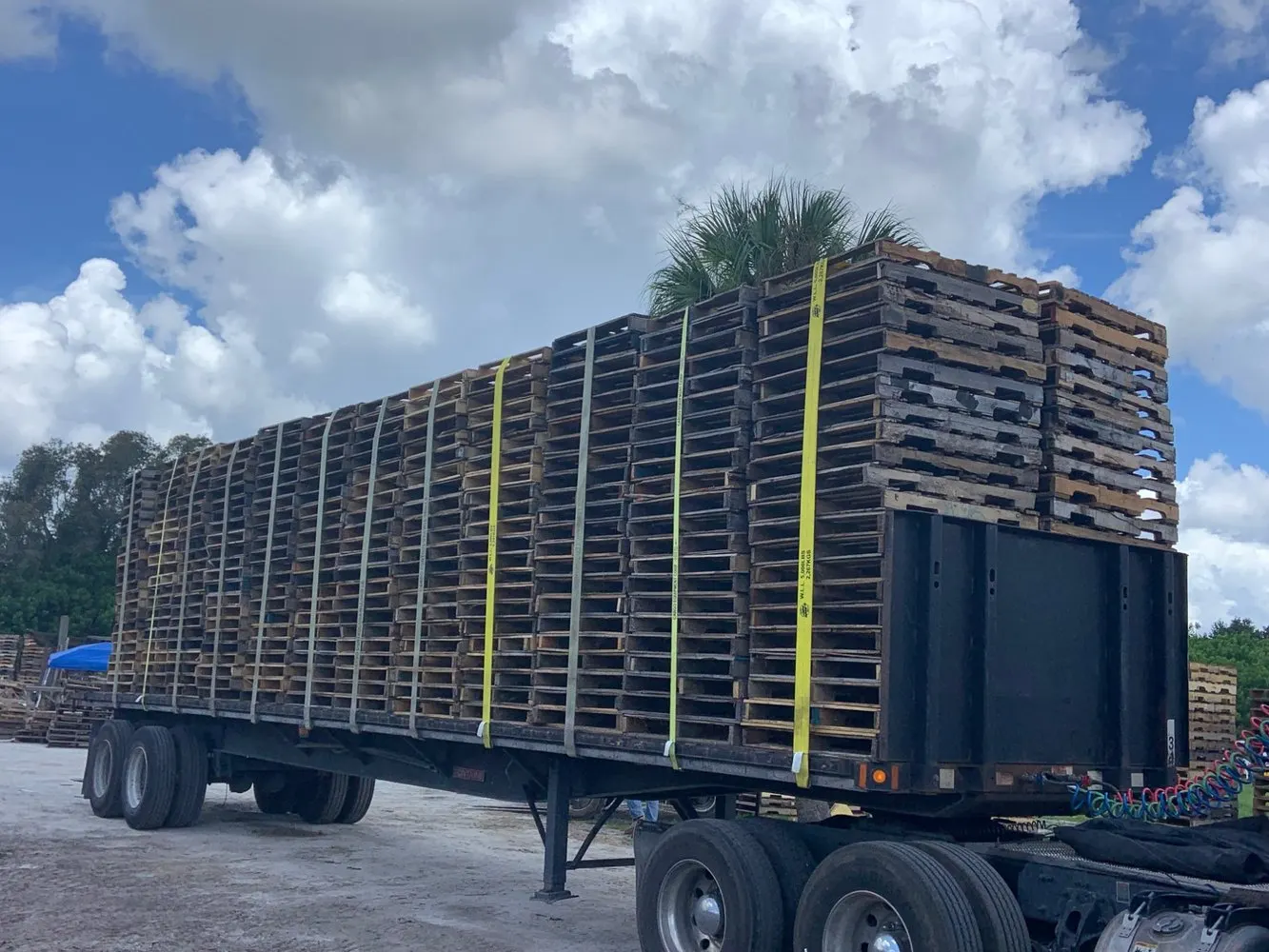
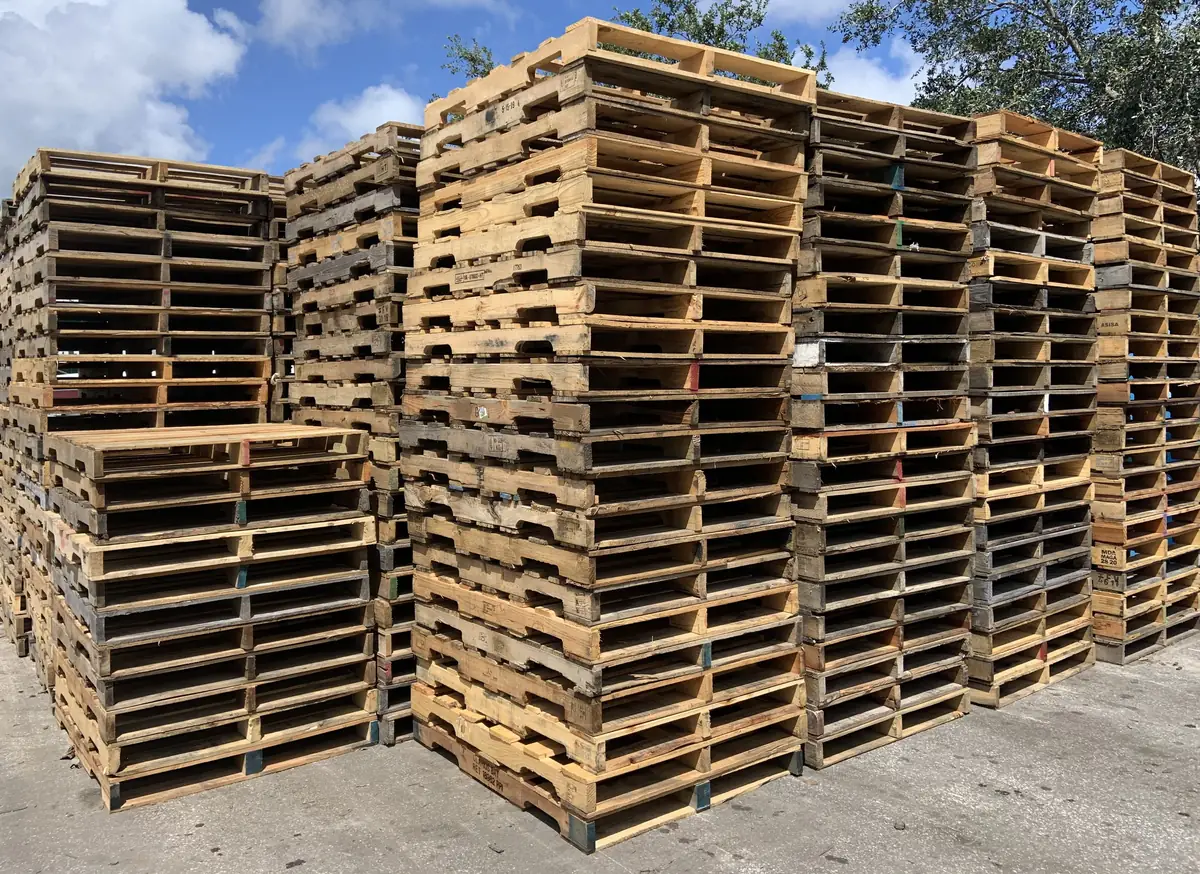
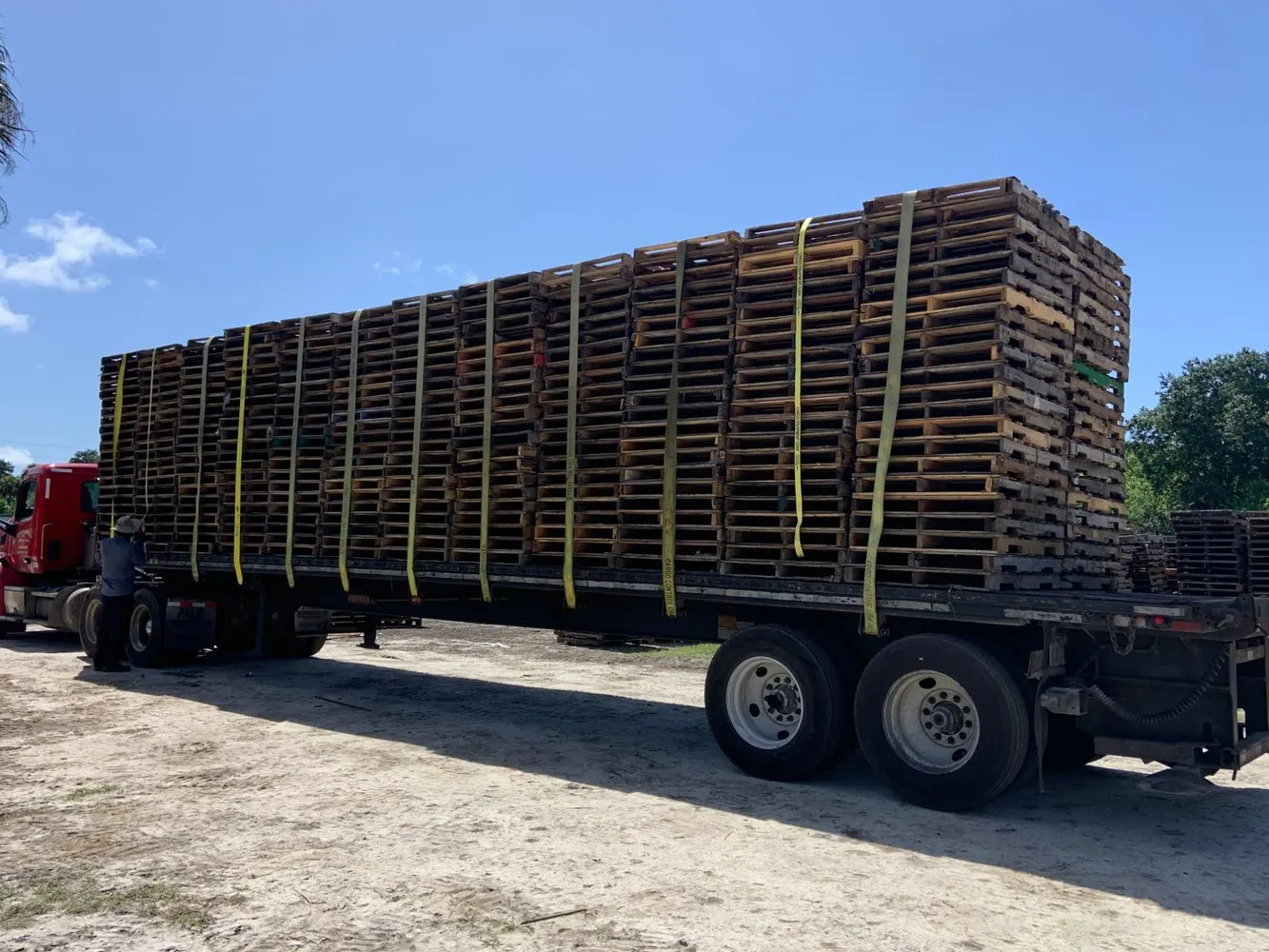
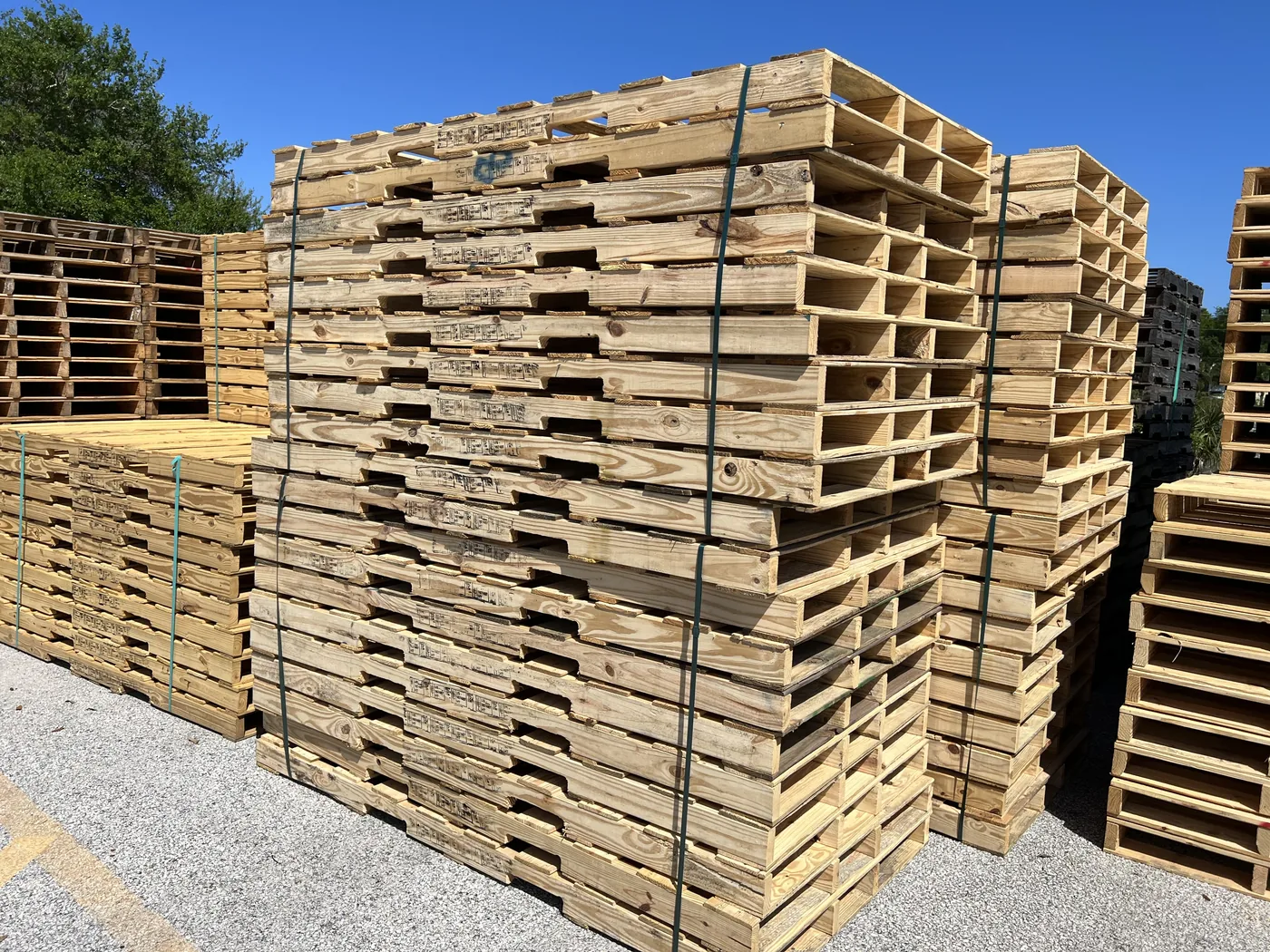
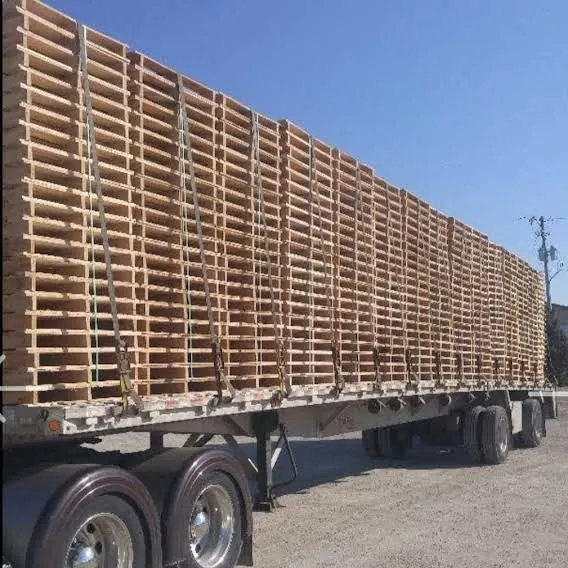
Detroit-Windsor Border 3PL operators sourcing palets nuevos de USP - kiln-dried, NWPCA-graded, ISPM-15 ready.
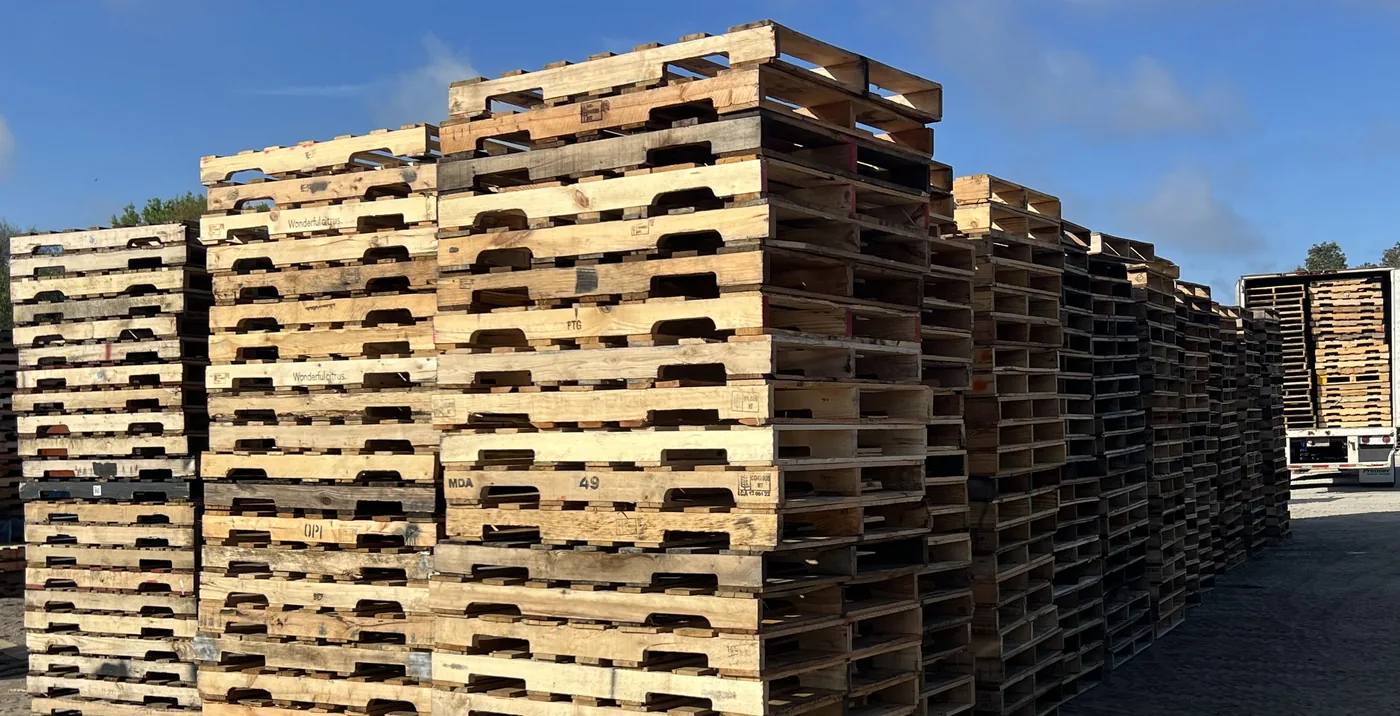
Palets Nuevos para Tenants Detroit-Windsor Border
Detroit-Windsor Border es largest US-Canada commercial border crossing. Tenants y shippers operando en Detroit-Windsor Border (Detroit, Michigan) sourcing palets nuevos desde regional dispatch network de USP con sub-2-horas respuesta, same/next-day delivery, audit-ready compliance per FSMA, ISPM-15, GDP, OSHA frameworks.
Perfil Logistico Detroit-Windsor Border
Detroit-Windsor Border concentra B2B pallet demand de manufacturing tenants, 3PL fulfillment operations, retail/grocery DCs, food/beverage processors, pharmaceutical handlers. La posicion del parque como largest us-canada commercial border crossing drives consistent pallet throughput requiring volume-tier pricing y standing-order programs.
Especificaciones para Detroit-Windsor Border
- Palets nuevos GMA 48x40, kiln-dried, ASTM D1185 verificado
- NWPCA Uniform Standard grading per shipment
- ASTM D1185 dynamic y static load ratings
- FSMA Section 204 GS1 SSCC barcoding (Jan 20, 2026)
- ISPM-15 IPPC stamping en facility ALSC-accredited
- Audit-ready documentation per FSMA, GDP, OSHA, EPA SMM
Detroit-Windsor Border 2026 Precios para Palets Nuevos
USP spot pricing range: $11-28 por palet. Volume tier discounts at 500/1,000/5,000/10,000+ unidades (3-25% progressive). Standing-order programs (5,000+ unidades anuales) lock 90+ dias Detroit-Windsor Border regional capacity at fixed pricing.
Detroit-Windsor Border Service Coverage
- Sub-2-horas quote response durante business hours
- Same/next-day delivery a tenant docks Detroit-Windsor Border
- Standing-order programs lock 90+ dias regional capacity
- Detroit-specific freight optimization
- Coordinacion dispatch con 3PL operators Detroit-Windsor Border
Companion Pages
How does United States Pallets compare to Michigan-based local pallet suppliers?
Local Michigan suppliers offer geographic proximity. United States Pallets offers nationwide sourcing depth, multi-grade inventory always in stock, sub-2-business-hour quote response, audit-ready documentation, and standing-order automation that local yards typically don't match.
What's the minimum order quantity for palets nuevos?
50 pallets per order minimum on buy-side. Sell-side (buyback) minimum is 250 pallets per single-size load. Volume tiers kick in automatically as cumulative monthly volume increases - 500+/week accounts qualify for standing-order programs with reserved delivery slots.
Can United States Pallets handle palets nuevos for high-volume Detroit operations?
Yes. Standing-order programs for Detroit operations running 500+ pallets/week lock in tiered pricing, reserve delivery slots, and run on autopilot in the background. Custom contract terms available for accounts running 2,000+/week.
Does United States Pallets supply palets nuevos for export from Detroit?
Yes, with ISPM-15 heat-treated pallets carrying IPPC stamps and full ISPM-15 documentation. Required for international shipments to all WTO member countries. Common for Detroit customers with port access via Michigan's major export gateways.
How fast does United States Pallets deliver to Detroit, Michigan?
Same-day shipping in our Southeast/Mid-Atlantic core (FL, GA, AL, TN, MS, SC, NC, KY, VA) and scheduled weekly delivery elsewhere. Express options available for Detroit rush orders. Quote response under 2 business hours, dispatch within hours of order confirmation.
Cotizacion: Palets Nuevos Detroit-Windsor Border
Respuesta sub-2-horas.