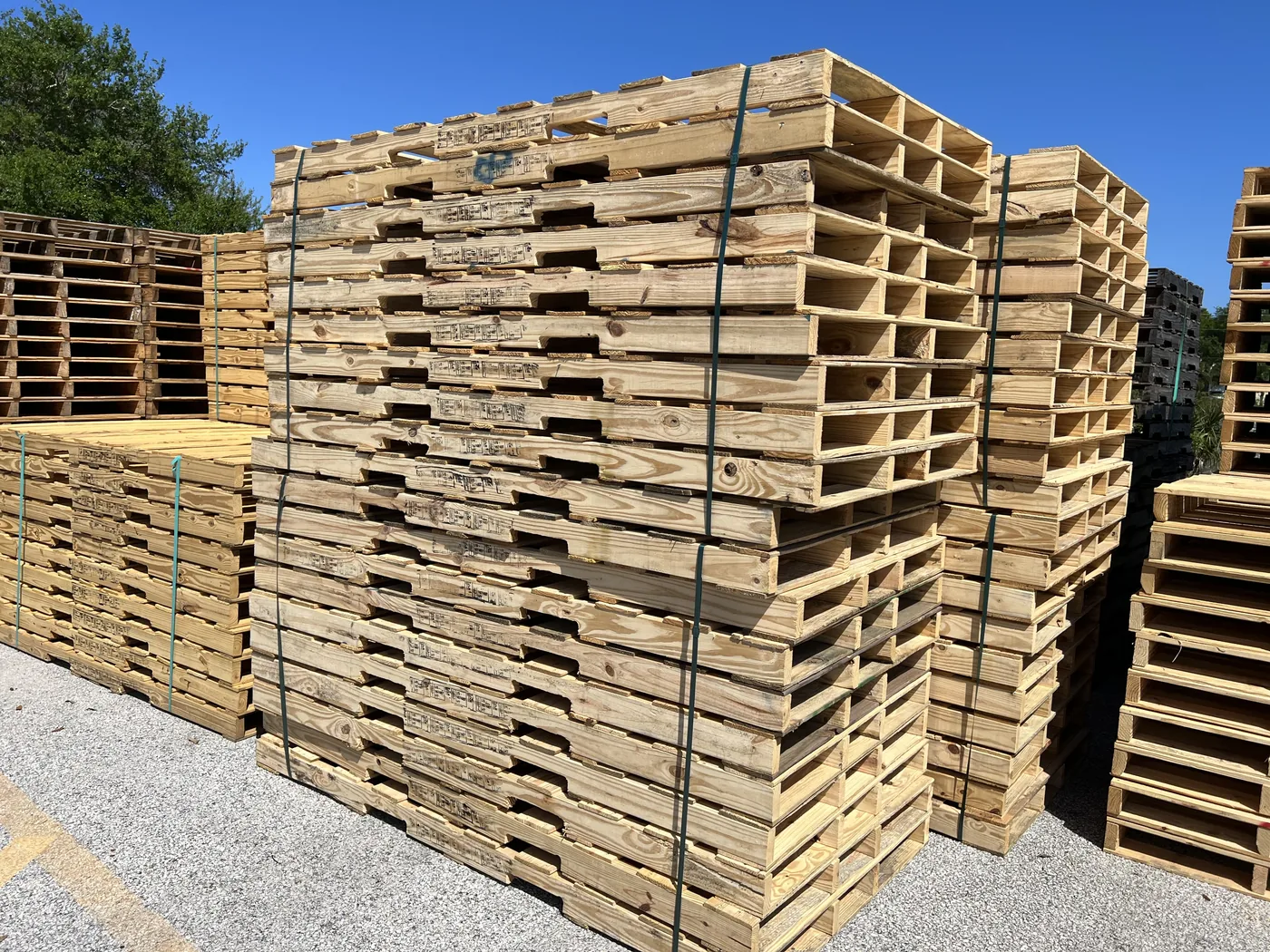
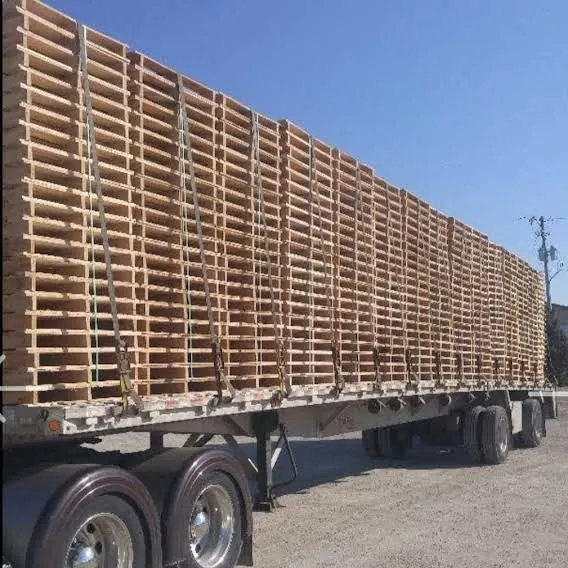
B2B palet reciclado grado a para operaciones Illinois.
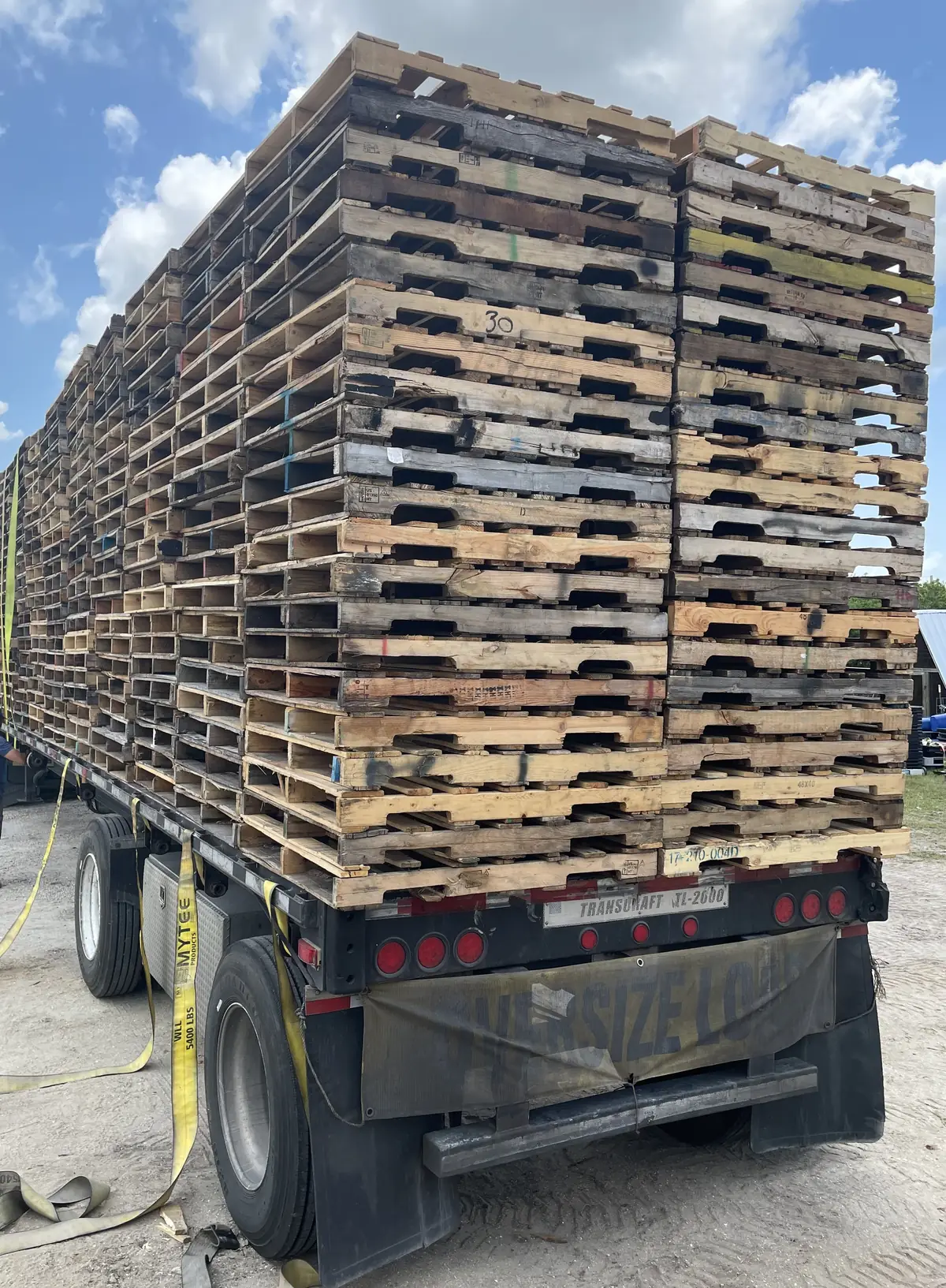
Palet Reciclado Grado A para Illinois
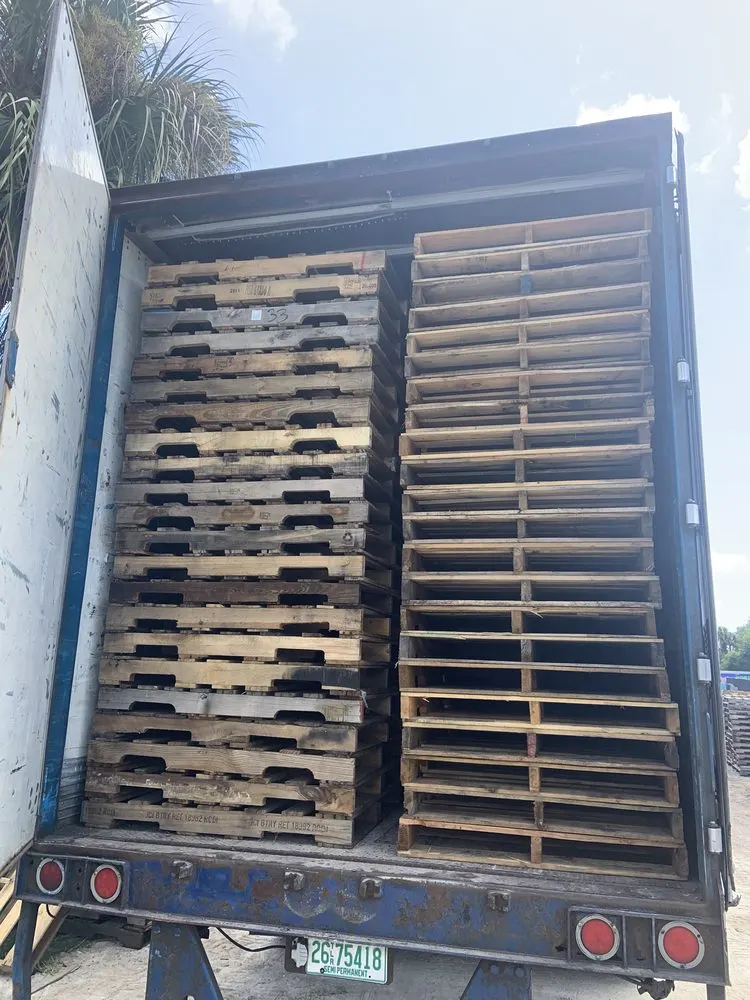
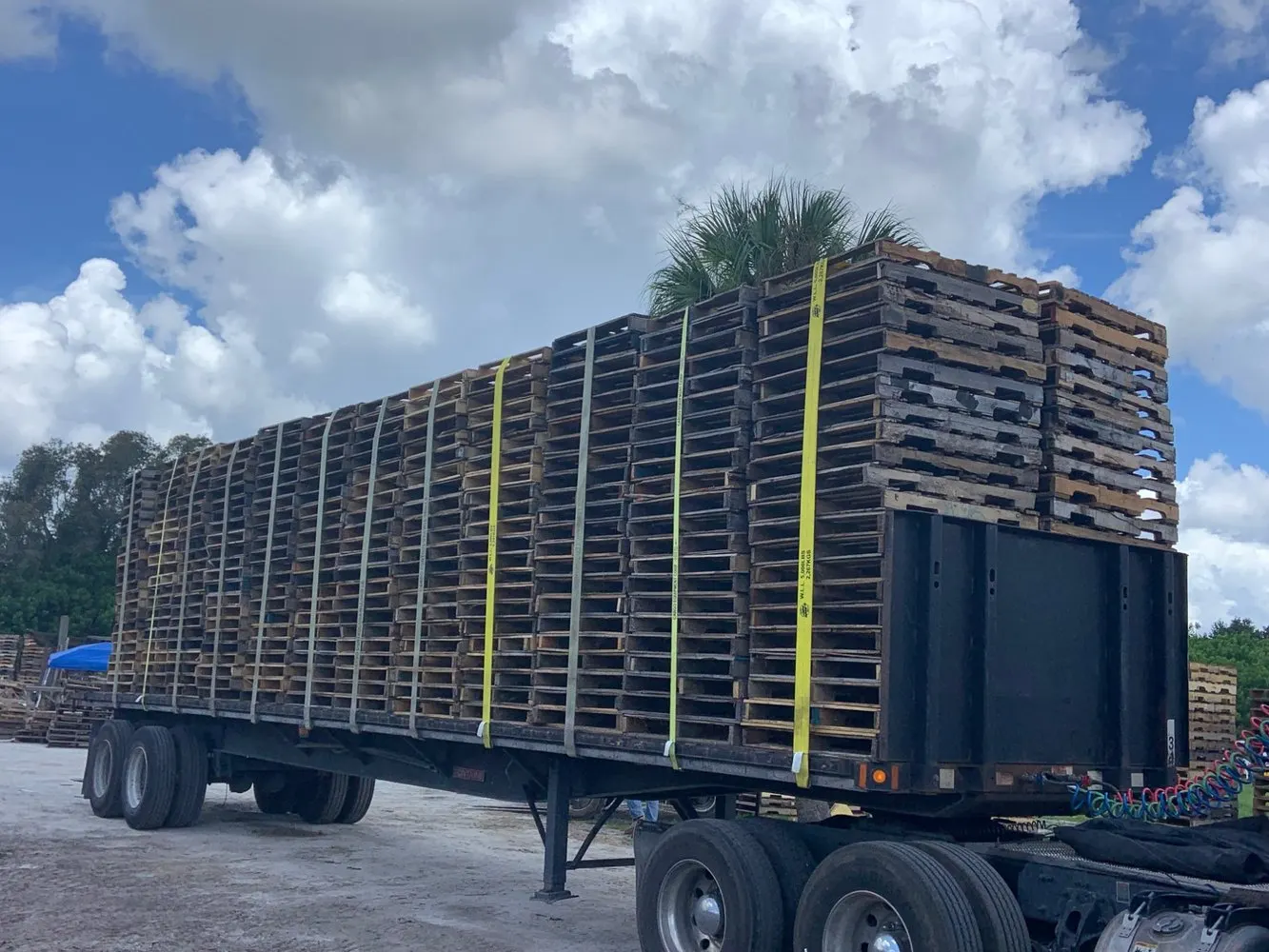
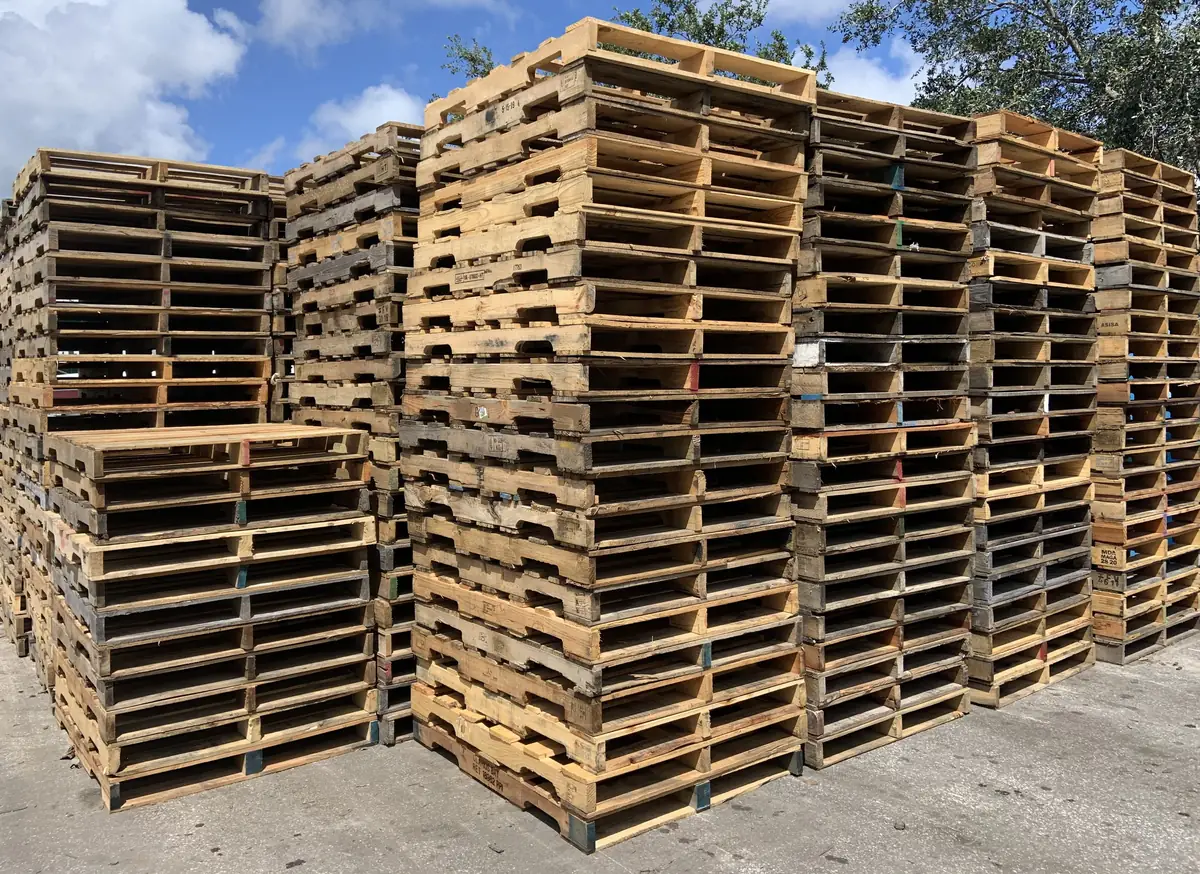
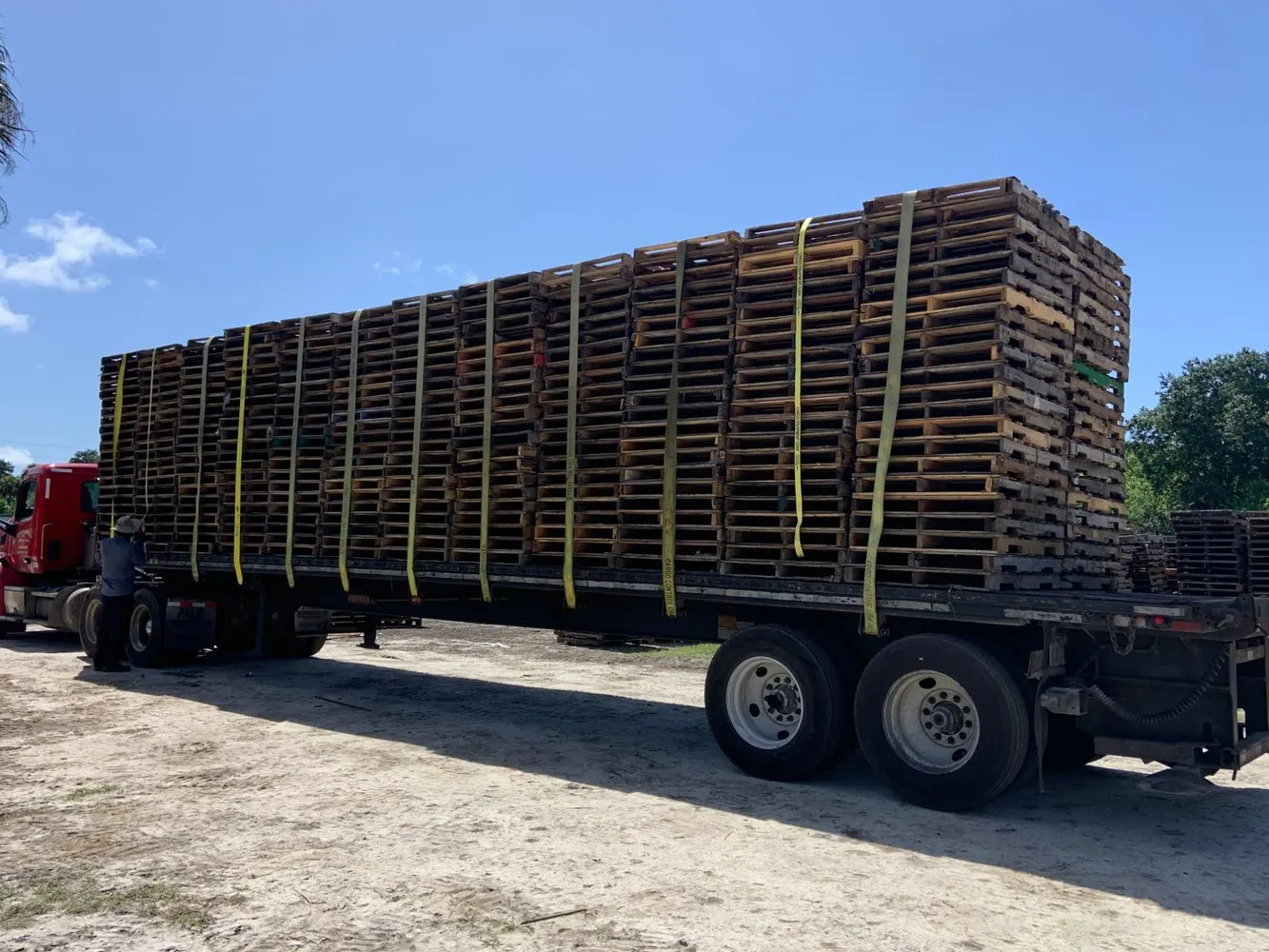
USP entrega palet reciclado grado a a operaciones Illinois: NWPCA Grado A reciclado - sin componentes rotos/faltantes, 2,800+ lbs dynamic, retailer-receiving capable. Cada pedido Illinois ships from regional dispatch con respuesta sub-2-horas y documentacion audit-ready per FSMA, ISPM-15, GDP, OSHA, EPA.
Especificaciones
| Spec | Valor |
|---|---|
| Tipo | Palet Reciclado Grado A |
| Descripcion | NWPCA Grado A reciclado - sin componentes rotos/faltantes, 2,800+ lbs dynamic, retailer-receiving capable |
| Precio Spot (Illinois) | $7-11 por palet |
| Capacidad Carga | 3,500-4,200 lbs estatica |
| Estandar | NWPCA Uniform Standard / ASTM D1185 |
Entrega Estatal en Illinois
- Respuesta cotizacion sub-2-horas durante horario laborable
- Entrega mismo/siguiente dia en mercados core de IL
- Programas standing-order locks 90+ dias capacidad Illinois
- Optimizacion freight especifica Illinois
Volumen Tier Pricing
| Tier | Volumen | Descuento |
|---|---|---|
| Spot | 50-499 unidades | Base |
| Tier 1 | 500-999 | 3-5% off |
| Tier 2 | 1,000-4,999 | 5-10% off |
| Tier 3 | 5,000-9,999 | 10-15% off |
| Standing-Order | 10,000+/ano | 15-25% off |
Cumplimiento Illinois
- FSMA Sanitary Transportation para aplicaciones alimentos
- ISPM-15 para exportacion via puertos Illinois
- OSHA 29 CFR 1910.176 para stack stability y pallet handling
- EPA SMM hierarchy para disposicion EOL
- State environmental: Cualquier overlay especifico de Illinois
Paginas Companeras
What credit terms does United States Pallets offer Illinois customers?
Net-30 credit terms standard after the first 1-3 prepaid or COD loads while credit is being established. Submit a credit application with three trade references; approval typically processes within 48 hours. Volume accounts can negotiate net-45 or net-60.
Can United States Pallets handle Palet Reciclado Grado A for high-volume Illinois operations?
Yes. Standing-order programs for Illinois operations running 500+ pallets/week lock in tiered pricing, reserve delivery slots, and run on autopilot in the background. Custom contract terms available for accounts running 2,000+/week.
What documentation accompanies Palet Reciclado Grado A loads?
BOL, packing list, grade certifications standard. Heat-treated loads add IPPC stamps and ISPM-15 documentation. Pharma-grade loads add batch records. Food-grade loads add FSMA Sanitary Transportation Rule certifications. All documentation ships electronically before delivery.
What's the minimum order quantity for Palet Reciclado Grado A?
50 pallets per order minimum on buy-side. Sell-side (buyback) minimum is 250 pallets per single-size load. Volume tiers kick in automatically as cumulative monthly volume increases - 500+/week accounts qualify for standing-order programs with reserved delivery slots.
Does United States Pallets buy back used pallets in Illinois?
Yes. We buy back used pallets from Illinois collectors, recyclers, and warehouses - 250-pallet minimum per load, single-size only (no mixed-size loads). Fast ACH payment, typically same-day or net-7 depending on volume. Pickup arranged on standard outbound delivery routes.
Cotizacion: Palet Reciclado Grado A Illinois
Respuesta sub-2-horas.