FDA Food Safety Modernization Act compliant pallets for Oregon food, beverage, and cold-chain operations.
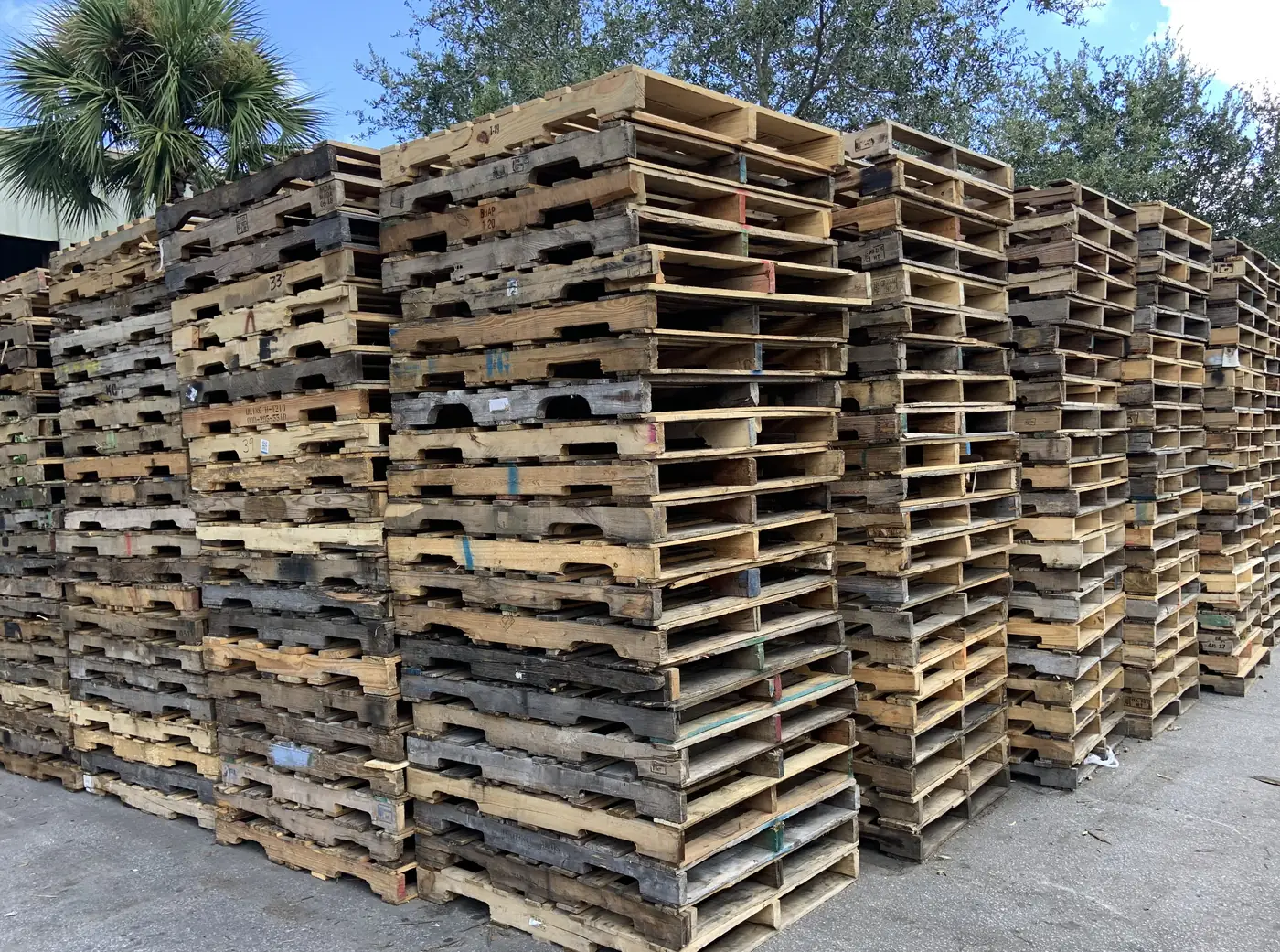
FSMA Compliant Pallet Supply for Oregon
USP delivers FSMA Sanitary Transportation Rule compliant pallets (21 CFR Part 1, Subpart O) to Oregon food, beverage, dairy, produce, seafood, and cold-chain operations. Each pallet meets FSMA requirements for cleanability, non-contamination, and sanitary condition.
FSMA Specifications for Oregon
- Construction: Kiln-dried (8-15% moisture content)
- Sanitary condition: No chemical residues, no foreign matter, clean appearance
- Documentation: FSMA Sanitary Transportation certificate with every order
- FSMA Section 204 (Jan 2026): GS1 SSCC barcoding for foods on FDA Food Traceability List
FSMA Section 204 Enforcement (Jan 2026)
FSMA Section 204 enhanced traceability is in enforcement starting January 20, 2026 for foods on the FDA Food Traceability List. Oregon operations handling FTL foods (leafy greens, herbs, melons, peppers, sprouts, cucumbers, tomatoes, tropical tree fruits, fresh-cut, soft cheeses, finfish, crustaceans, ready-to-eat foods) need GS1 SSCC barcoding for unit-load identity.
Why USP for Oregon FSMA-Regulated Operations
- Kiln-dried inventory meeting 8-15% MC requirement
- FSMA documentation on every order
- GS1 SSCC barcoding support for FSMA Section 204 compliance
- Audit-ready paperwork for FDA inspections
- Sub-2-hour quote response during business hours
Oregon FSMA-Regulated Industries
- Food processing and distribution
- Beverage bottling
- Dairy operations
- Produce shipping
- Seafood processing
- Cold-chain warehousing
- Restaurant and foodservice supply
Companion Resources
Does United States Pallets ship FSMA pallets to all of Oregon?
Yes. We deliver to every commercial address in Oregon, with same-day shipping standard in our Southeast/Mid-Atlantic core and scheduled weekly delivery elsewhere. Oregon-area accounts are typical - submit a quote with your dock location and we route accordingly.
How fast does United States Pallets deliver to Oregon, Oregon?
Same-day shipping in our Southeast/Mid-Atlantic core (FL, GA, AL, TN, MS, SC, NC, KY, VA) and scheduled weekly delivery elsewhere. Express options available for Oregon rush orders. Quote response under 2 business hours, dispatch within hours of order confirmation.
What's the minimum order quantity for FSMA pallets?
50 pallets per order minimum on buy-side. Sell-side (buyback) minimum is 250 pallets per single-size load. Volume tiers kick in automatically as cumulative monthly volume increases - 500+/week accounts qualify for standing-order programs with reserved delivery slots.
Can Oregon customers run a buyback program alongside their pallet purchases?
Yes. Backhaul logistics are coordinated on outbound delivery routes - empty or non-spec pallets get picked up on the return leg of new pallet deliveries. Per-pallet freight cost on the backhaul approaches zero for accounts running both new-pallet purchase + buyback simultaneously.
Does United States Pallets supply FSMA pallets for export from Oregon?
Yes, with ISPM-15 heat-treated pallets carrying IPPC stamps and full ISPM-15 documentation. Required for international shipments to all WTO member countries. Common for Oregon customers with port access via Oregon's major export gateways.
Quote: FSMA Pallets Oregon
Sub-2-hour response with FSMA documentation.