GMA 48x40 pallet supplier in Parsippany, New Jersey ZIP 07054. New stringer $11-18, block $18-28. ASTM D1185, kiln-dried, retailer-receiving compliant.
GMA Pallet Supplier in Parsippany, New Jersey 07054
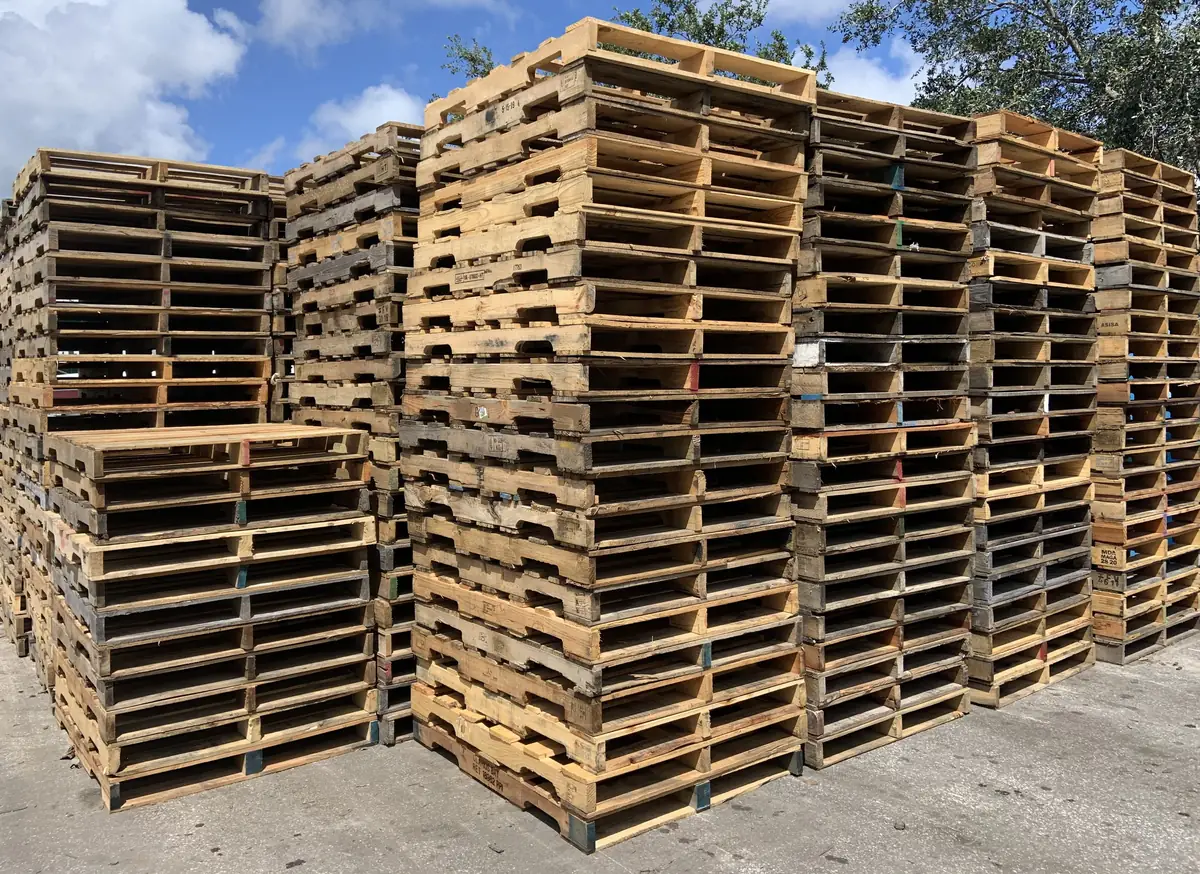
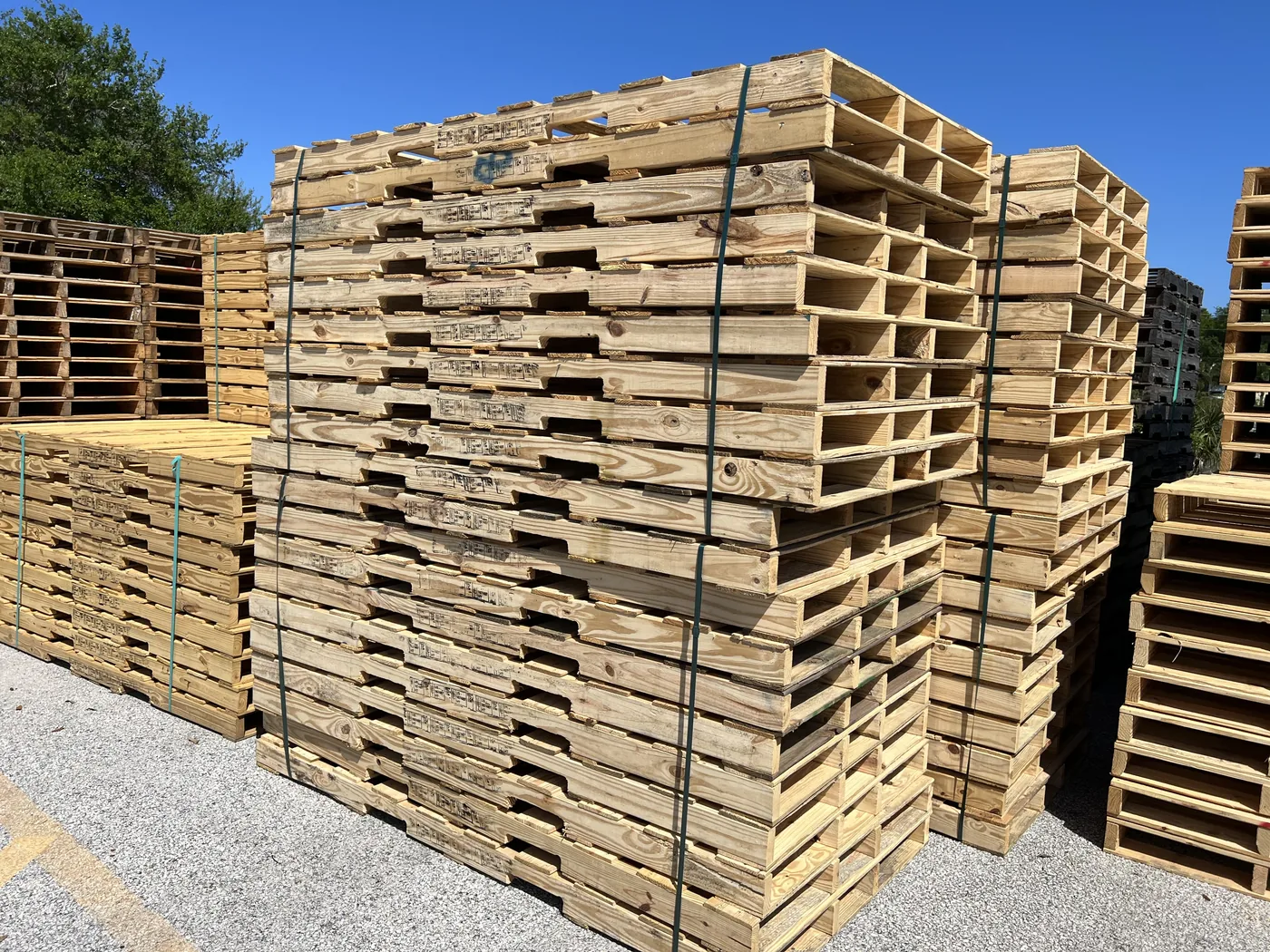
USP is the GMA 48x40 pallet supplier for Parsippany, New Jersey (07054, Morris County) buyers. Grocery Manufacturers Association standard since 1960s - 80% of US retail/grocery distribution uses GMA 48x40. New GMA stringer: $11-18 (4,600 lbs static, 2,800 lbs racked). New GMA block: $18-28 (5,500 lbs static, 3,800 lbs racked). Retailer-receiving compliant for Walmart, Target, Costco, Amazon FBA, Kroger, Publix, Albertsons, Aldi, Whole Foods. Optional ISPM-15 stamping +$0.85-1.10 for export. NWPCA Uniform Standard grading per shipment, ASTM D1185 load testing on file, FSMA Sanitary Transportation alignment.
Parsippany, New Jersey 2026 Pricing
| Pallet Type | Parsippany Spot Range |
|---|---|
| New GMA 48x40 stringer | $11-18 |
| New GMA 48x40 block | $18-28 |
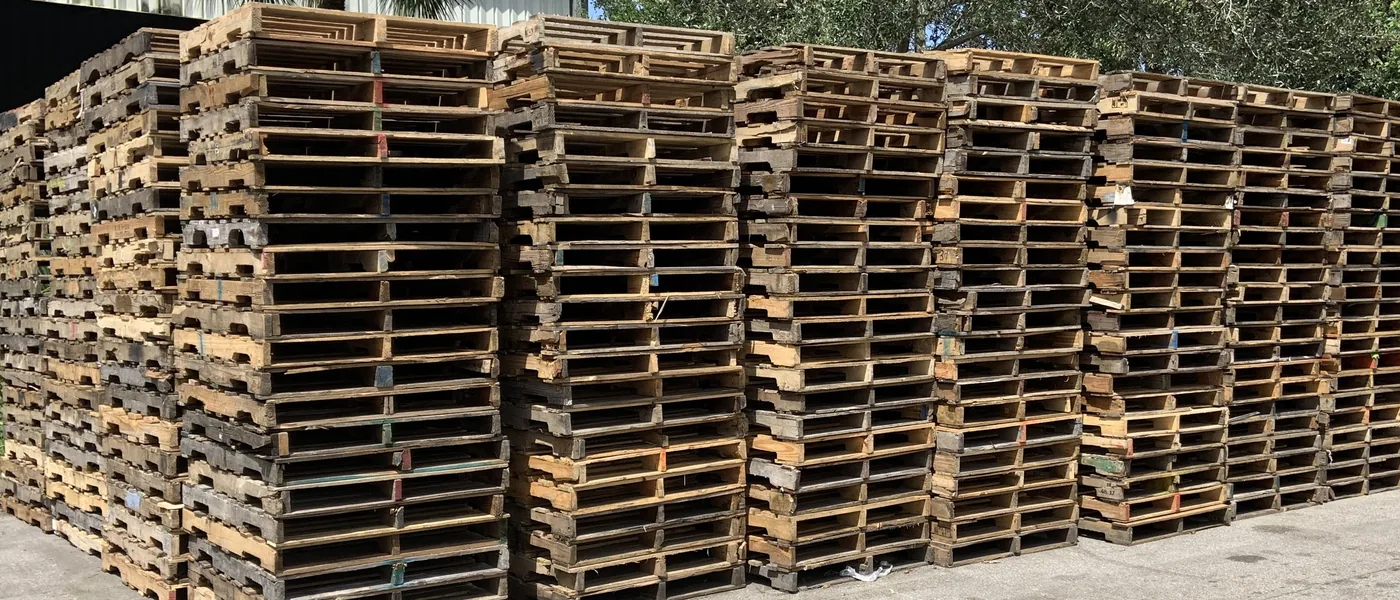
| Recycled Grade A | $7-11 |
| Custom engineered | $20-200+ |
| Wooden crates | $50-3,000+ |
| ISPM-15 stamping (add) | +$0.85-1.10 |
Parsippany Service Coverage
- Sub-2-hour quote response during business hours
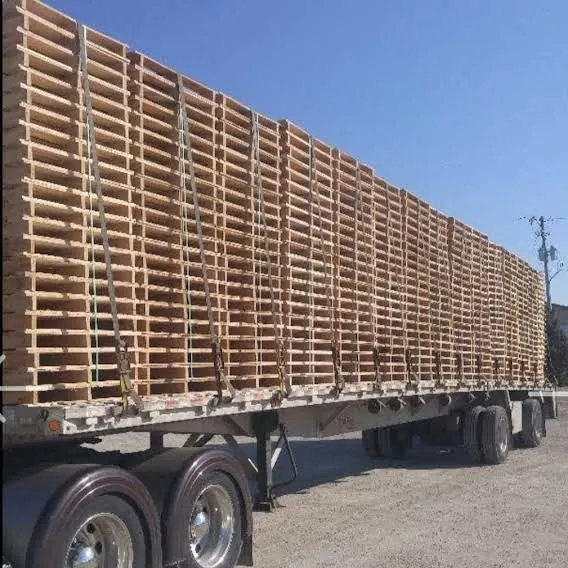
- Same/next-day delivery throughout Parsippany, Morris County
- Audit-ready documentation per FSMA, ISPM-15, GDP, OSHA
- NWPCA Uniform Standard grading per shipment
- EPA SMM hierarchy alignment
- Coverage: ZIP 07054 and surrounding Parsippany metropolitan area
Companion Pages
- All ZIPs in Parsippany, New Jersey
- Pallet Supplier Parsippany 07054
- Pallets Near Me Parsippany 07054
Can Parsippany customers run a buyback program alongside their pallet purchases?
Yes. Backhaul logistics are coordinated on outbound delivery routes - empty or non-spec pallets get picked up on the return leg of new pallet deliveries. Per-pallet freight cost on the backhaul approaches zero for accounts running both new-pallet purchase + buyback simultaneously.
Can United States Pallets handle gma pallet supplier for high-volume Parsippany operations?
Yes. Standing-order programs for Parsippany operations running 500+ pallets/week lock in tiered pricing, reserve delivery slots, and run on autopilot in the background. Custom contract terms available for accounts running 2,000+/week.
What documentation accompanies gma pallet supplier loads?
BOL, packing list, grade certifications standard. Heat-treated loads add IPPC stamps and ISPM-15 documentation. Pharma-grade loads add batch records. Food-grade loads add FSMA Sanitary Transportation Rule certifications. All documentation ships electronically before delivery.
Does United States Pallets supply gma pallet supplier for export from Parsippany?
Yes, with ISPM-15 heat-treated pallets carrying IPPC stamps and full ISPM-15 documentation. Required for international shipments to all WTO member countries. Common for Parsippany customers with port access via New Jersey's major export gateways.
What credit terms does United States Pallets offer Parsippany customers?
Net-30 credit terms standard after the first 1-3 prepaid or COD loads while credit is being established. Submit a credit application with three trade references; approval typically processes within 48 hours. Volume accounts can negotiate net-45 or net-60.
Quote: GMA Pallet Supplier Parsippany, NJ 07054
Sub-2-hour response.