Heat-treated ISPM-15 pallets in Salem, South Dakota ZIP 57058. ALSC-accredited 56C core 30+ min, IPPC mark, +$0.85-1.10. Export ready.
Get a Price →Heat-treated ISPM-15 pallets in Salem, South Dakota ZIP 57058. ALSC-accredited 56C core 30+ min, IPPC mark, +$0.85-1.10. Export ready.
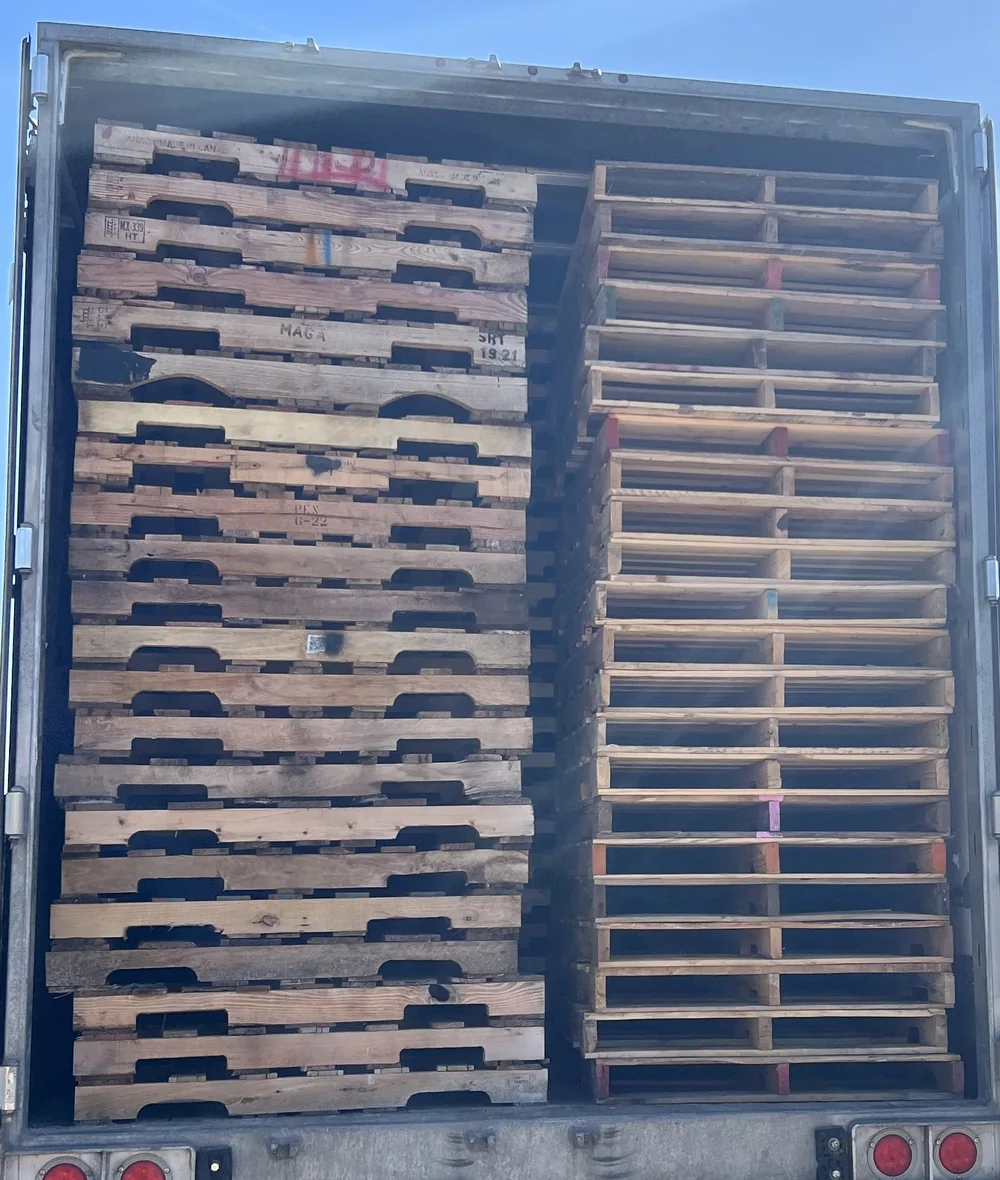
USP supplies heat-treated ISPM-15 IPPC stamped pallets to Salem, South Dakota (57058, Mccook County) buyers for international export to 180+ IPPC member countries. Heat treatment 56C core temperature for 30+ minutes at ALSC-accredited facility. IPPC mark with country code (US), facility code, and HT designation on every pallet. USDA-APHIS phytosanitary documentation included. Stamping cost +$0.85-1.10 per pallet over base. Required for export to EU (with EUDR alignment effective Dec 30, 2025), China, Japan, Korea, Mexico, Brazil, Canada, Australia, India.
| Pallet Type | Salem Spot Range |
|---|---|
| New GMA 48x40 stringer | $11-18 |
| New GMA 48x40 block | $18-28 |
| Recycled Grade A | $7-11 |
| Custom engineered | $20-200+ |
| Wooden crates | $50-3,000+ |
| ISPM-15 stamping (add) | +$0.85-1.10 |
Local South Dakota suppliers offer geographic proximity. United States Pallets offers nationwide sourcing depth, multi-grade inventory always in stock, sub-2-business-hour quote response, audit-ready documentation, and standing-order automation that local yards typically don't match.
Yes, with ISPM-15 heat-treated pallets carrying IPPC stamps and full ISPM-15 documentation. Required for international shipments to all WTO member countries. Common for Salem customers with port access via South Dakota's major export gateways.
Yes. We buy back used pallets from Salem collectors, recyclers, and warehouses - 250-pallet minimum per load, single-size only (no mixed-size loads). Fast ACH payment, typically same-day or net-7 depending on volume. Pickup arranged on standard outbound delivery routes.
Yes. We deliver to every commercial address in South Dakota, with same-day shipping standard in our Southeast/Mid-Atlantic core and scheduled weekly delivery elsewhere. Salem-area accounts are typical - submit a quote with your dock location and we route accordingly.
BOL, packing list, grade certifications standard. Heat-treated loads add IPPC stamps and ISPM-15 documentation. Pharma-grade loads add batch records. Food-grade loads add FSMA Sanitary Transportation Rule certifications. All documentation ships electronically before delivery.
Sub-2-hour response.
Heat-treatment chamber maintained at 56C core for 30 minutes per ISPM-15 Annex 1; each load shipped with a treatment certificate signed by a USDA-registered inspector.
Dry-van loads handle weather-sensitive pallet stock and food-grade freight; sealed loads with bill-of-lading documentation; supports DOT-required commercial routing.
Buyback programs pay current market rate for returned pallets in Grade A condition; minimum 50 pallets per pickup; integrated with our recycling stream for sustainability reporting.
Block pallets (four-way entry) use nine 4-inch hardwood blocks with continuous-face top deck; ideal for ASRS (automated storage and retrieval) and AGV (automated guided vehicle) operations where stringer interruptions cause read-failures.
ISPM-15 export pallets receive heat treatment to 56C core temperature for 30 minutes; stamping shows IPPC logo, country code 'US', registered facility number, and treatment code 'HT'.
Drop-trailer programs maintain a customer-dedicated 53-foot trailer on-site; we swap full-for-empty on a scheduled 24/48/72-hour rotation; preferred for high-throughput dock operations.
Marine industry suppliers (Fort Lauderdale, Stuart, Miami) use exterior-rated pallets that resist saltwater corrosion; treated lumber stock available; preferred for boat-component freight to Bahamas and Caribbean.
ISPM-15 export documentation included on every applicable load at no additional cost; some competitors charge $50-150 per load for the certificate; we don't.
Sustainability reports provided quarterly to standing-order customers; documents pallets recycled, lumber diverted from landfill, and CO2-equivalent savings vs new-only sourcing.