B2B grocery & retail pallet supply for Port of Baltimore tenants (Baltimore, MD).
Grocery & Retail at Port of Baltimore
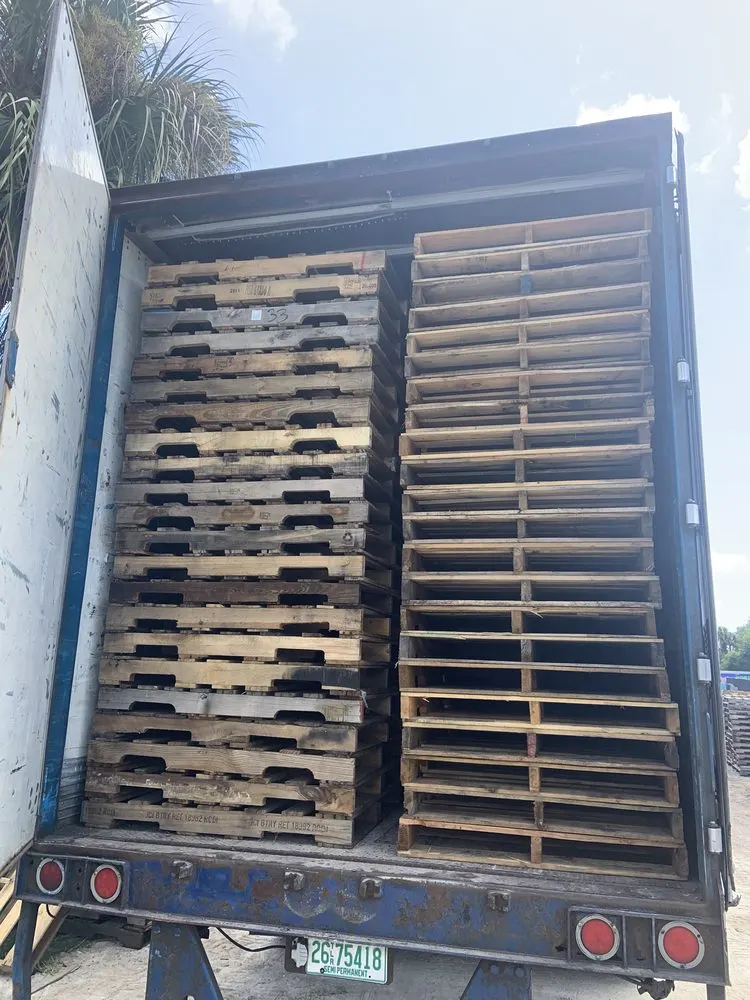
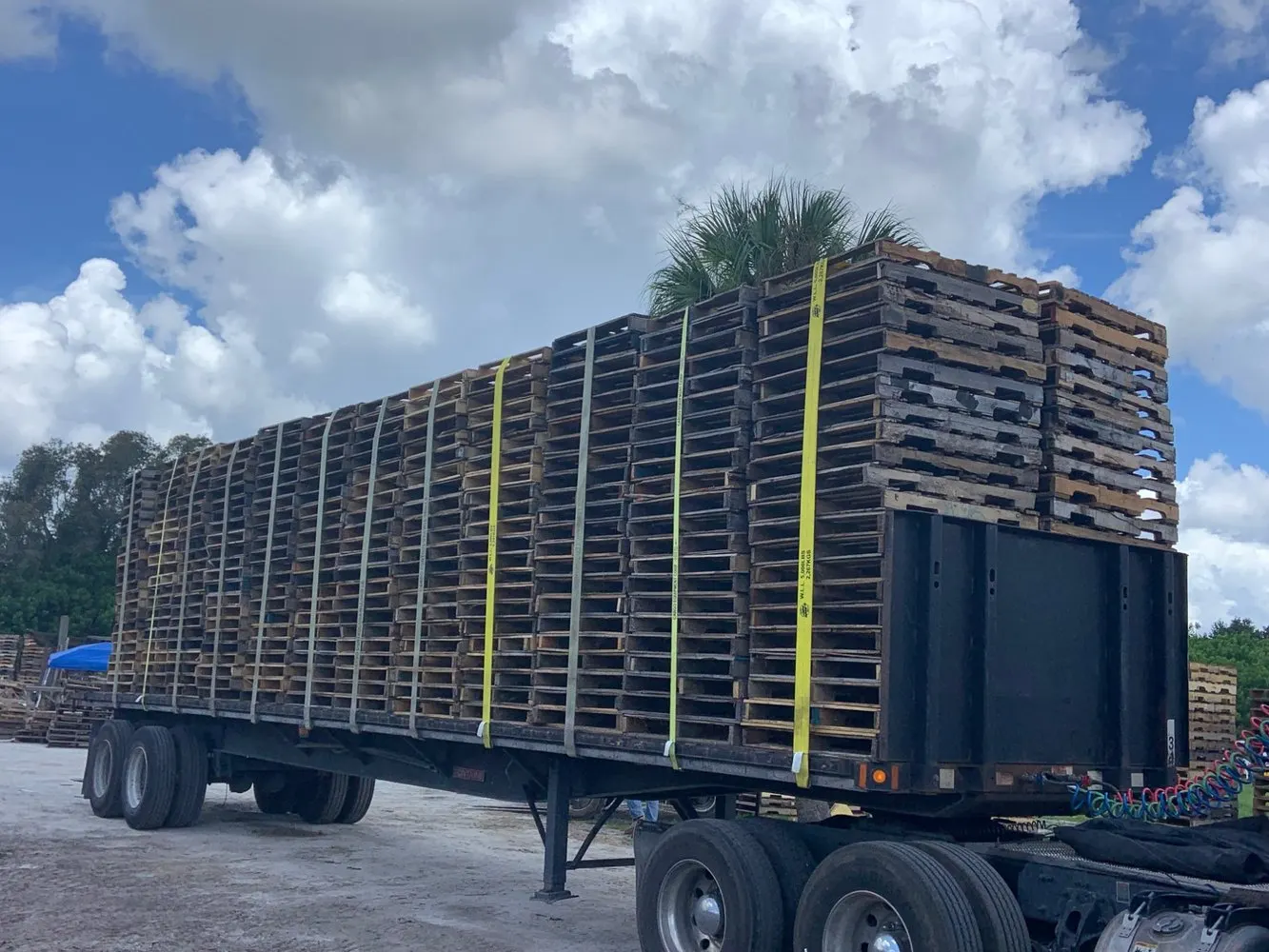
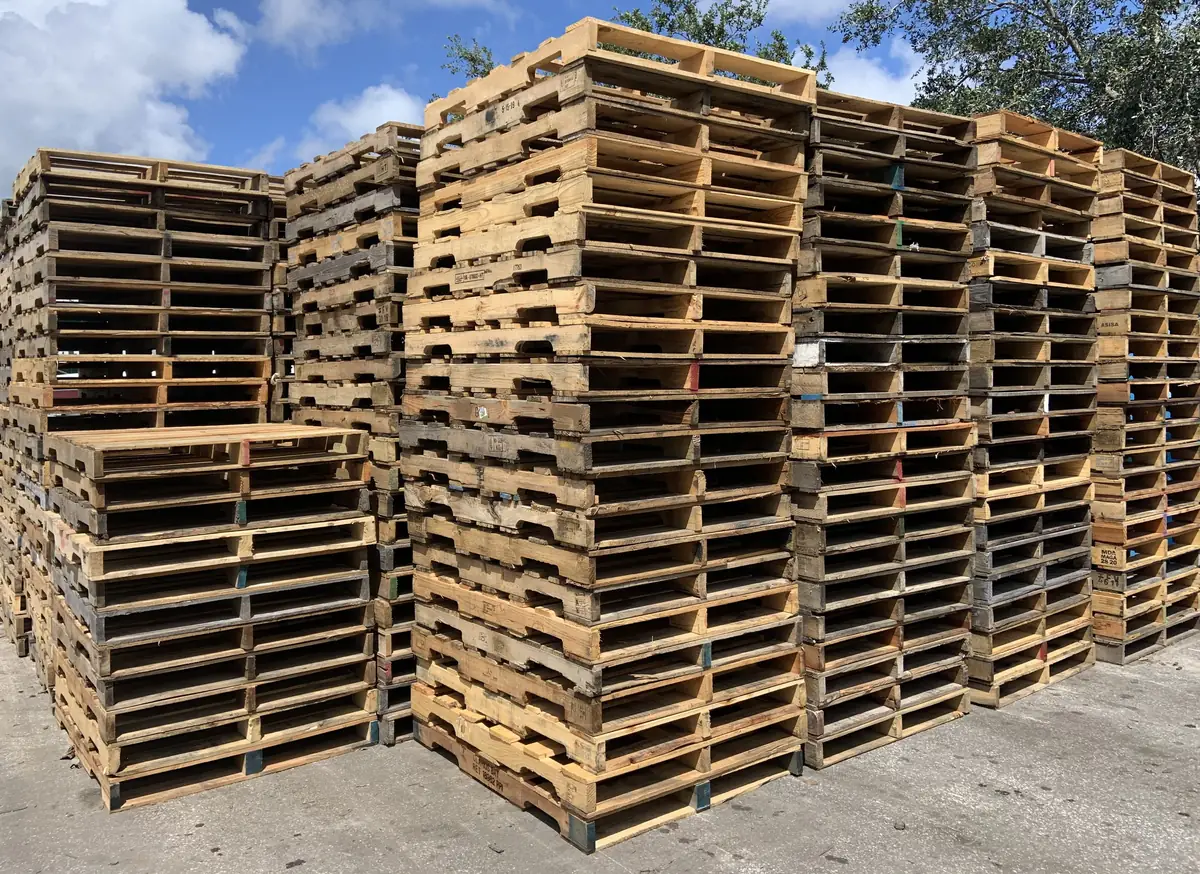
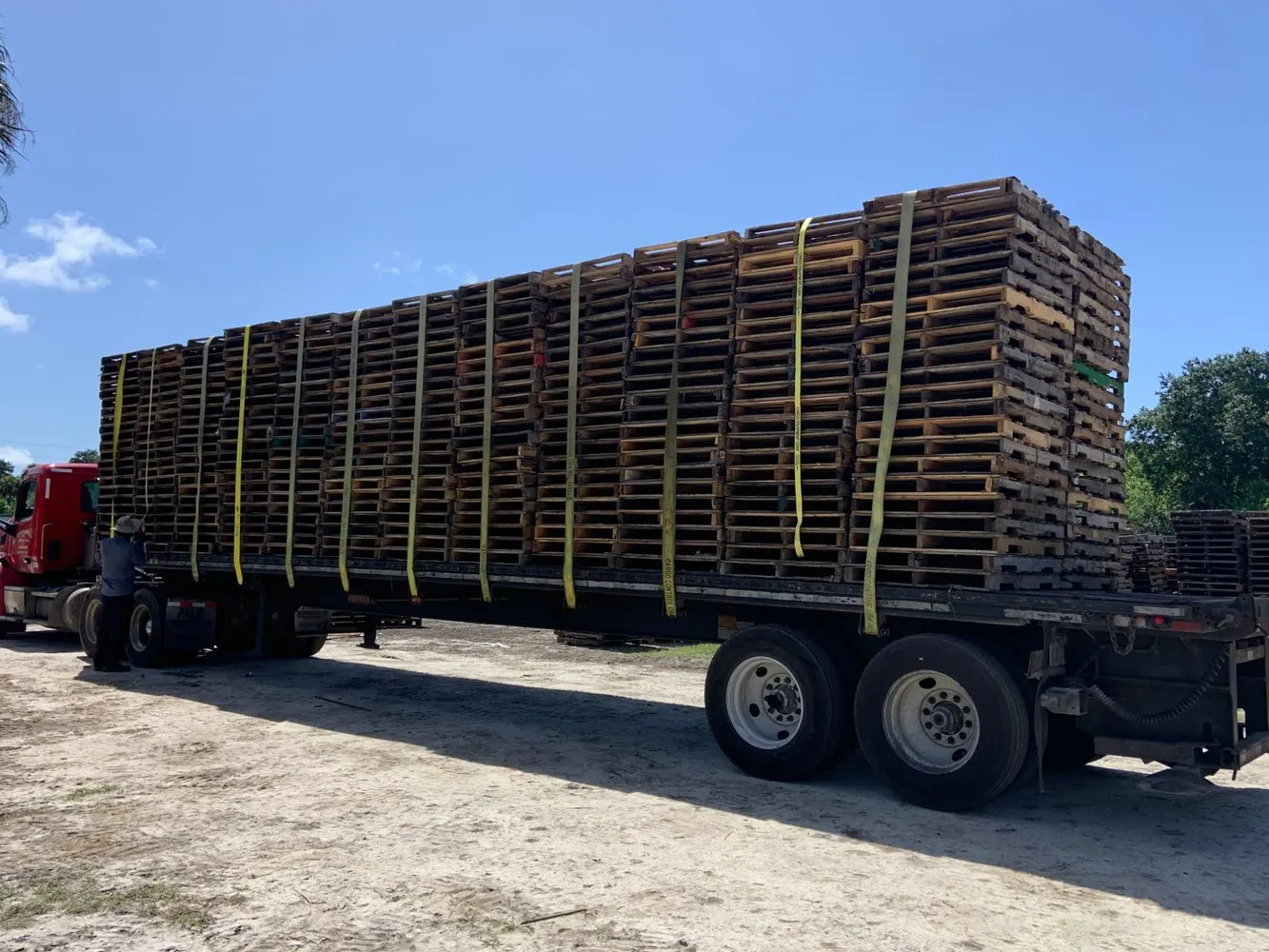
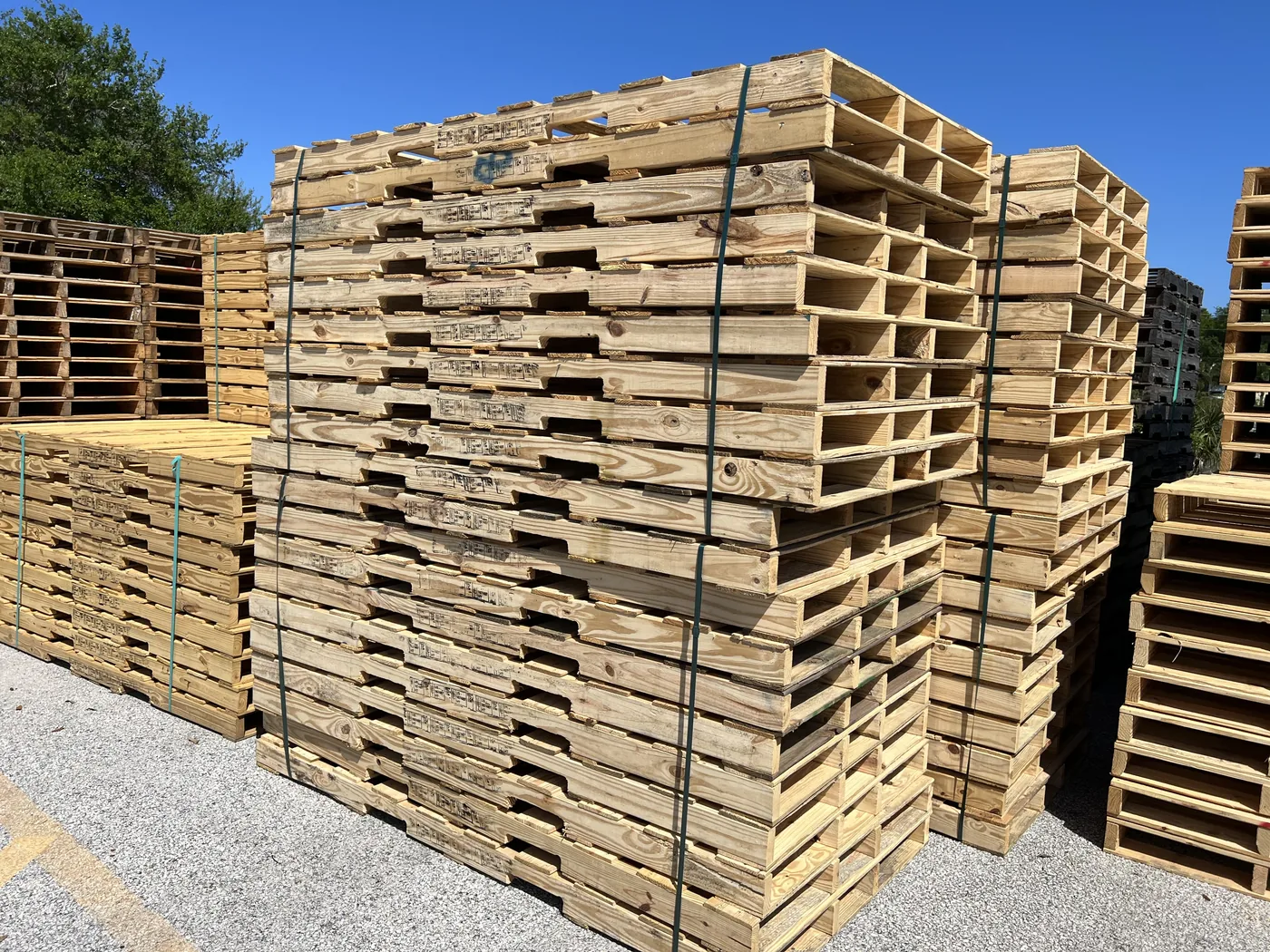
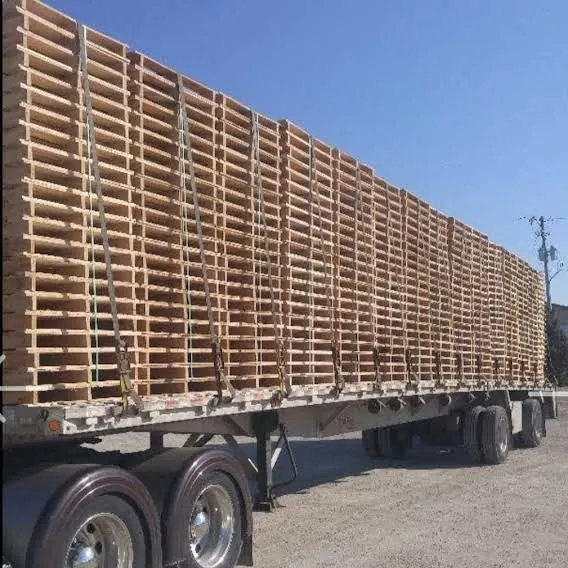
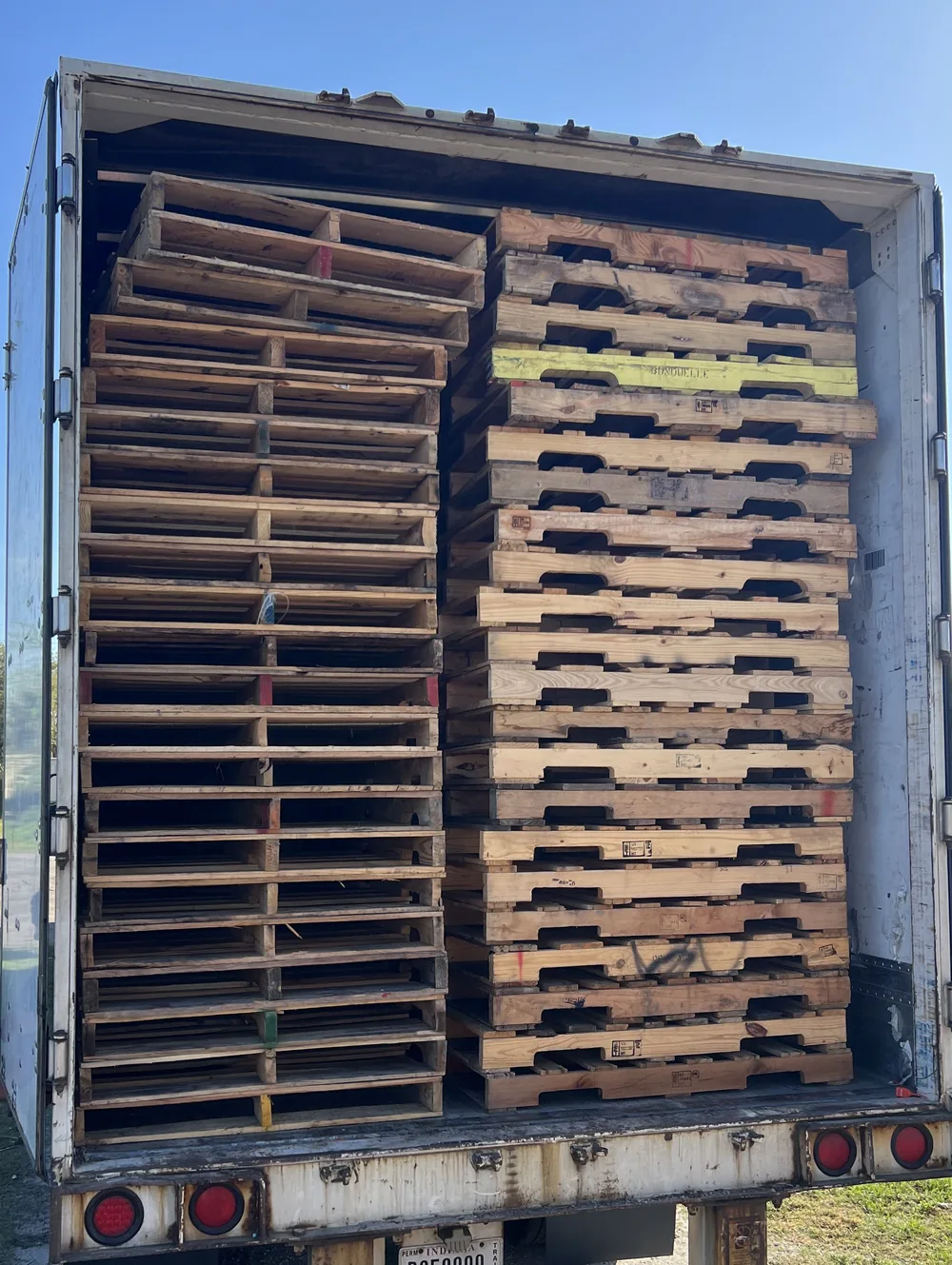
Port of Baltimore is top US port for autos and roll-on/roll-off cargo. The park's grocery & retail tenants source pallets from USP's regional dispatch with GMA 48x40 standard, retailer-receiving compliant, RFID where mandated. Sub-2-hour quote response, same/next-day delivery to tenant docks, audit-ready documentation per FSMA, ISPM-15, GDP, OSHA, and EPA frameworks.
Grocery & Retail Specs at Port of Baltimore
- Construction: GMA 48x40 standard, retailer-receiving compliant, RFID where mandated
- NWPCA Uniform Standard for grading and quality
- ASTM D1185 dynamic and static load ratings on file
- FSMA Section 204 GS1 SSCC barcoding (FDA Traceability List items, Jan 20, 2026)
- ISPM-15 IPPC stamping for export through Port of Baltimore's logistics gateway
- Volume tier pricing with progressive 3-25% discount
Port of Baltimore Grocery & Retail Logistics Profile
Port of Baltimore concentrates grocery & retail demand from manufacturing tenants, 3PL fulfillment operators, retail/grocery distribution centers, food/beverage processors, and pharmaceutical handlers operating at the park. The park's position as top us port for autos and roll-on/roll-off cargo drives consistent pallet throughput requiring volume-tier pricing, standing-order programs, and audit-ready documentation chains aligned with grocery & retail compliance frameworks.
Port of Baltimore 2026 Pricing for Grocery & Retail
| Pallet Type | Port of Baltimore Spot Range |
|---|---|
| New GMA 48x40 stringer (Grocery & Retail) | $11-18 |
| New GMA 48x40 block (Grocery & Retail) | $18-28 |
| Recycled Grade A (NWPCA-graded) | $7-11 |
| Custom engineered for Grocery & Retail | $20-200+ |
| ISPM-15 stamping (add) | +$0.85-1.10 |
Port of Baltimore Service Coverage
- Sub-2-hour quote response during business hours
- Same/next-day delivery to Port of Baltimore tenant docks
- Standing-order programs lock 90+ days of regional capacity
- Baltimore-specific freight optimization with intermodal connections
- Grocery & Retail-specific compliance documentation (FSMA, GDP, ISPM-15)
Companion Pages
- Port of Baltimore Profile
- New Pallets at Port of Baltimore
- Recycled Pallets at Port of Baltimore
- Grocery & Retail Industry Hub
Can Baltimore customers run a buyback program alongside their pallet purchases?
Yes. Backhaul logistics are coordinated on outbound delivery routes - empty or non-spec pallets get picked up on the return leg of new pallet deliveries. Per-pallet freight cost on the backhaul approaches zero for accounts running both new-pallet purchase + buyback simultaneously.
What documentation accompanies Grocery & Retail pallets loads?
BOL, packing list, grade certifications standard. Heat-treated loads add IPPC stamps and ISPM-15 documentation. Pharma-grade loads add batch records. Food-grade loads add FSMA Sanitary Transportation Rule certifications. All documentation ships electronically before delivery.
What's the minimum order quantity for Grocery & Retail pallets?
50 pallets per order minimum on buy-side. Sell-side (buyback) minimum is 250 pallets per single-size load. Volume tiers kick in automatically as cumulative monthly volume increases - 500+/week accounts qualify for standing-order programs with reserved delivery slots.
Can United States Pallets handle Grocery & Retail pallets for high-volume Baltimore operations?
Yes. Standing-order programs for Baltimore operations running 500+ pallets/week lock in tiered pricing, reserve delivery slots, and run on autopilot in the background. Custom contract terms available for accounts running 2,000+/week.
How fast does United States Pallets deliver to Baltimore, Maryland?
Same-day shipping in our Southeast/Mid-Atlantic core (FL, GA, AL, TN, MS, SC, NC, KY, VA) and scheduled weekly delivery elsewhere. Express options available for Baltimore rush orders. Quote response under 2 business hours, dispatch within hours of order confirmation.
Quote: Grocery & Retail Port of Baltimore
Sub-2-hour response.