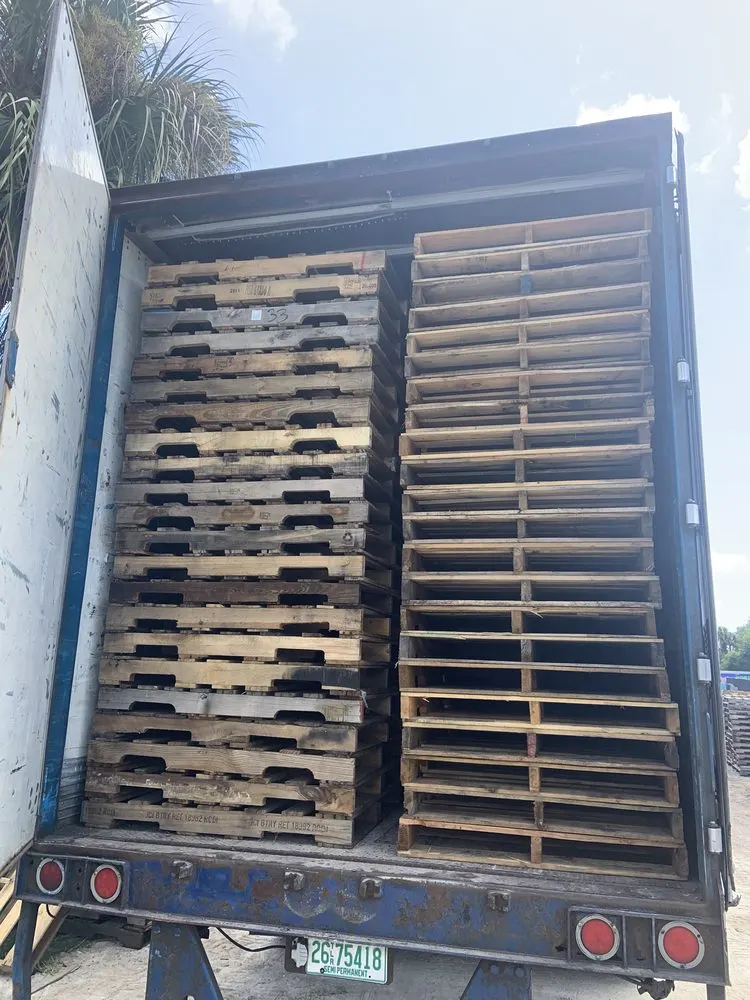
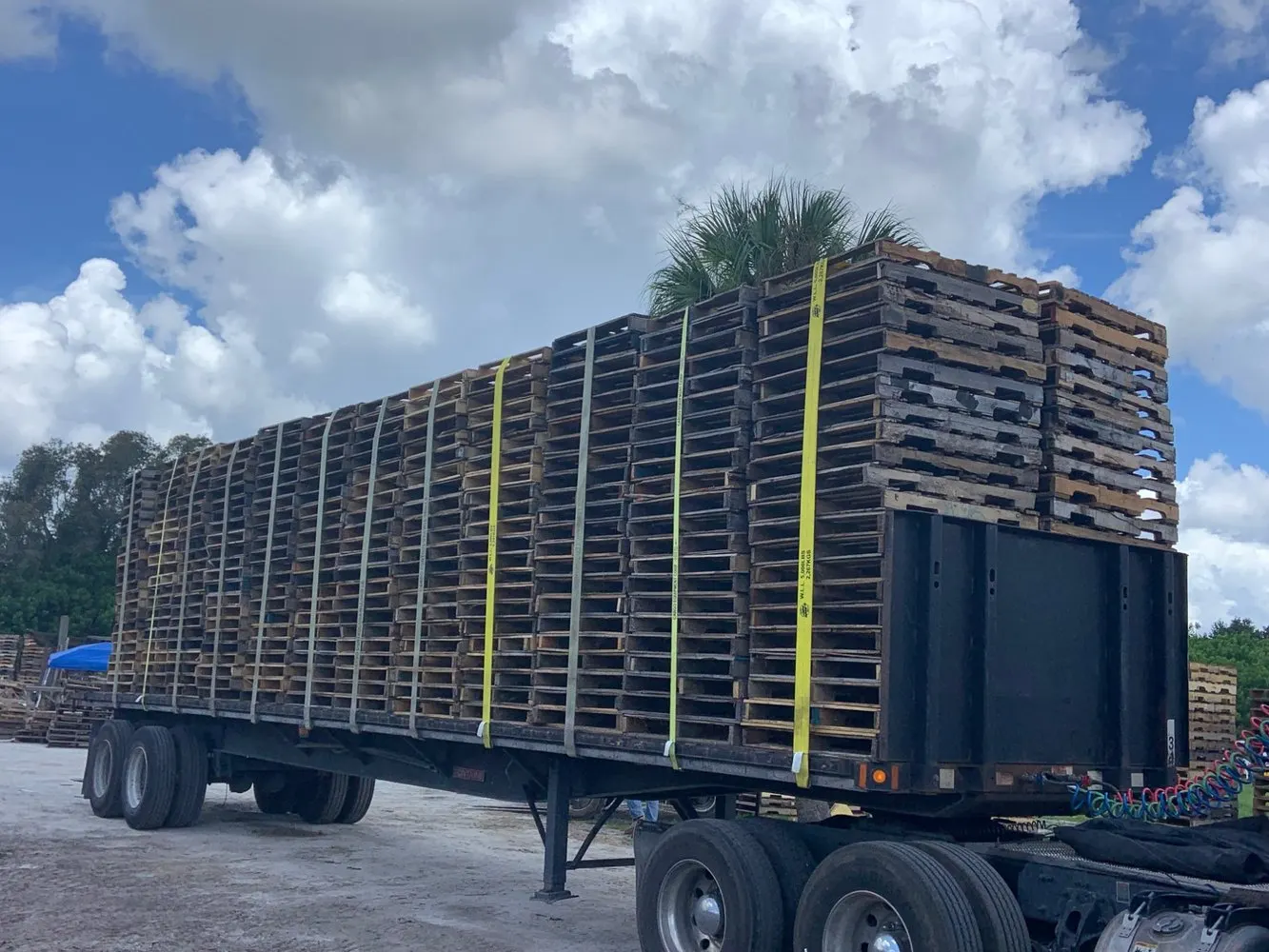
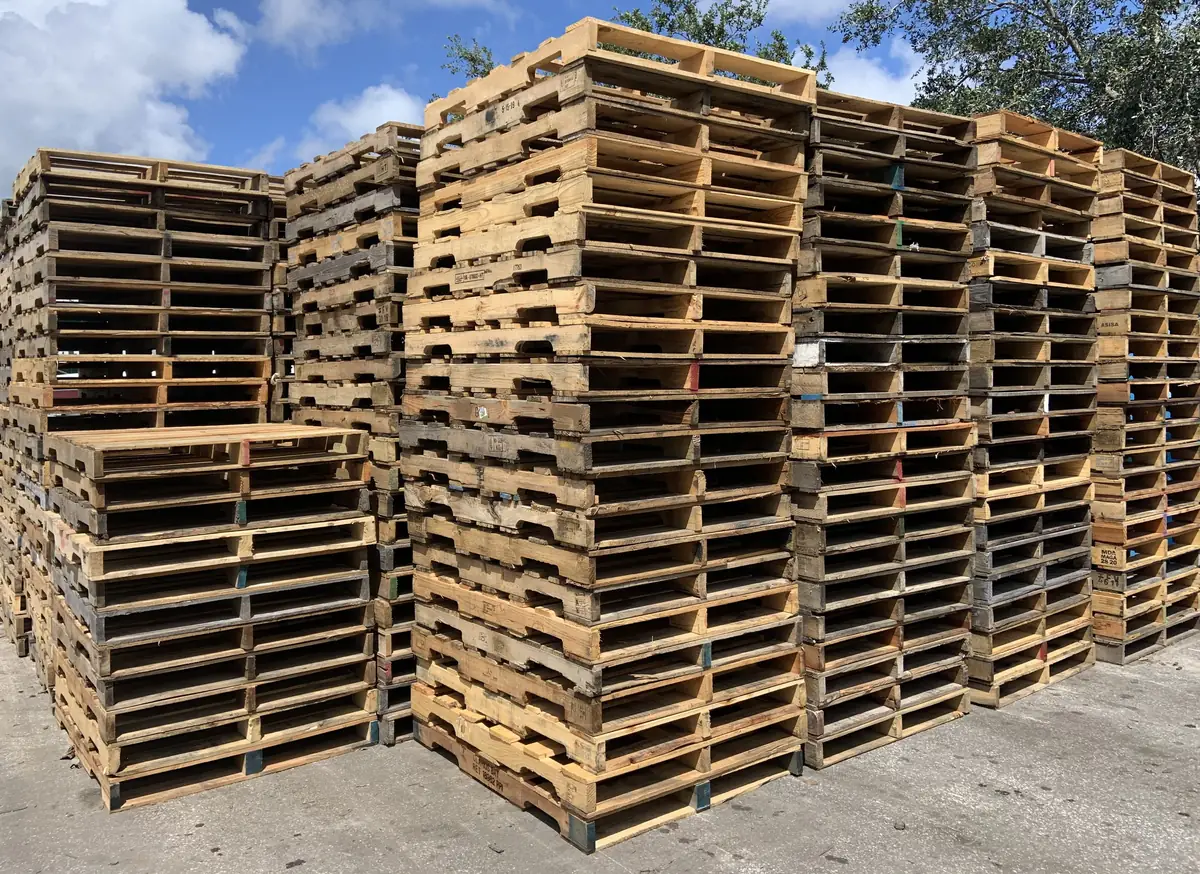
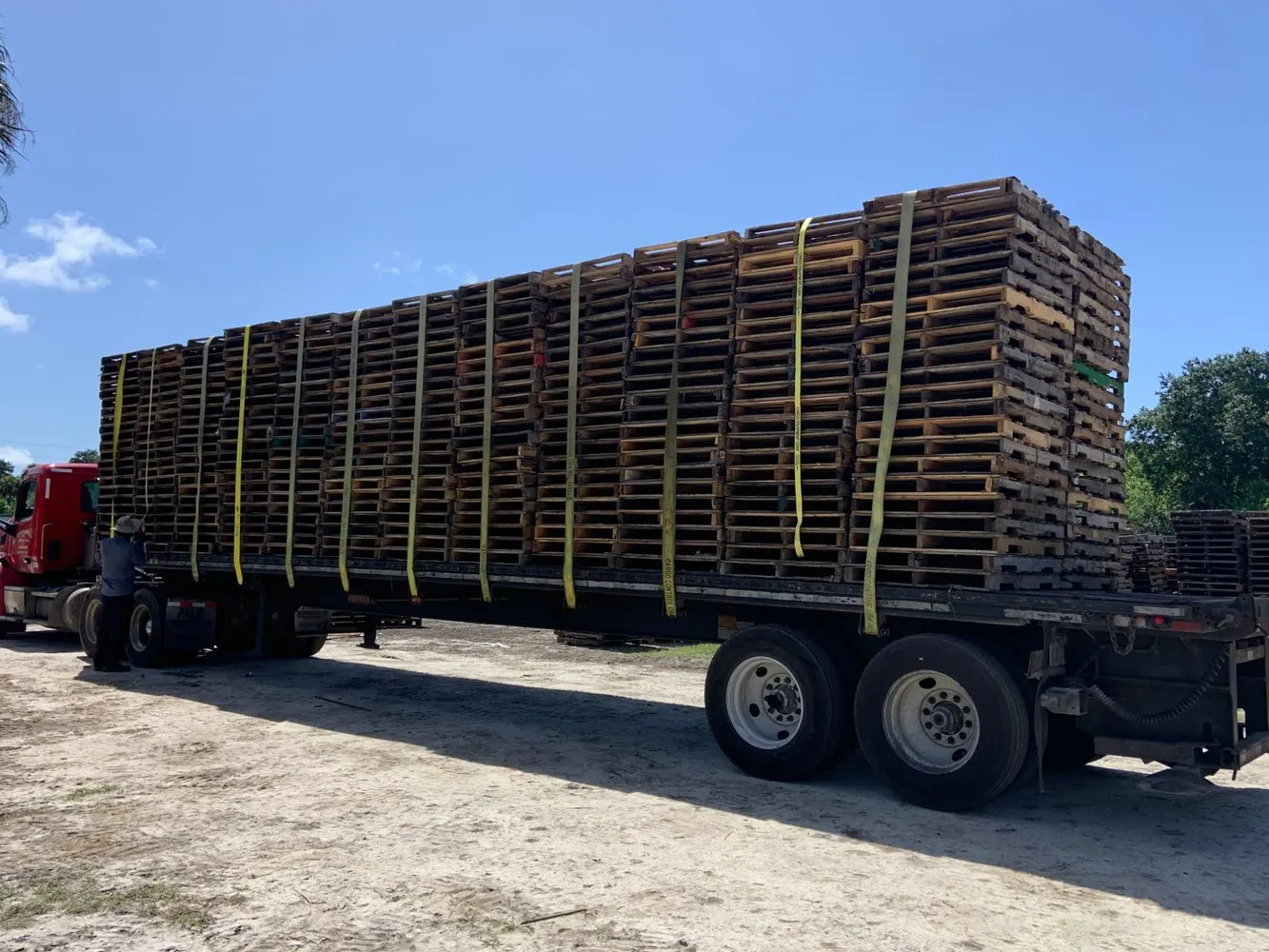
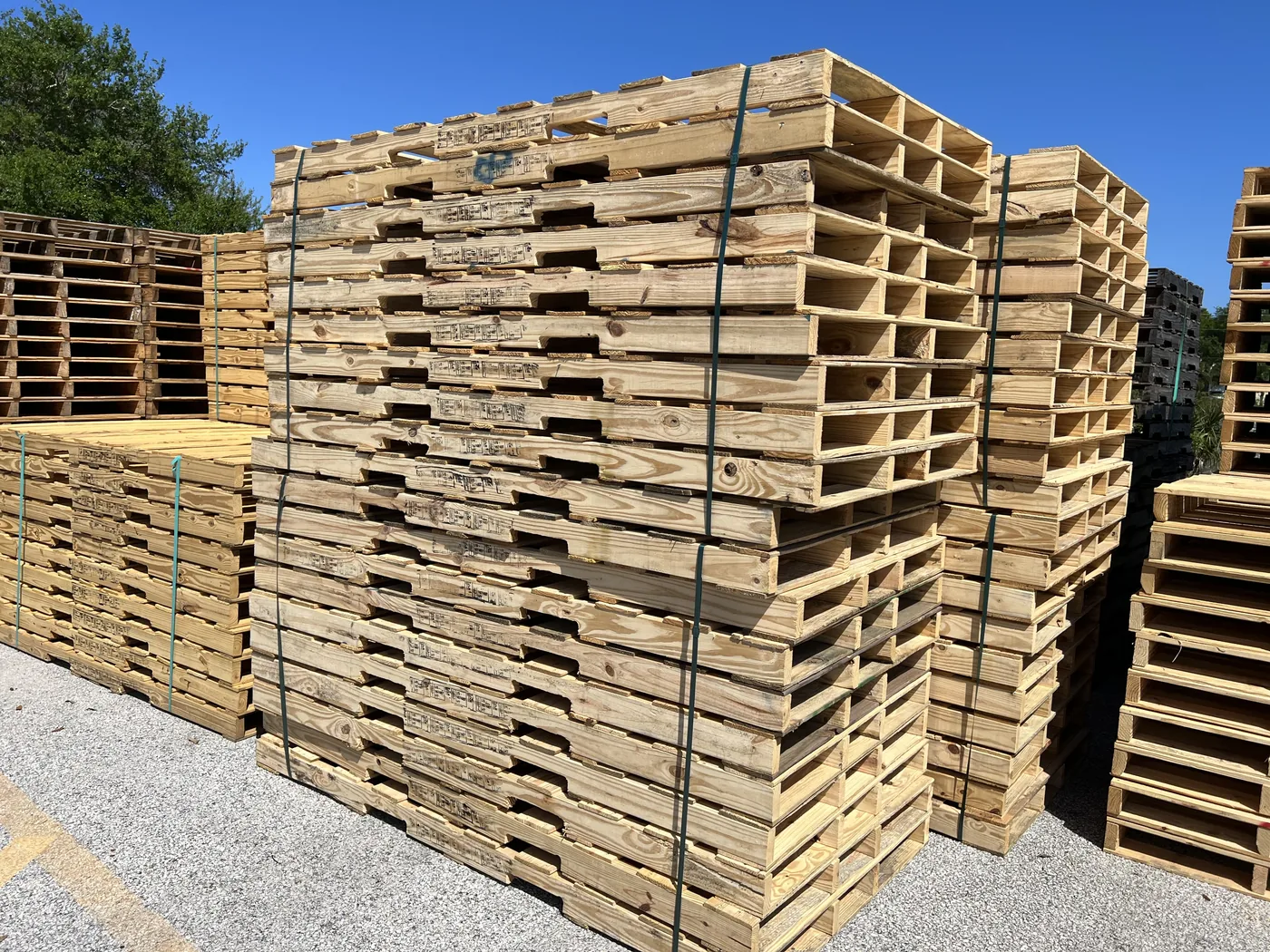
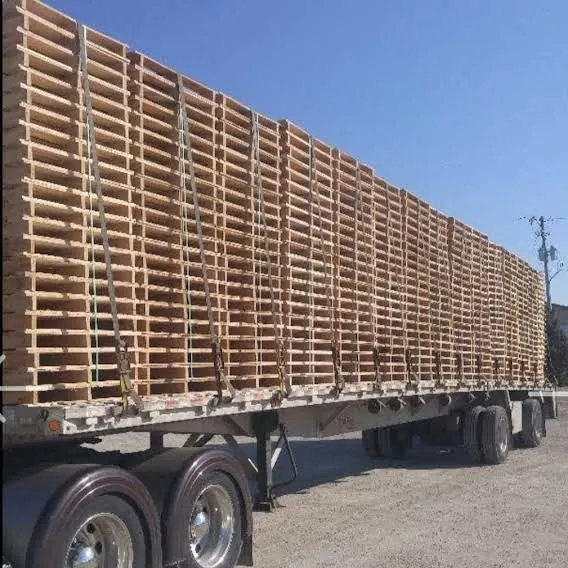
Block Pallets - Four-Way Entry for Boston Seaport District
Industrial-scale Block Pallets - Four-Way Entry for Boston, MA customers requires more than just stock on hand - it requires consistent dimensional tolerances, batch-quality records, and documentation that satisfies SOX, FDA, USDA, ISO 9001, and similar audit frameworks. United States Pallets ships every Block Pallets - Four-Way Entry load with the documentation packet pre-attached electronically, no dock-side delays.
Whether you're operating a single Boston warehouse or a multi-site network across MA, the Block Pallets - Four-Way Entry requirements are the same: consistent grade, on-time delivery, accurate count, and clean paperwork. United States Pallets built our Block Pallets - Four-Way Entry program around exactly that profile of customer.
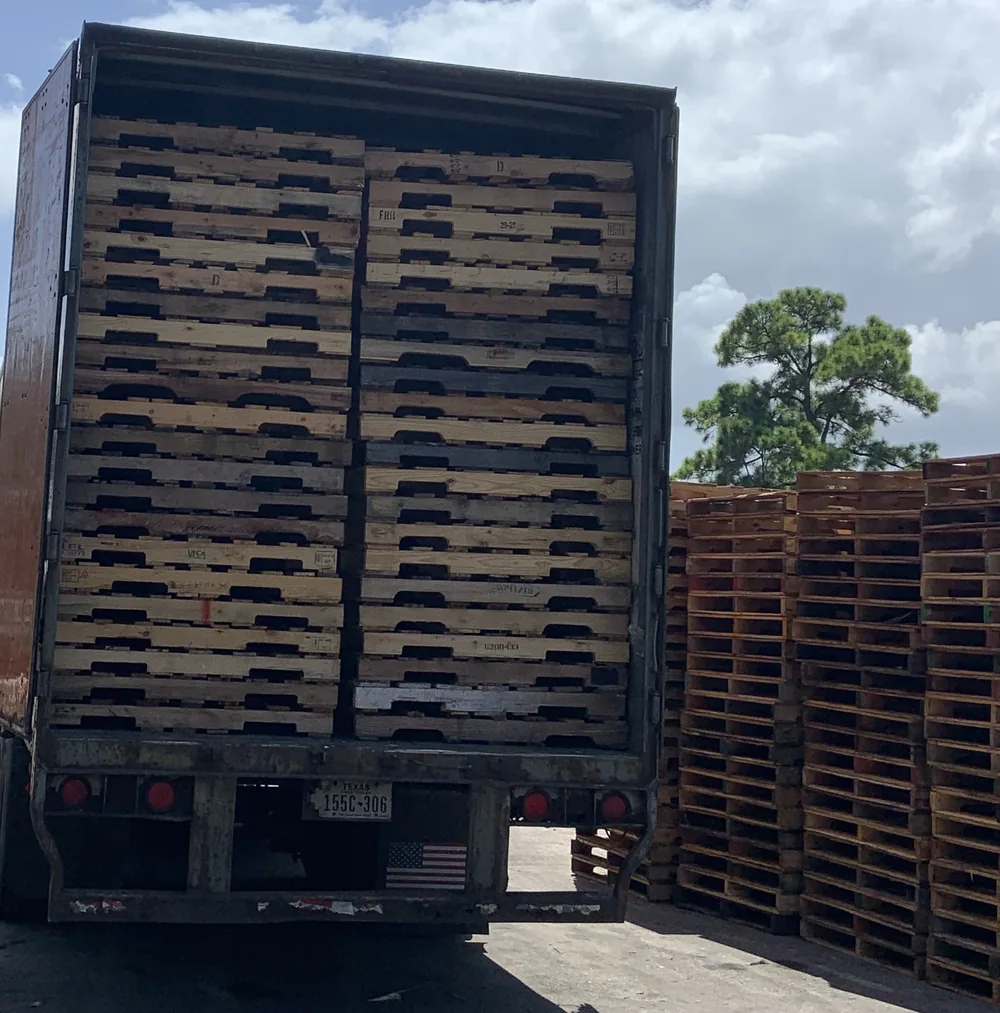
Boston Seaport District Service Profile
Boston Conley Terminal + biotech corridor. Nine-block construction wood pallets with true four-way forklift entry preferred for AGV-automated warehouses, high-rack handling, and JIT manufacturing operations.
- Same-day delivery to Boston Seaport District tenants
- Volume programs for park-wide pallet supply
- Audit-ready paperwork on every load
Does United States Pallets ship Block Pallets - Four-Way Entry to all of MA?
Yes. We deliver to every commercial address in MA, with same-day shipping standard in our Southeast/Mid-Atlantic core and scheduled weekly delivery elsewhere. Boston-area accounts are typical - submit a quote with your dock location and we route accordingly.
Can Boston customers run a buyback program alongside their pallet purchases?
Yes. Backhaul logistics are coordinated on outbound delivery routes - empty or non-spec pallets get picked up on the return leg of new pallet deliveries. Per-pallet freight cost on the backhaul approaches zero for accounts running both new-pallet purchase + buyback simultaneously.
Can United States Pallets handle Block Pallets - Four-Way Entry for high-volume Boston operations?
Yes. Standing-order programs for Boston operations running 500+ pallets/week lock in tiered pricing, reserve delivery slots, and run on autopilot in the background. Custom contract terms available for accounts running 2,000+/week.
How does United States Pallets compare to MA-based local pallet suppliers?
Local MA suppliers offer geographic proximity. United States Pallets offers nationwide sourcing depth, multi-grade inventory always in stock, sub-2-business-hour quote response, audit-ready documentation, and standing-order automation that local yards typically don\'t match.
Does United States Pallets buy back used pallets in Boston?
Yes. We buy back used pallets from Boston collectors, recyclers, and warehouses - 250-pallet minimum per load, single-size only (no mixed-size loads). Fast ACH payment, typically same-day or net-7 depending on volume. Pickup arranged on standard outbound delivery routes.
Boston Seaport District Block Pallets - Four-Way Entry Quote
Response under 2 business hours.