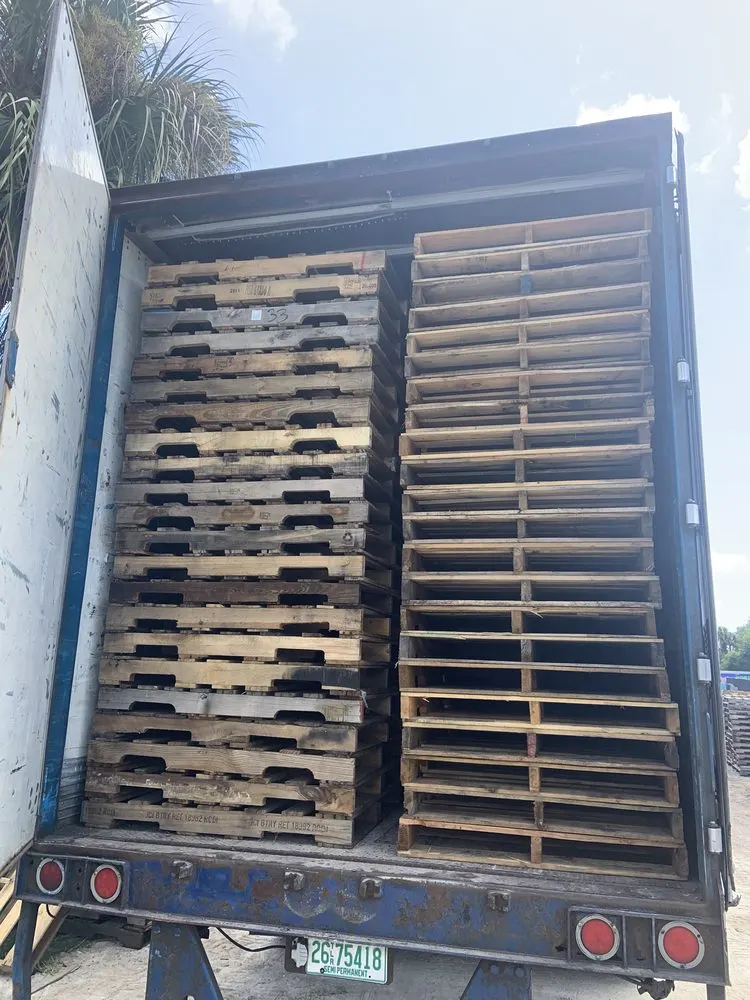
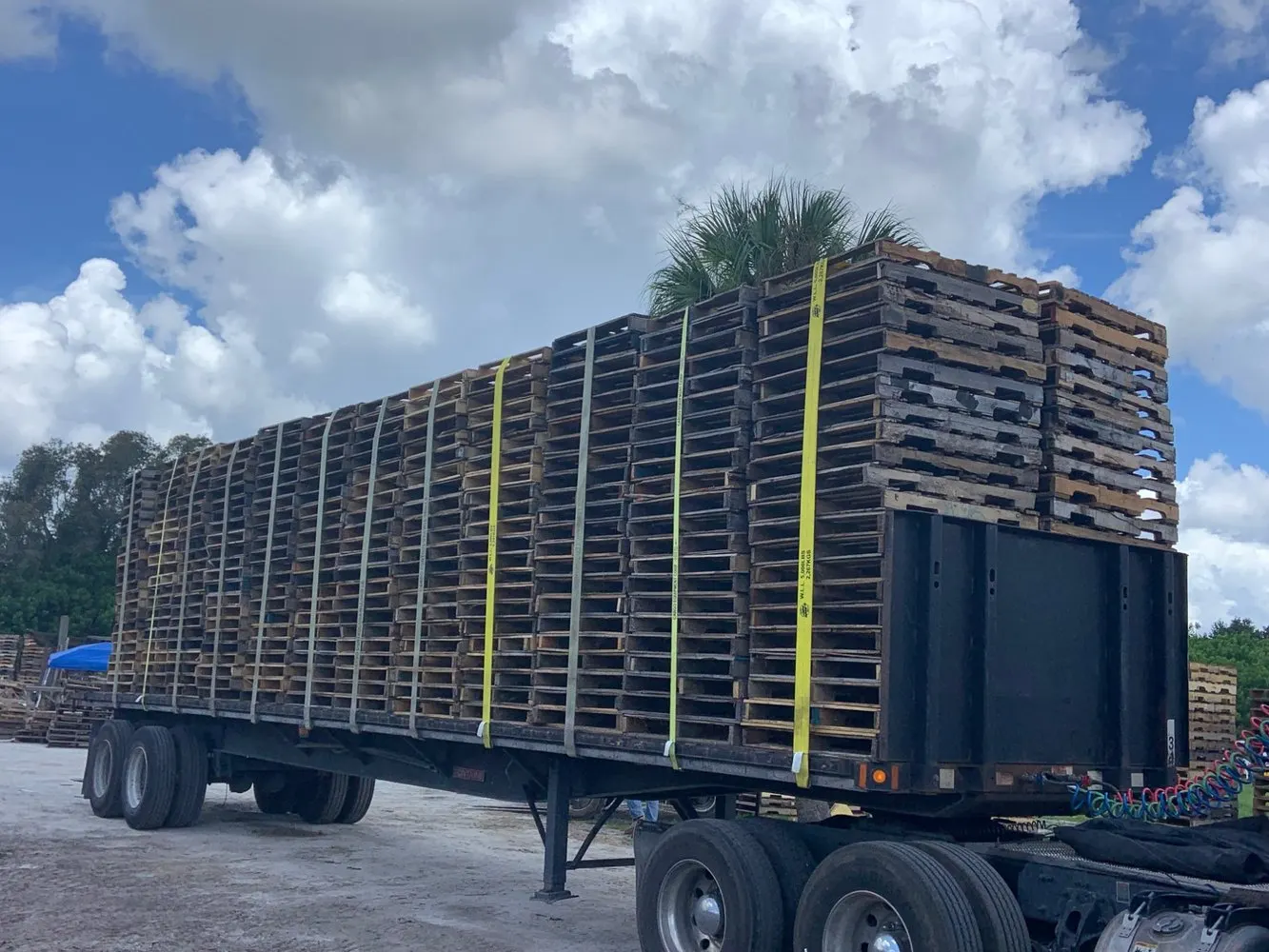
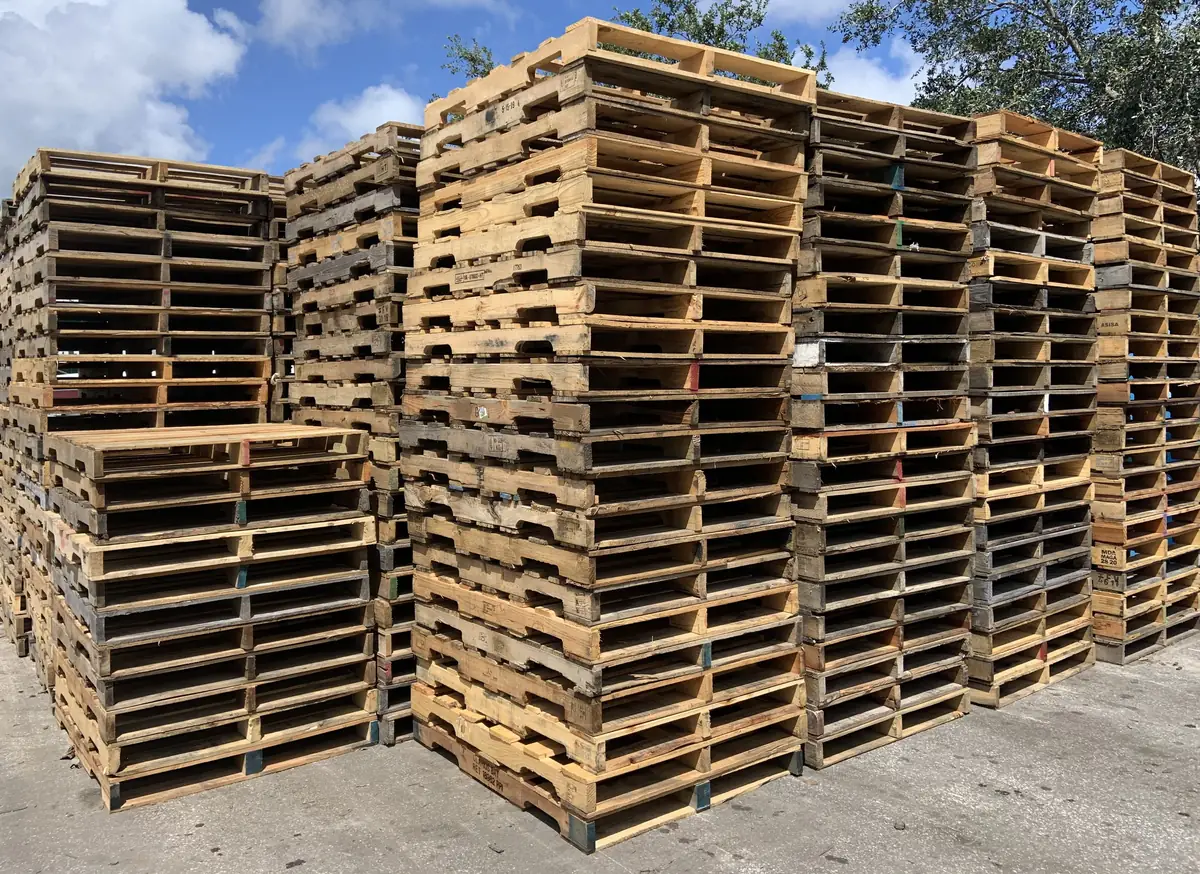
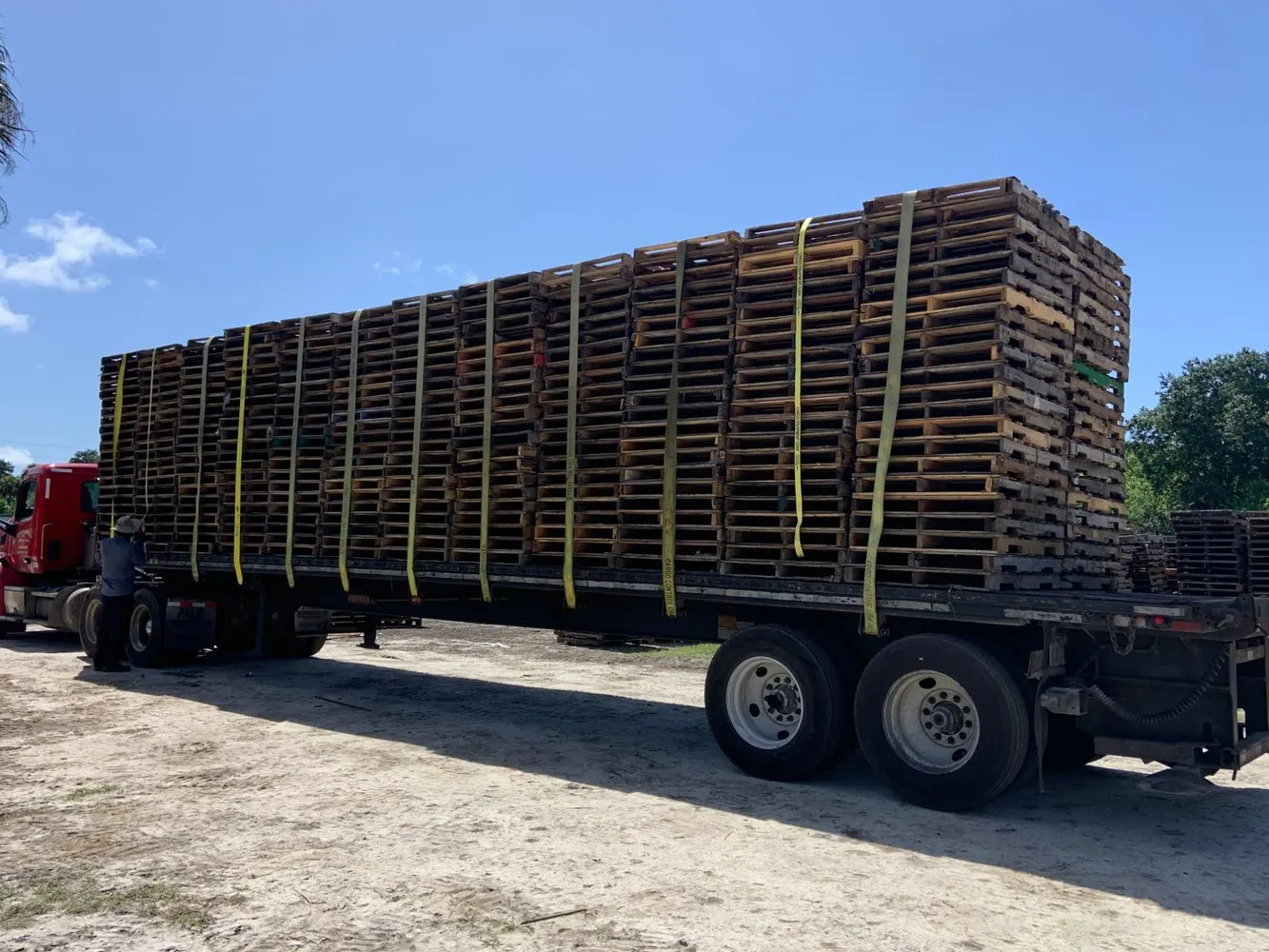
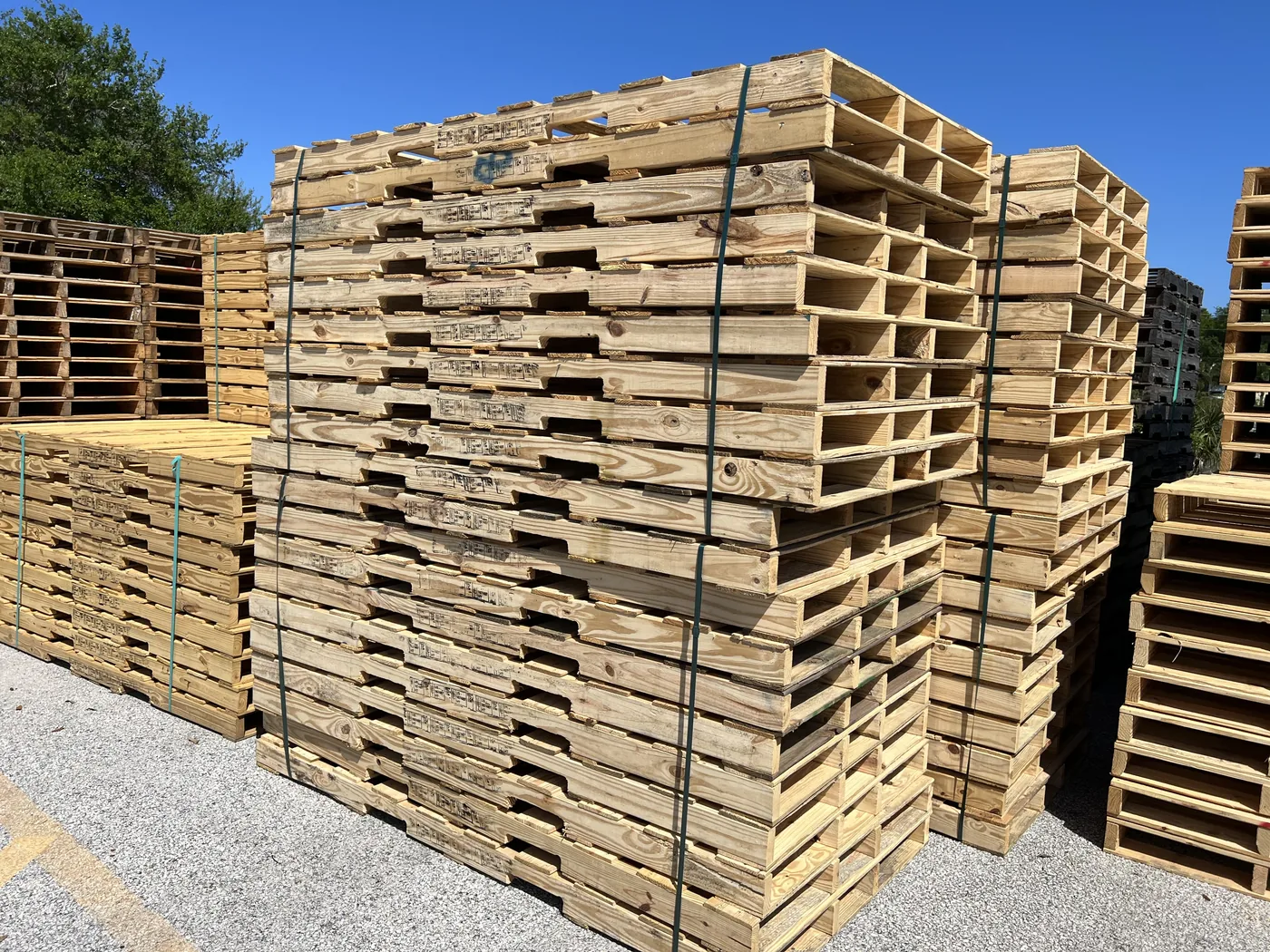
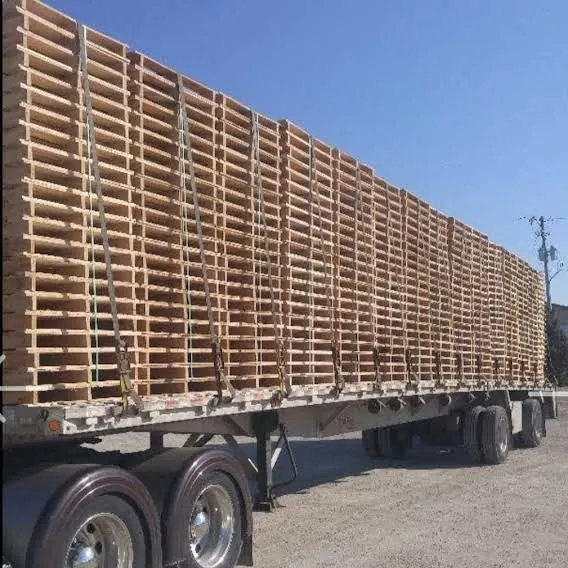
Recycled Pallets - Grade A & B for Nashville I-65 Industrial Corridor
Pallet demand in Nashville, TN is shaped by the local economy and the regional supply chain - distribution, manufacturing, and food/beverage operations all consume pallets at predictable cadences. United States Pallets aligns our Recycled Pallets - Grade A & B delivery rhythm to those operations, with same-day rush options when production schedules tighten and standing-order programs for predictable weekly volume.
Recycled Pallets - Grade A & B in Nashville, TN is foundational infrastructure for any commercial operation moving goods through TN's industrial supply chain. United States Pallets (Nashville customers reach us at our national dispatch line) provides Recycled Pallets - Grade A & B on a 50-pallet minimum with same-day shipping in our Southeast/Mid-Atlantic core and scheduled weekly delivery to Nashville elsewhere.
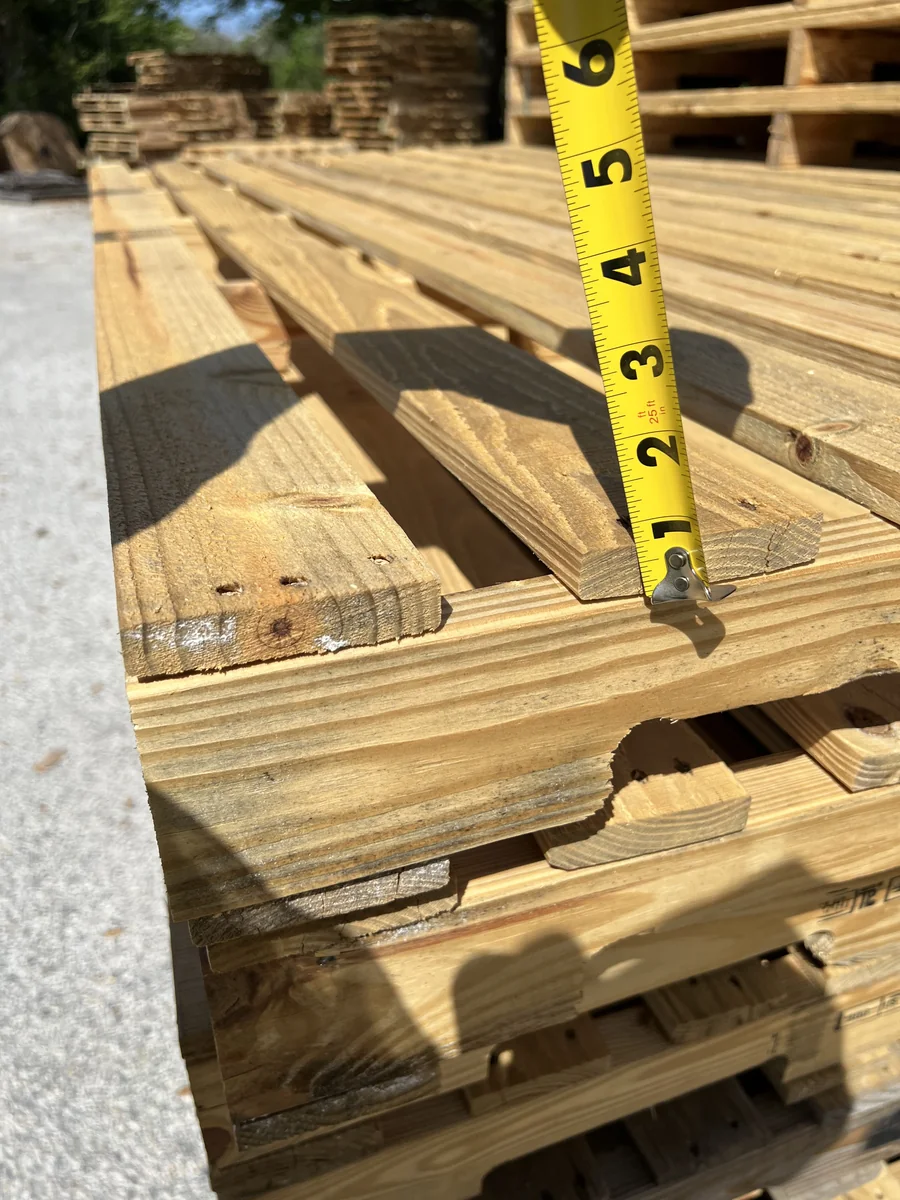
Nashville I-65 Industrial Corridor Service Profile
Nissan + GM + healthcare corridor. Quality-graded recycled wood pallets in Grade A (top condition) and Grade B (functional) specifications for cost-effective pallet supply with documented condition standards.
- Same-day delivery to Nashville I-65 Industrial Corridor tenants
- Volume programs for park-wide pallet supply
- Audit-ready paperwork on every load
How fast does United States Pallets deliver to Nashville, TN?
Same-day shipping in our Southeast/Mid-Atlantic core (FL, GA, AL, TN, MS, SC, NC, KY, VA) and scheduled weekly delivery elsewhere. Express options available for Nashville rush orders. Quote response under 2 business hours, dispatch within hours of order confirmation.
Does United States Pallets ship Recycled Pallets - Grade A & B to all of TN?
Yes. We deliver to every commercial address in TN, with same-day shipping standard in our Southeast/Mid-Atlantic core and scheduled weekly delivery elsewhere. Nashville-area accounts are typical - submit a quote with your dock location and we route accordingly.
What\'s the minimum order quantity for Recycled Pallets - Grade A & B?
50 pallets per order minimum on buy-side. Sell-side (buyback) minimum is 250 pallets per single-size load. Volume tiers kick in automatically as cumulative monthly volume increases - 500+/week accounts qualify for standing-order programs with reserved delivery slots.
Can Nashville customers run a buyback program alongside their pallet purchases?
Yes. Backhaul logistics are coordinated on outbound delivery routes - empty or non-spec pallets get picked up on the return leg of new pallet deliveries. Per-pallet freight cost on the backhaul approaches zero for accounts running both new-pallet purchase + buyback simultaneously.
What credit terms does United States Pallets offer Nashville customers?
Net-30 credit terms standard after the first 1-3 prepaid or COD loads while credit is being established. Submit a credit application with three trade references; approval typically processes within 48 hours. Volume accounts can negotiate net-45 or net-60.
Nashville I-65 Industrial Corridor Recycled Pallets - Grade A & B Quote
Response under 2 business hours.