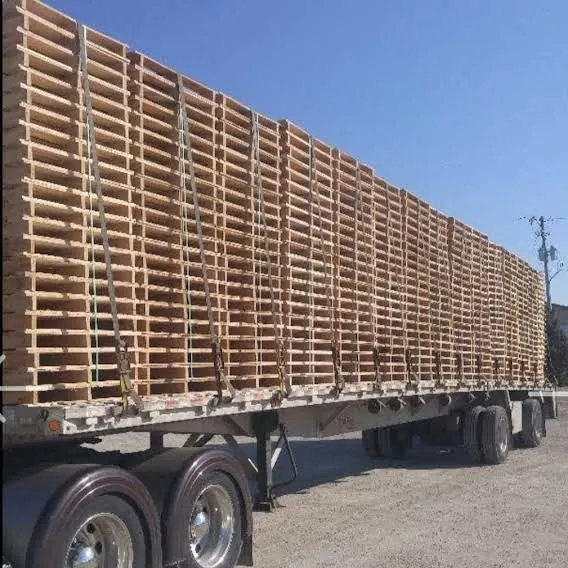
FDA Food-Grade Pallets for Northwest Seaport Alliance
When Seattle/Tacoma, WA operations need FDA Food-Grade Pallets at scale, the supplier shortlist comes down to three things: inventory depth, delivery reliability, and documentation. United States Pallets engineers our FDA Food-Grade Pallets program to win on all three - new GMA stock plus recycled Grade A and B always available, scheduled weekly delivery, and BOL/IPPC/grade certifications electronic before each load arrives.
Whether you're operating a single Seattle/Tacoma warehouse or a multi-site network across WA, the FDA Food-Grade Pallets requirements are the same: consistent grade, on-time delivery, accurate count, and clean paperwork. United States Pallets built our FDA Food-Grade Pallets program around exactly that profile of customer.
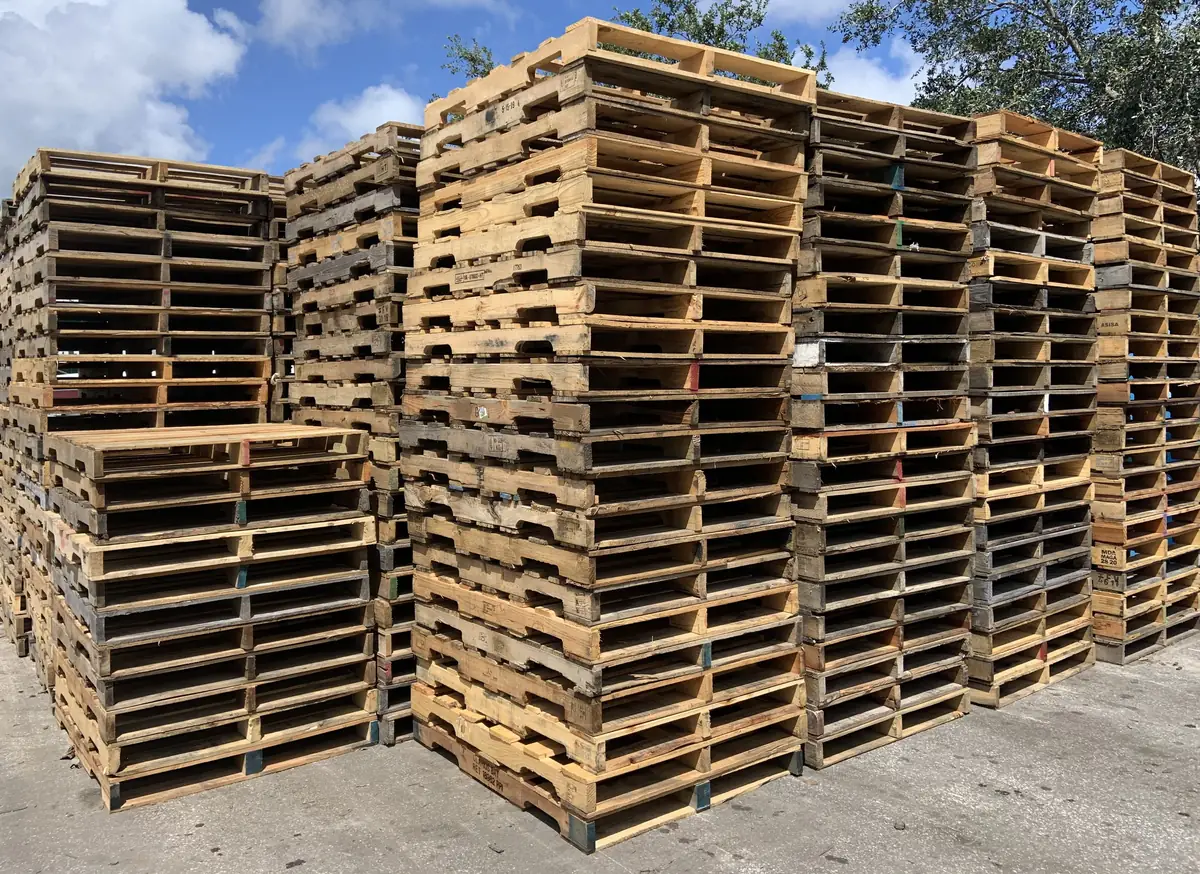
Northwest Seaport Alliance Service Profile
4th busiest US container port complex. FSMA Sanitary Transportation Rule compliant food-grade pallets for grocery distribution centers, beverage bottlers, packaged food processors, and produce shippers.
- Same-day delivery to Northwest Seaport Alliance tenants
- Volume programs for park-wide pallet supply
- Audit-ready paperwork on every load
How does United States Pallets compare to WA-based local pallet suppliers?
Local WA suppliers offer geographic proximity. United States Pallets offers nationwide sourcing depth, multi-grade inventory always in stock, sub-2-business-hour quote response, audit-ready documentation, and standing-order automation that local yards typically don\'t match.
Can United States Pallets handle FDA Food-Grade Pallets for high-volume Seattle/Tacoma operations?
Yes. Standing-order programs for Seattle/Tacoma operations running 500+ pallets/week lock in tiered pricing, reserve delivery slots, and run on autopilot in the background. Custom contract terms available for accounts running 2,000+/week.
Can Seattle/Tacoma customers run a buyback program alongside their pallet purchases?
Yes. Backhaul logistics are coordinated on outbound delivery routes - empty or non-spec pallets get picked up on the return leg of new pallet deliveries. Per-pallet freight cost on the backhaul approaches zero for accounts running both new-pallet purchase + buyback simultaneously.
What documentation accompanies FDA Food-Grade Pallets loads?
BOL, packing list, grade certifications standard. Heat-treated loads add IPPC stamps and ISPM-15 documentation. Pharma-grade loads add batch records. Food-grade loads add FSMA Sanitary Transportation Rule certifications. All documentation ships electronically before delivery.
What\'s the minimum order quantity for FDA Food-Grade Pallets?
50 pallets per order minimum on buy-side. Sell-side (buyback) minimum is 250 pallets per single-size load. Volume tiers kick in automatically as cumulative monthly volume increases - 500+/week accounts qualify for standing-order programs with reserved delivery slots.
Northwest Seaport Alliance FDA Food-Grade Pallets Quote
Response under 2 business hours.