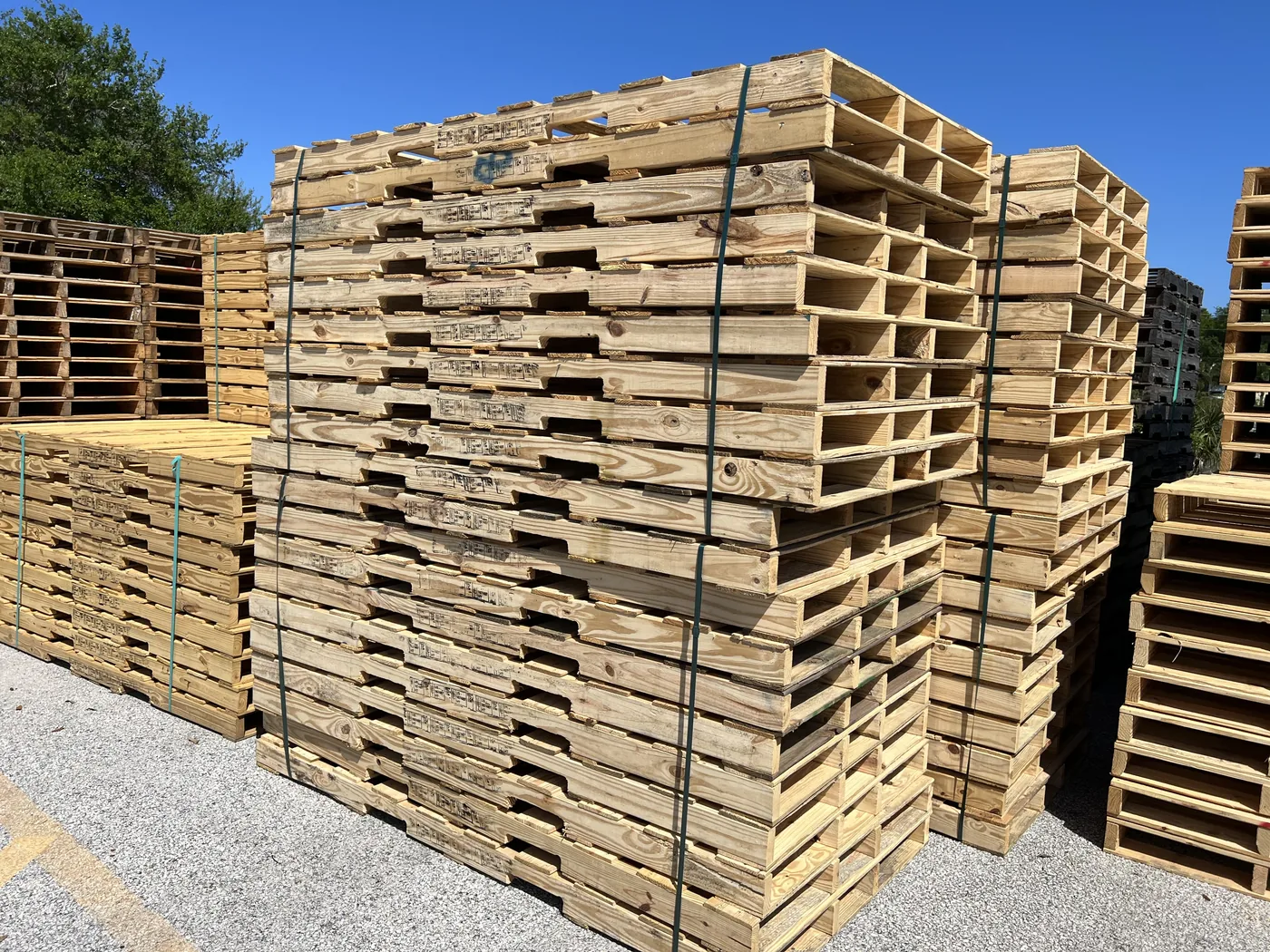
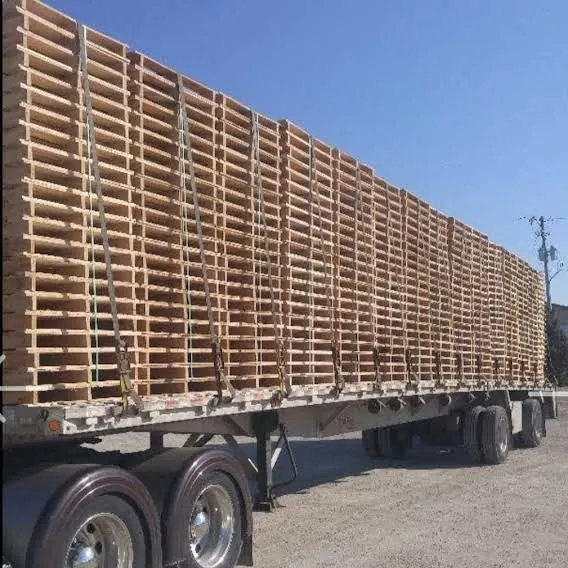
Automotive Tier-1 Suppliers at Port of Charleston
SC businesses handling commercial pallet supply for Charleston-area operations need a supplier that delivers consistent grade quality, dimensional tolerances tighter than industry standard, and audit-ready documentation. United States Pallets automotive tier-1 suppliers pallets for Charleston meets each of those bars, with quote response under 2 business hours and net-30 credit terms after the first 1-3 prepaid loads.
United States Pallets is the national-network alternative to local SC pallet suppliers for Charleston-area B2B buyers. Where regional vendors offer geographic proximity, USP offers nationwide sourcing depth, multi-grade always-in-stock inventory, sub-2-hour quote response, and the documentation discipline automotive tier-1 suppliers pallets customers need at scale.
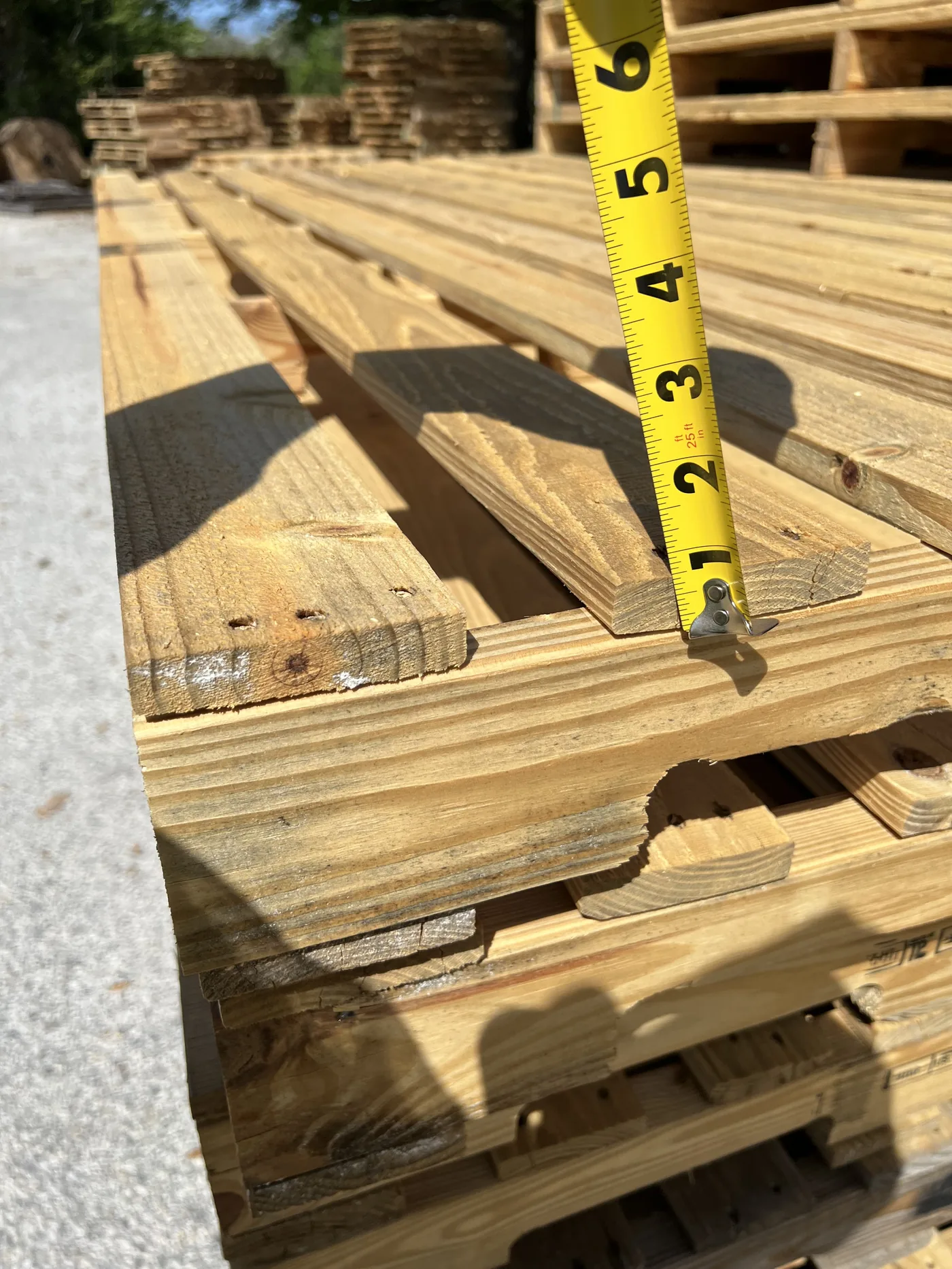
8th busiest US container port with top US RoRo cargo handling. Automotive Tier-1 Suppliers-specific pallet specs available for park tenants.
Port of Charleston Automotive Tier-1 Suppliers Programs
- Same-day delivery to Port of Charleston
- Automotive Tier-1 Suppliers-specific load ratings and certifications
- Volume programs for park-wide pallet supply
- Audit-ready paperwork on every load
Can United States Pallets handle automotive tier-1 suppliers pallets for high-volume Charleston operations?
Yes. Standing-order programs for Charleston operations running 500+ pallets/week lock in tiered pricing, reserve delivery slots, and run on autopilot in the background. Custom contract terms available for accounts running 2,000+/week.
Does United States Pallets ship automotive tier-1 suppliers pallets to all of SC?
Yes. We deliver to every commercial address in SC, with same-day shipping standard in our Southeast/Mid-Atlantic core and scheduled weekly delivery elsewhere. Charleston-area accounts are typical - submit a quote with your dock location and we route accordingly.
What documentation accompanies automotive tier-1 suppliers pallets loads?
BOL, packing list, grade certifications standard. Heat-treated loads add IPPC stamps and ISPM-15 documentation. Pharma-grade loads add batch records. Food-grade loads add FSMA Sanitary Transportation Rule certifications. All documentation ships electronically before delivery.
Does United States Pallets supply automotive tier-1 suppliers pallets for export from Charleston?
Yes, with ISPM-15 heat-treated pallets carrying IPPC stamps and full ISPM-15 documentation. Required for international shipments to all WTO member countries. Common for Charleston customers with port access via SC\'s major export gateways.
What credit terms does United States Pallets offer Charleston customers?
Net-30 credit terms standard after the first 1-3 prepaid or COD loads while credit is being established. Submit a credit application with three trade references; approval typically processes within 48 hours. Volume accounts can negotiate net-45 or net-60.
Port of Charleston Automotive Tier-1 Suppliers Quote
Response under 2 business hours.