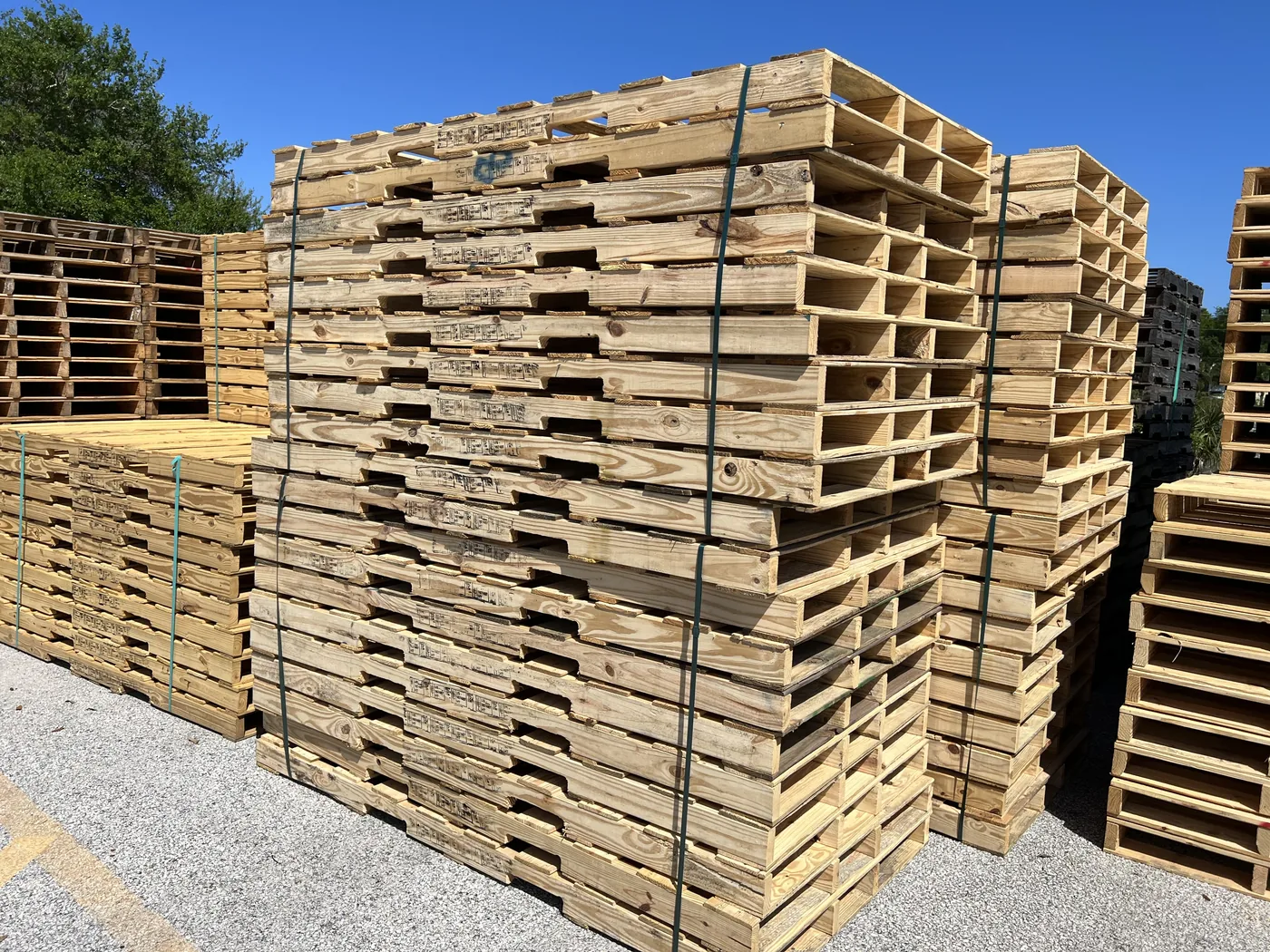
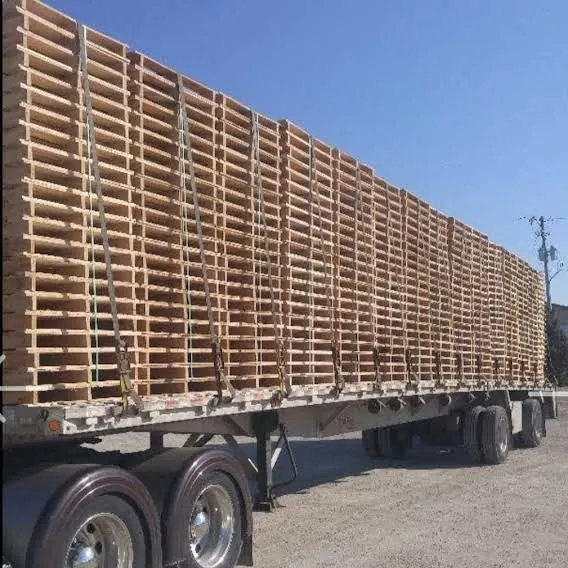
Coffee & Tea Pallet Supply in Fall River, Massachusetts
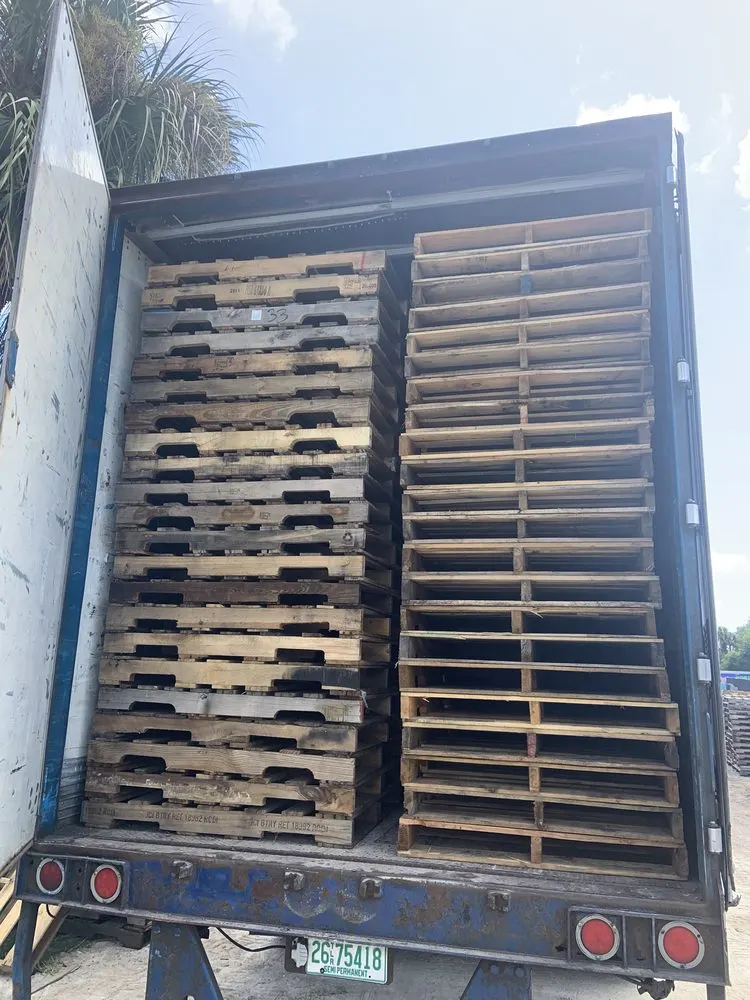
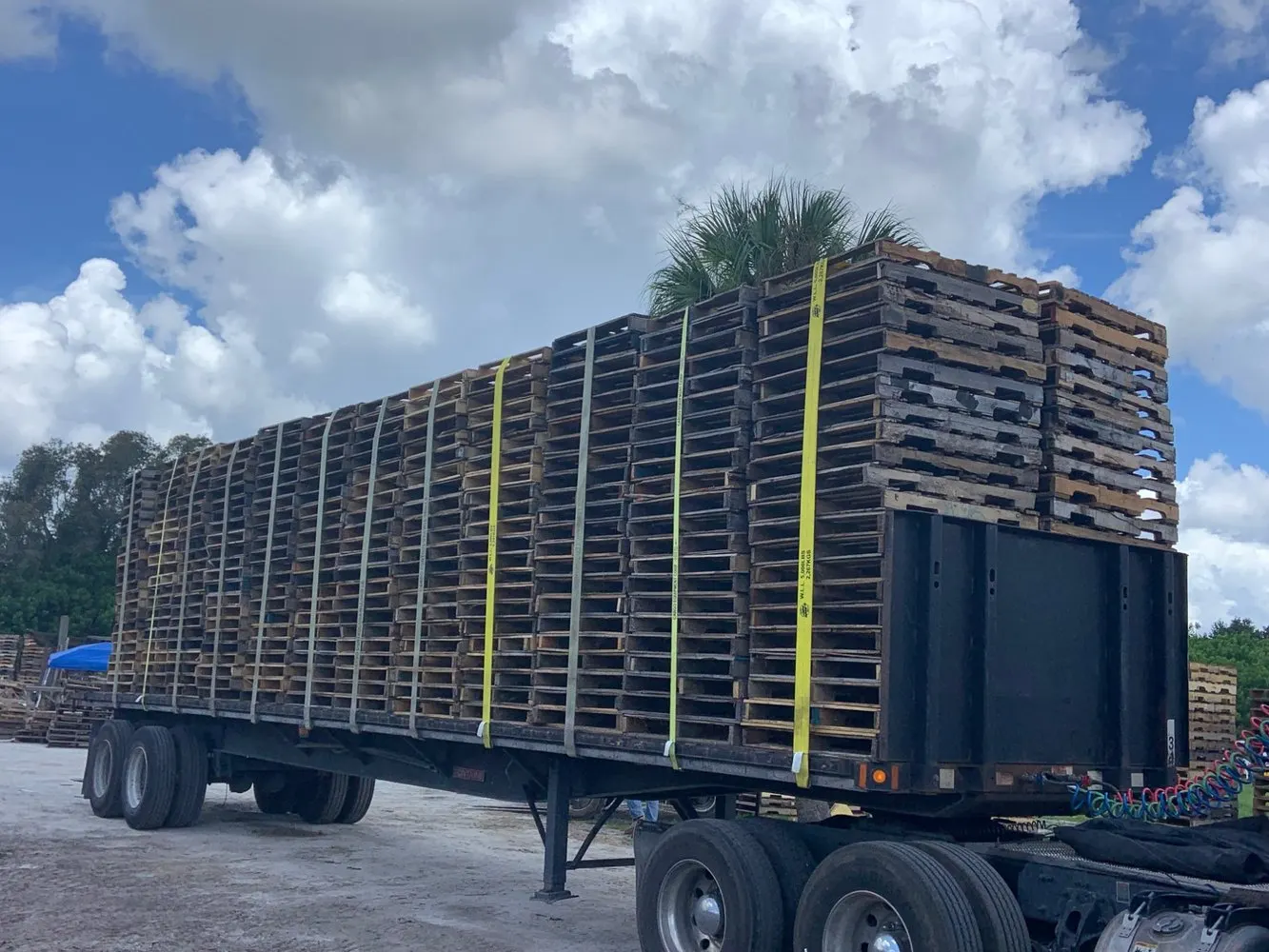
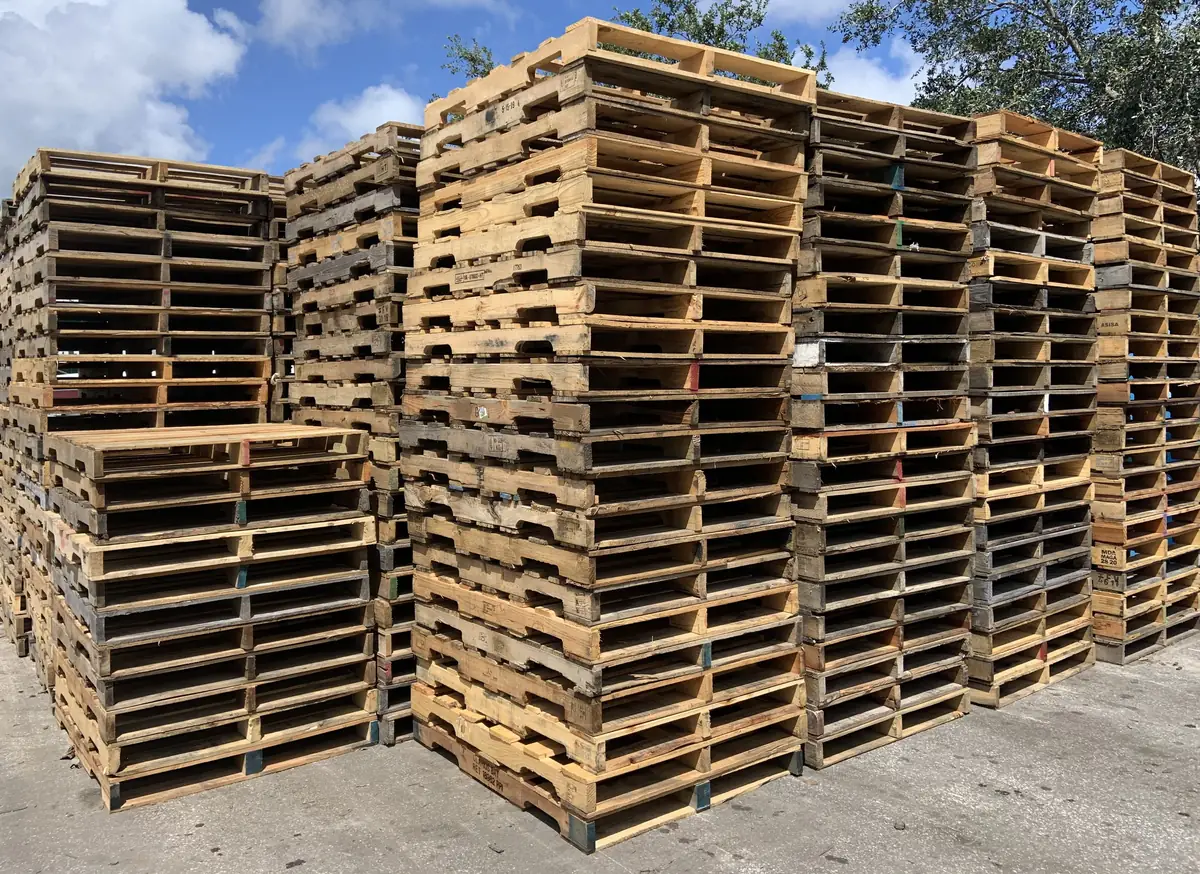
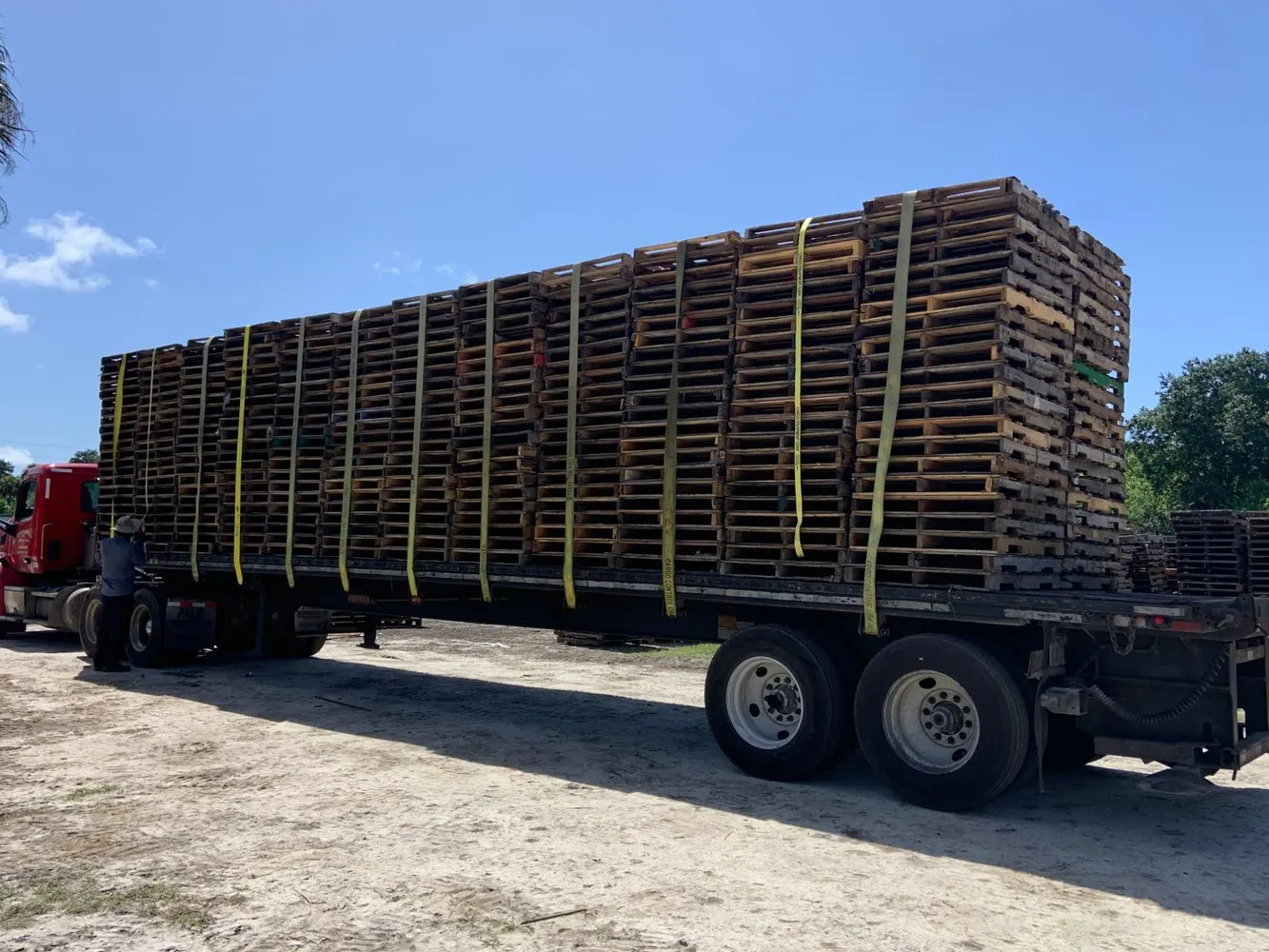
Pallet demand in Fall River, Massachusetts is shaped by the local economy and the regional supply chain - distribution, manufacturing, and food/beverage operations all consume pallets at predictable cadences. United States Pallets aligns our Coffee & Tea pallet supply delivery rhythm to those operations, with same-day rush options when production schedules tighten and standing-order programs for predictable weekly volume.
Sustainability documentation: every recycled pallet delivered to Fall River displaces approximately 25 pounds of CO2 versus new construction. United States Pallets provides sustainability footprint documentation per load on request, supporting your corporate ESG reporting requirements.
FAQ
Can Fall River customers run a buyback program alongside their pallet purchases?
Yes. Backhaul logistics are coordinated on outbound delivery routes - empty or non-spec pallets get picked up on the return leg of new pallet deliveries. Per-pallet freight cost on the backhaul approaches zero for accounts running both new-pallet purchase + buyback simultaneously.
Can United States Pallets handle Coffee & Tea pallet supply for high-volume Fall River operations?
Yes. Standing-order programs for Fall River operations running 500+ pallets/week lock in tiered pricing, reserve delivery slots, and run on autopilot in the background. Custom contract terms available for accounts running 2,000+/week.
Does United States Pallets buy back used pallets in Fall River?
Yes. We buy back used pallets from Fall River collectors, recyclers, and warehouses - 250-pallet minimum per load, single-size only (no mixed-size loads). Fast ACH payment, typically same-day or net-7 depending on volume. Pickup arranged on standard outbound delivery routes.
How does United States Pallets compare to Massachusetts-based local pallet suppliers?
Local Massachusetts suppliers offer geographic proximity. United States Pallets offers nationwide sourcing depth, multi-grade inventory always in stock, sub-2-business-hour quote response, audit-ready documentation, and standing-order automation that local yards typically don't match.
Fall River Quote
Response under 2 business hours.