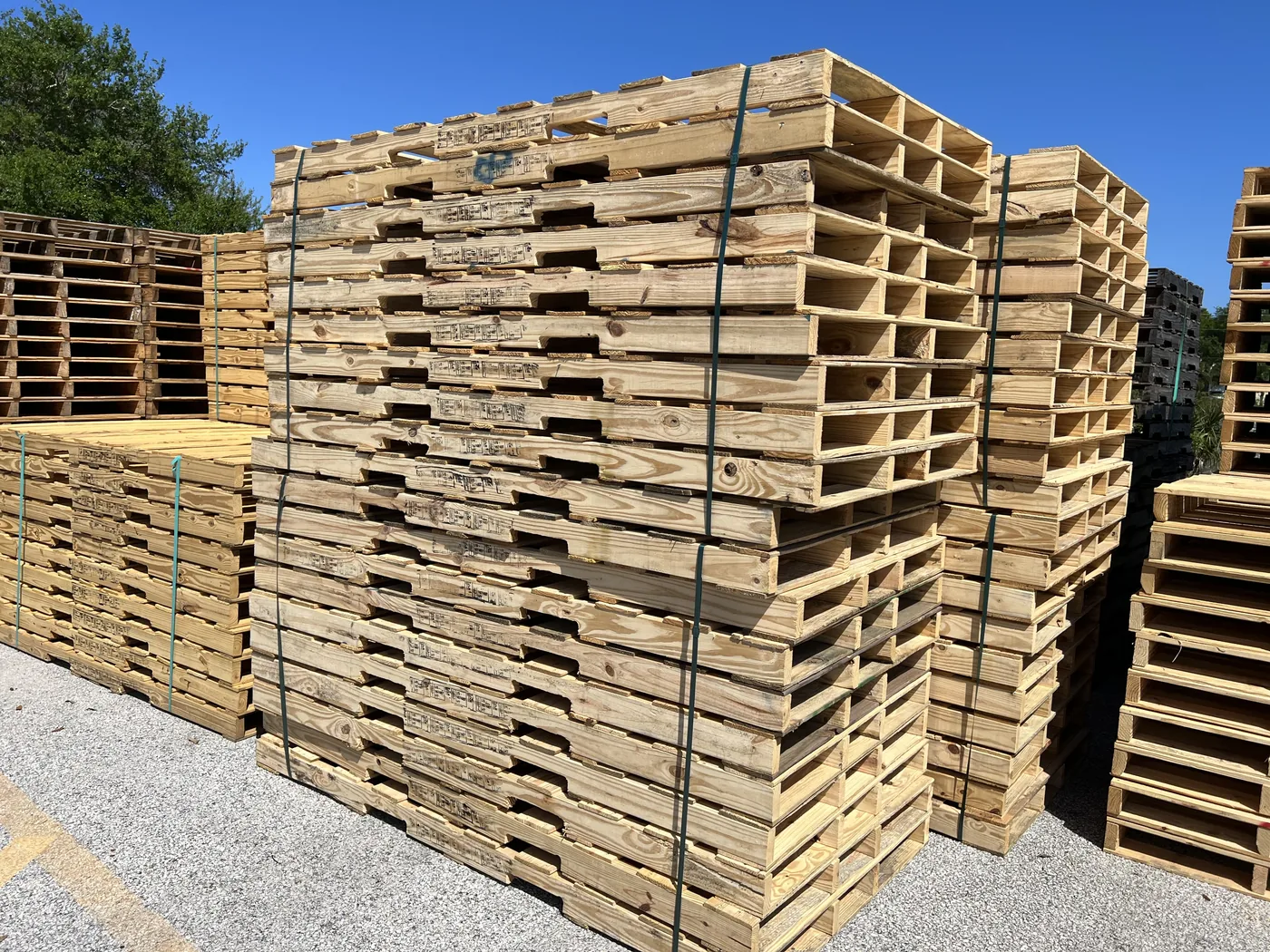
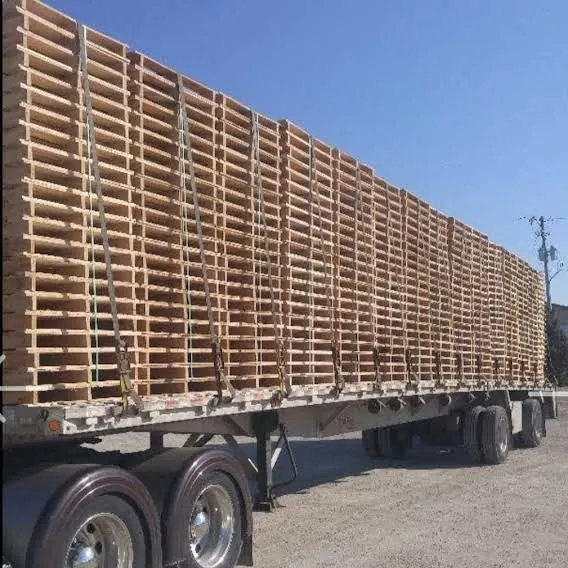
Intermodal Container for Pet Supplies & Animal Health
Whether you're operating a single nationwide warehouse or a multi-site network across United States, the Intermodal Container delivery requirements are the same: consistent grade, on-time delivery, accurate count, and clean paperwork. United States Pallets built our Intermodal Container delivery program around exactly that profile of customer.
United States businesses handling commercial pallet supply for nationwide-area operations need a supplier that delivers consistent grade quality, dimensional tolerances tighter than industry standard, and audit-ready documentation. United States Pallets Intermodal Container delivery for nationwide meets each of those bars, with quote response under 2 business hours and net-30 credit terms after the first 1-3 prepaid loads.
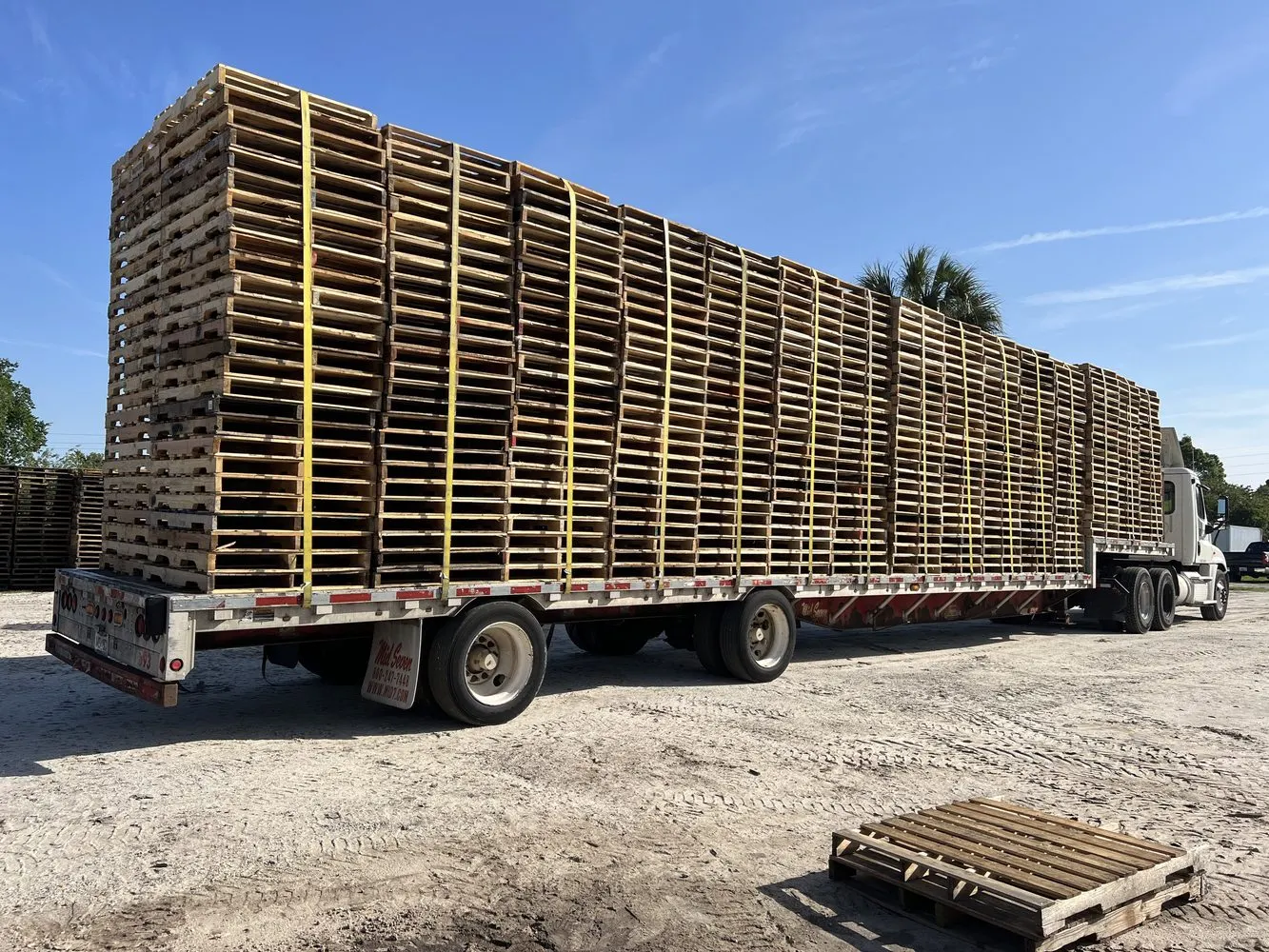
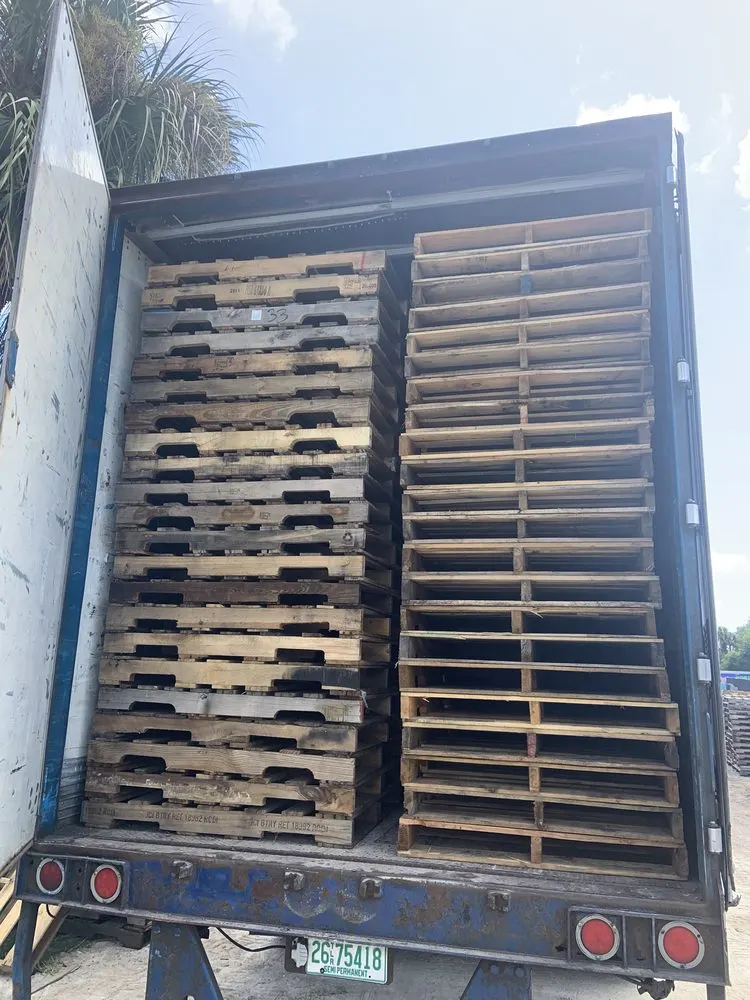
Intermodal container service via rail for high-volume cross-country pallet shipments.
Pet Supplies & Animal Health Intermodal Container Programs
- Industry-tuned pallet specs for pet supplies & animal health unit-load profiles
- Scheduled freight programs
- Audit-ready documentation
- Same-day option for emergency turns
How fast does United States Pallets deliver to nationwide, United States?
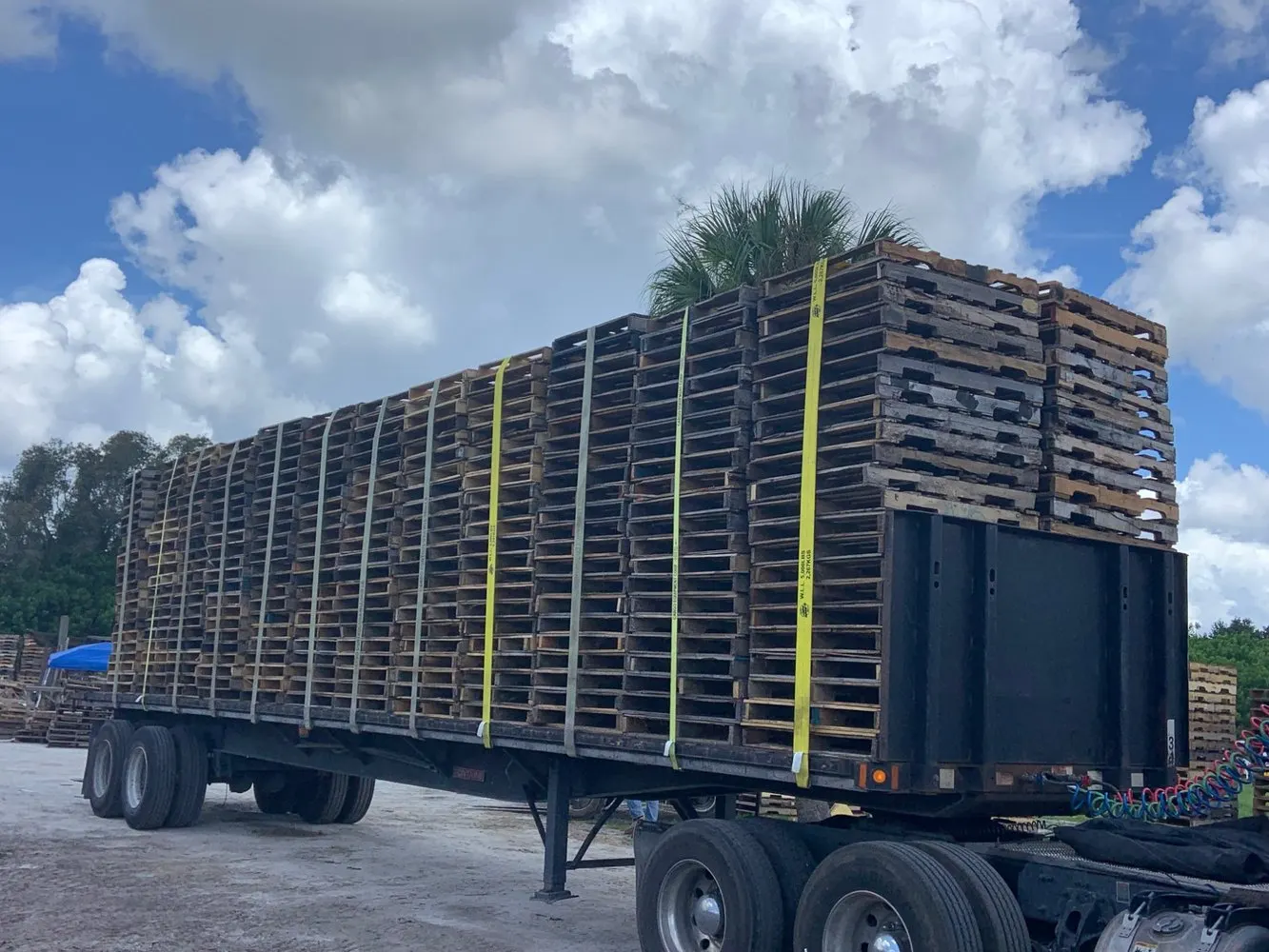
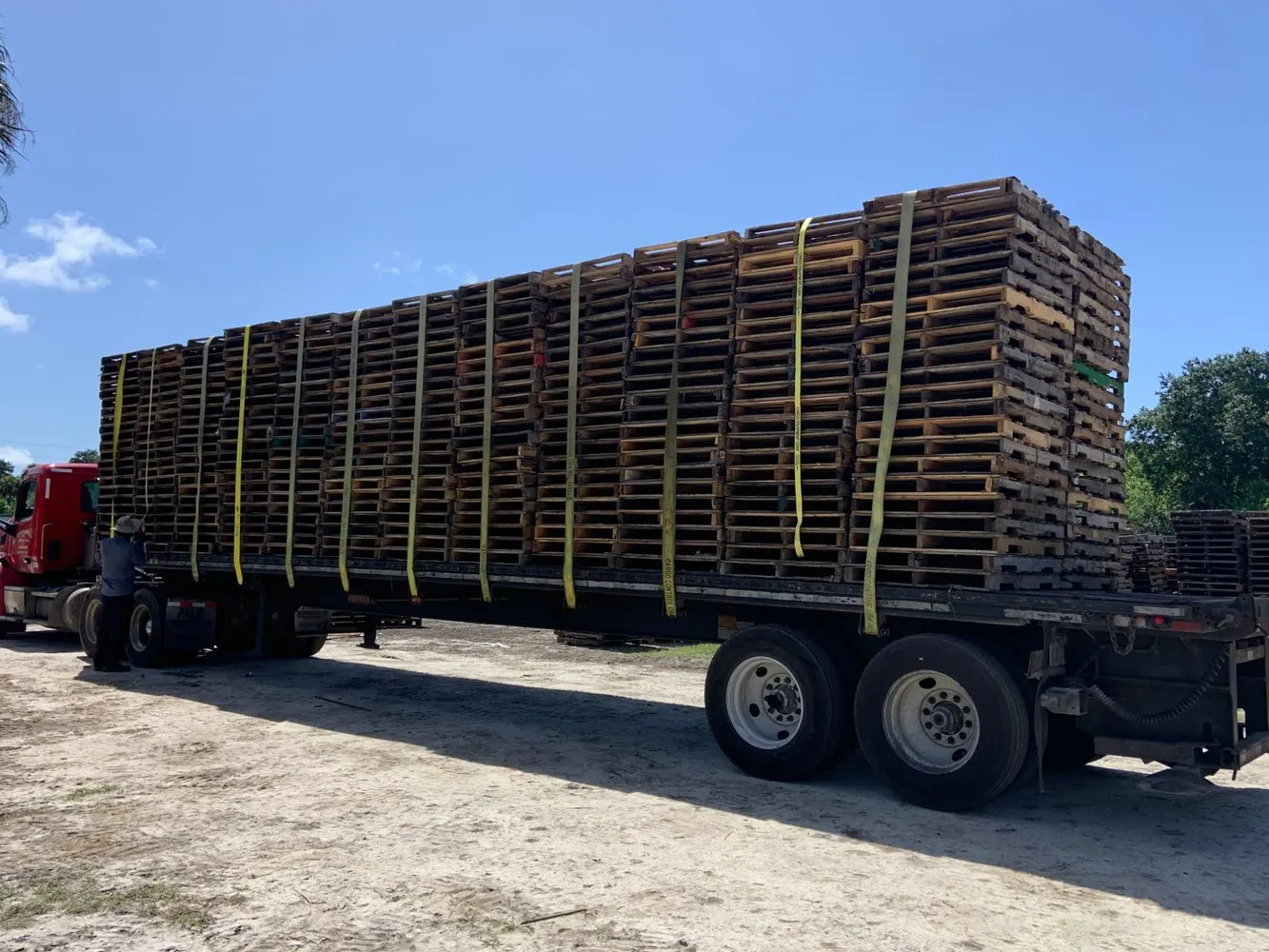
Same-day shipping in our Southeast/Mid-Atlantic core (FL, GA, AL, TN, MS, SC, NC, KY, VA) and scheduled weekly delivery elsewhere. Express options available for nationwide rush orders. Quote response under 2 business hours, dispatch within hours of order confirmation.
Can nationwide customers run a buyback program alongside their pallet purchases?
Yes. Backhaul logistics are coordinated on outbound delivery routes - empty or non-spec pallets get picked up on the return leg of new pallet deliveries. Per-pallet freight cost on the backhaul approaches zero for accounts running both new-pallet purchase + buyback simultaneously.
What credit terms does United States Pallets offer nationwide customers?
Net-30 credit terms standard after the first 1-3 prepaid or COD loads while credit is being established. Submit a credit application with three trade references; approval typically processes within 48 hours. Volume accounts can negotiate net-45 or net-60.
Can United States Pallets handle Intermodal Container delivery for high-volume nationwide operations?
Yes. Standing-order programs for nationwide operations running 500+ pallets/week lock in tiered pricing, reserve delivery slots, and run on autopilot in the background. Custom contract terms available for accounts running 2,000+/week.
Does United States Pallets ship Intermodal Container delivery to all of United States?
Yes. We deliver to every commercial address in United States, with same-day shipping standard in our Southeast/Mid-Atlantic core and scheduled weekly delivery elsewhere. nationwide-area accounts are typical - submit a quote with your dock location and we route accordingly.
Pet Supplies & Animal Health Intermodal Container Quote
Response under 2 business hours.