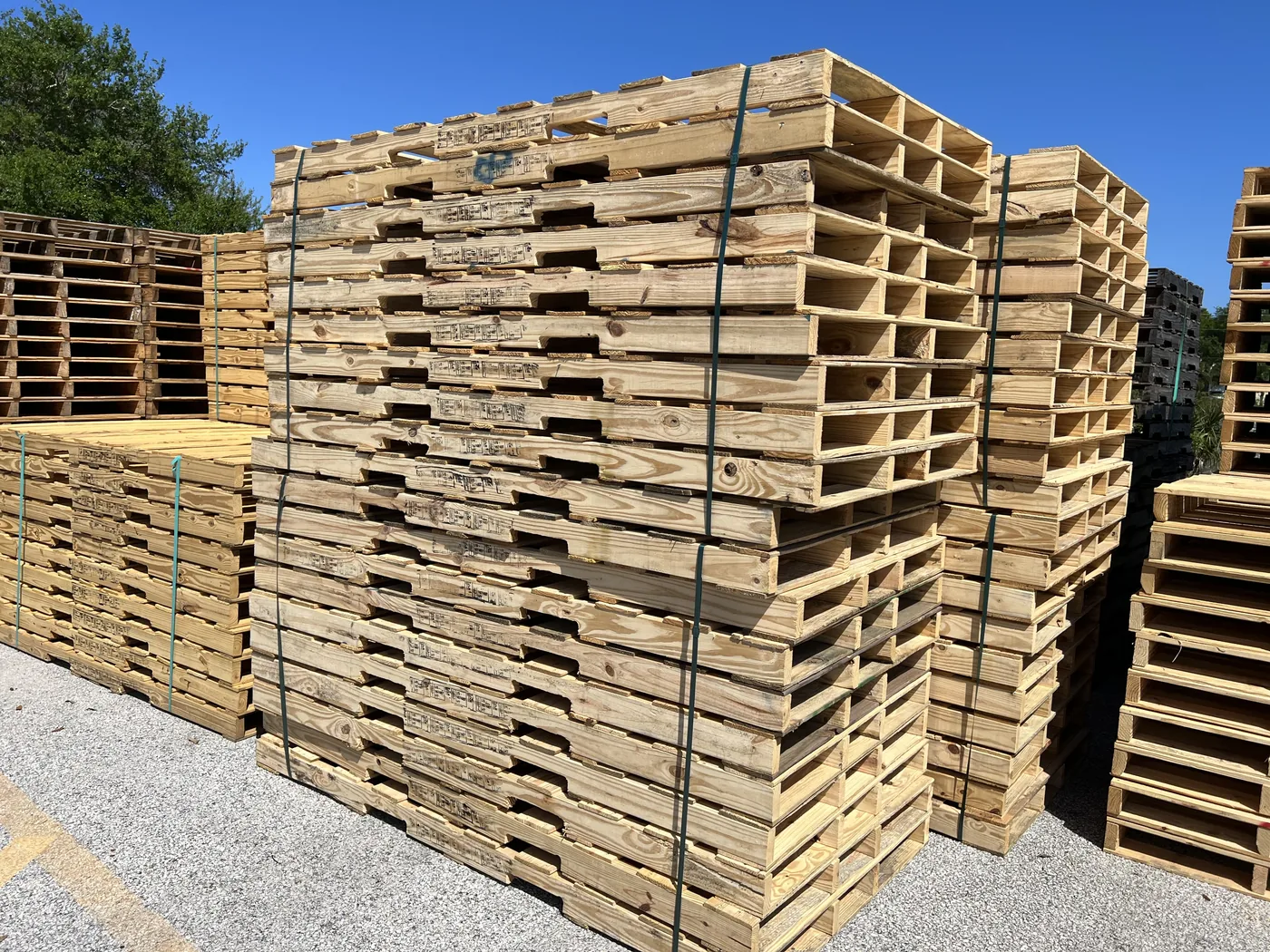
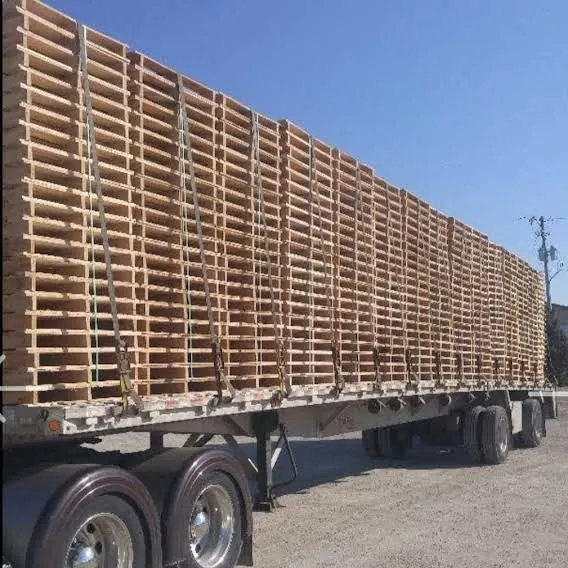
Print & Publishing at Lehigh Valley Logistics Corridor
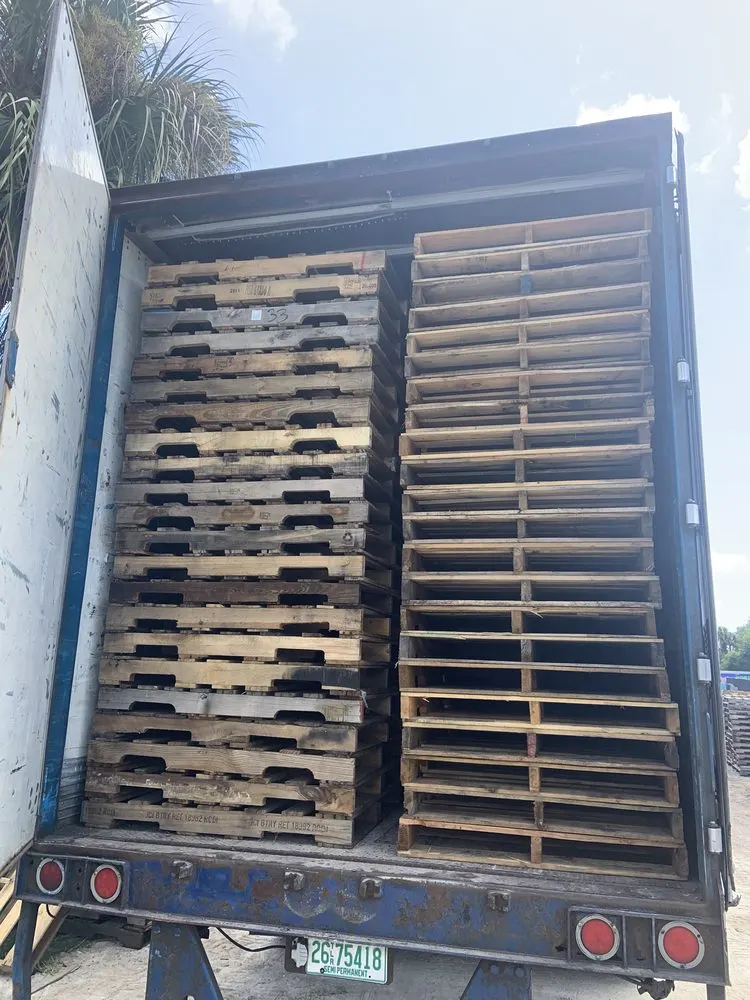
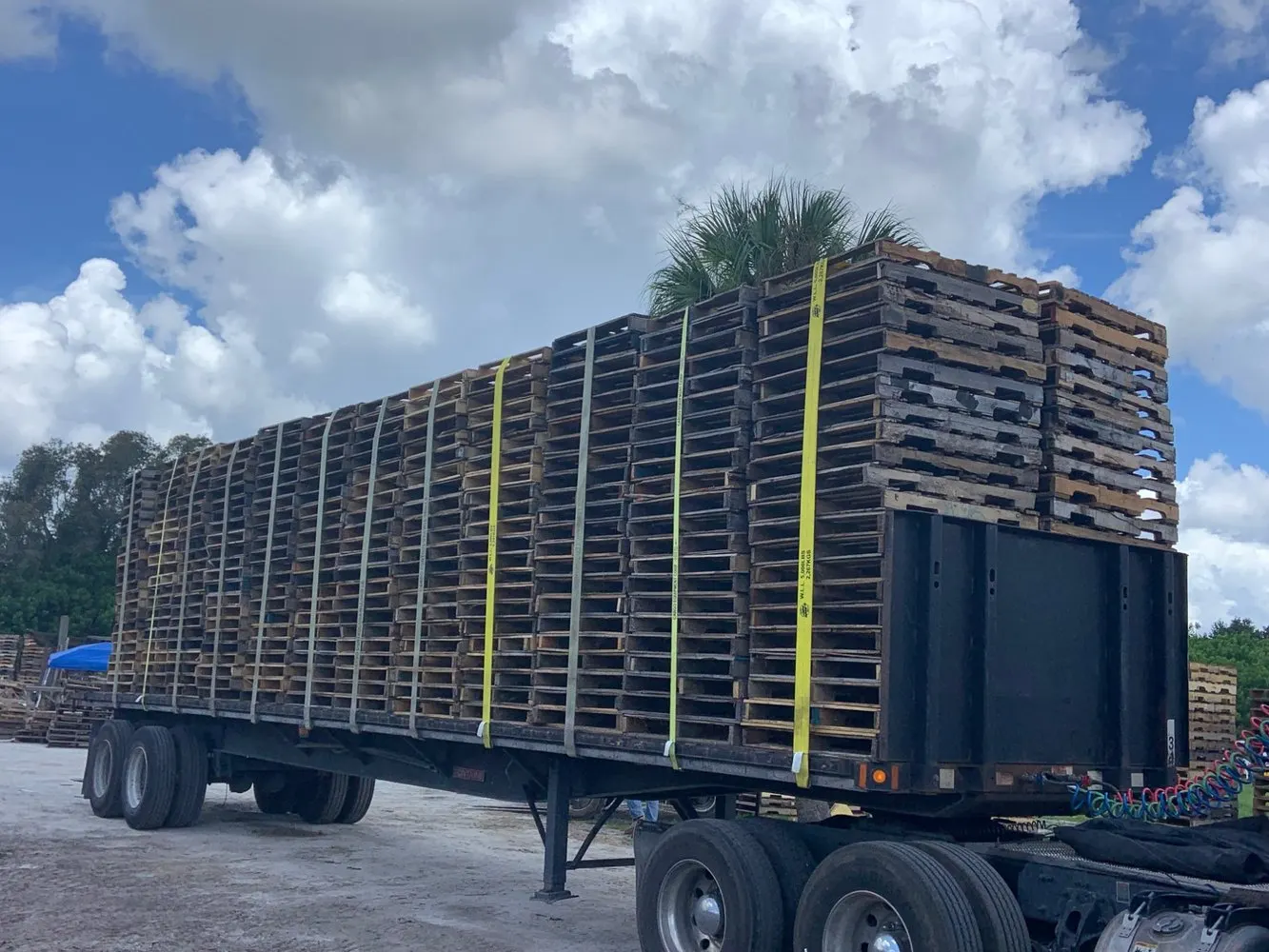
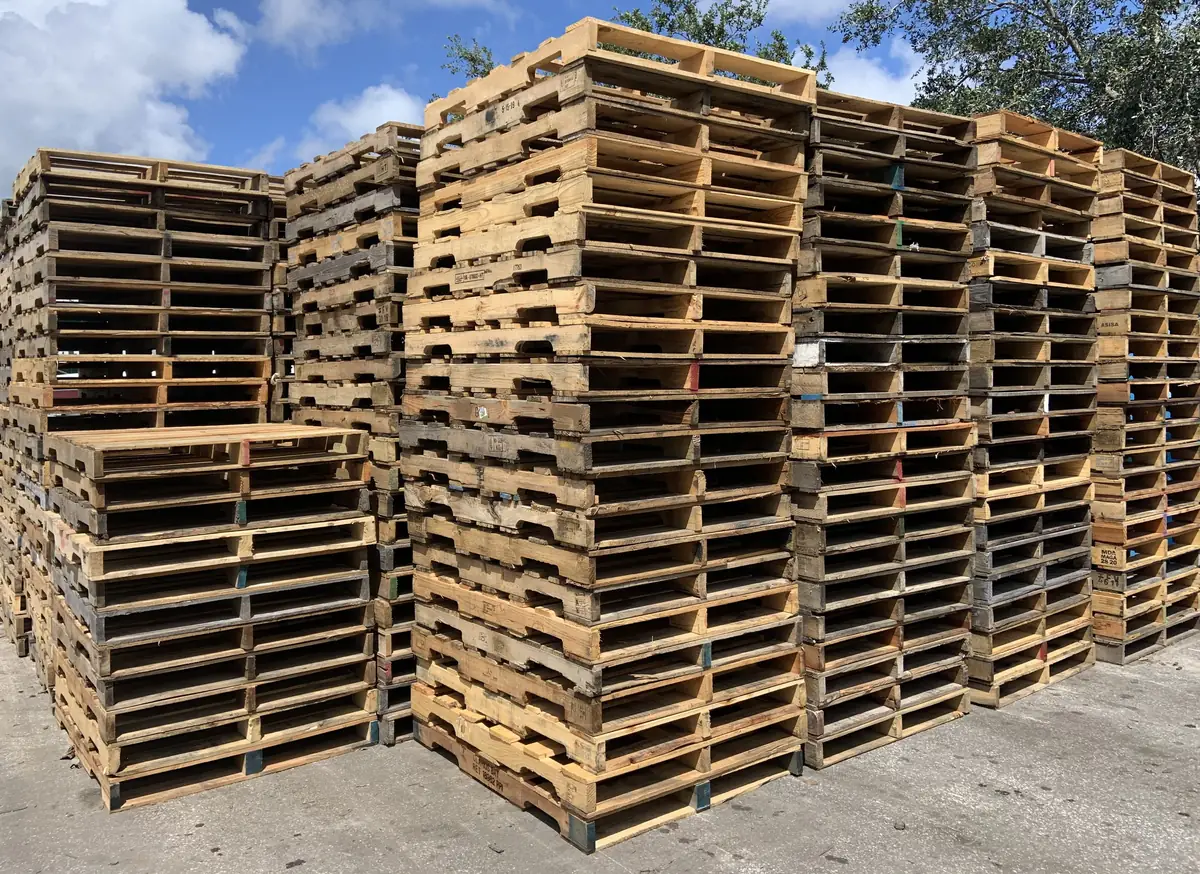
When Allentown/Bethlehem, PA operations need print & publishing pallets at scale, the supplier shortlist comes down to three things: inventory depth, delivery reliability, and documentation. United States Pallets engineers our print & publishing pallets program to win on all three - new GMA stock plus recycled Grade A and B always available, scheduled weekly delivery, and BOL/IPPC/grade certifications electronic before each load arrives.
print & publishing pallets suppliers serving Allentown/Bethlehem businesses range from regional yards with limited inventory to national networks with deep multi-grade stock. United States Pallets sits in the second category, structured specifically for high-volume B2B operations - 50+ pallets per order minimum, scheduled programs for 500+/week accounts, and dimensional consistency tight enough for AGV-equipped warehouses.
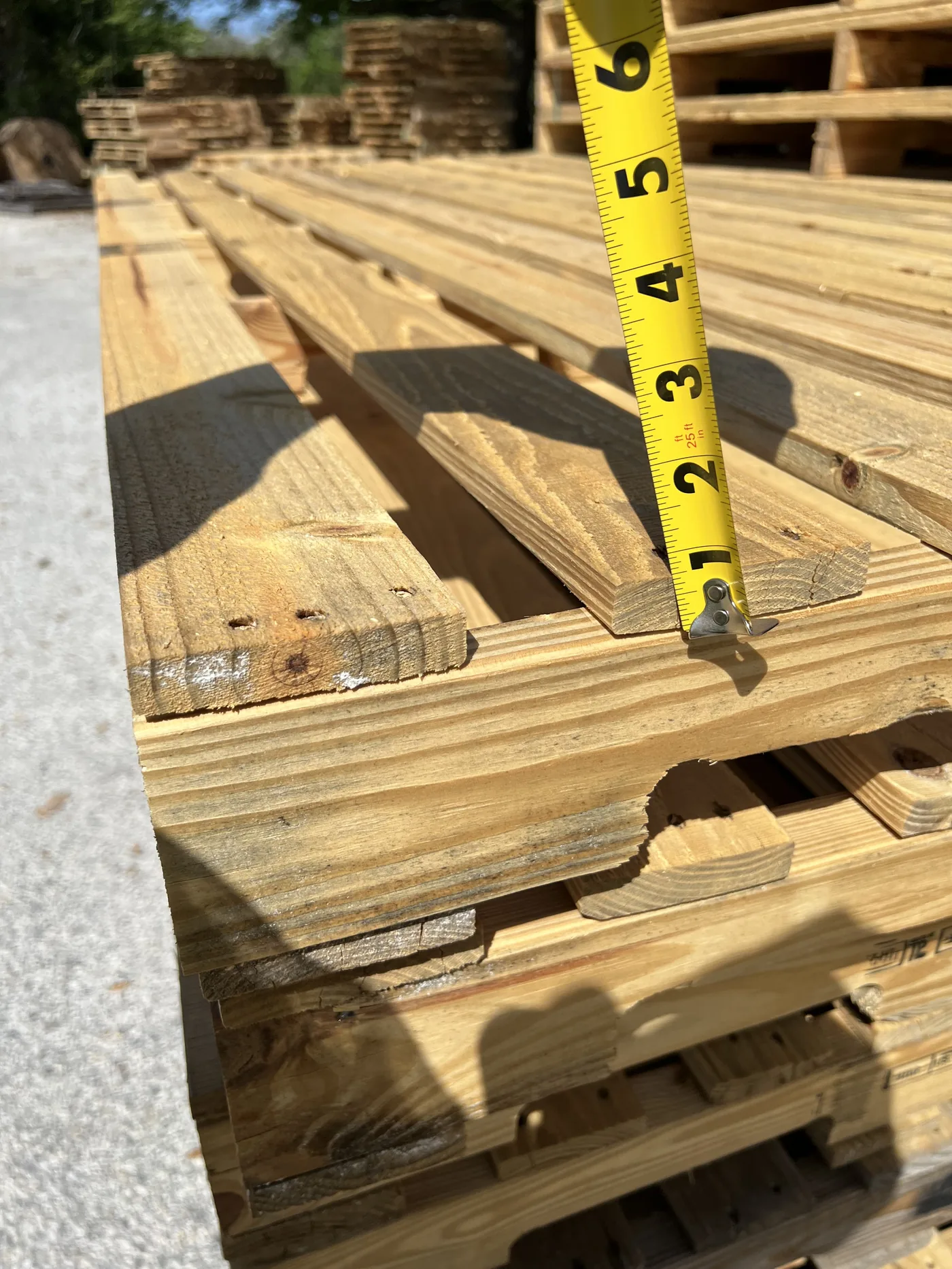
fastest-growing US distribution market with 100M+ sq ft. Print & Publishing-specific pallet specs available for park tenants.
Lehigh Valley Logistics Corridor Print & Publishing Programs
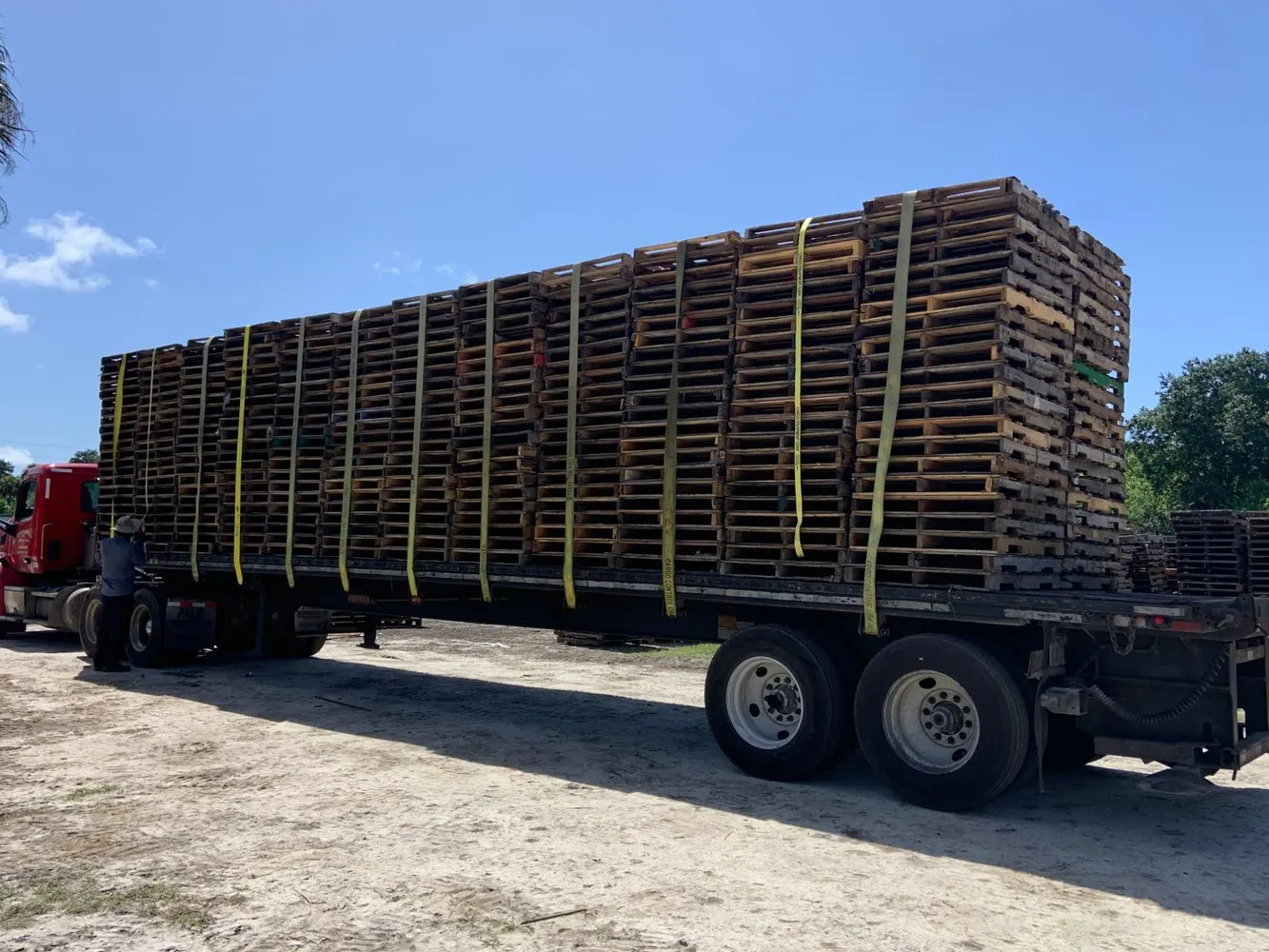
- Same-day delivery to Lehigh Valley Logistics Corridor
- Print & Publishing-specific load ratings and certifications
- Volume programs for park-wide pallet supply
- Audit-ready paperwork on every load
Can Allentown/Bethlehem customers run a buyback program alongside their pallet purchases?
Yes. Backhaul logistics are coordinated on outbound delivery routes - empty or non-spec pallets get picked up on the return leg of new pallet deliveries. Per-pallet freight cost on the backhaul approaches zero for accounts running both new-pallet purchase + buyback simultaneously.
Does United States Pallets ship print & publishing pallets to all of PA?
Yes. We deliver to every commercial address in PA, with same-day shipping standard in our Southeast/Mid-Atlantic core and scheduled weekly delivery elsewhere. Allentown/Bethlehem-area accounts are typical - submit a quote with your dock location and we route accordingly.
Can United States Pallets handle print & publishing pallets for high-volume Allentown/Bethlehem operations?
Yes. Standing-order programs for Allentown/Bethlehem operations running 500+ pallets/week lock in tiered pricing, reserve delivery slots, and run on autopilot in the background. Custom contract terms available for accounts running 2,000+/week.
How does United States Pallets compare to PA-based local pallet suppliers?
Local PA suppliers offer geographic proximity. United States Pallets offers nationwide sourcing depth, multi-grade inventory always in stock, sub-2-business-hour quote response, audit-ready documentation, and standing-order automation that local yards typically don\'t match.
What documentation accompanies print & publishing pallets loads?
BOL, packing list, grade certifications standard. Heat-treated loads add IPPC stamps and ISPM-15 documentation. Pharma-grade loads add batch records. Food-grade loads add FSMA Sanitary Transportation Rule certifications. All documentation ships electronically before delivery.
Lehigh Valley Logistics Corridor Print & Publishing Quote
Response under 2 business hours.