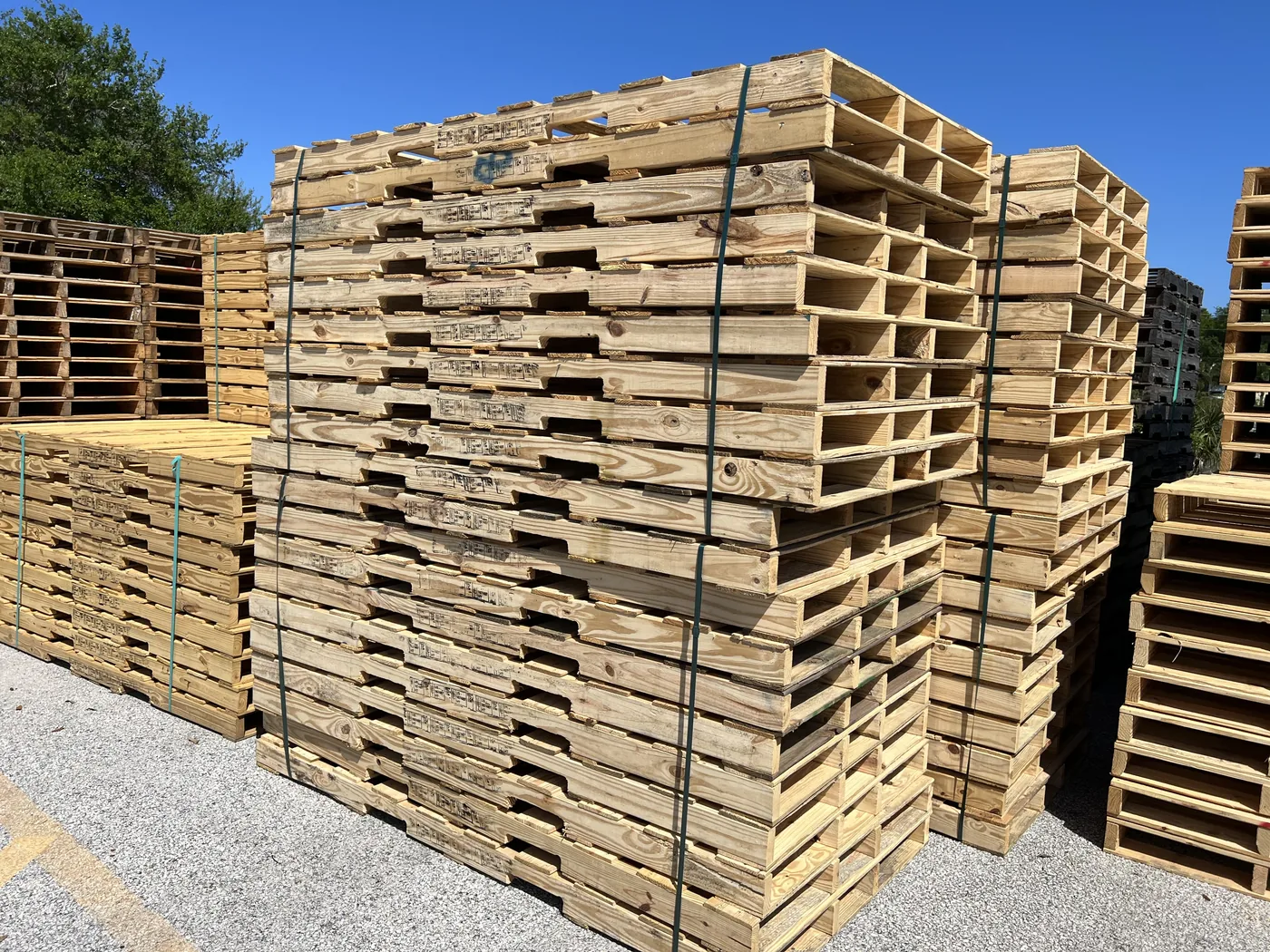
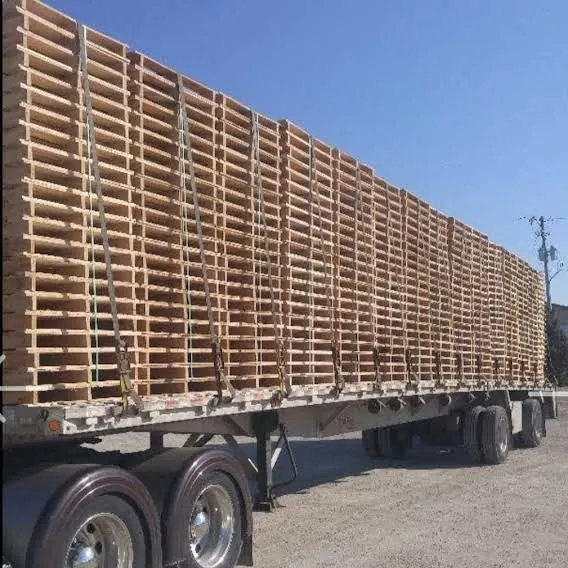
Seafood & Meat Processing Pallets in Seattle
Pallet demand in Seattle, Washington is shaped by the local economy and the regional supply chain - distribution, manufacturing, and food/beverage operations all consume pallets at predictable cadences. United States Pallets aligns our seafood & meat processing pallets delivery rhythm to those operations, with same-day rush options when production schedules tighten and standing-order programs for predictable weekly volume.
When Seattle, Washington operations need seafood & meat processing pallets at scale, the supplier shortlist comes down to three things: inventory depth, delivery reliability, and documentation. United States Pallets engineers our seafood & meat processing pallets program to win on all three - new GMA stock plus recycled Grade A and B always available, scheduled weekly delivery, and BOL/IPPC/grade certifications electronic before each load arrives.
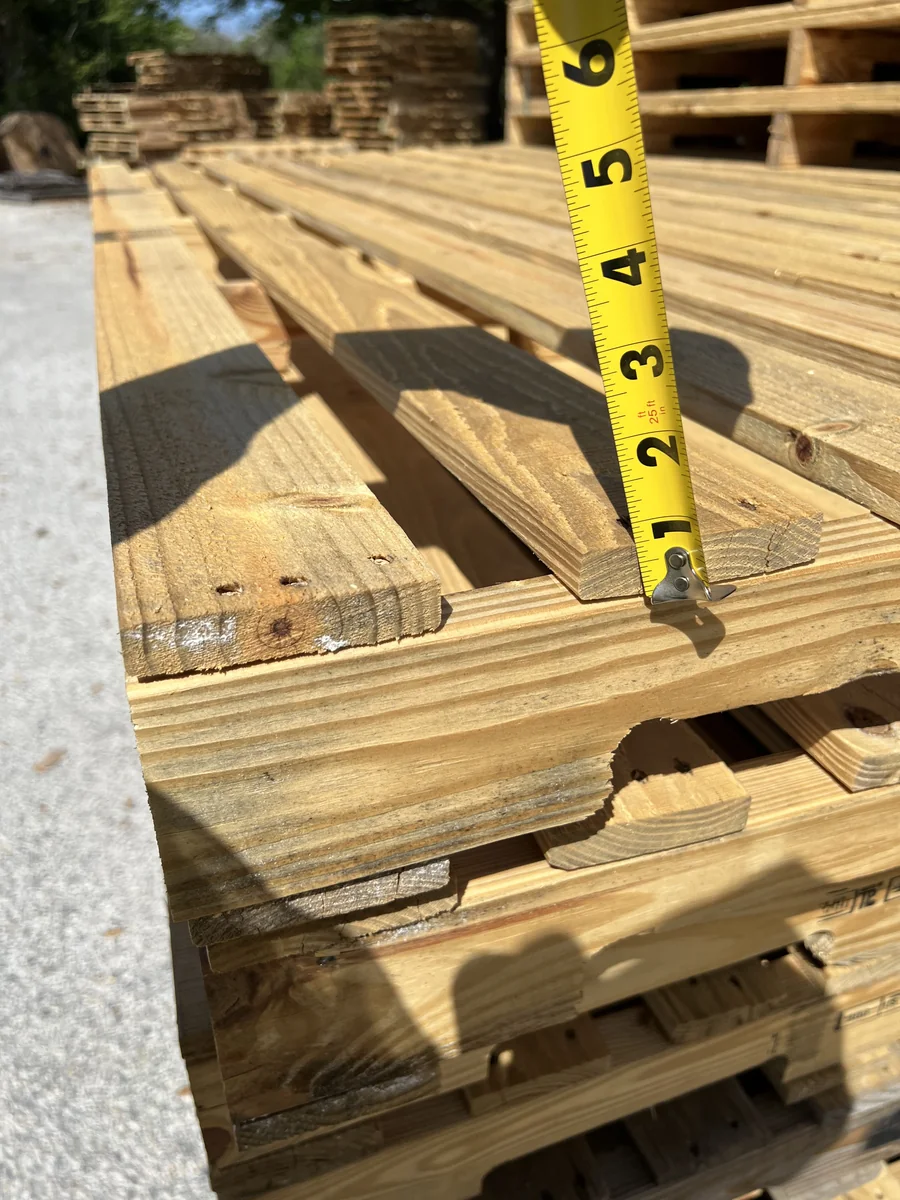
Seattle Seafood & Meat Processing Programs
- Same-day shipping in most Seattle markets
- Seafood & Meat Processing-specific load ratings and certifications
- FSMA, GDP, ISPM-15 documentation as required
- Custom dimensions for product-specific load planning
Can Seattle customers run a buyback program alongside their pallet purchases?
Yes. Backhaul logistics are coordinated on outbound delivery routes - empty or non-spec pallets get picked up on the return leg of new pallet deliveries. Per-pallet freight cost on the backhaul approaches zero for accounts running both new-pallet purchase + buyback simultaneously.
What\'s the minimum order quantity for seafood & meat processing pallets?
50 pallets per order minimum on buy-side. Sell-side (buyback) minimum is 250 pallets per single-size load. Volume tiers kick in automatically as cumulative monthly volume increases - 500+/week accounts qualify for standing-order programs with reserved delivery slots.
Does United States Pallets supply seafood & meat processing pallets for export from Seattle?
Yes, with ISPM-15 heat-treated pallets carrying IPPC stamps and full ISPM-15 documentation. Required for international shipments to all WTO member countries. Common for Seattle customers with port access via Washington\'s major export gateways.
Does United States Pallets ship seafood & meat processing pallets to all of Washington?
Yes. We deliver to every commercial address in Washington, with same-day shipping standard in our Southeast/Mid-Atlantic core and scheduled weekly delivery elsewhere. Seattle-area accounts are typical - submit a quote with your dock location and we route accordingly.
Can United States Pallets handle seafood & meat processing pallets for high-volume Seattle operations?
Yes. Standing-order programs for Seattle operations running 500+ pallets/week lock in tiered pricing, reserve delivery slots, and run on autopilot in the background. Custom contract terms available for accounts running 2,000+/week.
Seattle Seafood & Meat Processing Quote
Response under 2 business hours.