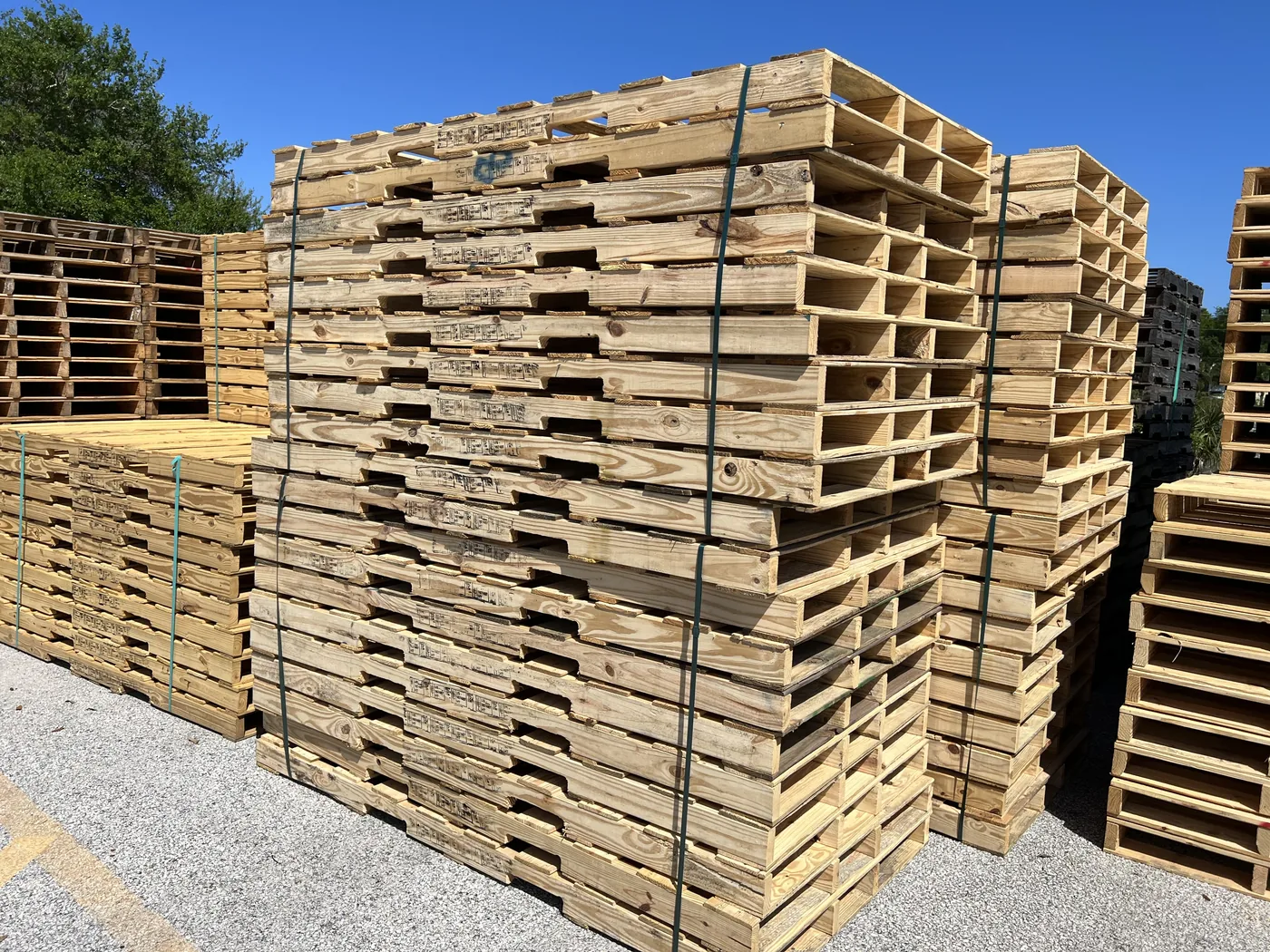
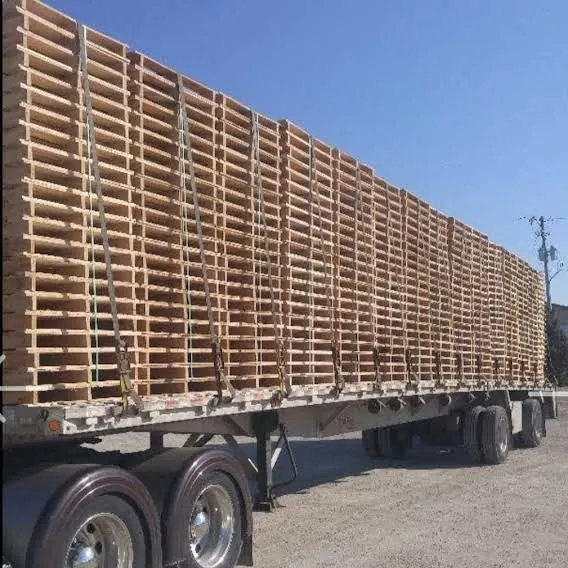
Seafood & Meat Processing Pallet Supply in Columbus, Ohio
Industrial-scale Seafood & Meat Processing pallet supply for Columbus, Ohio customers requires more than just stock on hand - it requires consistent dimensional tolerances, batch-quality records, and documentation that satisfies SOX, FDA, USDA, ISO 9001, and similar audit frameworks. United States Pallets ships every Seafood & Meat Processing pallet supply load with the documentation packet pre-attached electronically, no dock-side delays.
Communication discipline: most pallet vendors run phone-only ordering with opaque ETAs. United States Pallets operates a digital pipeline - web quotes, electronic order confirmations, real-time load tracking after dispatch, and a single dispatch coordinator assigned to each Columbus account for the first three loads to smooth the sales-to-ops handoff.
FAQ
What's the minimum order quantity for Seafood & Meat Processing pallet supply?
50 pallets per order minimum on buy-side. Sell-side (buyback) minimum is 250 pallets per single-size load. Volume tiers kick in automatically as cumulative monthly volume increases - 500+/week accounts qualify for standing-order programs with reserved delivery slots.
Does United States Pallets supply Seafood & Meat Processing pallet supply for export from Columbus?
Yes, with ISPM-15 heat-treated pallets carrying IPPC stamps and full ISPM-15 documentation. Required for international shipments to all WTO member countries. Common for Columbus customers with port access via Ohio's major export gateways.
What documentation accompanies Seafood & Meat Processing pallet supply loads?
BOL, packing list, grade certifications standard. Heat-treated loads add IPPC stamps and ISPM-15 documentation. Pharma-grade loads add batch records. Food-grade loads add FSMA Sanitary Transportation Rule certifications. All documentation ships electronically before delivery.
What credit terms does United States Pallets offer Columbus customers?
Net-30 credit terms standard after the first 1-3 prepaid or COD loads while credit is being established. Submit a credit application with three trade references; approval typically processes within 48 hours. Volume accounts can negotiate net-45 or net-60.
Columbus Quote
Response under 2 business hours.