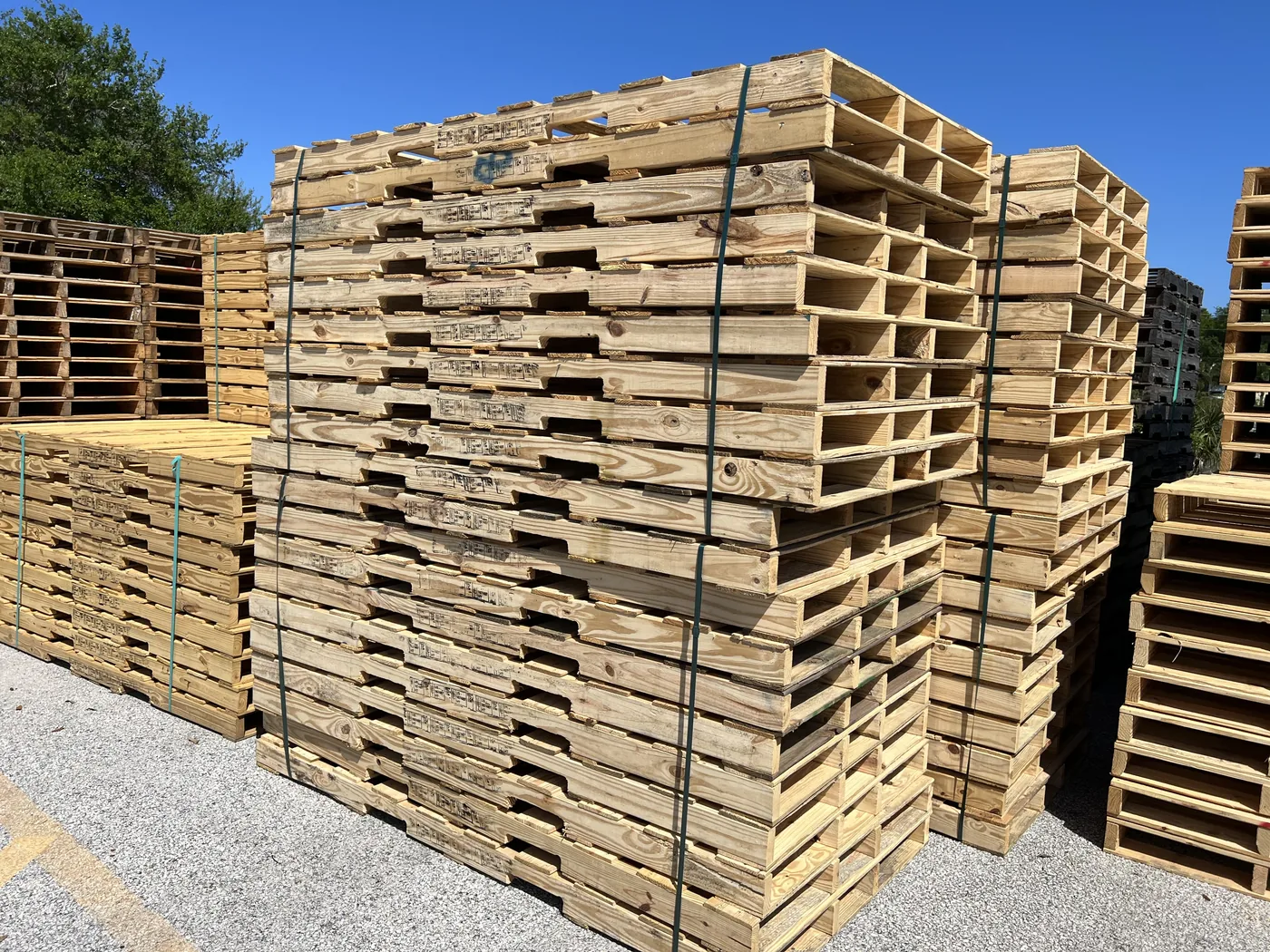
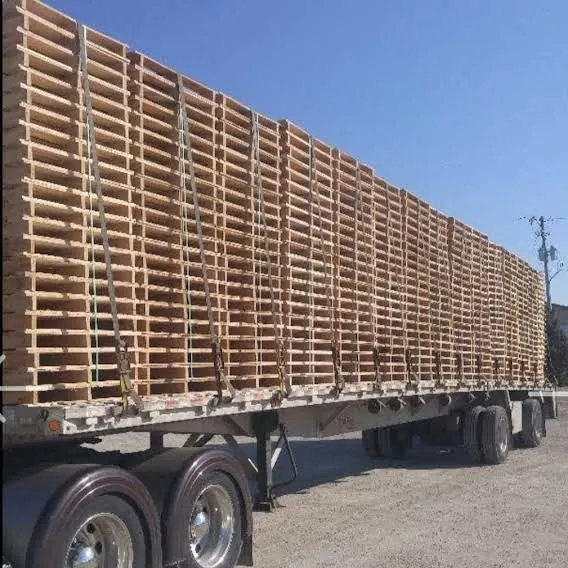
Seafood & Meat Processing Pallet Supply in Seattle, Washington
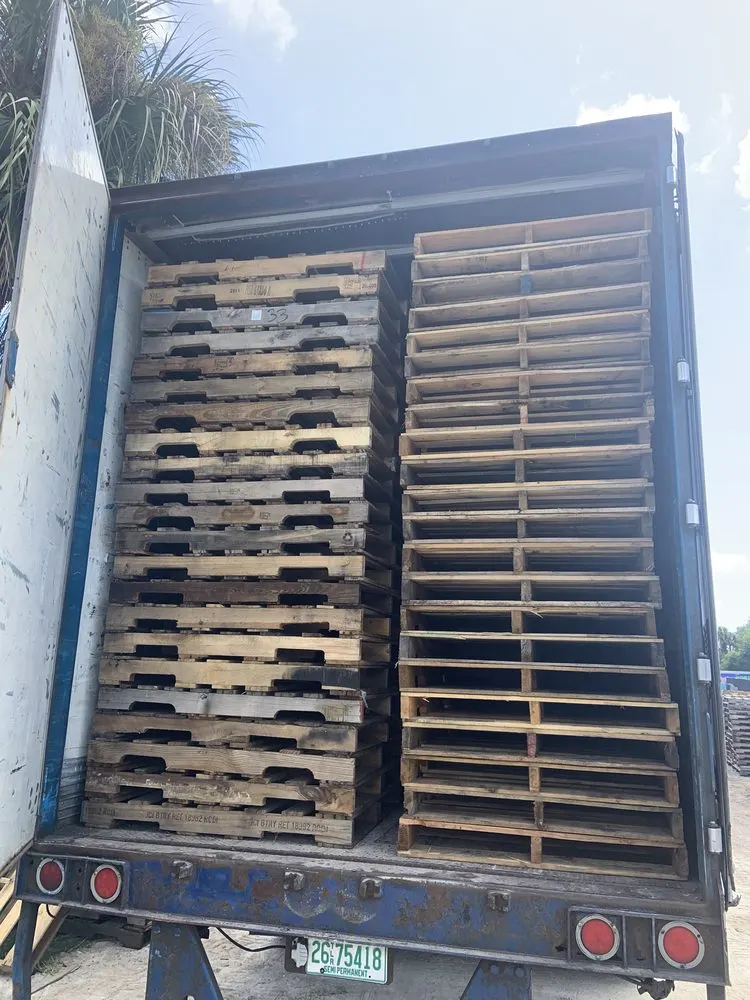
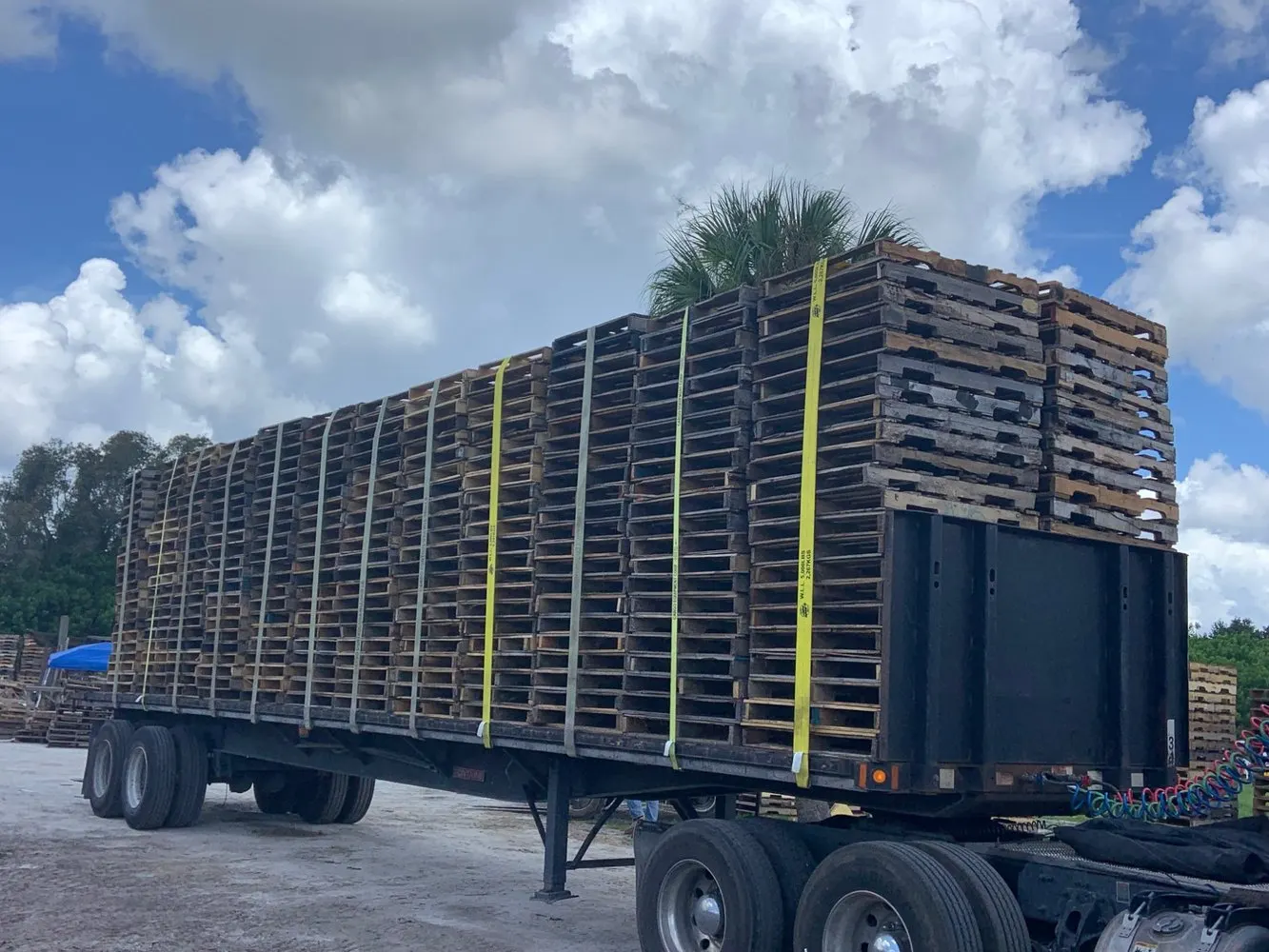
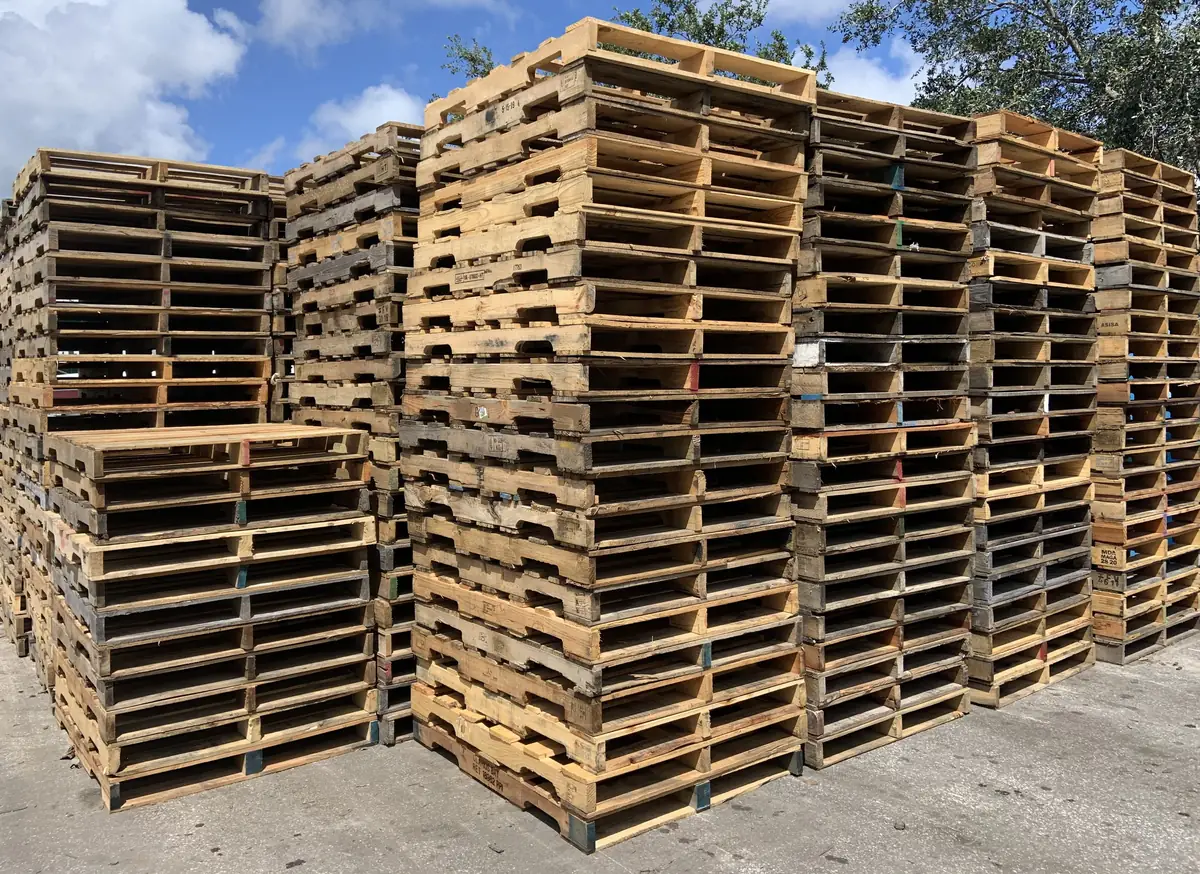
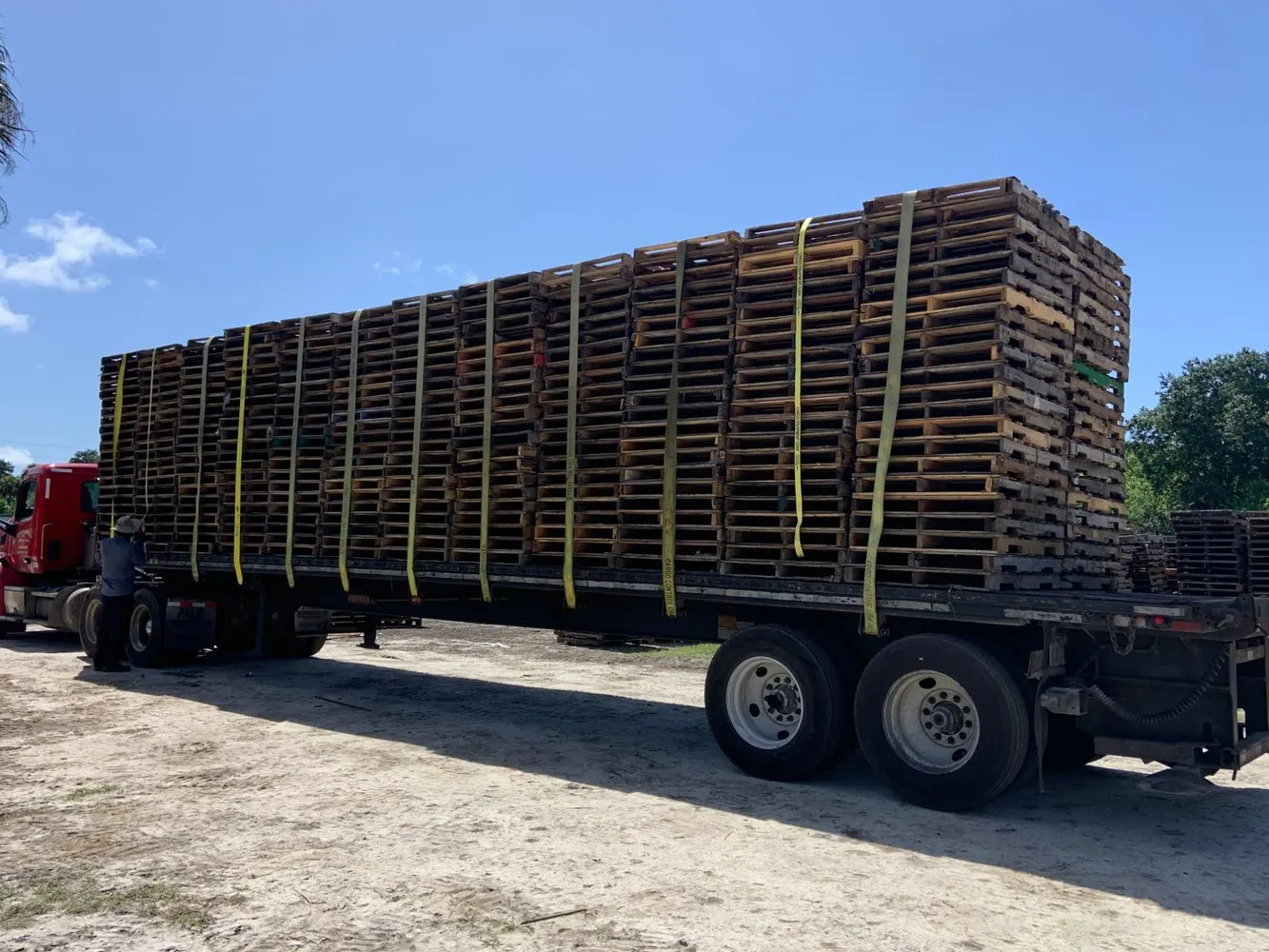
When Seattle, Washington operations need Seafood & Meat Processing pallet supply at scale, the supplier shortlist comes down to three things: inventory depth, delivery reliability, and documentation. United States Pallets engineers our Seafood & Meat Processing pallet supply program to win on all three - new GMA stock plus recycled Grade A and B always available, scheduled weekly delivery, and BOL/IPPC/grade certifications electronic before each load arrives.
Communication discipline: most pallet vendors run phone-only ordering with opaque ETAs. United States Pallets operates a digital pipeline - web quotes, electronic order confirmations, real-time load tracking after dispatch, and a single dispatch coordinator assigned to each Seattle account for the first three loads to smooth the sales-to-ops handoff.
FAQ
Does United States Pallets buy back used pallets in Seattle?
Yes. We buy back used pallets from Seattle collectors, recyclers, and warehouses - 250-pallet minimum per load, single-size only (no mixed-size loads). Fast ACH payment, typically same-day or net-7 depending on volume. Pickup arranged on standard outbound delivery routes.
What's the minimum order quantity for Seafood & Meat Processing pallet supply?
50 pallets per order minimum on buy-side. Sell-side (buyback) minimum is 250 pallets per single-size load. Volume tiers kick in automatically as cumulative monthly volume increases - 500+/week accounts qualify for standing-order programs with reserved delivery slots.
Does United States Pallets supply Seafood & Meat Processing pallet supply for export from Seattle?
Yes, with ISPM-15 heat-treated pallets carrying IPPC stamps and full ISPM-15 documentation. Required for international shipments to all WTO member countries. Common for Seattle customers with port access via Washington's major export gateways.
What credit terms does United States Pallets offer Seattle customers?
Net-30 credit terms standard after the first 1-3 prepaid or COD loads while credit is being established. Submit a credit application with three trade references; approval typically processes within 48 hours. Volume accounts can negotiate net-45 or net-60.
Seattle Quote
Response under 2 business hours.