Hardwood Lumber - Onslow County
Hardwood Lumber suppliers serving Onslow County businesses range from regional yards with limited inventory to national networks with deep multi-grade stock. United States Pallets sits in the second category, structured specifically for high-volume B2B operations - 50+ pallets per order minimum, scheduled programs for 500+/week accounts, and dimensional consistency tight enough for AGV-equipped warehouses.
Pallet demand in Onslow County, North Carolina is shaped by the local economy and the regional supply chain - distribution, manufacturing, and food/beverage operations all consume pallets at predictable cadences. United States Pallets aligns our Hardwood Lumber delivery rhythm to those operations, with same-day rush options when production schedules tighten and standing-order programs for predictable weekly volume.
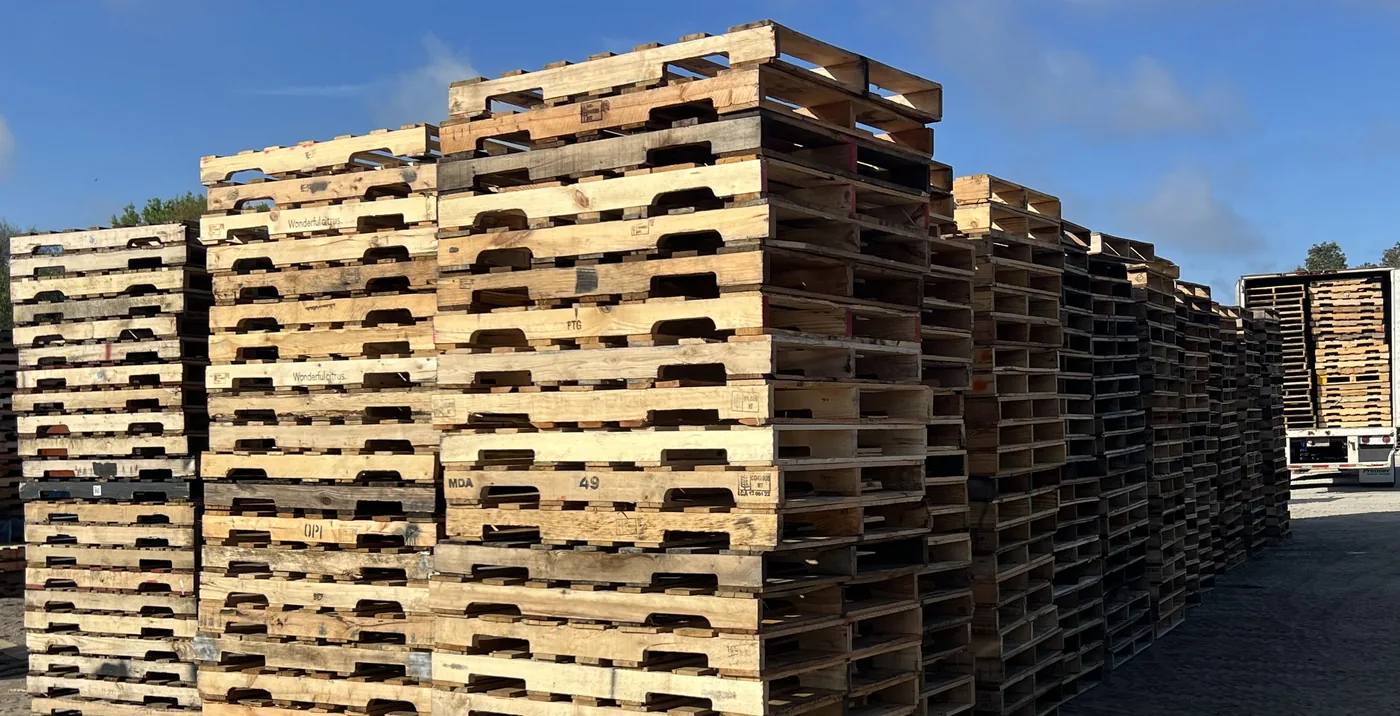
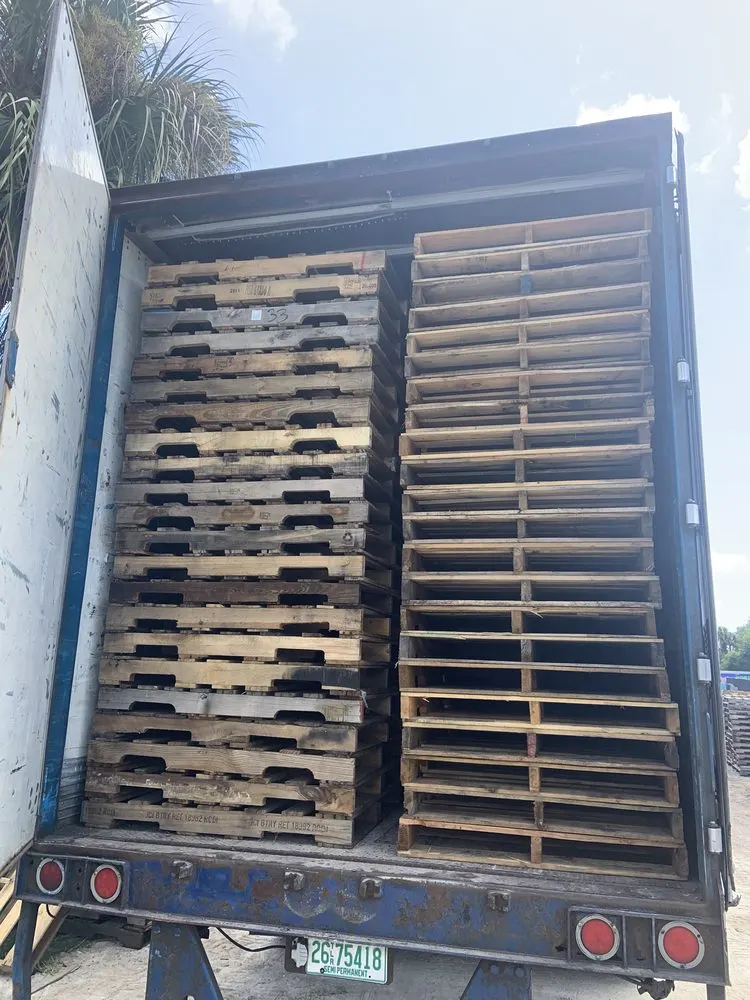
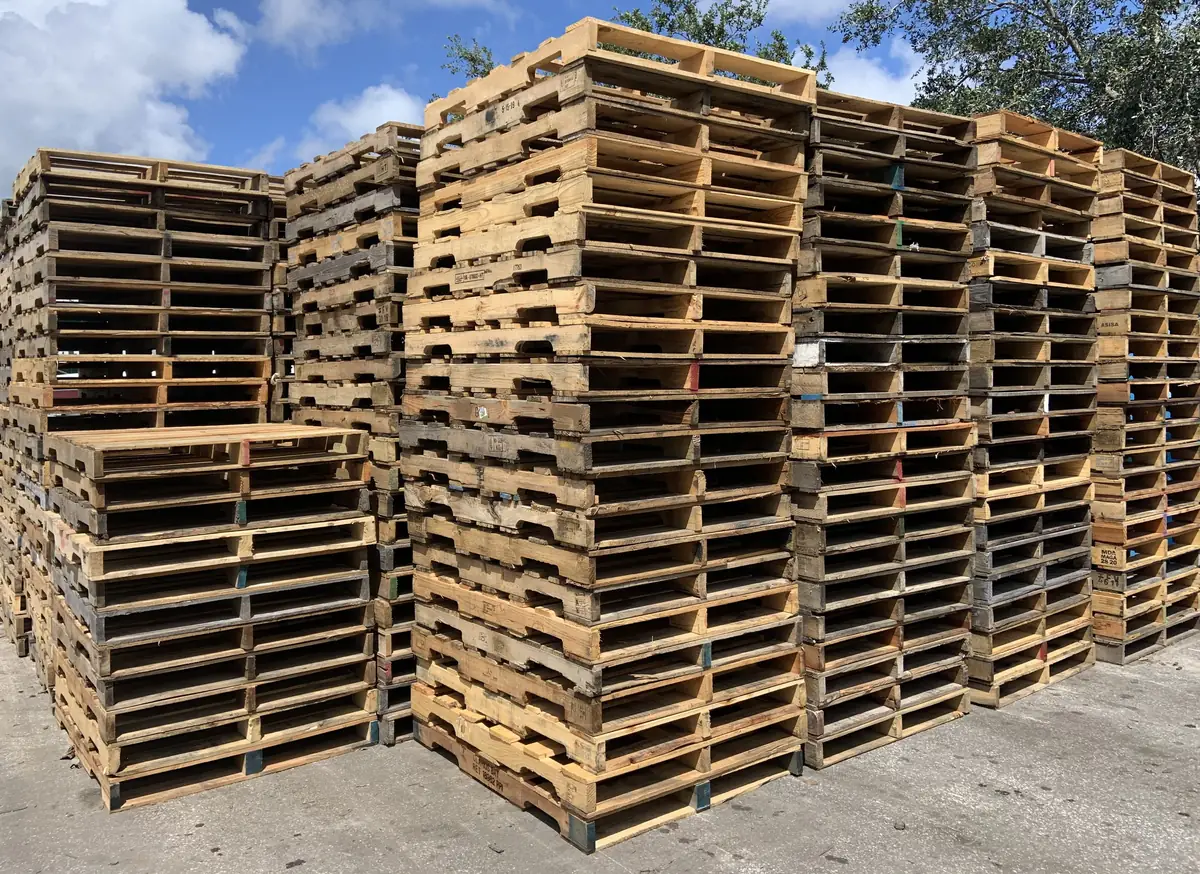
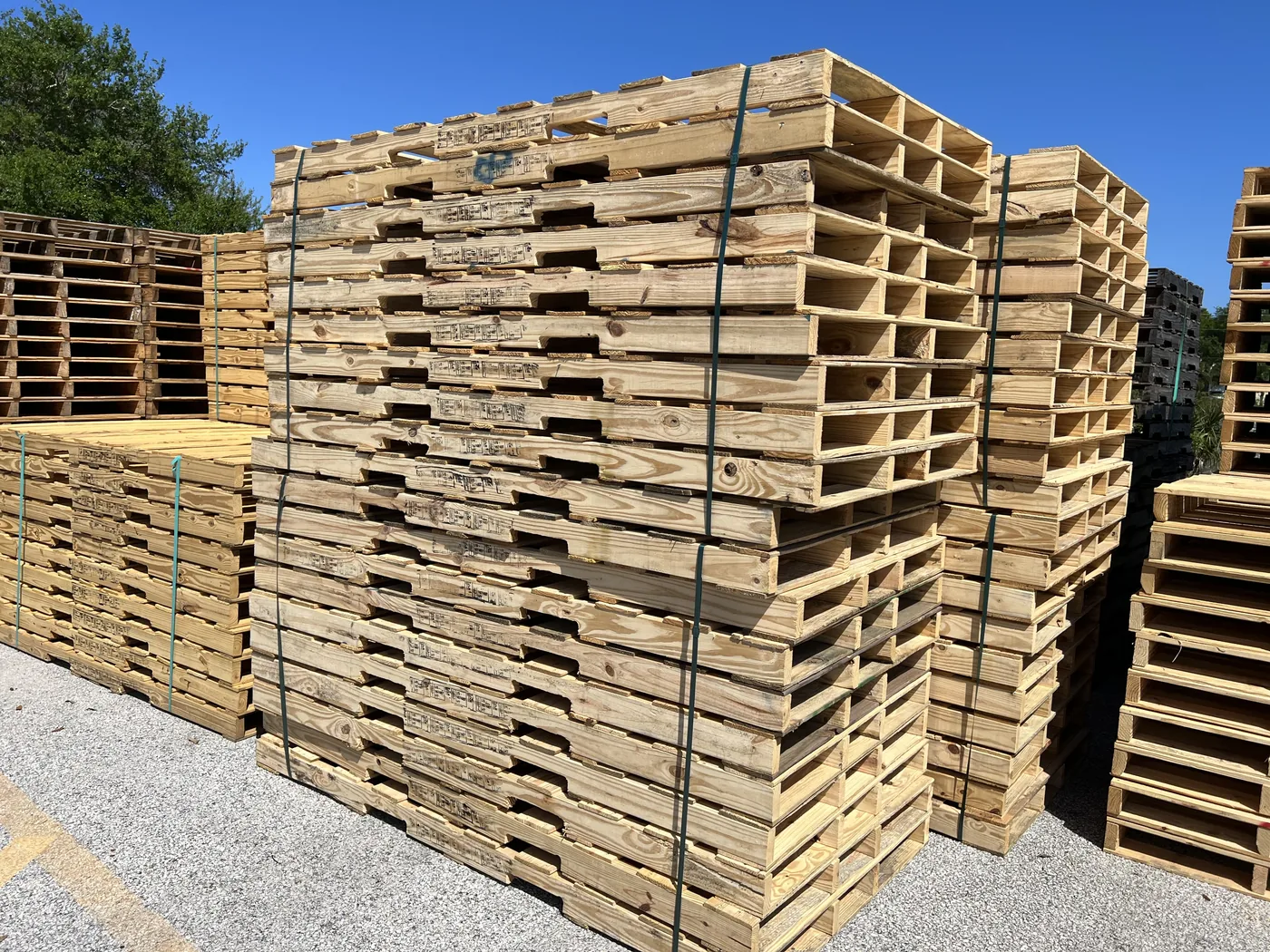
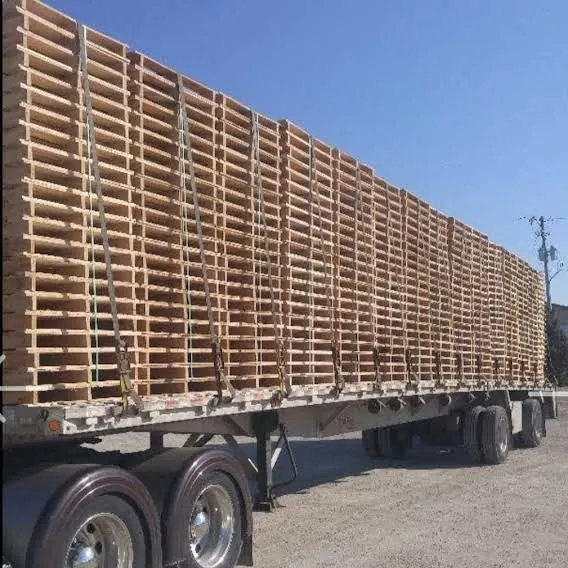
Mixed hardwood, oak, maple, hickory lumber for pallet and crate construction.
Onslow County Hardwood Lumber Programs
- ALSC-accredited grading via PLIB or SPIB
- Standard pallet and crate dimensions in stock
- Custom cutting available for specialty applications
- Bulk pricing tiers based on monthly volume
What's the minimum order quantity for Hardwood Lumber?
50 pallets per order minimum on buy-side. Sell-side (buyback) minimum is 250 pallets per single-size load. Volume tiers kick in automatically as cumulative monthly volume increases - 500+/week accounts qualify for standing-order programs with reserved delivery slots.
Does United States Pallets buy back used pallets in Onslow County?
Yes. We buy back used pallets from Onslow County collectors, recyclers, and warehouses - 250-pallet minimum per load, single-size only (no mixed-size loads). Fast ACH payment, typically same-day or net-7 depending on volume. Pickup arranged on standard outbound delivery routes.
How fast does United States Pallets deliver to Onslow County, North Carolina?
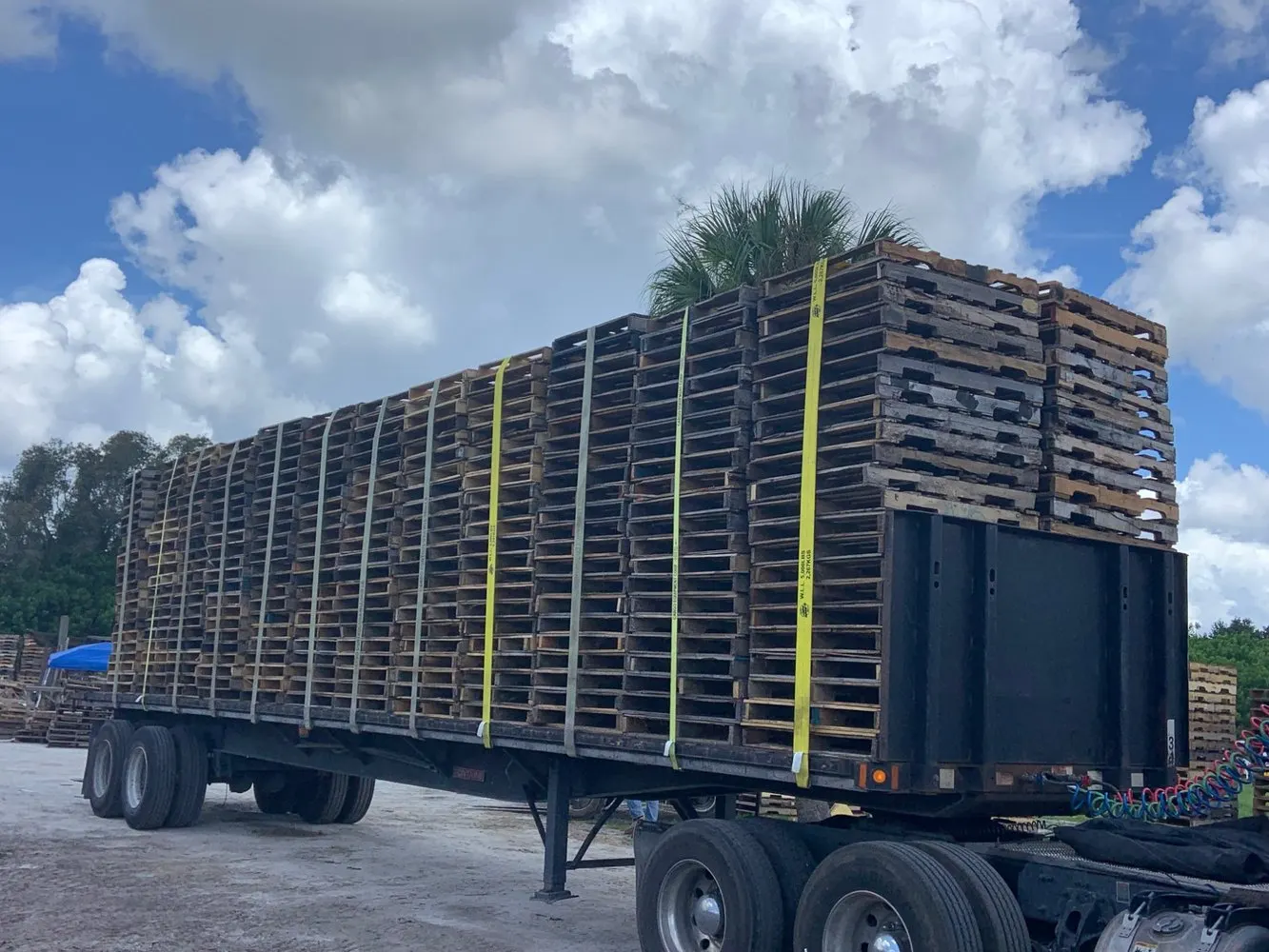
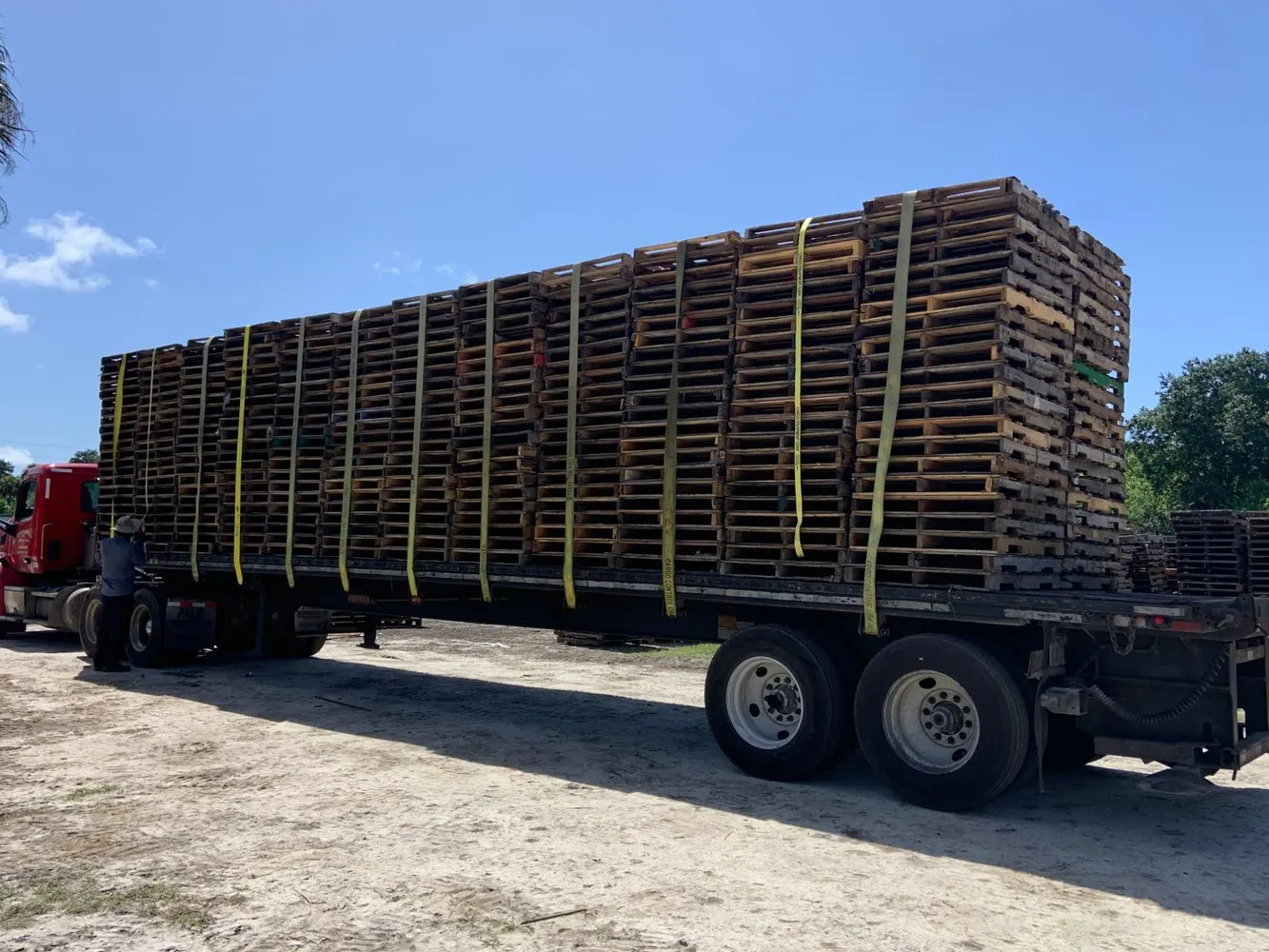
Same-day shipping in our Southeast/Mid-Atlantic core (FL, GA, AL, TN, MS, SC, NC, KY, VA) and scheduled weekly delivery elsewhere. Express options available for Onslow County rush orders. Quote response under 2 business hours, dispatch within hours of order confirmation.
How does United States Pallets compare to North Carolina-based local pallet suppliers?
Local North Carolina suppliers offer geographic proximity. United States Pallets offers nationwide sourcing depth, multi-grade inventory always in stock, sub-2-business-hour quote response, audit-ready documentation, and standing-order automation that local yards typically don't match.
Does United States Pallets supply Hardwood Lumber for export from Onslow County?
Yes, with ISPM-15 heat-treated pallets carrying IPPC stamps and full ISPM-15 documentation. Required for international shipments to all WTO member countries. Common for Onslow County customers with port access via North Carolina's major export gateways.
Onslow County Hardwood Lumber Quote
Response under 2 business hours.