Maple Lumber - Snohomish County
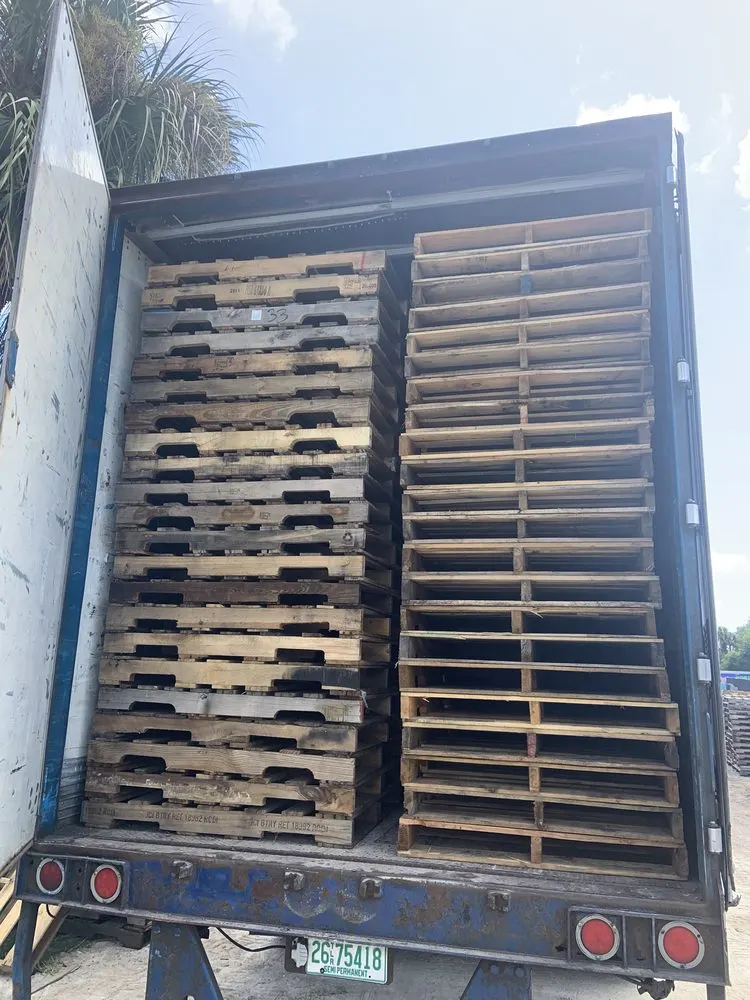
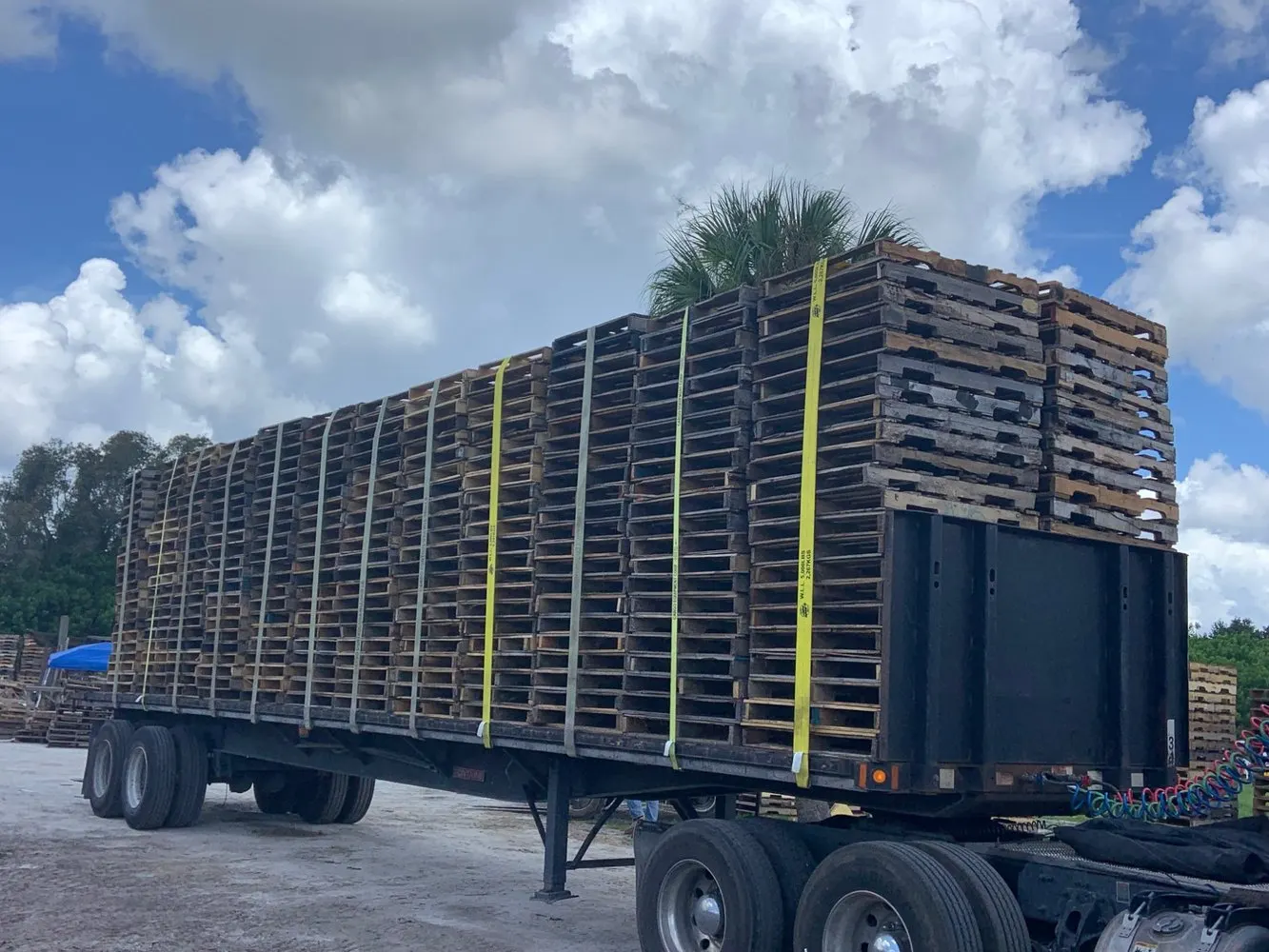
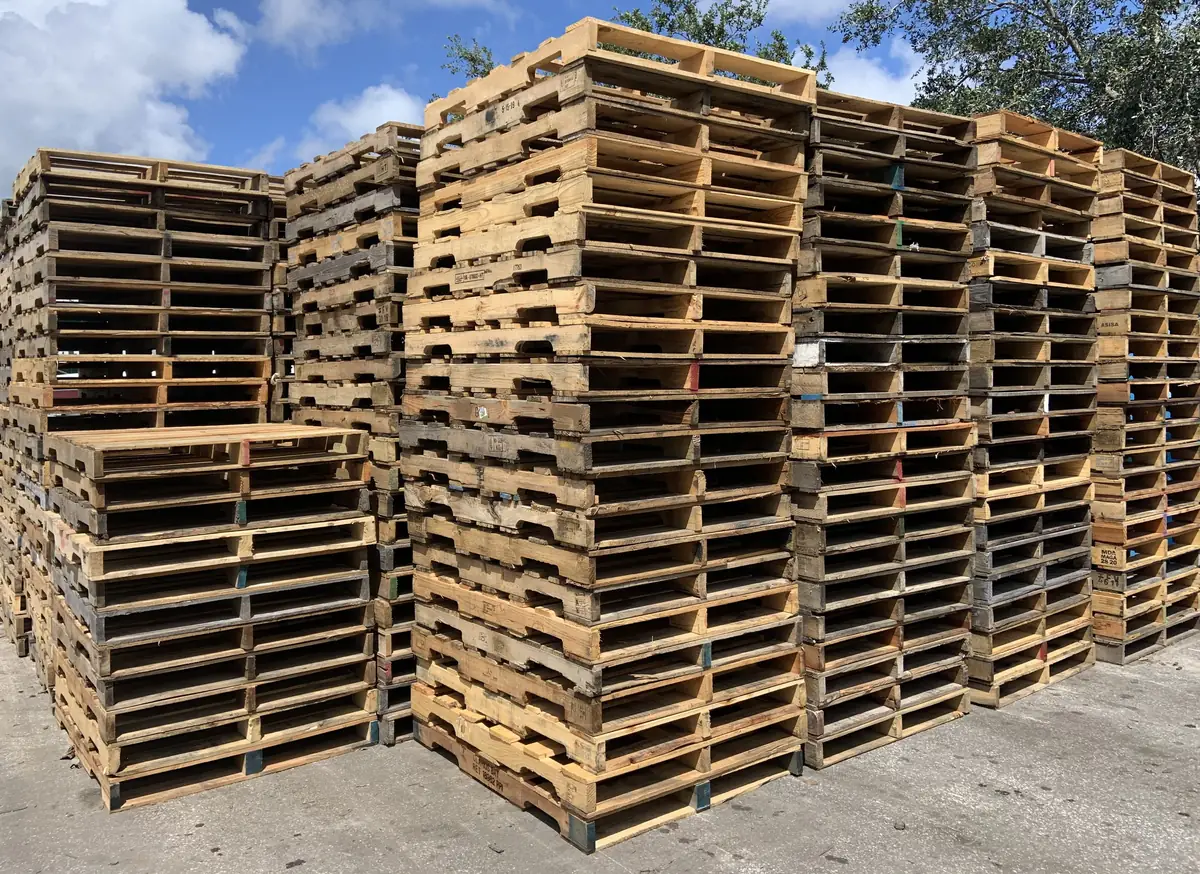
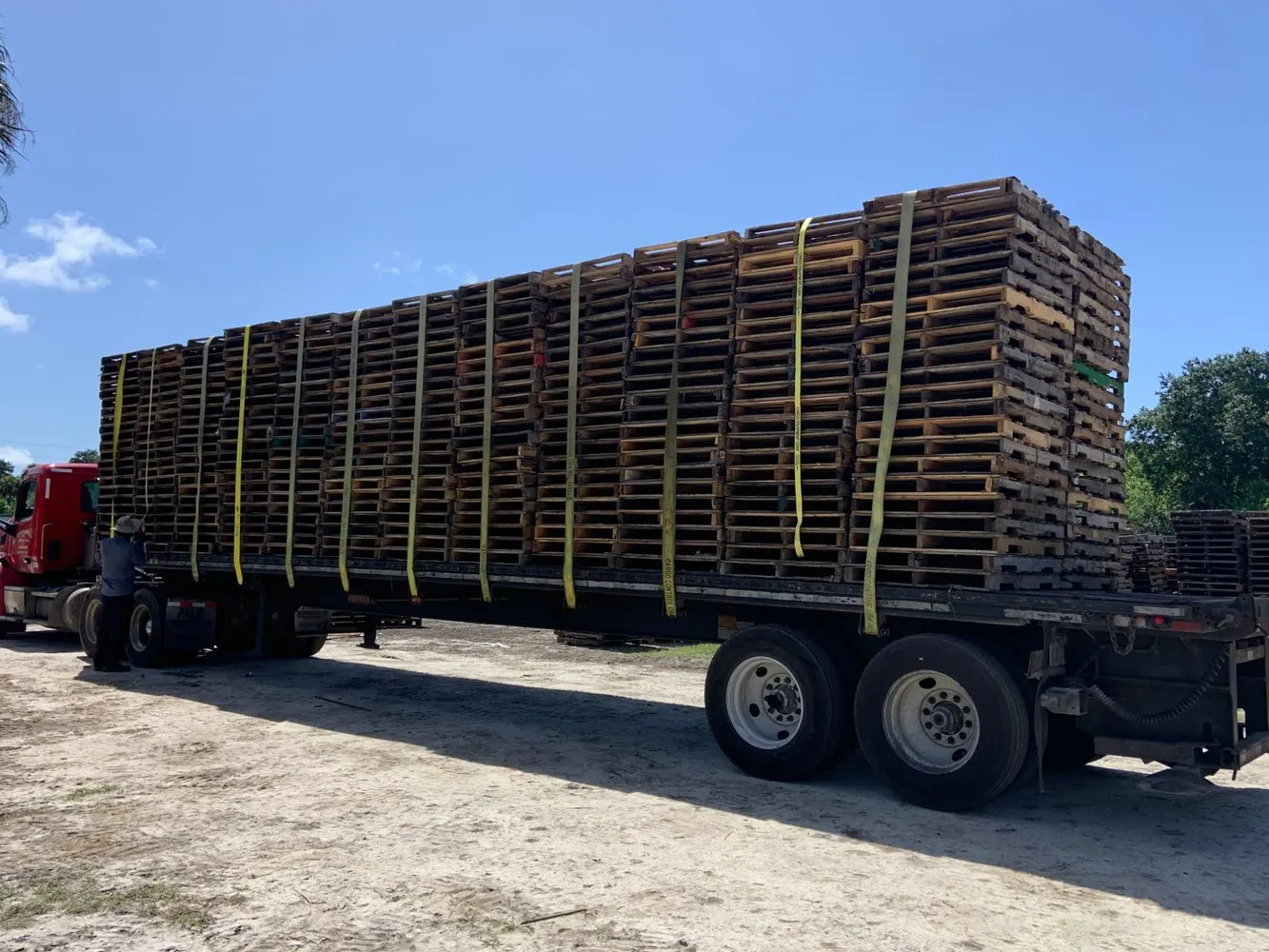
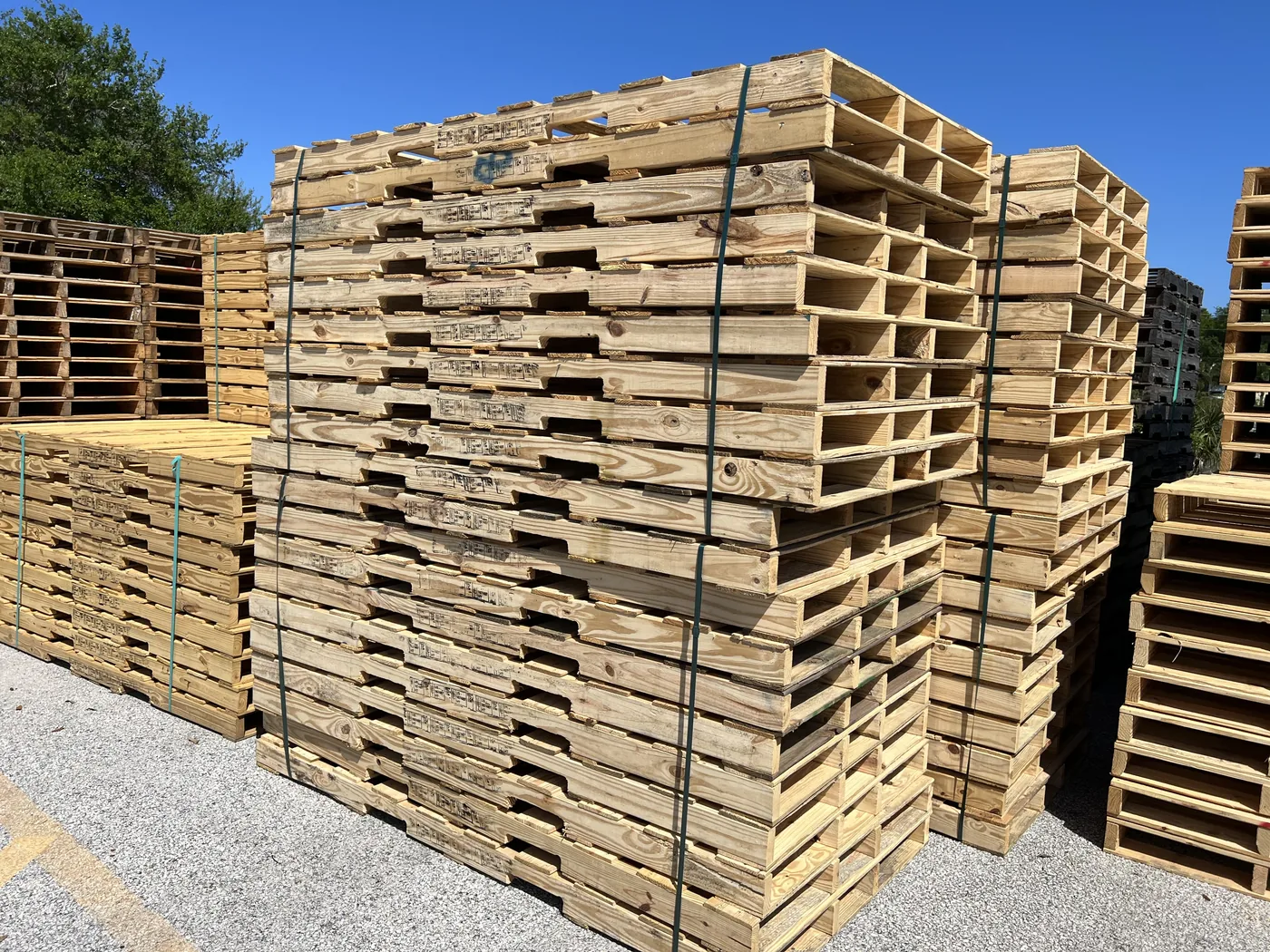
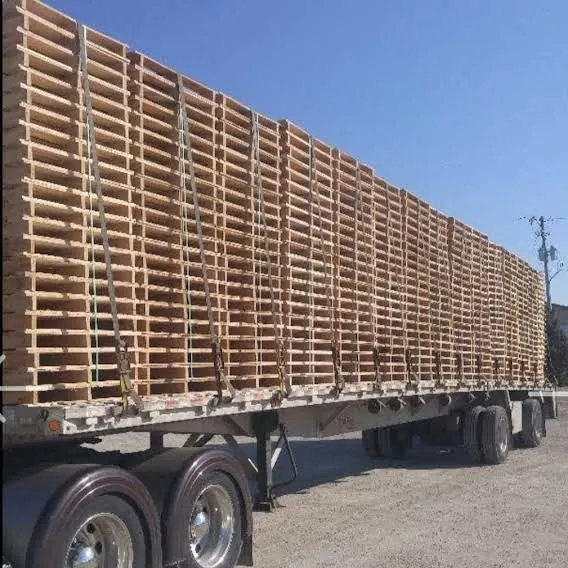
When Snohomish County, Washington operations need Maple Lumber at scale, the supplier shortlist comes down to three things: inventory depth, delivery reliability, and documentation. United States Pallets engineers our Maple Lumber program to win on all three - new GMA stock plus recycled Grade A and B always available, scheduled weekly delivery, and BOL/IPPC/grade certifications electronic before each load arrives.
Maple Lumber suppliers serving Snohomish County businesses range from regional yards with limited inventory to national networks with deep multi-grade stock. United States Pallets sits in the second category, structured specifically for high-volume B2B operations - 50+ pallets per order minimum, scheduled programs for 500+/week accounts, and dimensional consistency tight enough for AGV-equipped warehouses.
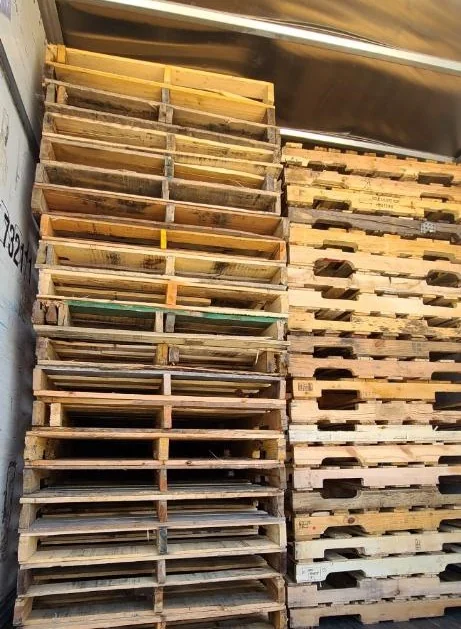
Hard Maple lumber for premium pallet and crate construction.
Snohomish County Maple Lumber Programs
- ALSC-accredited grading via PLIB or SPIB
- Standard pallet and crate dimensions in stock
- Custom cutting available for specialty applications
- Bulk pricing tiers based on monthly volume
Does United States Pallets buy back used pallets in Snohomish County?
Yes. We buy back used pallets from Snohomish County collectors, recyclers, and warehouses - 250-pallet minimum per load, single-size only (no mixed-size loads). Fast ACH payment, typically same-day or net-7 depending on volume. Pickup arranged on standard outbound delivery routes.
What's the minimum order quantity for Maple Lumber?
50 pallets per order minimum on buy-side. Sell-side (buyback) minimum is 250 pallets per single-size load. Volume tiers kick in automatically as cumulative monthly volume increases - 500+/week accounts qualify for standing-order programs with reserved delivery slots.
What documentation accompanies Maple Lumber loads?
BOL, packing list, grade certifications standard. Heat-treated loads add IPPC stamps and ISPM-15 documentation. Pharma-grade loads add batch records. Food-grade loads add FSMA Sanitary Transportation Rule certifications. All documentation ships electronically before delivery.
Can United States Pallets handle Maple Lumber for high-volume Snohomish County operations?
Yes. Standing-order programs for Snohomish County operations running 500+ pallets/week lock in tiered pricing, reserve delivery slots, and run on autopilot in the background. Custom contract terms available for accounts running 2,000+/week.
Does United States Pallets ship Maple Lumber to all of Washington?
Yes. We deliver to every commercial address in Washington, with same-day shipping standard in our Southeast/Mid-Atlantic core and scheduled weekly delivery elsewhere. Snohomish County-area accounts are typical - submit a quote with your dock location and we route accordingly.
Snohomish County Maple Lumber Quote
Response under 2 business hours.