Pallet Lumber - Wilmington
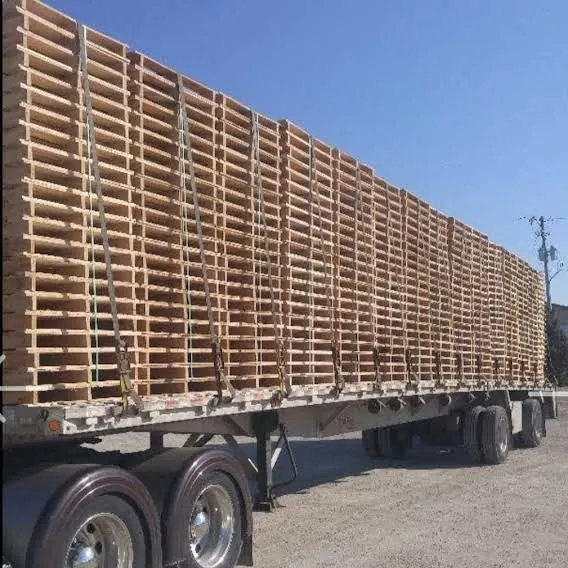
Pallet Lumber in Wilmington, North Carolina is foundational infrastructure for any commercial operation moving goods through North Carolina's industrial supply chain. United States Pallets (Wilmington customers reach us at our national dispatch line) provides Pallet Lumber on a 50-pallet minimum with same-day shipping in our Southeast/Mid-Atlantic core and scheduled weekly delivery to Wilmington elsewhere.
North Carolina businesses handling commercial pallet supply for Wilmington-area operations need a supplier that delivers consistent grade quality, dimensional tolerances tighter than industry standard, and audit-ready documentation. United States Pallets Pallet Lumber for Wilmington meets each of those bars, with quote response under 2 business hours and net-30 credit terms after the first 1-3 prepaid loads.
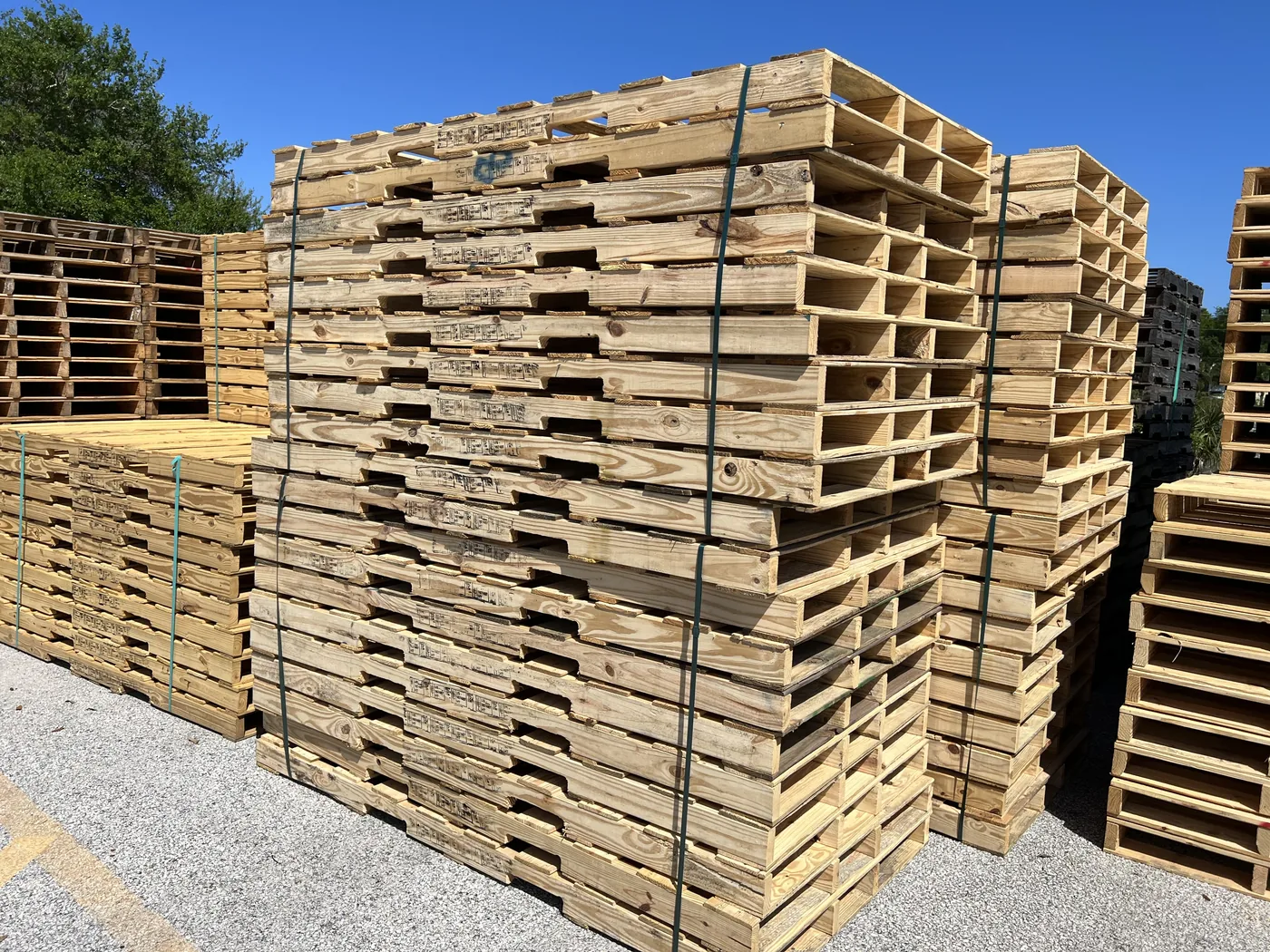
Pallet-grade lumber, typically No. 2 grade per ALSC accreditation.
Wilmington Pallet Lumber Programs
- Standard pallet and crate dimensions
- Custom cutting for specialty applications
- Same-day delivery option for Wilmington customers
- Bulk pricing tiers
Does United States Pallets buy back used pallets in Wilmington?
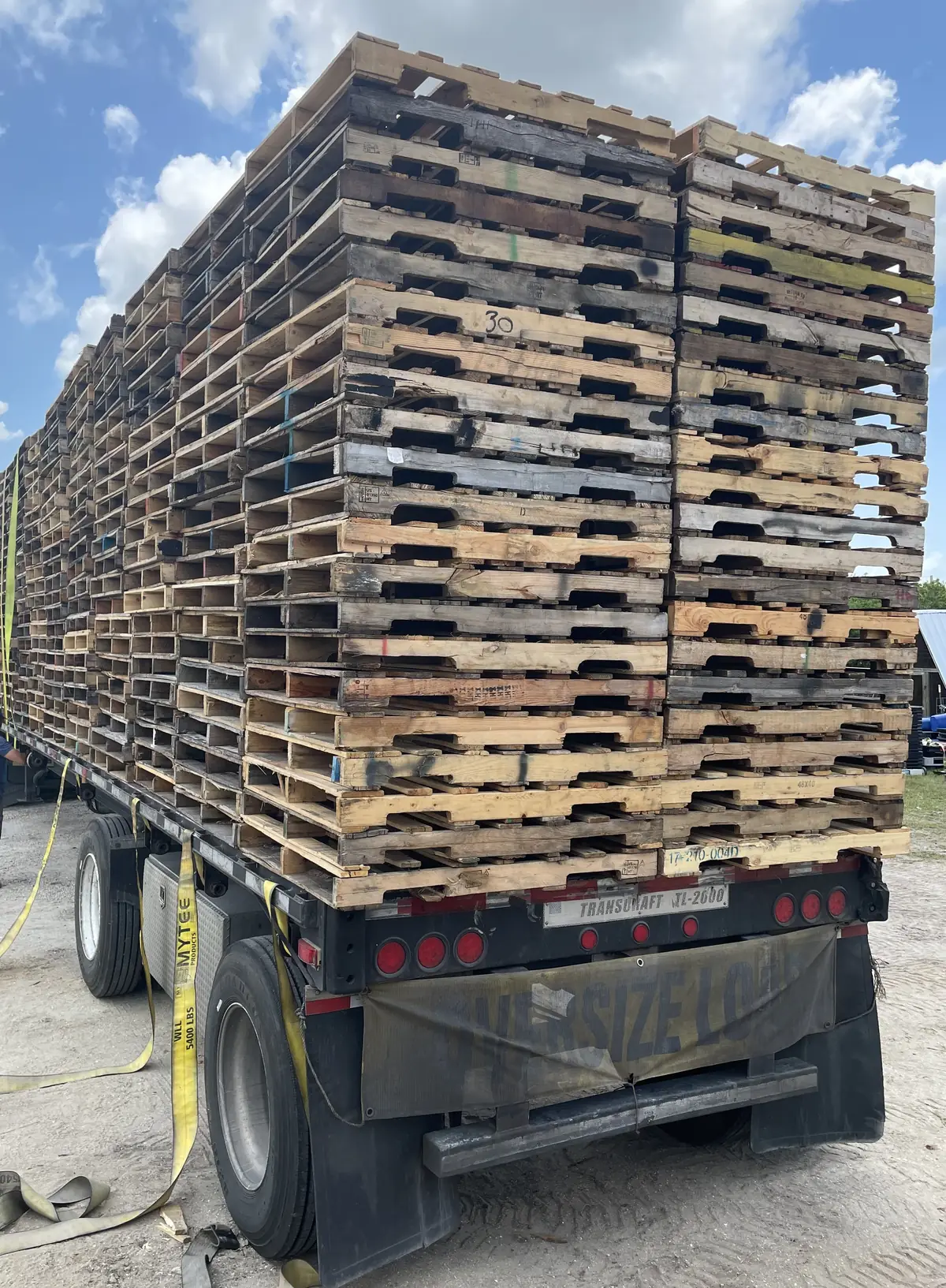
Yes. We buy back used pallets from Wilmington collectors, recyclers, and warehouses - 250-pallet minimum per load, single-size only (no mixed-size loads). Fast ACH payment, typically same-day or net-7 depending on volume. Pickup arranged on standard outbound delivery routes.
What credit terms does United States Pallets offer Wilmington customers?
Net-30 credit terms standard after the first 1-3 prepaid or COD loads while credit is being established. Submit a credit application with three trade references; approval typically processes within 48 hours. Volume accounts can negotiate net-45 or net-60.
Does United States Pallets ship Pallet Lumber to all of North Carolina?
Yes. We deliver to every commercial address in North Carolina, with same-day shipping standard in our Southeast/Mid-Atlantic core and scheduled weekly delivery elsewhere. Wilmington-area accounts are typical - submit a quote with your dock location and we route accordingly.
What documentation accompanies Pallet Lumber loads?
BOL, packing list, grade certifications standard. Heat-treated loads add IPPC stamps and ISPM-15 documentation. Pharma-grade loads add batch records. Food-grade loads add FSMA Sanitary Transportation Rule certifications. All documentation ships electronically before delivery.
What's the minimum order quantity for Pallet Lumber?
50 pallets per order minimum on buy-side. Sell-side (buyback) minimum is 250 pallets per single-size load. Volume tiers kick in automatically as cumulative monthly volume increases - 500+/week accounts qualify for standing-order programs with reserved delivery slots.
Wilmington Pallet Lumber Quote
Response under 2 business hours.