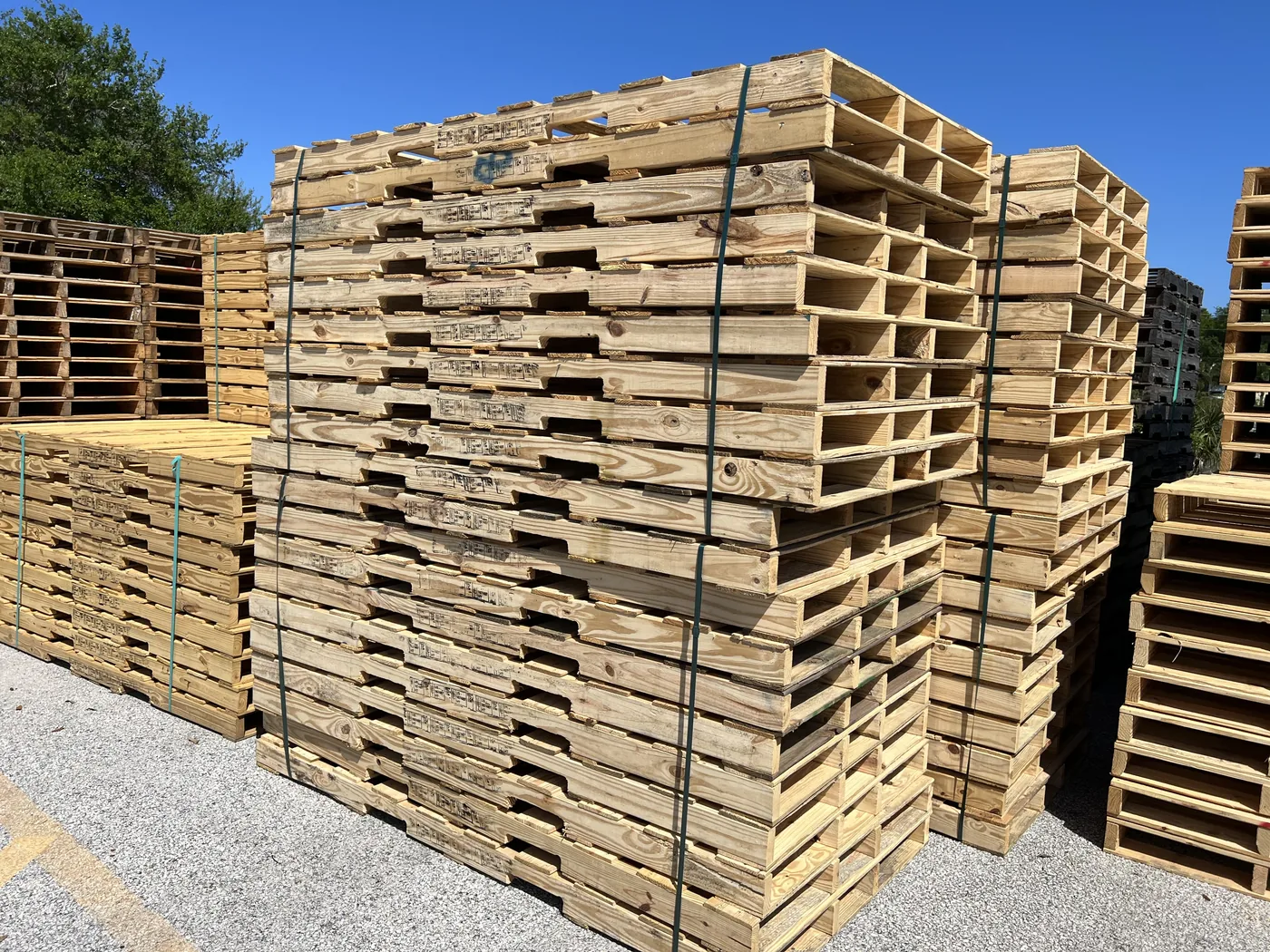
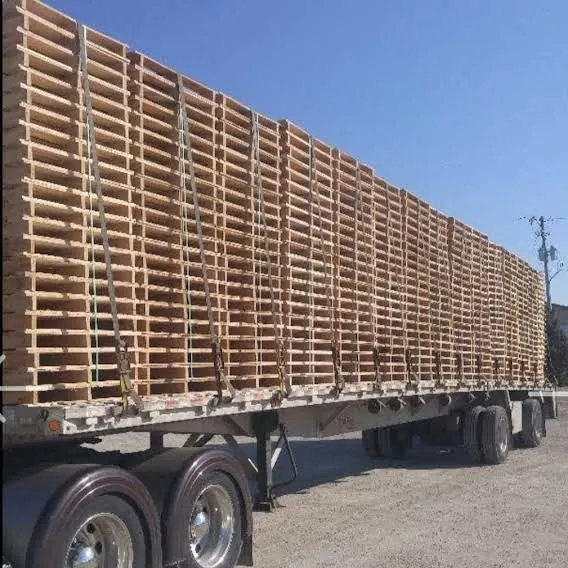
Rough-Cut Lumber for Agriculture & Produce
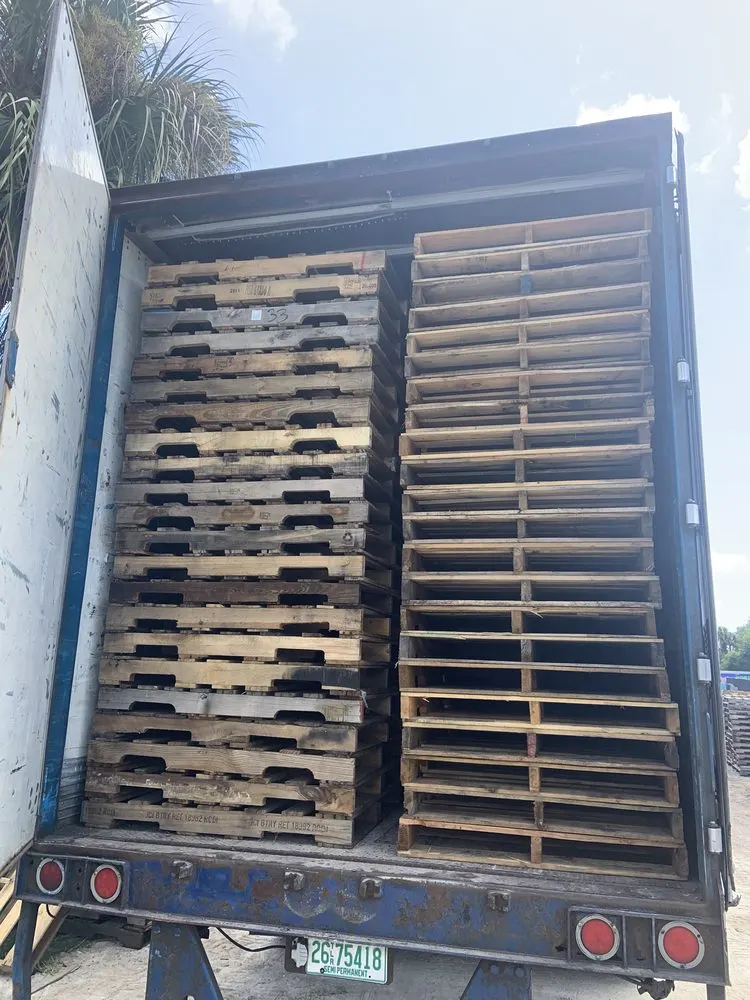
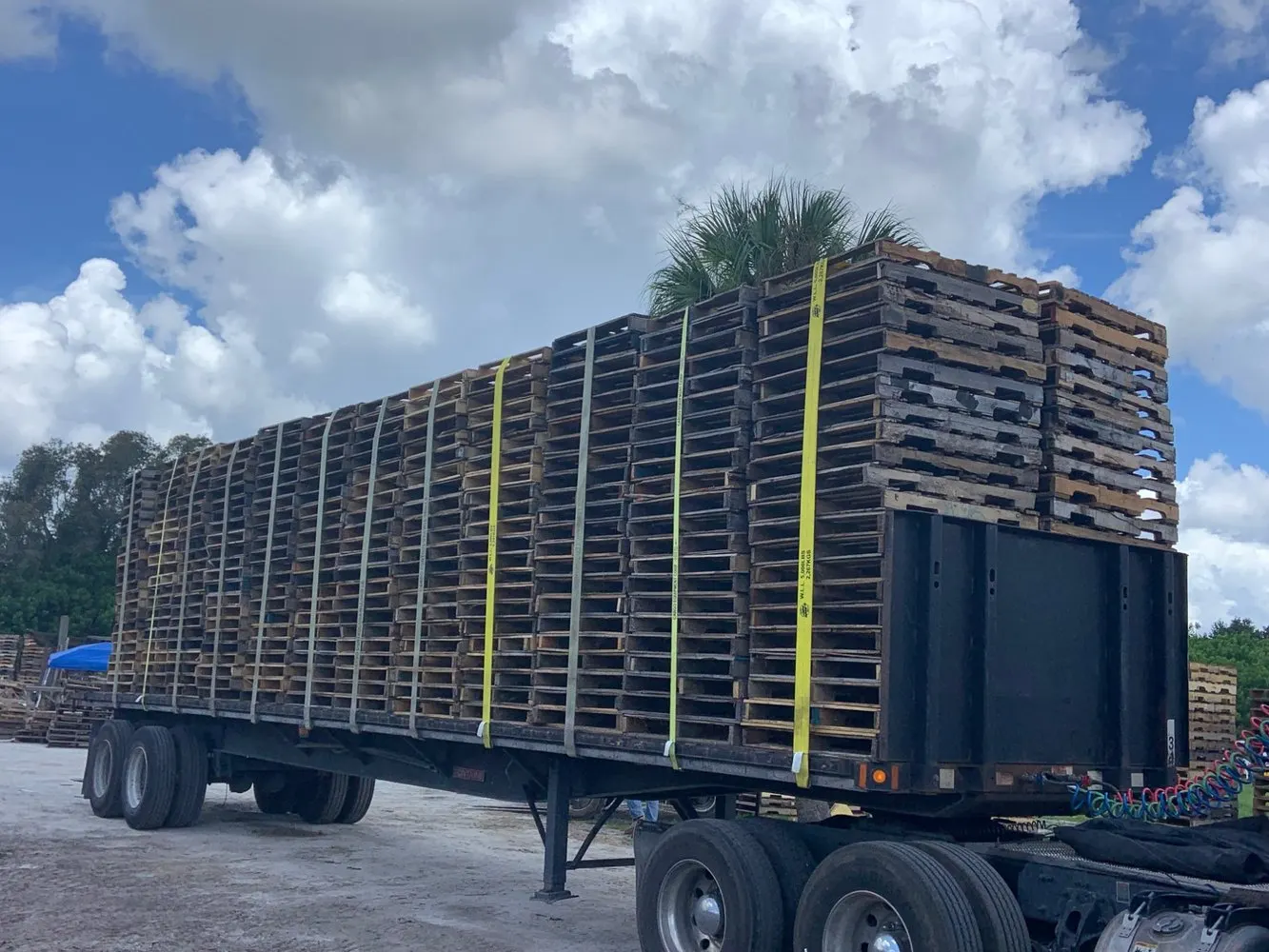
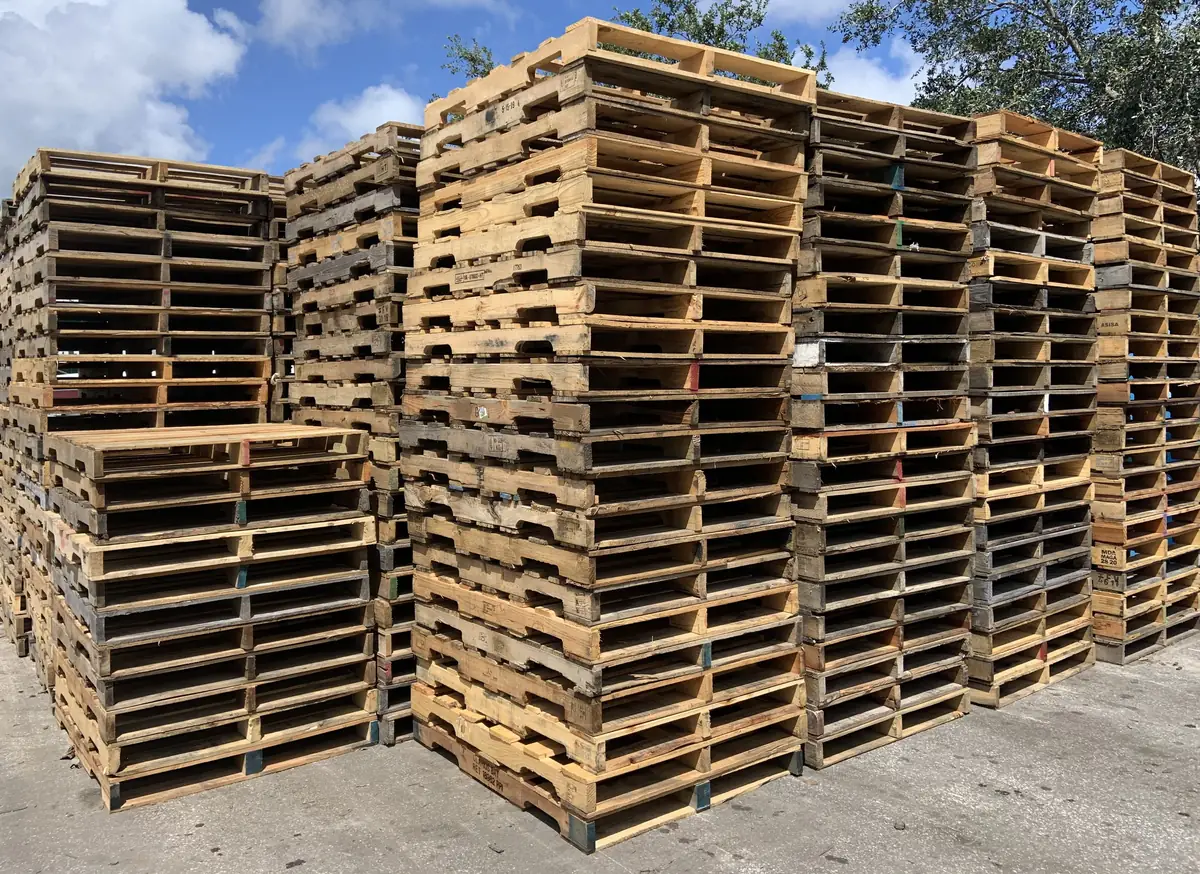
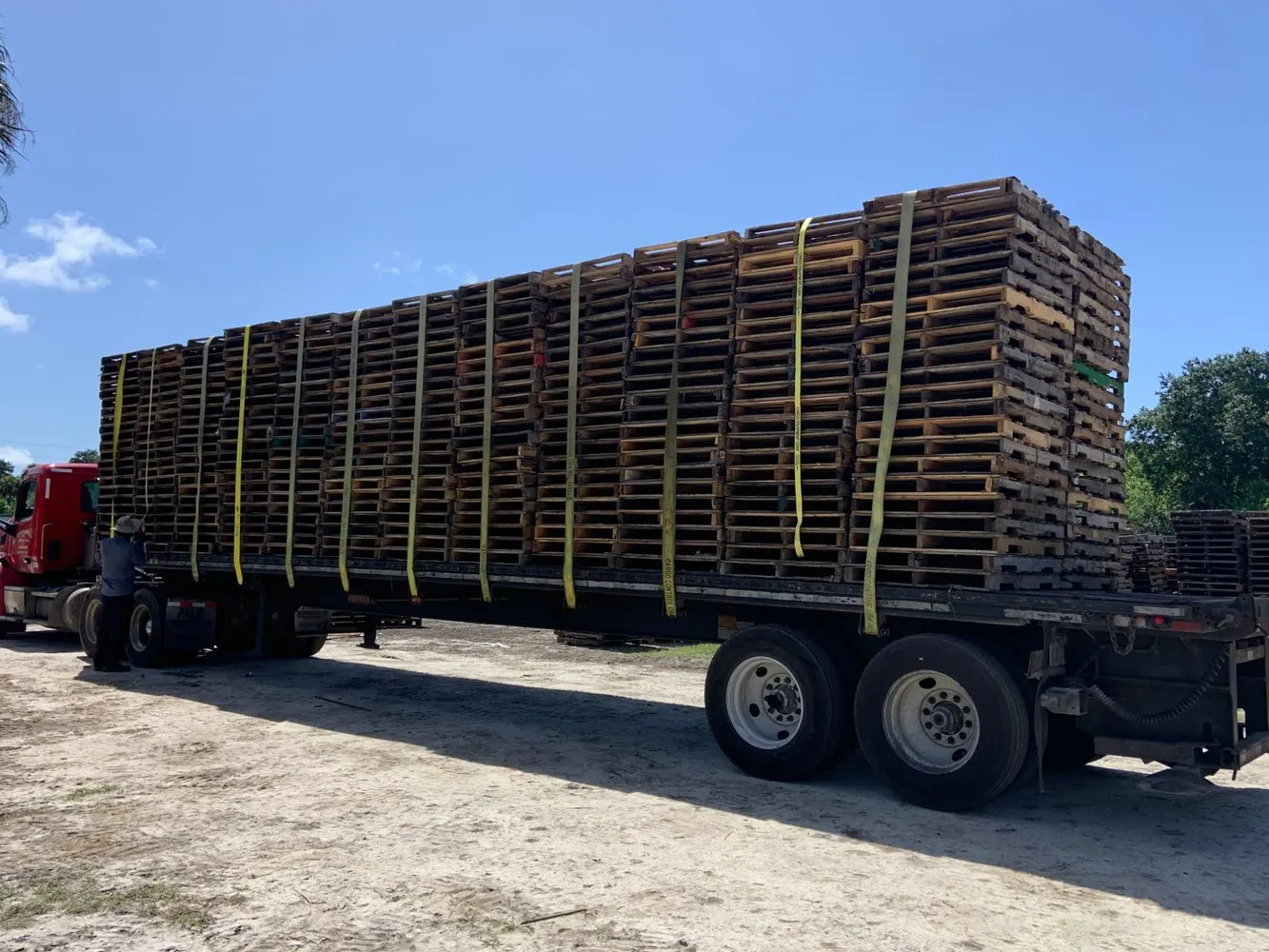
When nationwide, United States operations need Rough-Cut Lumber at scale, the supplier shortlist comes down to three things: inventory depth, delivery reliability, and documentation. United States Pallets engineers our Rough-Cut Lumber program to win on all three - new GMA stock plus recycled Grade A and B always available, scheduled weekly delivery, and BOL/IPPC/grade certifications electronic before each load arrives.
Rough-Cut Lumber suppliers serving nationwide businesses range from regional yards with limited inventory to national networks with deep multi-grade stock. United States Pallets sits in the second category, structured specifically for high-volume B2B operations - 50+ pallets per order minimum, scheduled programs for 500+/week accounts, and dimensional consistency tight enough for AGV-equipped warehouses.
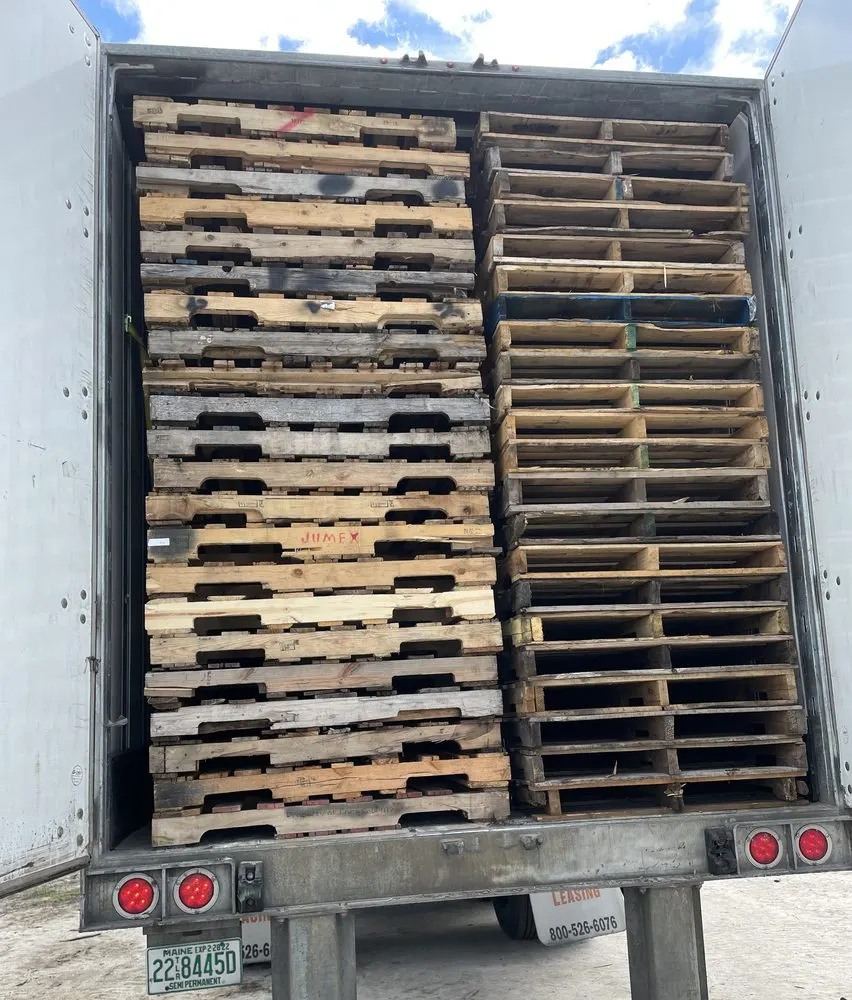
Rough-sawn lumber for industrial pallet and crate stock.
Agriculture & Produce Rough-Cut Lumber Specs
- Industry-specific dimensional and grade requirements
- ALSC-accredited grading via PLIB or SPIB
- Kiln-dried options for moisture-sensitive applications
- Custom cutting available
How does United States Pallets compare to United States-based local pallet suppliers?
Local United States suppliers offer geographic proximity. United States Pallets offers nationwide sourcing depth, multi-grade inventory always in stock, sub-2-business-hour quote response, audit-ready documentation, and standing-order automation that local yards typically don't match.
Does United States Pallets ship Rough-Cut Lumber to all of United States?
Yes. We deliver to every commercial address in United States, with same-day shipping standard in our Southeast/Mid-Atlantic core and scheduled weekly delivery elsewhere. nationwide-area accounts are typical - submit a quote with your dock location and we route accordingly.
Does United States Pallets supply Rough-Cut Lumber for export from nationwide?
Yes, with ISPM-15 heat-treated pallets carrying IPPC stamps and full ISPM-15 documentation. Required for international shipments to all WTO member countries. Common for nationwide customers with port access via United States's major export gateways.
Can nationwide customers run a buyback program alongside their pallet purchases?
Yes. Backhaul logistics are coordinated on outbound delivery routes - empty or non-spec pallets get picked up on the return leg of new pallet deliveries. Per-pallet freight cost on the backhaul approaches zero for accounts running both new-pallet purchase + buyback simultaneously.
Does United States Pallets buy back used pallets in nationwide?
Yes. We buy back used pallets from nationwide collectors, recyclers, and warehouses - 250-pallet minimum per load, single-size only (no mixed-size loads). Fast ACH payment, typically same-day or net-7 depending on volume. Pickup arranged on standard outbound delivery routes.
Agriculture & Produce Rough-Cut Lumber Quote
Response under 2 business hours.