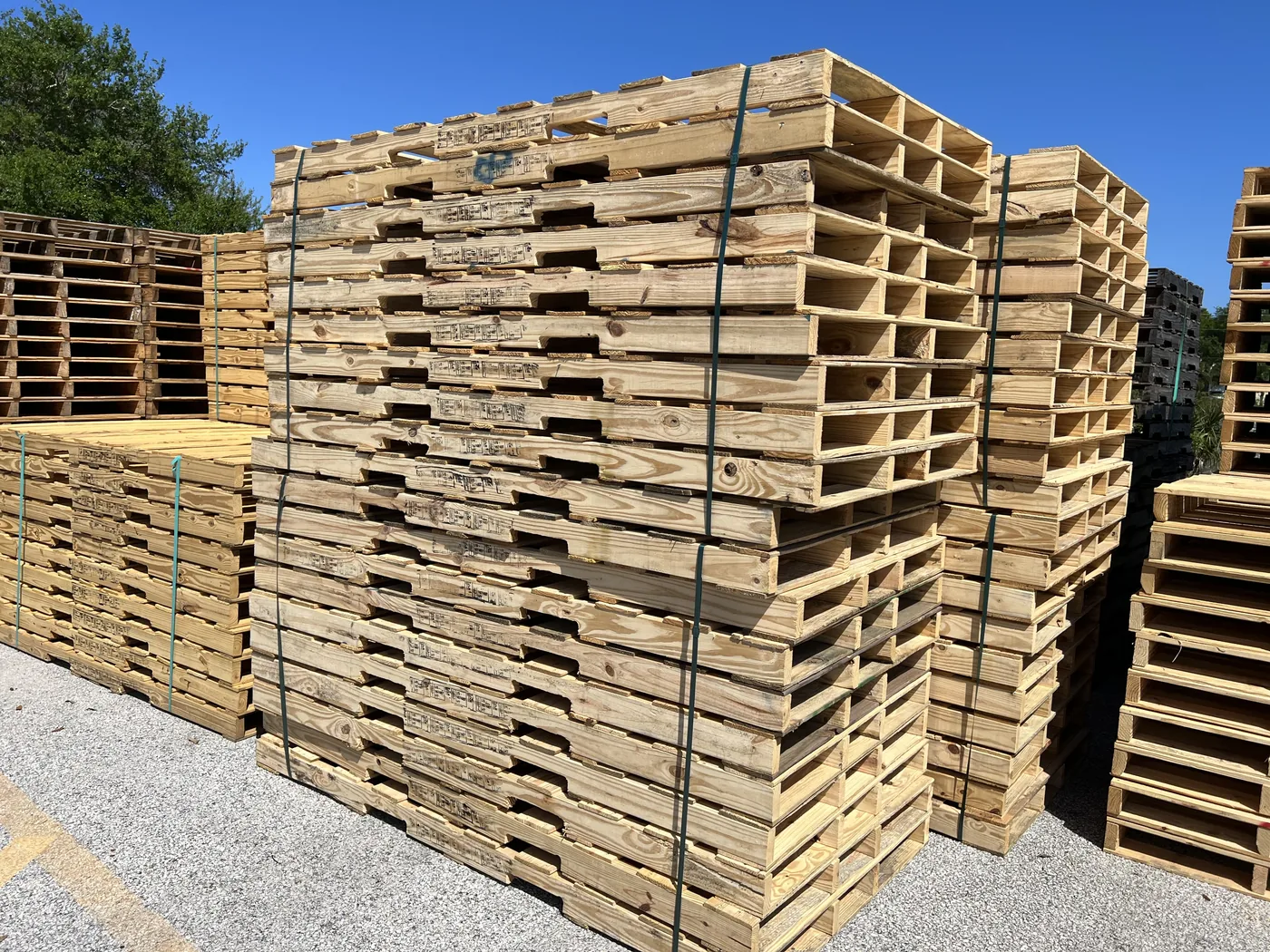
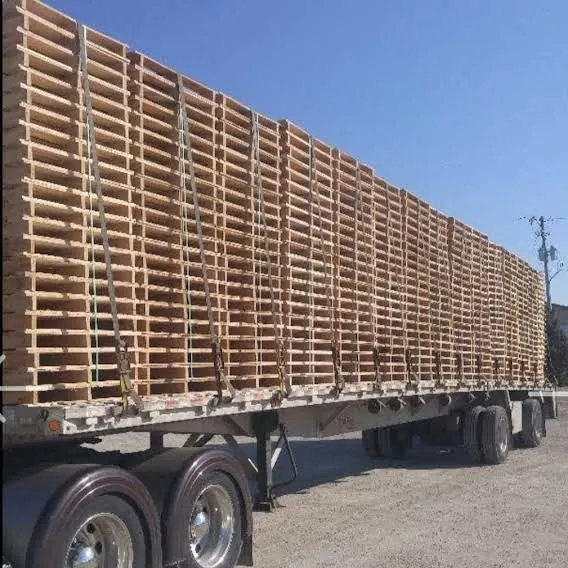
Softwood Lumber - Clark County
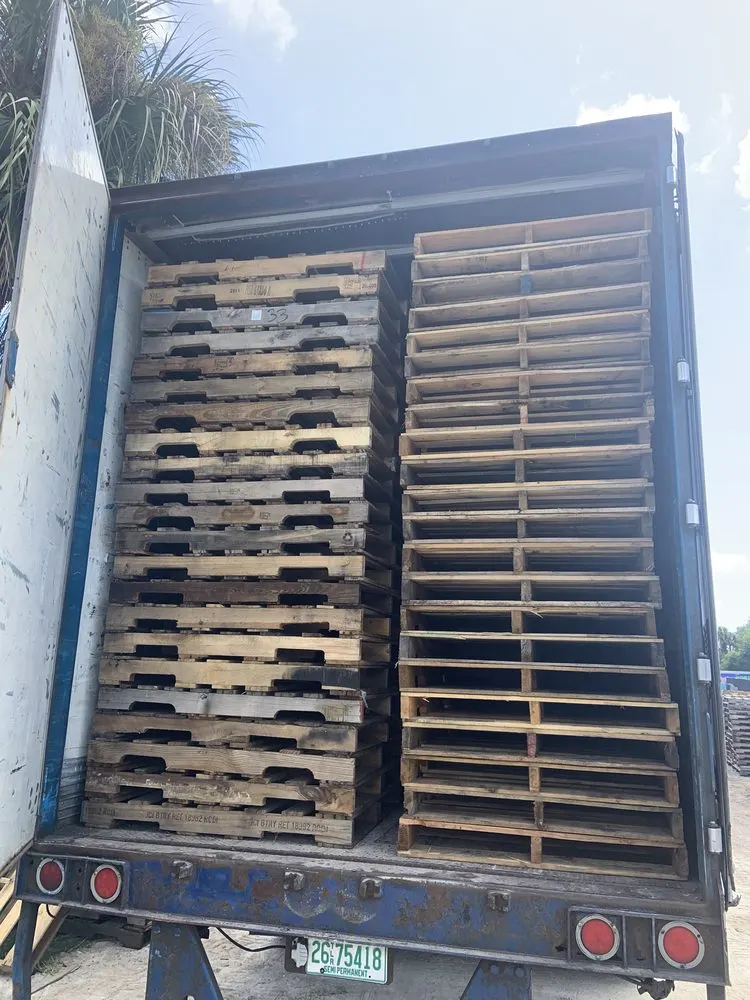
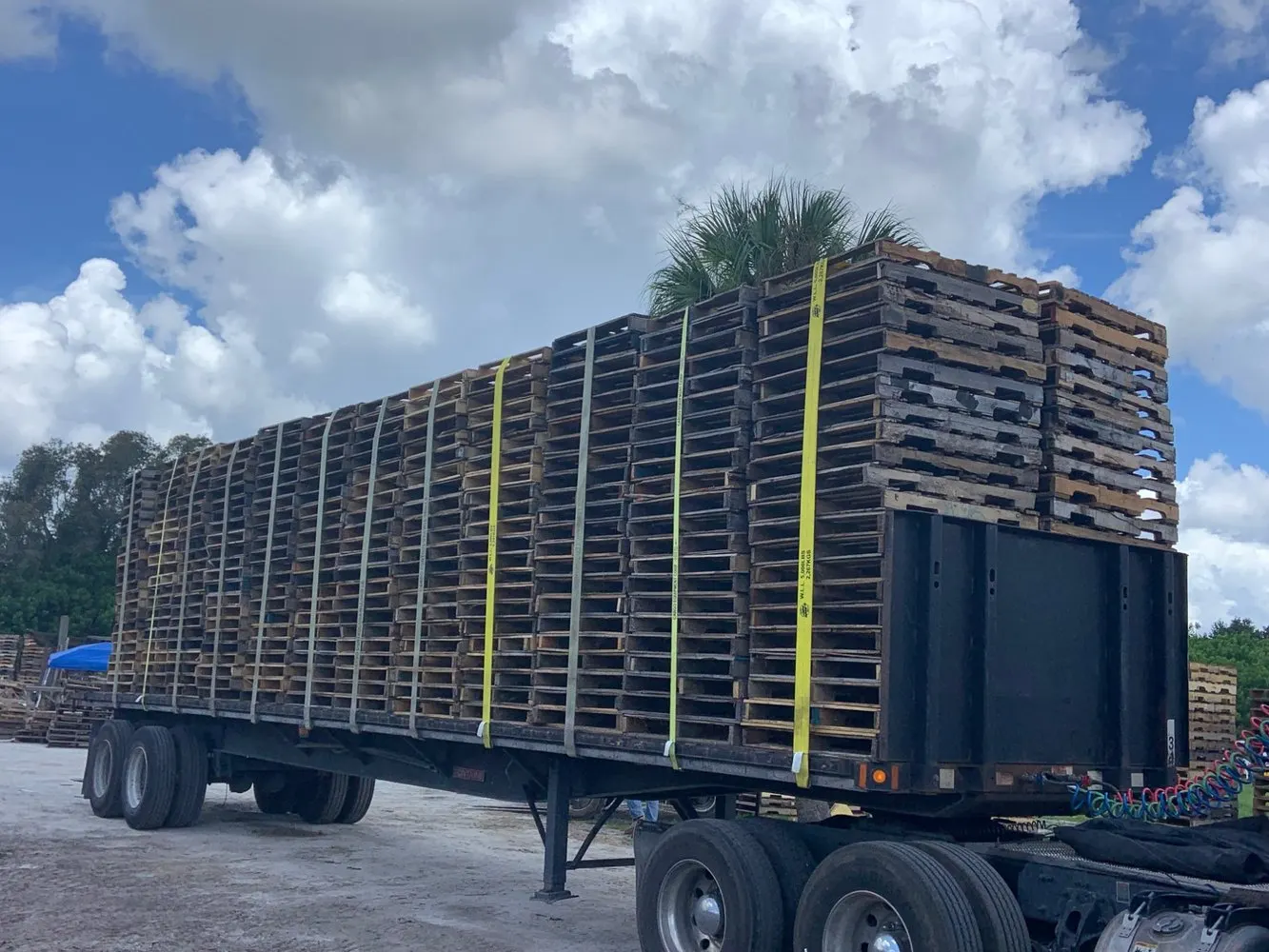
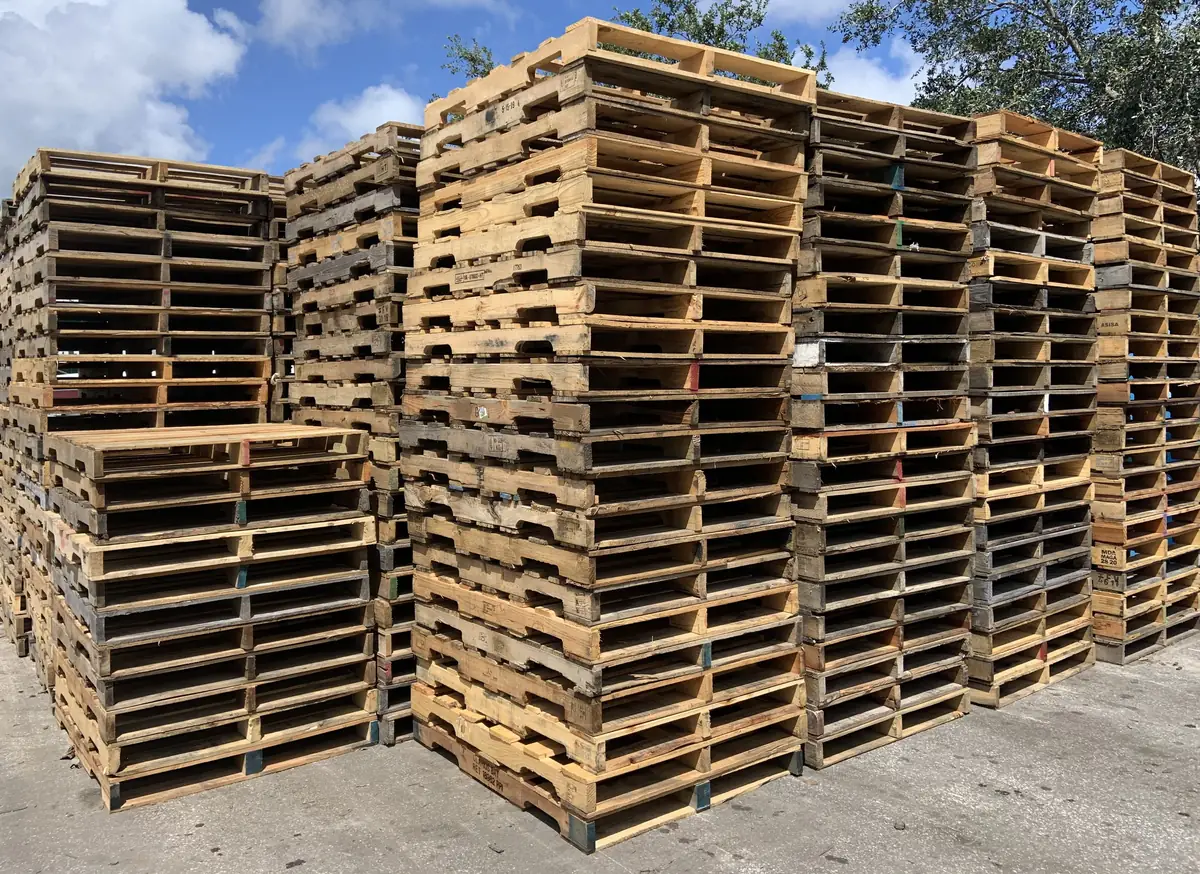
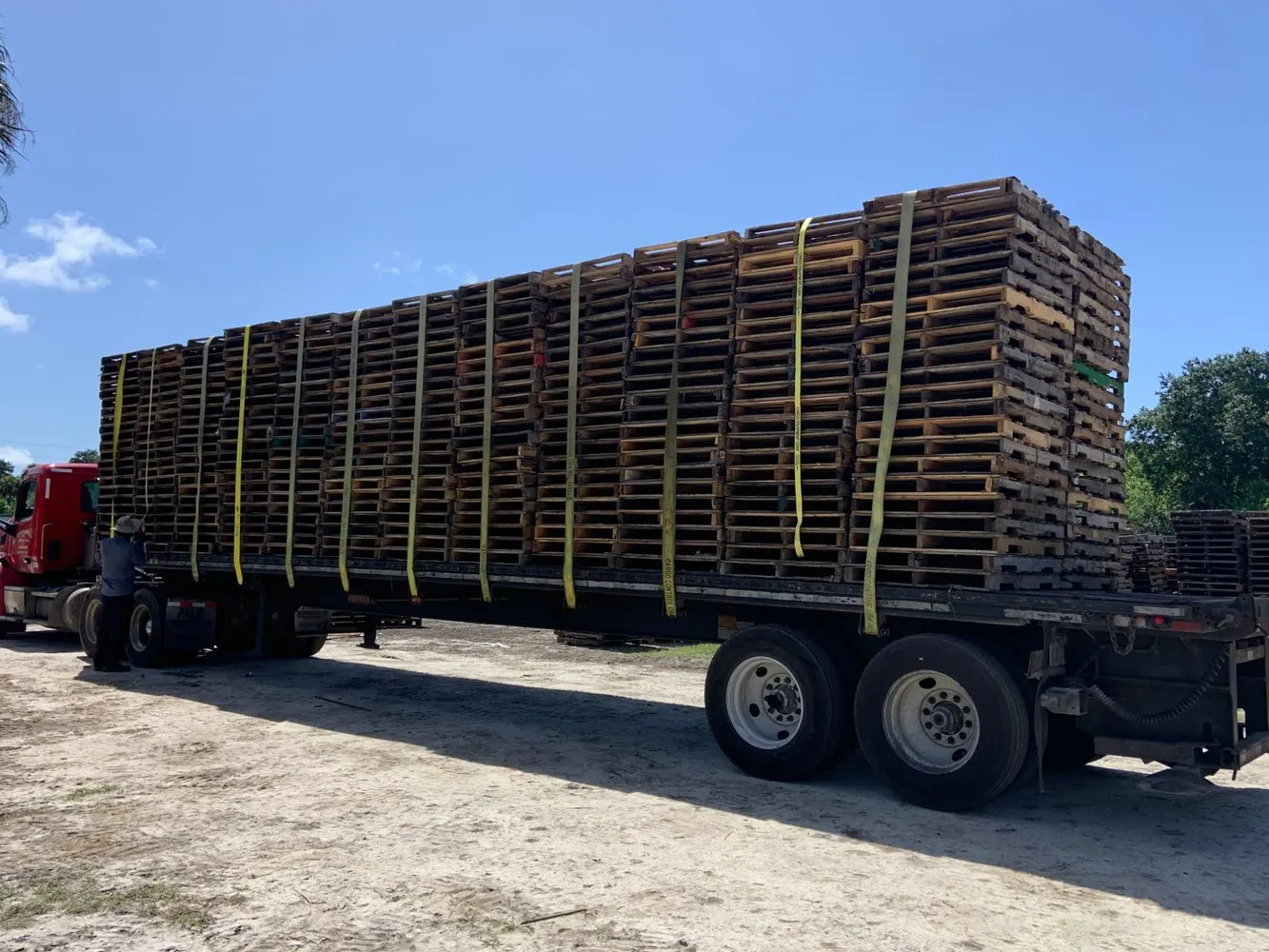
When Clark County, Washington operations need Softwood Lumber at scale, the supplier shortlist comes down to three things: inventory depth, delivery reliability, and documentation. United States Pallets engineers our Softwood Lumber program to win on all three - new GMA stock plus recycled Grade A and B always available, scheduled weekly delivery, and BOL/IPPC/grade certifications electronic before each load arrives.
Industrial-scale Softwood Lumber for Clark County, Washington customers requires more than just stock on hand - it requires consistent dimensional tolerances, batch-quality records, and documentation that satisfies SOX, FDA, USDA, ISO 9001, and similar audit frameworks. United States Pallets ships every Softwood Lumber load with the documentation packet pre-attached electronically, no dock-side delays.
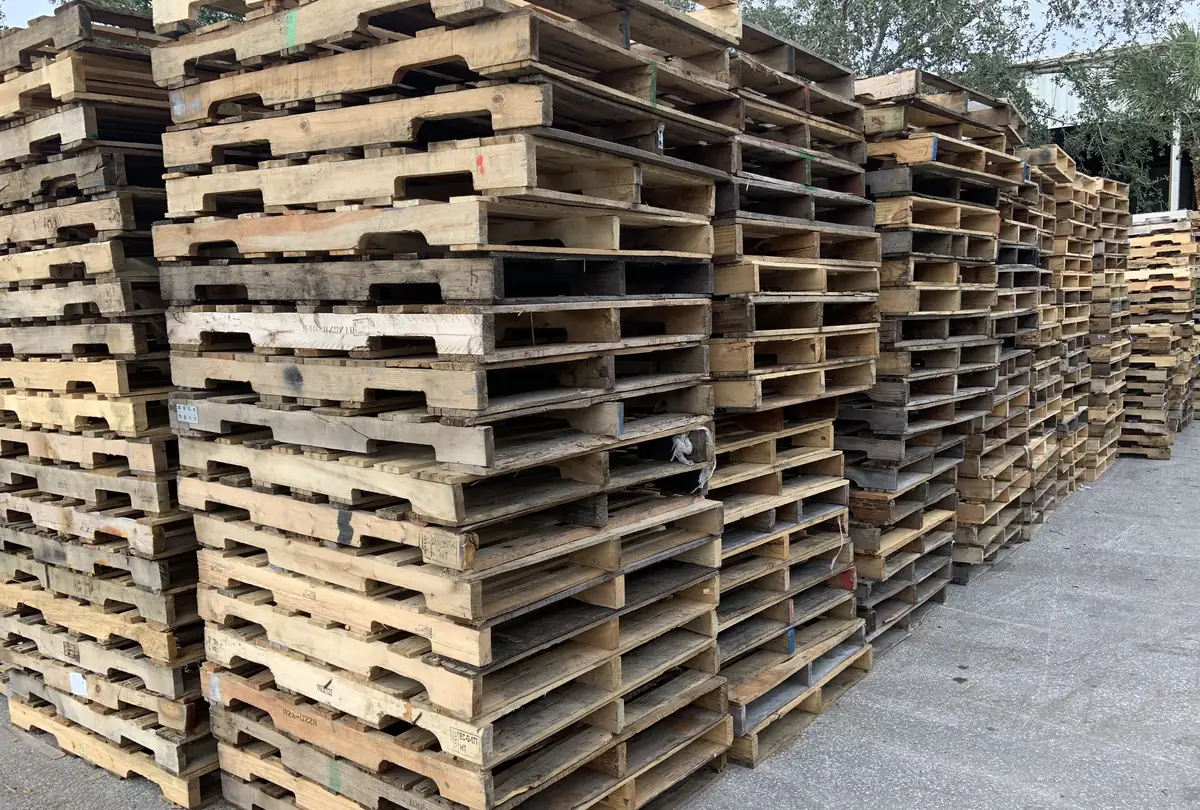
Pine, fir, spruce softwood lumber for pallet and crate construction.
Clark County Softwood Lumber Programs
- ALSC-accredited grading via PLIB or SPIB
- Standard pallet and crate dimensions in stock
- Custom cutting available for specialty applications
- Bulk pricing tiers based on monthly volume
What credit terms does United States Pallets offer Clark County customers?
Net-30 credit terms standard after the first 1-3 prepaid or COD loads while credit is being established. Submit a credit application with three trade references; approval typically processes within 48 hours. Volume accounts can negotiate net-45 or net-60.
What's the minimum order quantity for Softwood Lumber?
50 pallets per order minimum on buy-side. Sell-side (buyback) minimum is 250 pallets per single-size load. Volume tiers kick in automatically as cumulative monthly volume increases - 500+/week accounts qualify for standing-order programs with reserved delivery slots.
How does United States Pallets compare to Washington-based local pallet suppliers?
Local Washington suppliers offer geographic proximity. United States Pallets offers nationwide sourcing depth, multi-grade inventory always in stock, sub-2-business-hour quote response, audit-ready documentation, and standing-order automation that local yards typically don't match.
How fast does United States Pallets deliver to Clark County, Washington?
Same-day shipping in our Southeast/Mid-Atlantic core (FL, GA, AL, TN, MS, SC, NC, KY, VA) and scheduled weekly delivery elsewhere. Express options available for Clark County rush orders. Quote response under 2 business hours, dispatch within hours of order confirmation.
Can Clark County customers run a buyback program alongside their pallet purchases?
Yes. Backhaul logistics are coordinated on outbound delivery routes - empty or non-spec pallets get picked up on the return leg of new pallet deliveries. Per-pallet freight cost on the backhaul approaches zero for accounts running both new-pallet purchase + buyback simultaneously.
Clark County Softwood Lumber Quote
Response under 2 business hours.