Dynamic compression describes how a pallet carries load while it is moving or the load is changing, such as during handling or in transit, as opposed to a static stack.
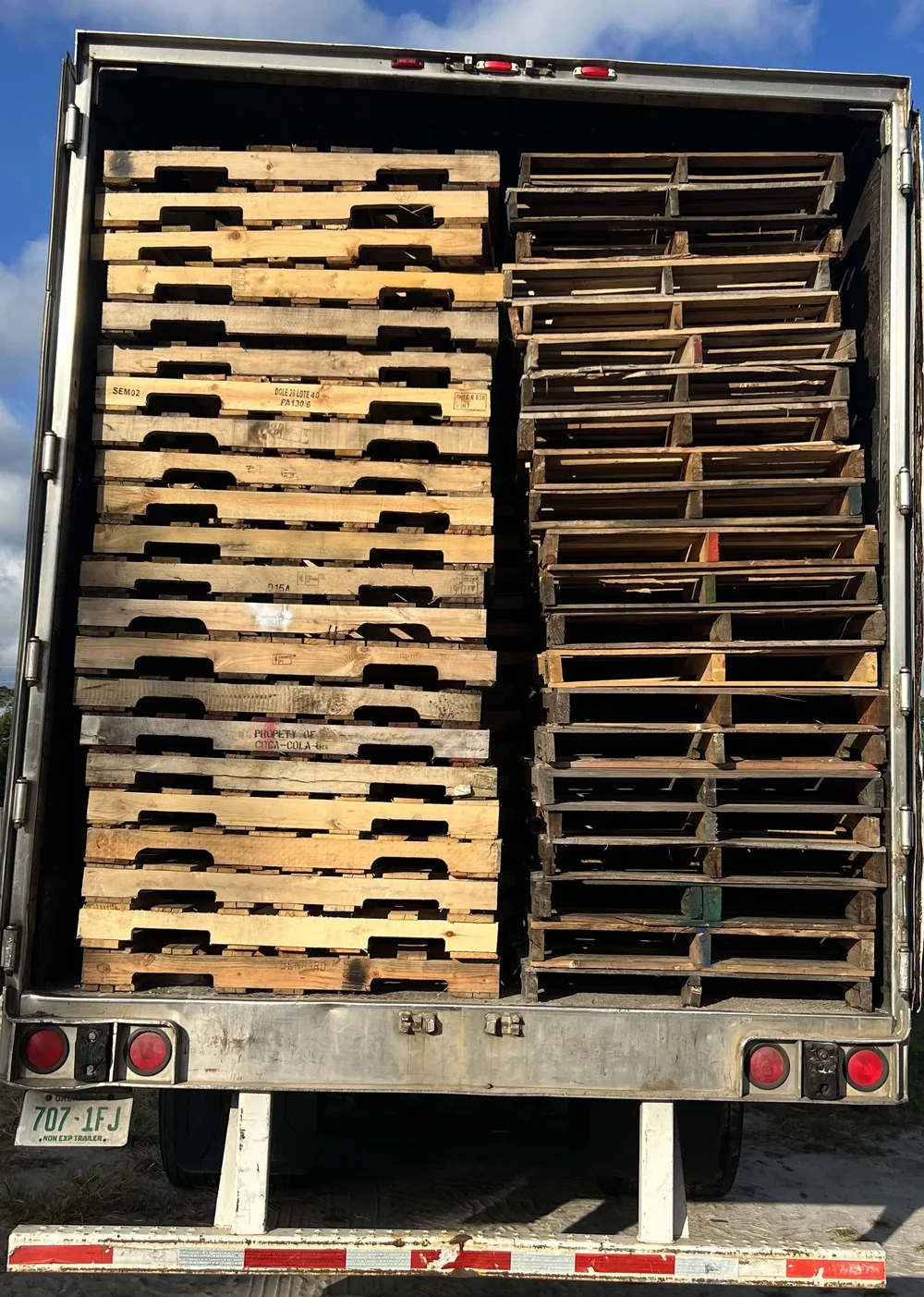
Detailed Definition
Pallet loads are often described in three conditions: static (sitting on a flat floor, sometimes stacked), dynamic (being moved by a forklift or pallet jack, or riding in a vehicle) and racked (spanning rack beams). Dynamic conditions add shock, vibration and uneven support, so the load a pallet can carry while moving is generally lower than its static rating. Test methods for pallets are published in standards such as ASTM D1185 and ISO 8611, and shipping vibration is addressed in packaging test standards such as ASTM D4169.
Static, dynamic and racked capacity
A pallet sitting on a flat floor is supported along its whole bottom, so it can usually hold the most weight. When the same pallet is lifted on forks or a pallet jack, the support shrinks to the fork tines or wheels, and movement adds bending and impact. When it sits in a rack, it spans the beams with nothing underneath in the middle. That is why static capacity is generally higher than dynamic capacity, which is generally higher than racked capacity. Static compression and racking tests look at the other two conditions.
What shippers should ask about moving loads
- The dynamic or handling rating for the pallet design, not just its static or stacking figure.
- The handling equipment used at each step, since fork spacing and pallet jack wheels change how the pallet is supported.
- Whether loads will be double stacked in the trailer, which combines vibration with stack weight.
- Whether product and packaging have been tested to a distribution simulation such as ASTM D4169.
Ratings depend on the specific design, wood, fasteners and support condition, so use pallet design software or physical testing rather than a generic number.
Authoritative Sources
- ASTM International (ASTM): the global standards body that publishes ASTM D1185 (Standard Test Methods for Pallets and Related Structures Employed in Materials Handling and Shipping).
- National Wooden Pallet & Container Association (NWPCA): the US trade association representing wood pallet manufacturers, recyclers, and component producers, founded in 1947.
Related Glossary Terms
Frequently Asked Questions
Why is a pallet's dynamic capacity lower than its static capacity?
On a floor, the pallet's bottom is supported over a wide area, so the deck and stringers bend very little. When the pallet is lifted, it rests only on fork tines or pallet jack wheels, so parts of the deck span open gaps and bend more, and acceleration, braking and bumps add short spikes of force. Those conditions are more demanding, so the safe load while moving is generally lower than the safe load sitting still.
How do I find out a pallet's dynamic load rating?
Ask the pallet maker for a rating from pallet design software or from testing under the conditions you use, such as forklift handling with your fork spacing. Many suppliers can model a design in the NWPCA Pallet Design System and report floor, handling and rack capacities. For critical or unusual loads, physical testing to standards such as ASTM D1185 or ISO 8611 gives more confidence than a generic figure.