Heat treatment kills pests in wood packaging by raising core temperature to 56C for at least 30 minutes.
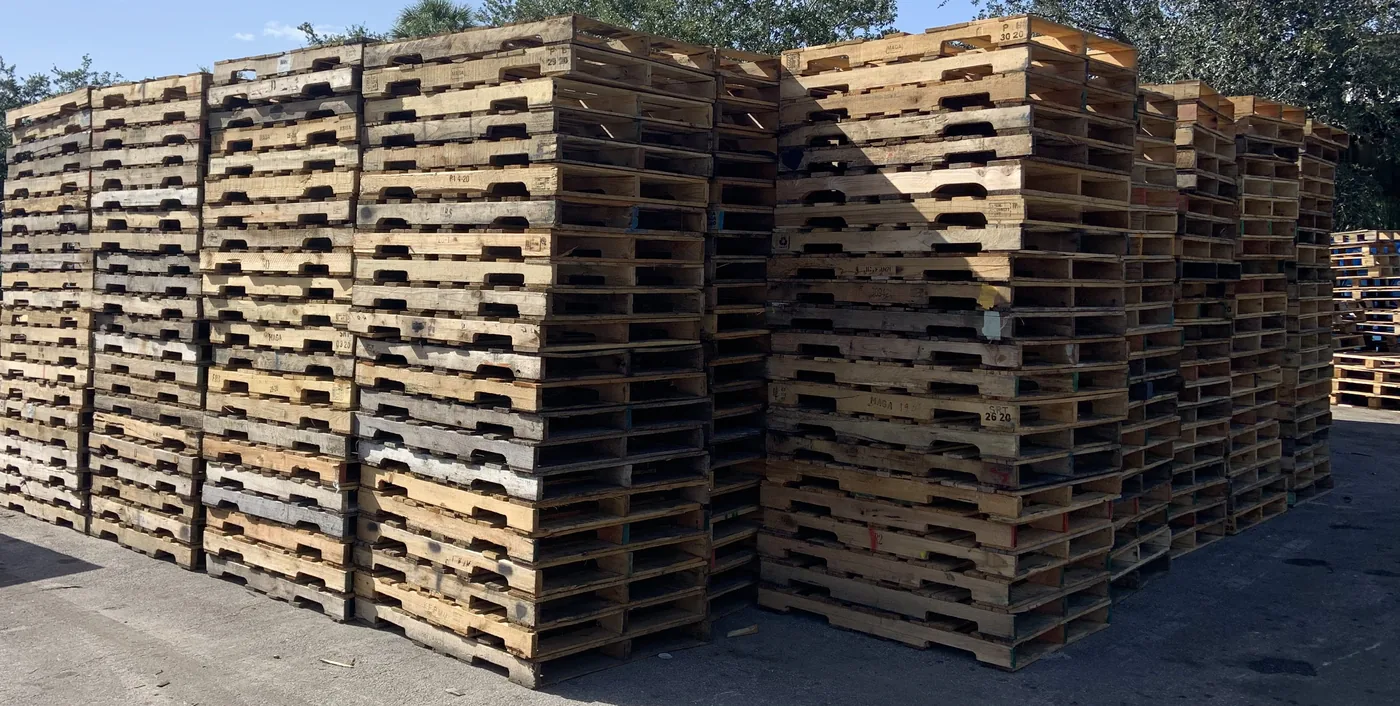
Detailed Definition
Heat treatment (HT) is one of the approved treatments under ISPM-15. The wood must reach at least 56 C at its core and hold that for at least 30 continuous minutes, measured at the core, not the surface. Treatment is usually done in heat chambers or kilns heated by gas, oil, steam or other sources, with temperature probes placed in the thickest wood. In the US, producers and treatment providers operate under the wood packaging program administered by ALSC through accredited inspection agencies, with USDA APHIS as the national plant protection organization.
How a heat treatment cycle is verified
The treatment provider places sensors in the core of representative pieces, typically the thickest or wettest wood in the load, and records temperature through the cycle. Cycle time varies with wood size, moisture content, species, load size and chamber design. Records are kept for the inspection agency, and only after a passing cycle can wood be marked with the IPPC mark and the HT code.
Heat treatment is not the same as kiln drying. A short HT cycle kills pests but may leave the wood wet; a longer kiln schedule can do both.
What shippers should check
- The IPPC mark is legible on at least two opposite sides and shows the country code, producer number and HT.
- Repaired pallets follow the ISPM-15 rules for repair, including treatment and marking of new components where required.
- The pallet is debarked within the standard's tolerances.
- Heat-treated wood is stored so it does not pick up new pests or mold before use.
Destination countries enforce ISPM-15 on arrival, and non-compliant pallets can be refused, treated or destroyed at the shipper's cost.
Authoritative Sources
- FAO ISPM-15 Standard (ISPM-15): the international phytosanitary standard for wood packaging used in international trade, published by the FAO.
- USDA Animal and Plant Health Inspection Service (USDA-APHIS): the US federal authority that enforces ISPM-15 wood packaging compliance for imports and exports.
- American Lumber Standard Committee (ALSC): the committee that accredits lumber grading agencies under the US Department of Commerce voluntary product standard PS 20.
- Pacific Lumber Inspection Bureau (PLIB): the lumber grading agency accredited by the American Lumber Standard Committee for Pacific softwoods used in pallet production.
- Southern Pine Inspection Bureau (SPIB): the lumber grading authority for Southern Yellow Pine, the most common pallet stock in the US Southeast.
Related Glossary Terms
Frequently Asked Questions
Does heat treatment make a pallet mold resistant?
No. Heat treatment kills insects and nematodes present at the time of treatment, but it does not stop mold from growing later. If heat-treated wood is still wet, or picks up moisture in storage or transit, mold can grow on it. To reduce mold risk, use drier lumber, store pallets with airflow and out of the rain, and avoid sealing wet pallets inside wrap or containers.
Is a heat-treated pallet stamped HT the same as KD?
Not necessarily. HT means the wood met the ISPM-15 core temperature and time requirement. KD means kiln dried to a target moisture content, commonly 19 percent or less for softwood dimension lumber. A pallet can be HT without being dry. Some suppliers sell KD-HT pallets that have been both dried and heat treated; if dryness matters, specify a moisture content and check it.