Kroger pallets must meet Kroger grocery distribution specifications.
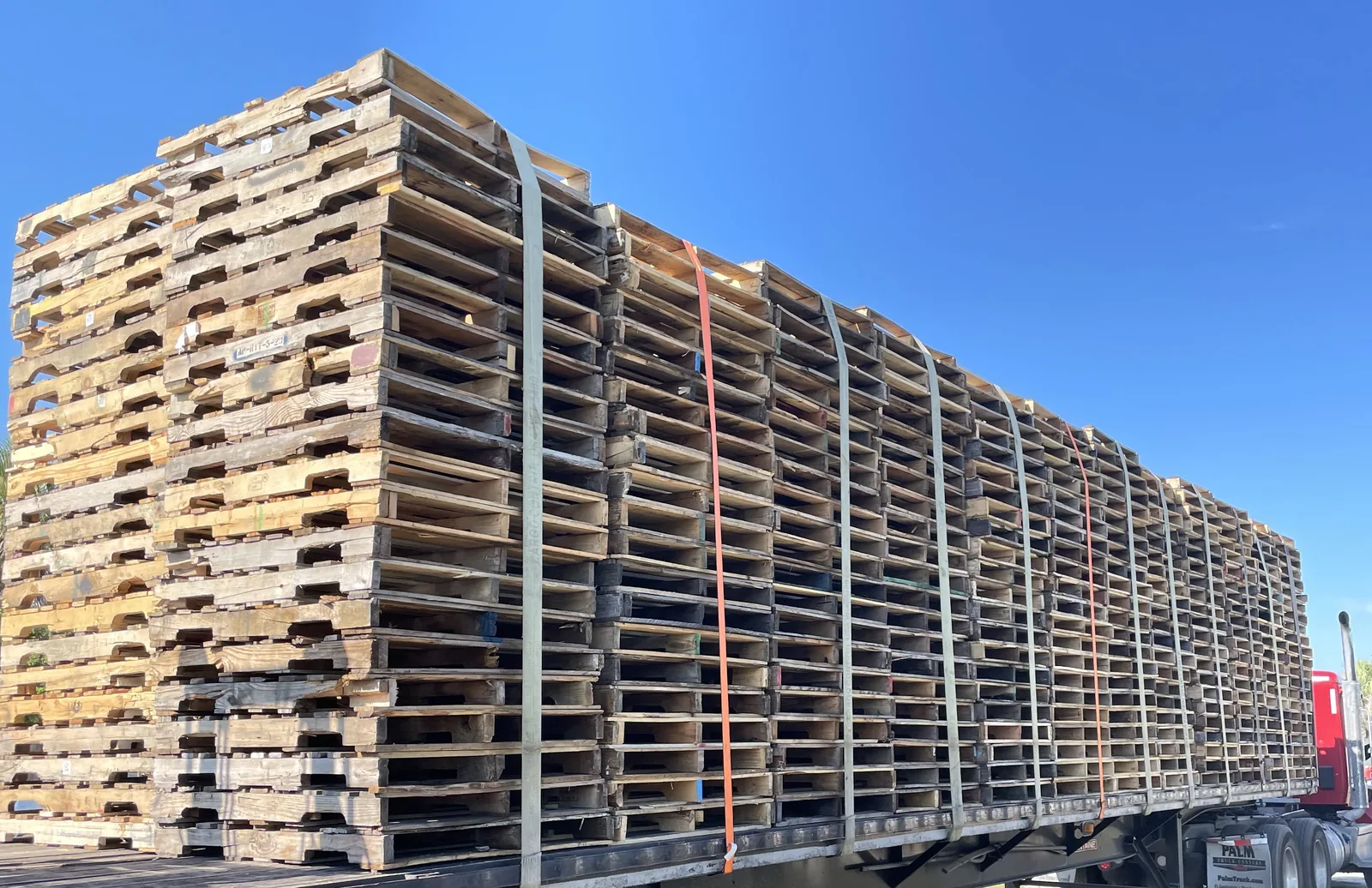
Detailed Definition
A Kroger pallet is one built and loaded to meet the requirements in Kroger's supplier and distribution center routing or receiving guides. US grocery distribution is built mainly around the 48 x 40 inch 48x40 pallet footprint, so that is usually the starting point. Exact requirements, such as pallet type, condition, load height, labeling and whether pool pallets are accepted, are set by the retailer and can change, so suppliers should work from the current guide for each receiving facility.
Typical grocery receiving checks
Grocery distribution centers generally check the same things when a load arrives: footprint and entry type, pallet condition, overhang, load height and weight, stability and wrapping, and labels that match the advance ship notice and purchase order. Broken boards, protruding nails, contamination or odors can lead to rework charges or a refused load. Food loads also fall under FDA's sanitary transportation rule, which places duties on shippers, loaders, carriers and receivers to prevent food from becoming unsafe during transport. Chargebacks for non-compliant pallets or labels are usually described in the vendor agreement, so read those terms before the first shipment.
How to prepare loads for a specific retailer
- Get the current vendor or routing guide for each destination facility, not a copy from a previous year.
- Confirm whether the facility accepts pool pallets, white-wood pallets or both, and how exchanges are handled.
- Check label format, often a GS1-128 label carrying an SSCC, and where it must be placed.
- Record pallet type and count on the bill of lading where required.
- Build loads that can be broken down without restacking, with no overhang.
Authoritative Sources
- Retail Industry Leaders Association (RILA): the trade association representing large US retailers; individual retailers, not RILA, publish pallet and receiving requirements in their own vendor guides.
- FDA Food Safety Modernization Act (FSMA): the 2011 federal food safety law whose FDA rules include preventive controls for human food and the Sanitary Transportation of Human and Animal Food rule covering vehicles and transportation equipment used for food.
Related Glossary Terms
Frequently Asked Questions
Does Kroger require a specific pallet brand?
Requirements vary by program, facility and time, so check the current vendor guide and your supplier agreement. US grocery receivers commonly accept 48 x 40 inch pallets in good condition, and many work with pallet pool programs as well as purchased white-wood pallets. Do not assume a pallet type is accepted because another retailer takes it. Confirm before shipping to avoid rework charges or chargebacks.
Do pallets for grocery loads need to be food grade?
There is no single federal food-grade pallet certification. FDA's sanitary transportation rule requires transportation equipment, which includes pallets, to be in sanitary condition and suitable for the food carried, which in practice means clean, dry, free of pests and contamination. Retailers may add their own requirements. Exposed food or produce often calls for stricter controls than case-packed goods in sealed cartons.