A sanitary pallet is a clean, dry, undamaged pallet suitable for carrying food, in line with the FSMA Sanitary Transportation rule's requirement that transportation equipment be kept in sanitary condition.
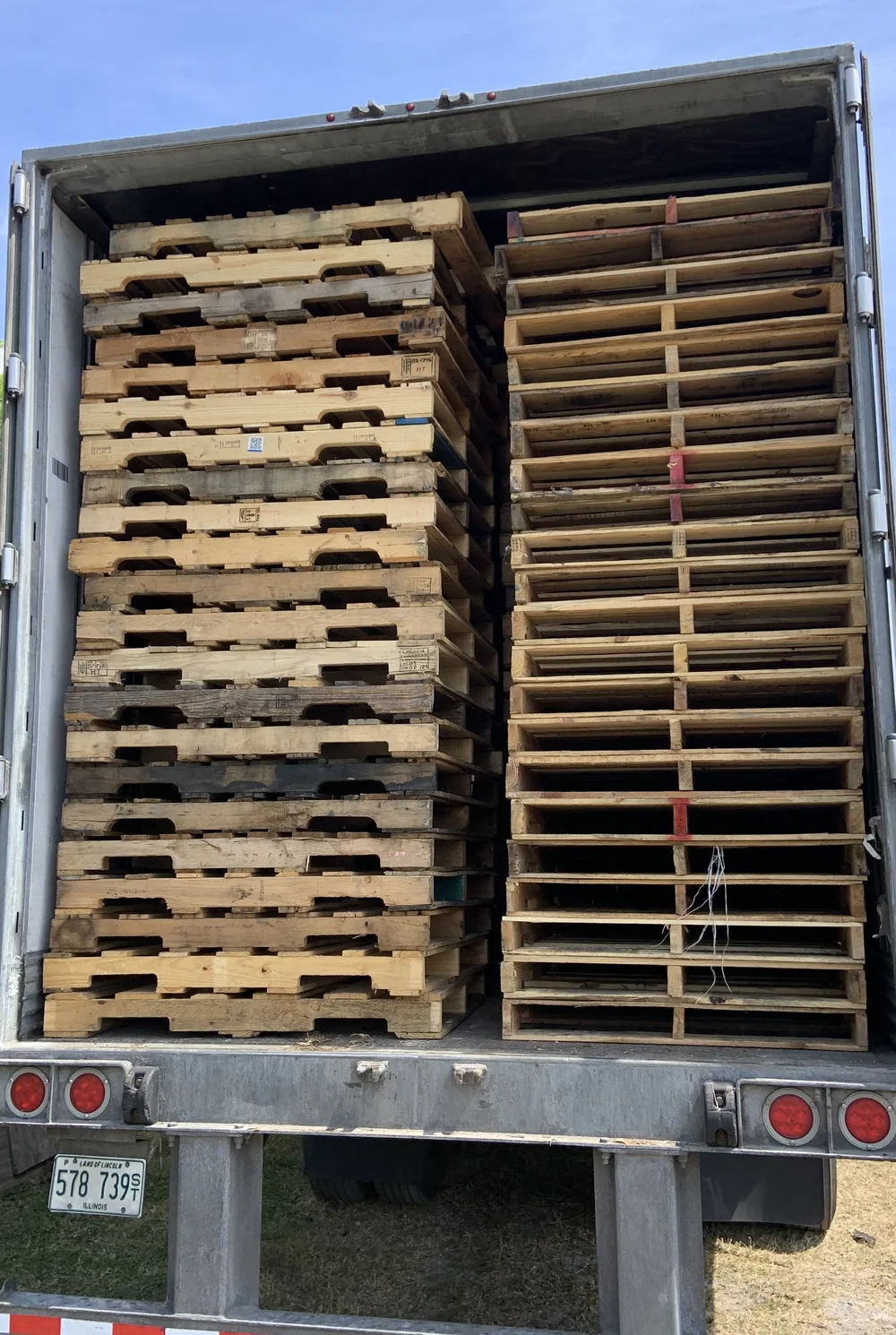
Detailed Definition
The FDA's Sanitary Transportation of Human and Animal Food rule, issued under FSMA and codified at 21 CFR Part 1 Subpart O, requires vehicles and transportation equipment to be designed and maintained so they do not cause food to become unsafe. Pallets used to move food fall under that general requirement. The rule does not define a sanitary pallet or require a specific material, so shippers, receivers and food safety plans set the practical criteria: no visible dirt, mold, pests, odors, spills or chemical contamination, and no damage that could harm product.
What makes a pallet sanitary in practice
- Clean surfaces with no soil, residue, spills or stains from previous loads.
- Dry wood without visible mold, and a moisture content low enough to discourage mold.
- No insects, droppings or nesting material.
- No broken boards, splinters or protruding nails that could damage packaging.
- No exposure to chemicals or strong odors in storage.
Common misunderstandings
Heat treatment for ISPM 15 kills pests in the wood at the time of treatment, but it does not keep a pallet clean or mold-free afterward. Kiln drying lowers moisture, which helps, but the pallet can pick up moisture again if stored outside. A new wood pallet is not automatically sanitary either; storage and handling matter as much as the material.
Building a sanitary pallet program
Write down the acceptance criteria, inspect pallets before loading food, and store empty pallets indoors and off the ground. Separate food pallets from pallets used for chemicals or waste. Some food plants use plastic pallets because they can be washed and sanitized. Record pallet checks as part of the facility's food safety program, and agree on pallet expectations with carriers and customers in writing.
Authoritative Sources
- FDA Food Safety Modernization Act (FSMA): the 2011 federal food safety law; its Sanitary Transportation rule (21 CFR Part 1 Subpart O) requires vehicles and transportation equipment used for food to be kept in sanitary condition.
- National Wooden Pallet & Container Association (NWPCA): the US trade association representing wood pallet manufacturers, recyclers, and component producers, founded in 1947.
Related Glossary Terms
Frequently Asked Questions
Does FSMA require plastic pallets for food?
No. The Sanitary Transportation rule requires transportation equipment to be kept in sanitary condition so food does not become unsafe, but it does not require any particular pallet material. Wood pallets can be acceptable if they are clean, dry, undamaged and free of pests and contamination. Some facilities prefer plastic because it can be washed, while others use wood with stricter inspection. Your food safety plan and customer requirements decide.
Is a heat treated pallet a sanitary pallet?
Not by itself. ISPM 15 heat treatment kills insects and pests in the wood so the pallet can cross borders, but it is a phytosanitary measure, not a cleaning process. After treatment a pallet can still get dirty, wet, moldy or contaminated in storage and use. Inspect heat treated pallets against your sanitary criteria just like any other pallet.