Stacking pallets in rows on the warehouse floor without rack, common for low-velocity inventory.
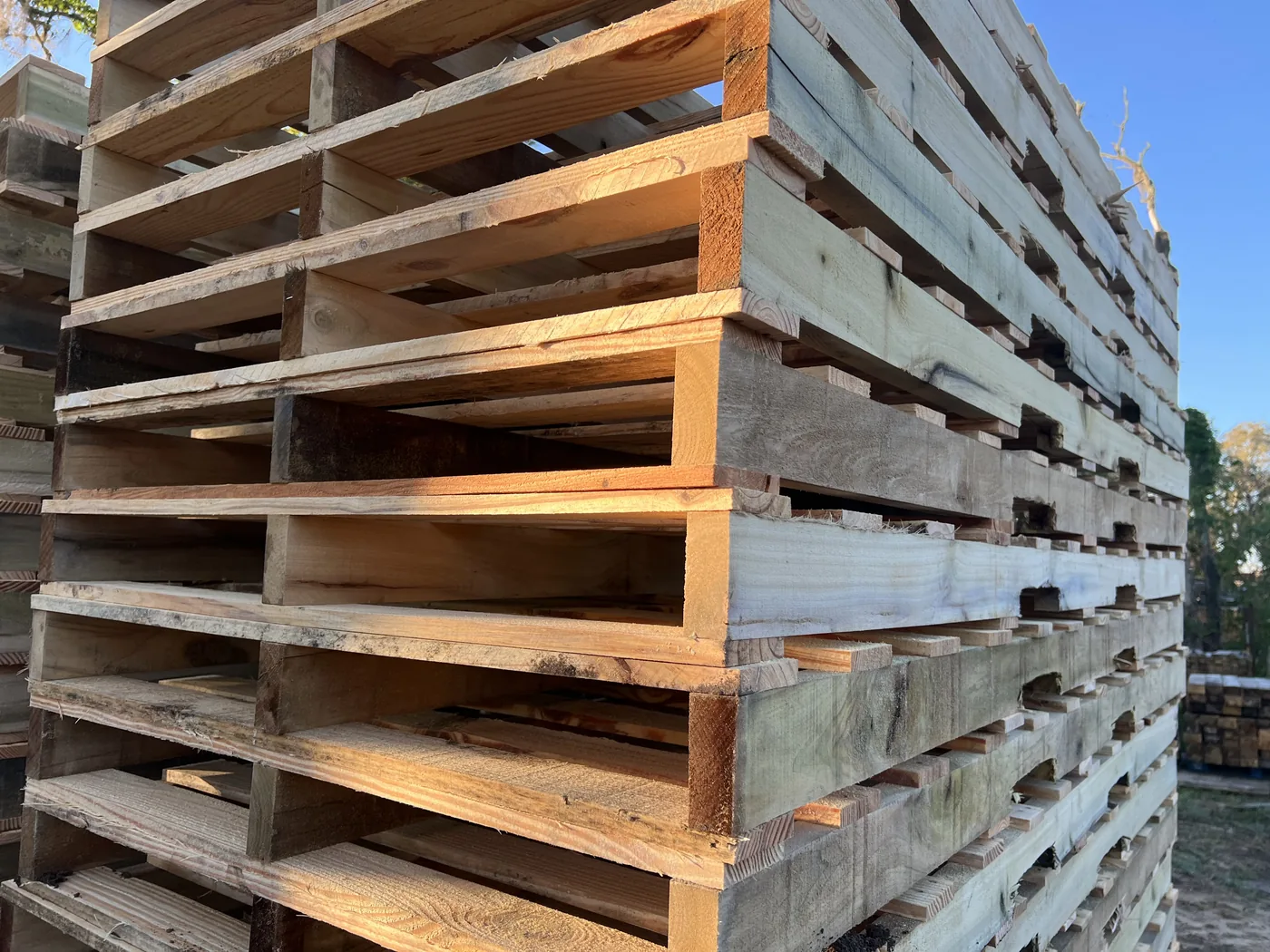
Detailed Definition
Row stacking is a form of floor storage in which unit loads are set directly on the floor in rows, often stacked two or more high, with no rack. It is closely related to block stacking, where rows are several pallets deep. Because it needs no rack, it is cheap and flexible, but it only works when loads and pallets are strong enough to carry the loads stacked on them and when only a few SKUs share each row.
When row stacking works
- Many pallets of the same SKU, so each row holds one product.
- Stable loads that can bear weight, such as cased beverages, bagged goods or crated items.
- Seasonal or overflow inventory where installing rack is not worth it.
- Product that does not need strict first in, first out rotation.
Limits on stack height
Stack height is limited by the strength of the lowest load and its packaging, the bottom pallet, and the building, including clear height, sprinkler clearances and floor capacity. Corrugated cases lose compression strength in humid conditions and over time, so a stack that is stable on day one can lean later. OSHA 29 CFR 1910.176(b) requires stored materials to be stacked, blocked, interlocked and limited in height so they are stable and secure against sliding or collapse.
Common problems
Rows that are partly empty waste space, a problem called honeycombing. Pulling the front pallet first means older stock gets buried at the back. Damaged pallets at the bottom of a stack can fail under the weight above. Mark row lanes on the floor, keep each row to one SKU and date, and inspect bottom pallets. When rotation or access becomes a problem, drive-in or selective rack may be a better fit.
Related Glossary Terms
Frequently Asked Questions
How high can pallets be row stacked?
There is no single limit. The safe height depends on the weight and crush strength of the loads and packaging, the condition of the pallets, the floor, and the building's clear height and sprinkler requirements. Many operations set heights by testing and experience for each product. Whatever the height, OSHA requires the stacks to be stable and secure against sliding or collapse, so check stacks regularly.
What is the difference between row stacking and block stacking?
Both store pallets on the floor without rack. Block stacking usually refers to storage in deep blocks, several pallets deep and several high, accessed from one face. Row stacking is often used for shallower rows along an aisle. The terms overlap and are used differently across warehouses, so define what you mean in your own layout and procedures.