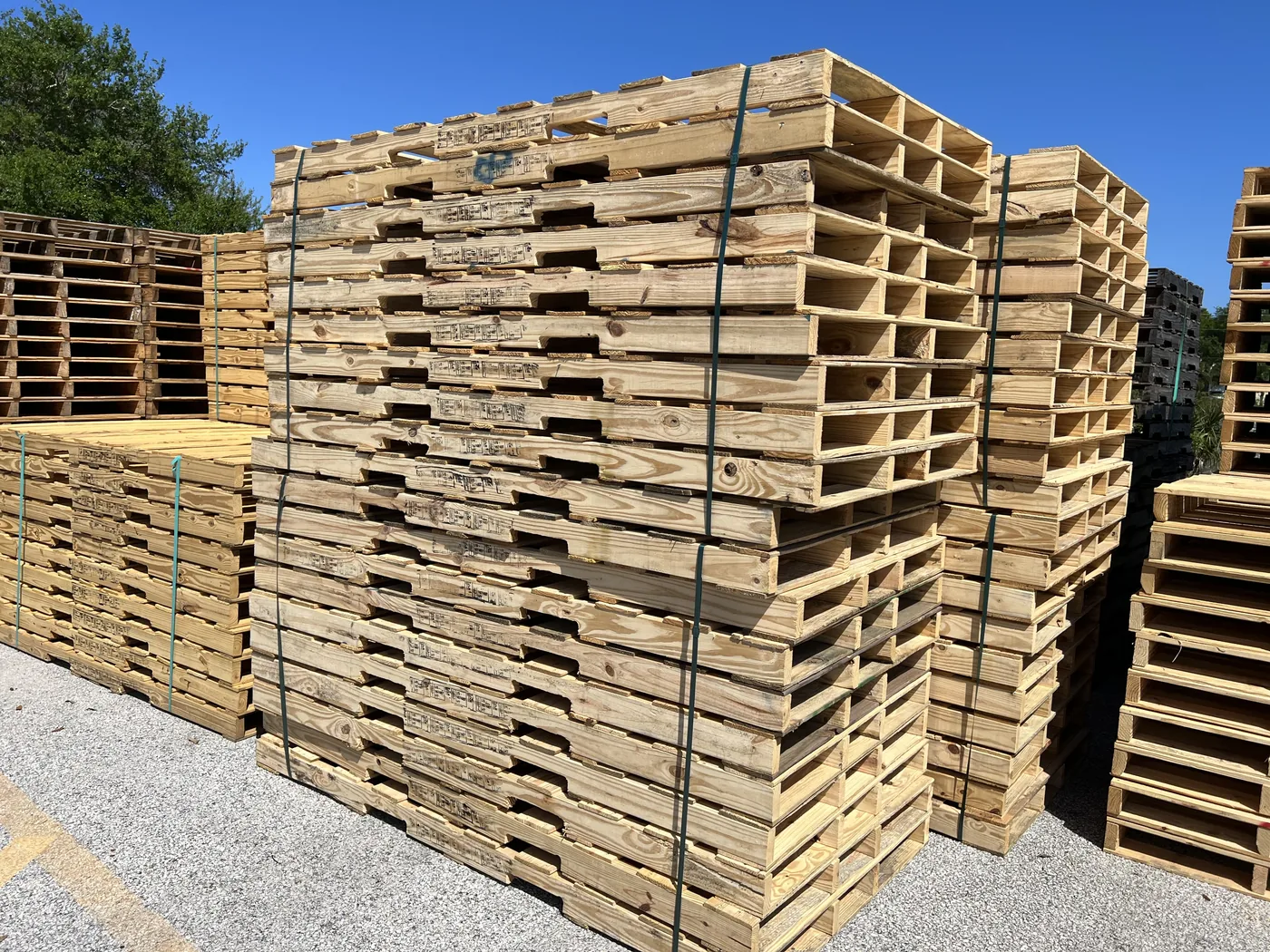
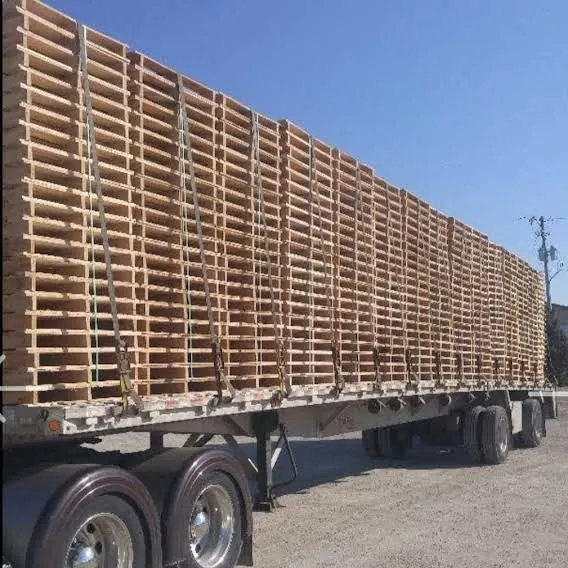
Step-by-step procurement guide for non-standard pallet dimensions. 6 steps covering everything from spec to receipt.
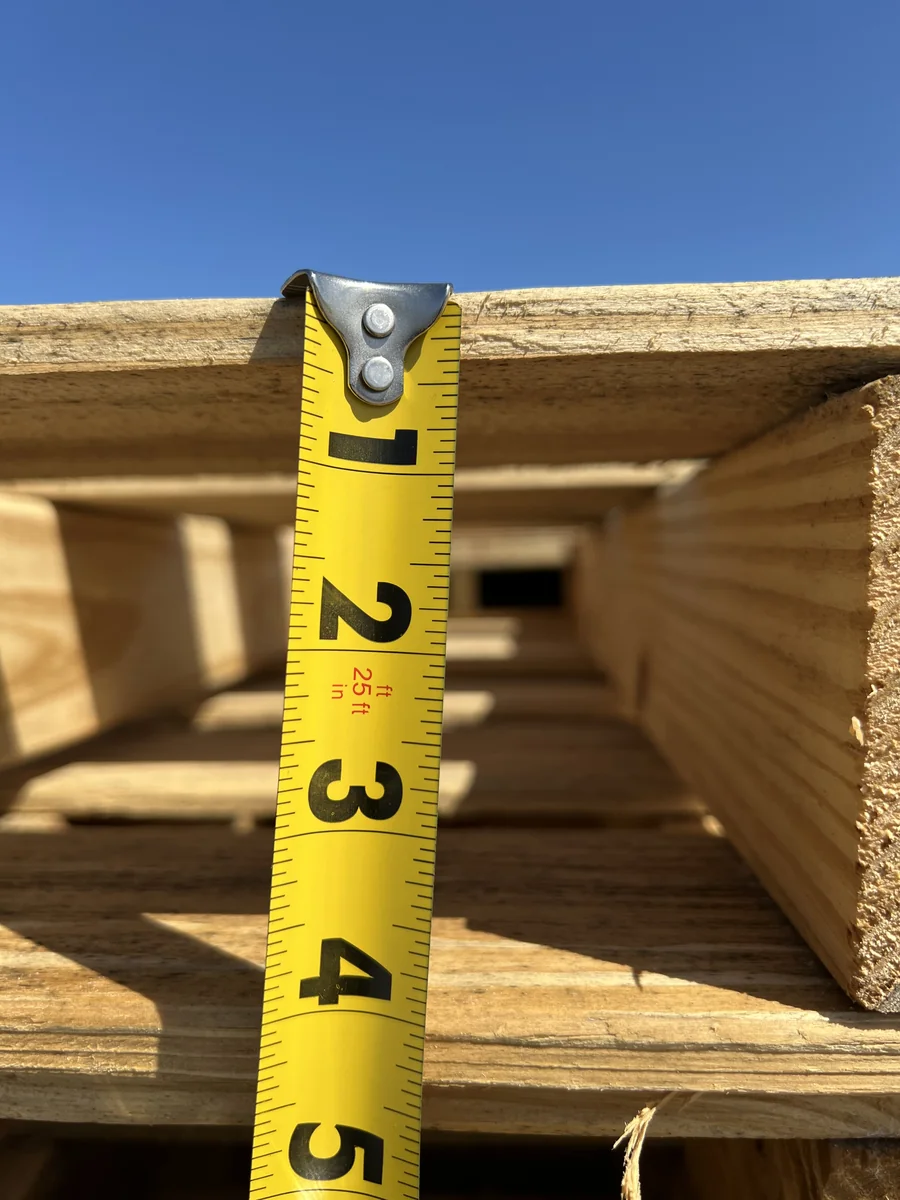
Overview for Washington Operations
This 6-step playbook covers procurement of procure custom-dimension pallets for Washington operations. Industry-typical timelines: RFQ-to-quote sub-2 hours; quote-to-PO 1-3 days; PO-to-delivery 1-7 days depending on lane and standing-order status.
The 6-Step Process
- 1Define product geometryCustom pallets serve products that don't fit GMA 48x40. Document load dimensions, weight, distribution, and stacking pattern.
- 2Specify capacity requirementsReference ASTM D1185 ratings: static load (max apparent load), dynamic load (vibration/transit), racked load (supported on ends only).
- 3Specify entry pattern4-way entry from any side requires block construction. 2-way entry is stringer-style. 4-way notched is stringer with fork notches.
- 4Specify wood speciesMixed hardwood, southern yellow pine, oak, maple, Douglas fir. Each has different cost-strength tradeoffs.
- 5Submit detailed RFQUSP RFQ generator at /tools/rfq-generator/ helps structure your requirements. Engineering review provided for all custom orders.
- 6Receive prototype if neededFor high-volume programs, USP can produce prototype pallets for validation before full production runs.
Washington-Specific Considerations
- Washington regulations: Federal frameworks (FSMA, ISPM-15, OSHA) plus any state-level overlays affecting your operation.
- Freight lanes: Regional dispatch optimizes freight cost. USP serves all Washington metros from regional facilities.
- Industry mix: Washington pallet demand reflects state industry concentration (manufacturing, food, pharma, retail, logistics).
- Port access if exporting: Coordinate ISPM-15 dispatch with Washington commercial seaports if applicable.
Documentation Checklist
- Treatment certificate (ISPM-15)
- FSMA Sanitary Transportation documentation (food-grade)
- GDP supplier qualification (pharma)
- FSC chain-of-custody (sustainable procurement)
- ASTM D1185 test data (engineered pallets)
- NWPCA Uniform Standard grade verification (recycled)
- BOL with pallet counts and grades
Companion Tools
- RFQ Generator - structure your procurement request
- Pallet Design Wizard - spec your pallet
- Load Capacity Calculator
- Pallet Procurement Playbook (Free PDF)
Companion Pages
Washington Quote
Sub-2 hour response. Standing-order programs available.
What credit terms does United States Pallets offer Washington customers?
Net-30 credit terms standard after the first 1-3 prepaid or COD loads while credit is being established. Submit a credit application with three trade references; approval typically processes within 48 hours. Volume accounts can negotiate net-45 or net-60.
Does United States Pallets supply How to Procure Custom-Dimension Pallets for export from Washington?
Yes, with ISPM-15 heat-treated pallets carrying IPPC stamps and full ISPM-15 documentation. Required for international shipments to all WTO member countries. Common for Washington customers with port access via Washington's major export gateways.
Can Washington customers run a buyback program alongside their pallet purchases?
Yes. Backhaul logistics are coordinated on outbound delivery routes - empty or non-spec pallets get picked up on the return leg of new pallet deliveries. Per-pallet freight cost on the backhaul approaches zero for accounts running both new-pallet purchase + buyback simultaneously.
What documentation accompanies How to Procure Custom-Dimension Pallets loads?
BOL, packing list, grade certifications standard. Heat-treated loads add IPPC stamps and ISPM-15 documentation. Pharma-grade loads add batch records. Food-grade loads add FSMA Sanitary Transportation Rule certifications. All documentation ships electronically before delivery.
How does United States Pallets compare to Washington-based local pallet suppliers?
Local Washington suppliers offer geographic proximity. United States Pallets offers nationwide sourcing depth, multi-grade inventory always in stock, sub-2-business-hour quote response, audit-ready documentation, and standing-order automation that local yards typically don't match.