21 CFR Part 117 is the FDA rule on Current Good Manufacturing Practice, Hazard Analysis, and Risk-Based Preventive Controls for Human Food. It does not name pallets, but its sanitation and storage rules affect how food plants use them.
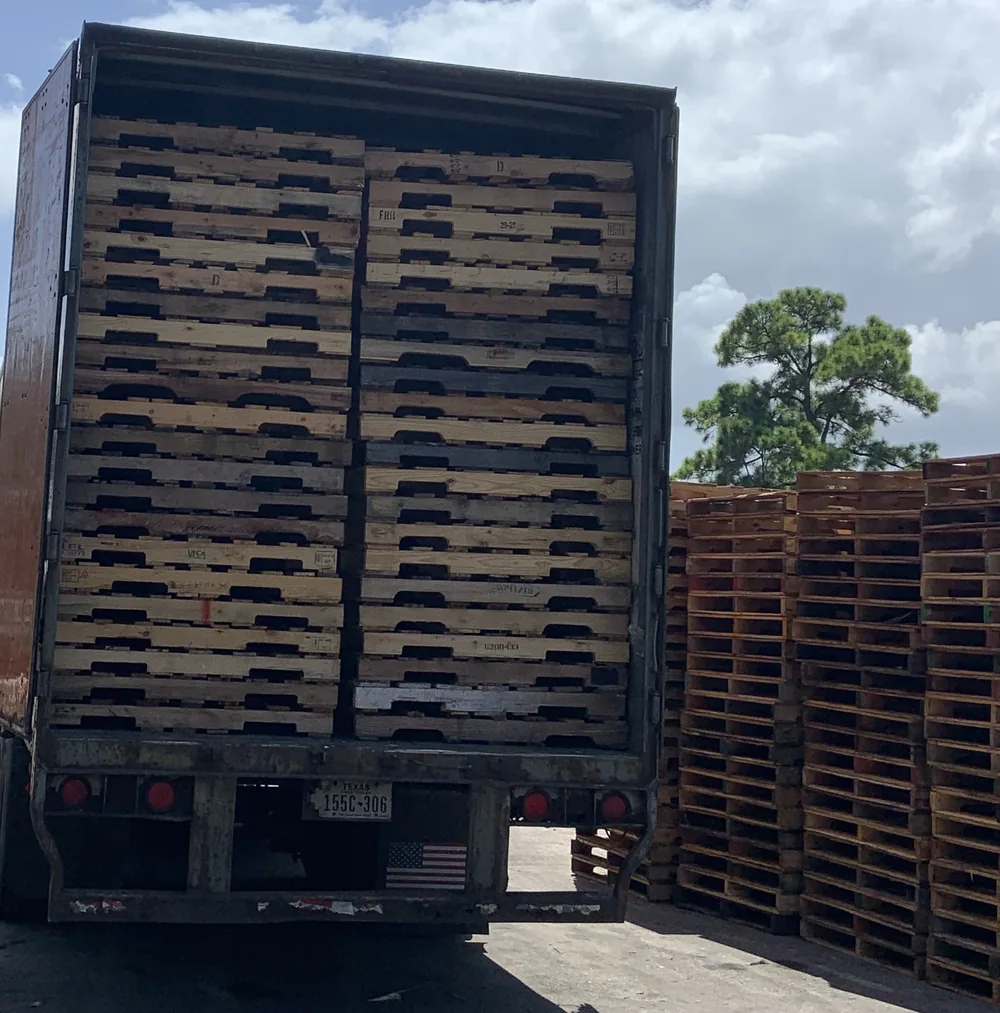
Detailed Definition
21 CFR Part 117 is the FDA's main rule for facilities that manufacture, process, pack or hold human food. Subpart B contains the current good manufacturing practice (CGMP) requirements for plants, grounds, sanitary operations, equipment, and warehousing and distribution. Subpart C contains the hazard analysis and risk-based preventive controls created under FSMA. Pallets are not named in the rule, but they are part of the equipment and storage conditions a facility must keep from contaminating food.
Where pallets fit in a preventive controls plan
A food safety plan under Part 117 starts with a hazard analysis. Pallets can introduce physical hazards such as splinters and loose nails, and can carry dirt, moisture, mold or pests. Most facilities manage these through prerequisite programs such as pallet inspection, sanitation and pest control rather than formal preventive controls, but the hazard analysis should explain that choice.
Warehousing and distribution provisions also require food to be held under conditions that protect against contamination, which covers how pallets are stored, stacked and kept off wet floors.
Practical checks for food plants
- Set an accepted pallet specification for each area, such as raw material receiving, production and finished goods.
- Inspect incoming pallets for broken boards, protruding nails, mold, odor and pest activity.
- Store empty pallets away from production, ideally outside or in a dedicated area, and off the floor where practical.
- Record rejections so supplier problems can be tracked.
Part 117 does not certify pallets. Any "food grade" claim comes from the supplier's process or the user's own specification.
How Part 117 relates to other food rules
Part 117 covers what happens inside a food facility. Moving food between facilities falls under the Sanitary Transportation rule in 21 CFR Part 1 Subpart O. Many plants also follow a HACCP based certification scheme required by customers, which may set stricter pallet rules than the regulation itself.
Related Glossary Terms
Frequently Asked Questions
Do I need plastic pallets to comply with 21 CFR Part 117?
No. The rule does not require any pallet material. It requires that equipment and storage conditions do not contaminate food. Many plants use clean wood pallets in warehouses and plastic pallets in wet or exposed production areas because plastic can be washed. The choice should come from your hazard analysis, sanitation program and customer requirements.
Is pallet inspection a preventive control under Part 117?
It can be, but usually it is handled as a prerequisite or CGMP program such as sanitation, supplier control or pest control. Whether it becomes a formal preventive control depends on your hazard analysis. If a pallet hazard is judged to need a preventive control, the rule requires monitoring, corrective actions, verification and records for it.